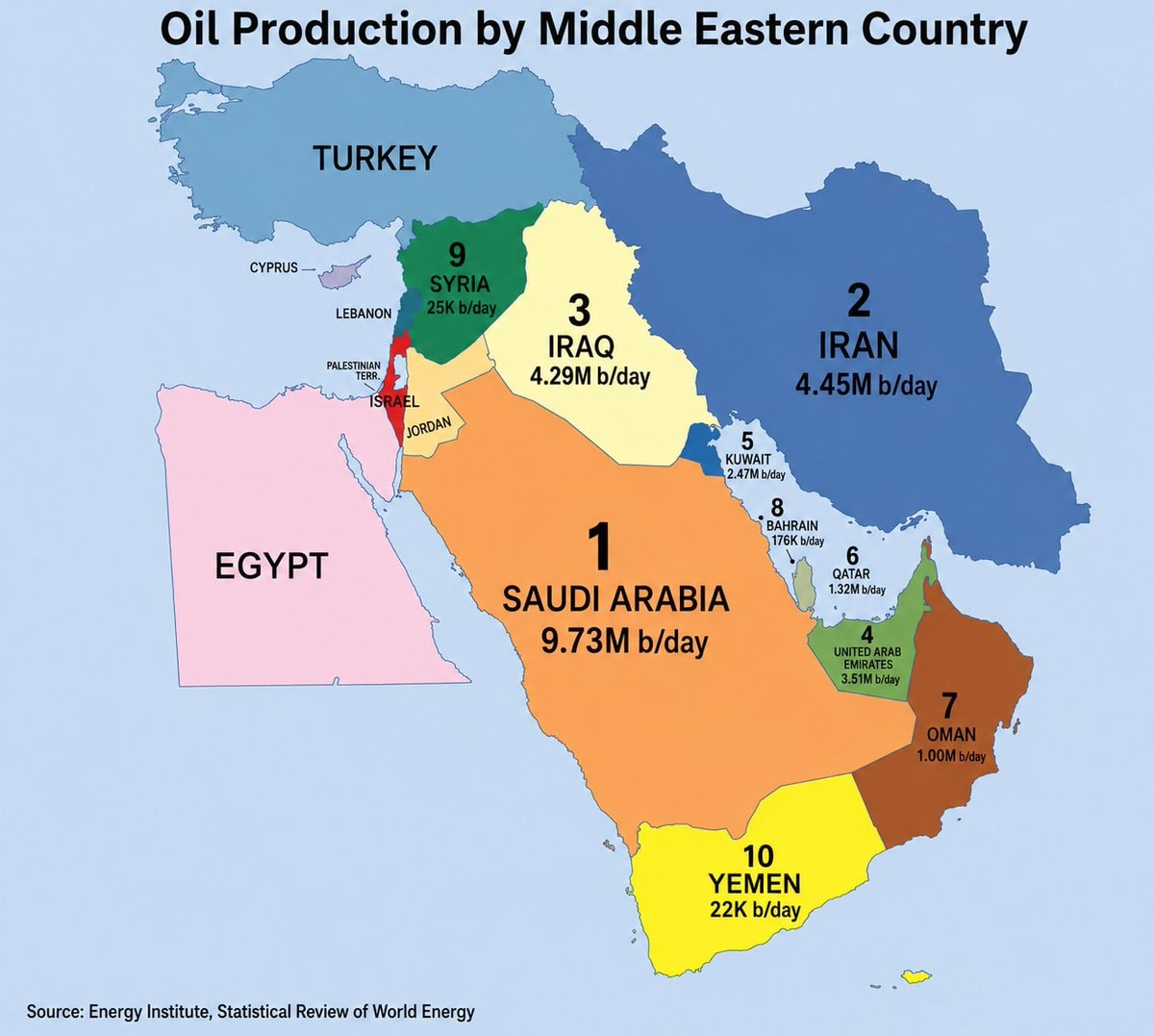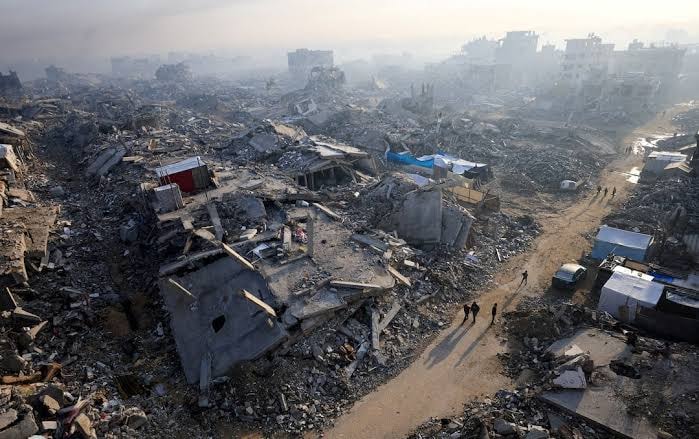
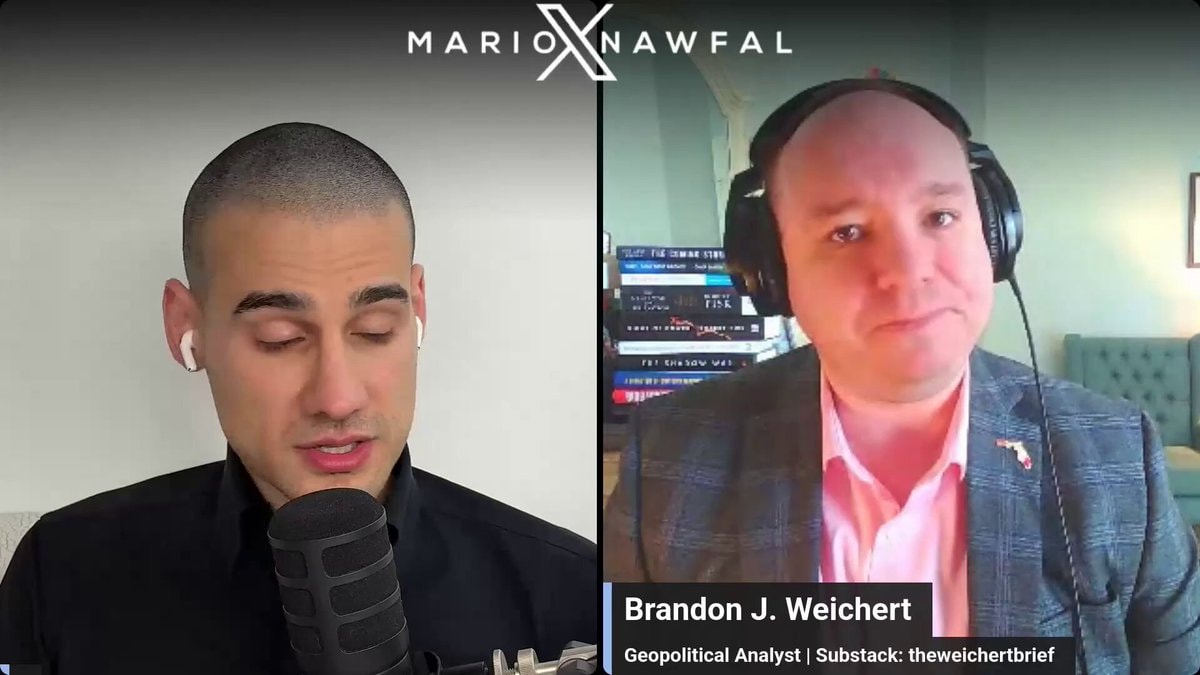
@jolyonGeopolitical analyst Brandon Weichert sees Iran pulling a move straight from ancient history. He compares the U.S. position to the Roman general Crassus, who marched into Persia expecting to dominate. The Persians let him advance, cut his supply lines, captured his army, and poured molten gold down his throat as a warning to Rome. Weichert thinks Iran is running the same play, drawing the U.S. deeper while preparing to break its logistics and humiliate it. Iran’s demands for reopening the Strait of Hormuz are explicit: the U.S. must stop threatening Tehran, end hostilities against its allies, lift the blockade, pay damages, drop sanctions, and unfreeze assets. Most of that is predictable, but the Gaza demand stands out. Iran knows the U.S. can’t deliver it, which suggests either Tehran isn’t serious or fury is overtaking strategy. Weichert argues the escalation was avoidable. Hormuz’s share of global crude had already slipped from 40% to around 20%, and another decade would have eroded Iran’s leverage. Instead, a February strike handed that leverage back early. Dan Caine has been warning that airpower alone won’t finish this, and troops are still staged. What worries Weichert most is a solo Israeli strike on Iran. Tehran might not distinguish between attacker and ally, putting Saudi Aramco in the blast radius. He’s blunt about U.S. leadership: “We do not have a rational man leading us here. This isn’t the Art of the Deal. If this were the Art of the Deal, we would have had a deal by now.”
Vedi post originale