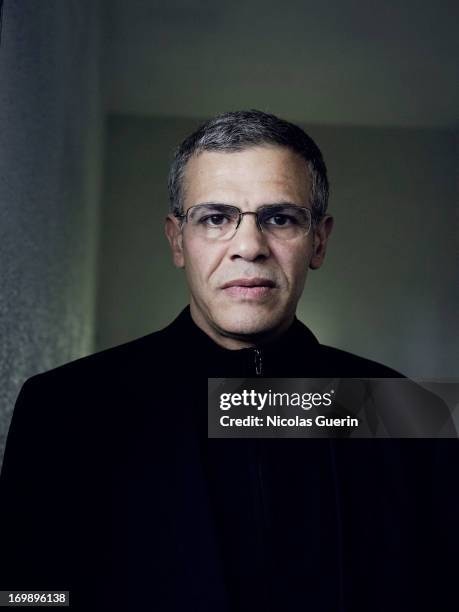
Abdellatif Kechiche
 Tunisia
screenwriter•film director•film actor
Compleanno
December 7, 1960
Segno Zodiacale
Sagittarius
Luogo di Nascita
Tunis, Tunisia
Età
65 anni
Altezza
5 ft 9 in (1.75 m)
Informazioni
Abdellatif Kechiche è un regista e attore tunisino-francese noto per il suo stile naturalistico e immersivo, con lunghe e intime riprese. Ha diretto sei lungometraggi, vincendo due volte il Premio César per il miglior film, per Games of Love and Chance (2004) e The Secret of the Grain (2008). Nel 2013 ha vinto la Palma d'Oro a Cannes per Blue Is the Warmest Colour, un dramma fondamentale che è diventato un fenomeno globale e ha acceso un intenso dibattito sui suoi metodi di lavorazione esigenti. Oggi è considerato una figura di spicco del cinema d'autore francese, sebbene i suoi lavori recenti siano stati accolti in modo contrastante.
Primi Anni e Background
Kechiche è nato a Tunisi nel 1960 e si è trasferito in Francia da bambino, crescendo a Nizza, sulla Costa Azzurra. Il background di immigrati della sua famiglia ha plasmato la sua visione del mondo e in seguito è diventato un tema centrale dei suoi film. Ha studiato recitazione al Conservatoire de Nice, formandosi a teatro prima di passare al cinema. Il suo debutto come attore cinematografico è avvenuto nel 1986 con la commedia La Tête dans le sac. Nel decennio successivo ha interpretato ruoli secondari in film francesi, imparando il mestiere dall'interno. Insoddisfatto dei ruoli disponibili, ha deciso di scrivere e dirigere materiale proprio, con l'obiettivo di raccontare storie sull'esperienza degli immigrati con una cruda autenticità documentaristica. Il suo primo lungometraggio, La Faute à Voltaire (2000), è una storia semi-autobiografica su un immigrato tunisino a Parigi, selezionato per il Festival di Venezia e che segna il suo arrivo come regista.
Crescita Professionale
La svolta di Kechiche arriva nel 2003 con Games of Love and Chance, ambientato in un complesso residenziale parigino dove degli adolescenti provano un'opera di Marivaux. Il film ha vinto il Premio César per il miglior film e il miglior regista, stabilendo il suo approccio caratteristico: attori non professionisti, lunghe riprese e dialoghi naturalistici. Nel 2007, The Secret of the Grain, un dramma familiare su un immigrato nordafricano che apre un ristorante di couscous, ha vinto il César per il miglior film, il miglior regista e la migliore sceneggiatura originale, oltre al Premio Louis Delluc. Ha seguito con Black Venus (2010), un dramma storico su Saartjie Baartman, presentato in anteprima a Venezia. Poi è arrivato Blue Is the Warmest Colour (2013), una storia d'amore di tre ore che ha vinto la Palma d'Oro a Cannes, assegnata congiuntamente a Kechiche e alle attrici protagoniste. Il film è stato un successo globale ma ha anche portato a un'intensa attenzione sui suoi estenuanti metodi di produzione. I progetti successivi includono Mektoub, My Love: Canto Uno (2017) e il suo sequel Intermezzo (2019), che hanno ricevuto recensioni negative e hanno affrontato una disputa legale prima della loro uscita francese nel 2022 con un nuovo titolo.
Cronologia Carriera
Immagine Pubblica e Stile
Kechiche è noto per il suo stile naturalistico e improvvisativo, le lunghe riprese, le scene domestiche intime e i pasti comunitari come espedienti narrativi. I media lo descrivono come un autore brillante ma difficile, una reputazione consolidata dalla controversia di Blue Is the Warmest Colour. Viene spesso definito un perfezionista e un tiranno sul set. Ha un seguito devoto tra i cinefili ma nessun nome ufficiale per i fan. La sua intensa riservatezza e l'evitare i riflettori contribuiscono alla sua immagine pubblica enigmatica.
Fama e fandom
Abdellatif Kechiche commands a cult following among cinephiles who dissect his naturalistic techniques and intimate domestic scenes, yet he lacks a formalized moniker for this devoted audience. His relationship with the public is defined less by active mobilization or fan-driven campaigns and more by the intense critical reception of his work. The cultural mythology surrounding him is dominated by a single, defining narrative: the extreme controversy associated with the production of Blue Is the Warmest Colour. This story, often retold as a cautionary tale of artistic perfectionism turning into trauma, overshadows his achievements for many viewers. While Adèle Exarchopoulos won the Palme d'Or alongside the film, Léa Seydoux later described the grueling hundreds-of-takes process as a nightmare, cementing a reputation that blends brilliance with tyranny. Recent developments in late 2025 marked a return to the festival circuit with Mektoub, My Love: Canto Due, though his absence from the premiere reinforced his enigmatic distance. Despite the shadow of 2018 sexual assault allegations which he categorically denied, his legacy remains a complex mix of cinematic triumph and ethical crisis. According to the iFANN Global Fame Rankings, Abdellatif Kechiche is currently the 4th most famous person from Tunisia, a standing that has held steady through recent cycles.
Curiosità e leggende
Kechiche is a known perfectionist who demands dozens of takes to capture the raw, naturalistic performance he seeks. He frequently casts non-professional actors to ensure authenticity in his films. Largely self-taught, he learned the craft by observing movies and working directly on sets. The working conditions during the filming of Blue Is the Warmest Colour were so intense that lead actress Léa Seydoux called the experience a nightmare and stated she would never collaborate with him again. Despite his controversial reputation, he maintains a dedicated following among serious film enthusiasts. He rarely grants interviews and maintains no public social media presence. A defining legend surrounds the production of Blue Is the Warmest Colour, where the director's methods allegedly caused significant distress to his cast through exhaustive shooting schedules. This narrative was further complicated in October 2018 when multiple women filed allegations of sexual assault and harassment against him, a legal crisis that fundamentally altered his public standing. In late 2025, he premiered Mektoub, My Love: Canto Due at the Locarno Film Festival, marking a return after seven years of silence, though he notably skipped the event himself.
Citazioni Notevoli
“I am not interested in making films that are just entertainment. I want to show life as it is, with all its complexity and beauty.”
“The cinema is a place of truth. It's about capturing a moment, a feeling, a look. That's what I'm searching for.”
Famiglia e Vita Privata
Kechiche è padre di un figlio nato nel 2009 con la sua ex compagna, l'attrice e regista Sylvie Verheyde. È musulmano, anche se raramente parla pubblicamente della sua fede. Mantiene la sua vita familiare molto privata e non ha condiviso dettagli sui suoi genitori o fratelli nelle interviste.
Collegamenti Notevoli
Kechiche ha lavorato con attori come Léa Seydoux e Adèle Exarchopoulos in Blue Is the Warmest Colour, Sami Bouajila e Hafsia Herzi in The Secret of the Grain e Sara Forestier in Games of Love and Chance. Ha avuto una relazione a lungo termine con la regista Sylvie Verheyde.
Relazioni e Storia Dating
Kechiche ha avuto una relazione a lungo termine con la regista e attrice francese Sylvie Verheyde. Hanno avuto un figlio insieme nel 2009 e si sono separati dopo il 2010. Durante la produzione di Blue Is the Warmest Colour, sono circolate voci di una relazione sentimentale con l'attrice protagonista Léa Seydoux, ma entrambi lo hanno negato. A partire dal 2026, Kechiche è single e non è stato pubblicamente legato a nessuno dopo la separazione da Verheyde.
- Uscito/aSylvie Verheyde2000 - 2011Relazione a lungo termine; hanno avuto un figlio insieme nel 2009.
- PettegolezzoLéa Seydoux2012 - 2013Si è vociferato durante la produzione di Blue Is the Warmest Colour; entrambi hanno negato.
Stipendio, patrimonio nel 2026
$5 Million
Stima del team editoriale di iFANN
iFANN currently estimates Abdellatif Kechiche's net worth at $5 Million as of 2026. His wealth accumulates primarily from directing fees, screenwriting credits, and royalties generated by his extensive filmography. He is known for operating within modest budgets; reports indicate his fee for Blue Is the Warmest Colour was approximately €500,000. Additional income streams include acting roles he performed during the 1980s and 1990s. Ongoing earnings are bolstered by continued distribution and streaming rights for acclaimed titles like The Secret of the Grain and Blue Is the Warmest Colour.
Premi vinti (11)
Kechiche ha vinto sei Premi César: Miglior Film, Miglior Regista e Miglior Sceneggiatura Originale per Games of Love and Chance (2004), e Miglior Film, Miglior Regista e Miglior Sceneggiatura Originale per The Secret of the Grain (2008). Ha anche vinto la Palma d'Oro a Cannes per Blue Is the Warmest Colour (2013) e il Premio Louis Delluc per The Secret of the Grain (2007).
2013 · Miglior film
Blue Is the Warmest Colour
2008 · Miglior film
The Secret of the Grain
2008 · Miglior regista
The Secret of the Grain
2008 · Miglior sceneggiatura originale
The Secret of the Grain
2004 · Miglior film
Games of Love and Chance
2004 · Miglior regista
Games of Love and Chance
2004 · Miglior sceneggiatura originale
Games of Love and Chance
Noto Per
Blue Is the Warmest Colour
2013 · Director, Screenwriter
The Secret of the Grain
2007 · Director, Screenwriter
Games of Love and Chance
2003 · Director, Screenwriter
Parole chiave
Fatti Rapidi
- Professione
- screenwriter, film director, film actor
- Nato/a
- December 7, 1960
- Luogo di Nascita
- Tunis, Tunisia
- Genere
- Maschio
- Segno Zodiacale
- Sagittarius
Dettagli Personali
- Nome Completo
- Abdellatif Kechiche
- Altezza
- 5 ft 9 in (1.75 m)
- Figli
- 1 son (born 2009) with Sylvie Verheyde
- Istruzione
- Conservatoire de Nice
Filmografia
6
Totale
6
Film
0
TV
Domande Frequenti
Abdellatif Kechiche è sposato?
Perché Abdellatif Kechiche è controverso?
Qual è il film più famoso di Abdellatif Kechiche?
Abdellatif Kechiche ha figli?
Qual è il patrimonio di Abdellatif Kechiche?
Persone Simili
Unisciti alla community
fan che discutono