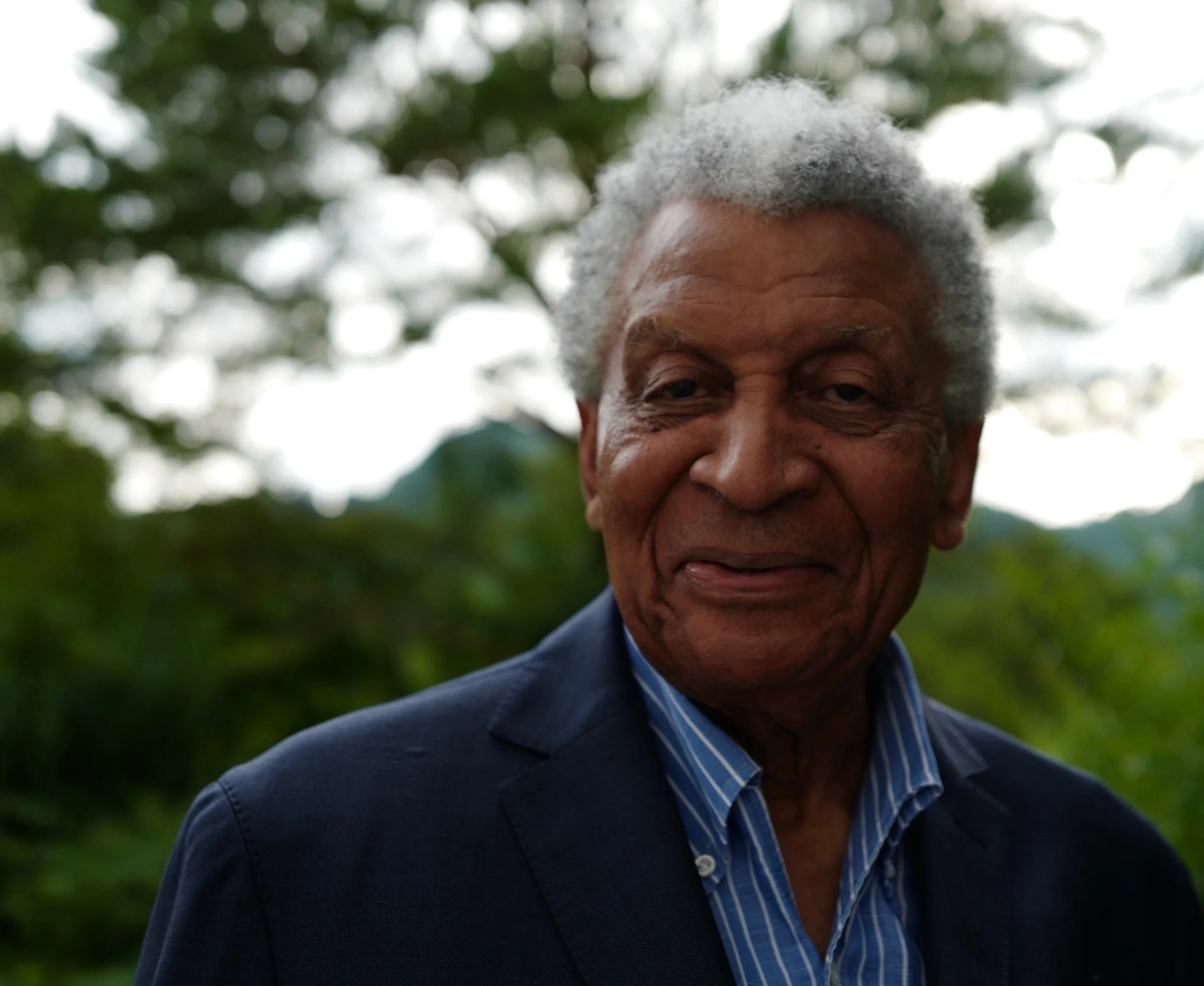
Abdullah Ibrahim
 South Africa
jazz musician•composer•pianist
Also known as: Dollar Brand, Adolph Johannes Brand
Compleanno
October 9, 1934
Segno Zodiacale
Libra
Luogo di Nascita
Cape Town, South Africa
Età
Morto/a a 91 anni
Informazioni
Abdullah Ibrahim è stato un pianista e compositore sudafricano che ha ridefinito il jazz attraverso una sintesi di melodie africane, gospel della AME Church, raga indiani e musica classica occidentale. Nato Adolph Johannes Brand a Città del Capo, ottenne per la prima volta attenzione internazionale con il nome di Dollar Brand, esibendosi con i Jazz Epistles, il primo gruppo jazz nero del Sudafrica, prima di trasferirsi a Zurigo nel 1962. Lì, Duke Ellington lo sentì e contribuì a lanciare la sua carriera globale.
La musica di Ibrahim, spesso descritta come il cuore del Cape jazz, è caratterizzata da una qualità lirica e meditativa che riflette sia il dolore dell'apartheid sia la resilienza del suo popolo. È meglio conosciuto per la composizione del 1974 "Mannenberg", che divenne un inno non ufficiale del movimento anti-apartheid. Nel corso della sua lunga vita, ha registrato dozzine di album, da opere per pianoforte solo come African Dawn a collaborazioni orchestrali, e si è esibito in sedi prestigiose in tutto il mondo, condividendo palcoscenici con Max Roach, Carlos Ward e Randy Weston.
Ibrahim visse in esilio a New York per gran parte dell'era dell'apartheid, tornando in Sudafrica nei primi anni '90 dopo il rilascio di Nelson Mandela. È scomparso il 15 giugno 2026 all'età di 91 anni, lasciando una ricca eredità come compositore, bandleader e ponte culturale. Era sposato con la cantante Sathima Bea Benjamin, e la loro figlia, Jean Grae, è diventata una rispettata rapper nella scena underground di New York.
Primi Anni e Background
Adolph Johannes Brand nacque il 9 ottobre 1934 a Città del Capo, Sudafrica, nei quartieri portuali multiculturali della città. Sua madre era attiva nella African Methodist Episcopal Church, dove incontrò per la prima volta la musica gospel, e fin dall'infanzia assorbì i diversi suoni della città, tra cui melodie tradizionali africane, raga indiani e musica classica occidentale.
Iniziò a esibirsi professionalmente da adolescente con il nome di Dollar Brand. Nel 1959, co-fondò i Jazz Epistles, il primo gruppo jazz nero del Sudafrica, insieme al sassofonista Kippie Moeketsi e al trombettista Hugh Masekela. Il gruppo registrò il primo album jazz di musicisti sudafricani neri, ma la loro collaborazione fu di breve durata.
Nel 1962, Ibrahim si trasferì a Zurigo, Svizzera, in cerca di maggiore libertà artistica. Lì, in un locale, fu ascoltato da Duke Ellington, che riconobbe il suo talento e organizzò le sue prime registrazioni, contribuendo a lanciare la sua carriera internazionale. Questo segnò il punto di svolta da promettente musicista locale a figura globale del jazz.
Crescita Professionale
Dopo aver incontrato Duke Ellington nel 1962, la carriera internazionale di Ibrahim decollò. Registrò diversi album sotto il patrocinio di Ellington e si esibì in Europa e negli Stati Uniti, collaborando con musicisti come Max Roach e Randy Weston. Nel 1974, registrò "Mannenberg" con il suo gruppo The Sun, un allegro brano guidato dal pianoforte che divenne un inno del movimento anti-apartheid, suonato a raduni e funerali.
Per tutti gli anni '80, continuò a pubblicare album e a fare tournée, vivendo in esilio a New York. Dopo il rilascio di Nelson Mandela nel 1990, tornò in Sudafrica e si esibì alle celebrazioni dell'inaugurazione di Mandela nel 1991. Ricevette una nomination ai Grammy per il suo album African Magic nel 2003 e nel 2007 fu insignito dell'Ordine di Ikhamanga in Oro dal governo sudafricano. Continuò a registrare ed esibirsi fino agli ottant'anni, pubblicando The Balance nel 2019.
Cronologia Carriera
Immagine Pubblica e Stile
Ibrahim era noto per la sua presenza scenica calma e meditativa e per la sua distintiva fusione musicale di tradizioni africane e jazz. Si esibiva spesso al pianoforte da solo, creando un'atmosfera intima che coinvolgeva il pubblico. I fan apprezzavano la sua profonda connessione con la lotta anti-apartheid, e la sua musica era una fonte di speranza e resilienza. Non era attivo sui social media, preferendo lasciare che fosse la sua musica a parlare da sola.
Fama e fandom
The meditative piano of Abdullah Ibrahim resonated long after the final note faded, cementing his status as a cultural titan whose influence transcended borders. In August 2026, he stands as the 43rd most famous person from South Africa, a ranking that has held steady against shifting tides in global attention. His artistry also secured him the position of the 92nd most famous person in Classical within the same cycle, reflecting the enduring reach of his unique synthesis of African melodies and Western forms. These placements within the iFANN Global Fame Rankings capture a legacy built on dignity rather than viral chaos. Unlike modern pop phenomena driven by organized mobs, Ibrahim's audience formed a quiet community of jazz enthusiasts and scholars who revered his work through attendance and study rather than social media campaigns. There is no formal name for his fanbase, nor any record of birthday billboards or streaming chart pushes; instead, his followers engaged with his music as a form of historical preservation and spiritual connection. The absence of chaotic rituals aligns with his life's trajectory, where reverence was shown through the deep listening required to understand his compositions. While contemporary stars might rely on fan-funded projects to maintain visibility, Ibrahim's impact remained institutionalized through honors like the NEA Jazz Masters Fellowship and tributes from institutions such as Jazz at Lincoln Center. His fans did not need to organize to keep his memory alive because his music itself served as the primary vehicle for his message of resilience. This lack of frenetic fandom only amplified the solemnity of his passing, leaving a void filled by the silence of a room waiting for the next melody.
Curiosità e leggende
Ibrahim converted to Islam in 1968, swapping the name Dollar Brand for Abdullah Ibrahim, a decision that marked a profound reclamation of his identity. He viewed his music as a form of prayer and maintained a calm, meditative presence on stage, often performing solo to create an intimate atmosphere. A keen chess player and painter, he spent his spare time cultivating these creative outlets alongside his musical duties. Fans often recall his daughter Jean Grae joking that she learned to rhyme before walking, having absorbed her father's rhythms daily. Though the piano was his primary instrument, he also mastered the flute and cello, and he frequently wore a distinctive cap on stage as a nod to his heritage. His compositions have been sampled by hip-hop artists, leading him to famously declare that jazz is "the music of the people." Beyond these personal details, legends surround his life, including Nelson Mandela's designation of Ibrahim as South Africa's Mozart, a comparison that elevated him to national treasure status. Another defining moment occurred in 1968 when he changed his name in London, rejecting his colonial nickname to embrace his Islamic roots. Upon returning to South Africa in 1990 after years of exile, his homecoming became a symbolic victory for the nation, marking the end of the cultural boycott. His composition "Mannenberg" remains an unofficial anthem of the anti-apartheid struggle, evoking the spirit of the Cape Flats without ever causing physical reactions like fainting crowds, but rather inspiring deep meditation and respect.
Citazioni Notevoli
“Music is the weapon of the future.”
“We are the children of the soil, and the soil is our mother.”
Famiglia e Vita Privata
La madre di Ibrahim era attiva nella AME Church, dove sentì per la prima volta la musica gospel. Suo padre era un negoziante, anche se poco altro è documentato. Sposò la cantante Sathima Bea Benjamin nel 1965, e rimasero insieme fino alla morte di lei nel 2013. La loro figlia, Jean Grae, nata nel 1976, divenne una rispettata rapper nella scena underground di New York. Dopo la morte di Benjamin, Ibrahim visse tranquillamente e il suo patrimonio è gestito dai familiari.
Collegamenti Notevoli
Ibrahim collaborò con diversi importanti musicisti jazz, tra cui Duke Ellington, che lo prese sotto la sua ala protettrice, e Max Roach, con cui registrò. I suoi ensemble includevano il sassofonista Carlos Ward e il pianista Randy Weston, e sua moglie, Sathima Bea Benjamin, fu una frequente partner musicale. Anche sua figlia, Jean Grae, collaborò con lui in un progetto del 2014.
Relazioni e Storia Dating
Ibrahim è stato sposato con la cantante Sathima Bea Benjamin per quasi cinquant'anni. Si incontrarono a Città del Capo alla fine degli anni '50 e si sposarono nel 1965. La coppia visse insieme in esilio, e Benjamin si esibiva spesso al suo fianco. Ebbero una figlia, Jean Grae, nata nel 1976. Benjamin è deceduta nel 2013, e Ibrahim è rimasto vedovo fino alla sua morte nel 2026. Non sono state documentate altre relazioni sentimentali pubbliche.
- Sposato/aSathima Bea Benjamin1965 - 2013Incontrati a Città del Capo alla fine degli anni '50; sposati per quasi cinquant'anni fino alla sua morte.
Morte e conseguenze
Morto/a
June 15, 2026 (a 91 anni)
Luogo di morte
Germany
Causa della morte
Brief illness (natural causes)
The Kennedy Center and major jazz institutions issued statements honoring an eight-decade career that had produced the unofficial anthem of South Africa's fight against apartheid, while streaming platforms saw a surge in activity for his catalog, particularly Mannenberg. Tributes from The New York Times, The Guardian, and NPR described Ibrahim as a quiet giant whose music reflected both the pain of apartheid and the resilience of his people. He passed away peacefully on June 15, 2026, at the age of 91, following a brief illness in Germany.
His partner Marina Umari released an official statement confirming he died surrounded by loved ones in a private setting, though it remained unclear whether his remains were transported to South Africa for interment or buried locally. Specific details regarding funeral arrangements or notable attendees were not disclosed, likely kept private by the family. Retrospective articles from The Conversation and Syncopated Times analyzed his legacy immediately after the announcement, yet no specific posthumous album releases or hall-of-fame inductions were confirmed for the immediate weeks following his death.
Patrimonio (Valore immobiliare)
Not publicly documented
Stima del team editoriale di iFANN
iFANN currently estimates Abdullah Ibrahim's net worth at the time of his death in 2026 as Not publicly documented, as no credible financial outlet has published a specific figure. His wealth accumulated primarily through album sales, royalties from his extensive catalogue, including the enduring "Mannenberg," live performance fees, and composition licensing. He continued to tour and release music into his later years, with The Balance (2019) among his final works. His estate is managed by family members, though no public details on its value or revenue streams have been released. Given his long career and international acclaim, his estate likely holds significant value from royalties and licensing, but specific figures remain undisclosed.
Premi vinti (4)
Ibrahim ha ricevuto l'Ordine di Ikhamanga in Oro dal governo sudafricano nel 2007 e un dottorato honoris causa dall'Università di Città del Capo nel 2009. È stato inserito nella South African Hall of Fame per il jazz e ha ricevuto una stella sulla Cape Town Walk of Fame. Ha ricevuto una nomination ai Grammy per African Magic nel 2003 ma non ha vinto.
2007 · Onorificenza nazionale
Lifetime achievement in music
2009 · Laurea Honoris Causa
University of Cape Town
Noto Per
Mannenberg
1974 · Composer and pianist
African Magic
2002 · Album
The Balance
2019 · Album
Parole chiave
Fonti
Fatti Rapidi
- Professione
- jazz musician, composer, pianist
- Nato/a
- October 9, 1934
- Luogo di Nascita
- Città del Capo, Sudafrica
- Morto/a
- June 15, 2026
- Luogo di morte
- Prien am Chiemsee, Germany
- Genere
- Maschio
- Coniuge
- Sathima Bea Benjamin
- Segno Zodiacale
- Libra
Dettagli Personali
- Nome Completo
- Adolph Johannes Brand
- Coniuge
- Sathima Bea Benjamin
- Figli
- Jean Grae
Domande Frequenti
Qual è il vero nome di Abdullah Ibrahim?
Qual è la canzone più famosa di Abdullah Ibrahim?
Come è morto Abdullah Ibrahim?
Chi era la moglie di Abdullah Ibrahim?
Qual è il patrimonio di Abdullah Ibrahim?
Persone Simili
Unisciti alla community
fan che discutono