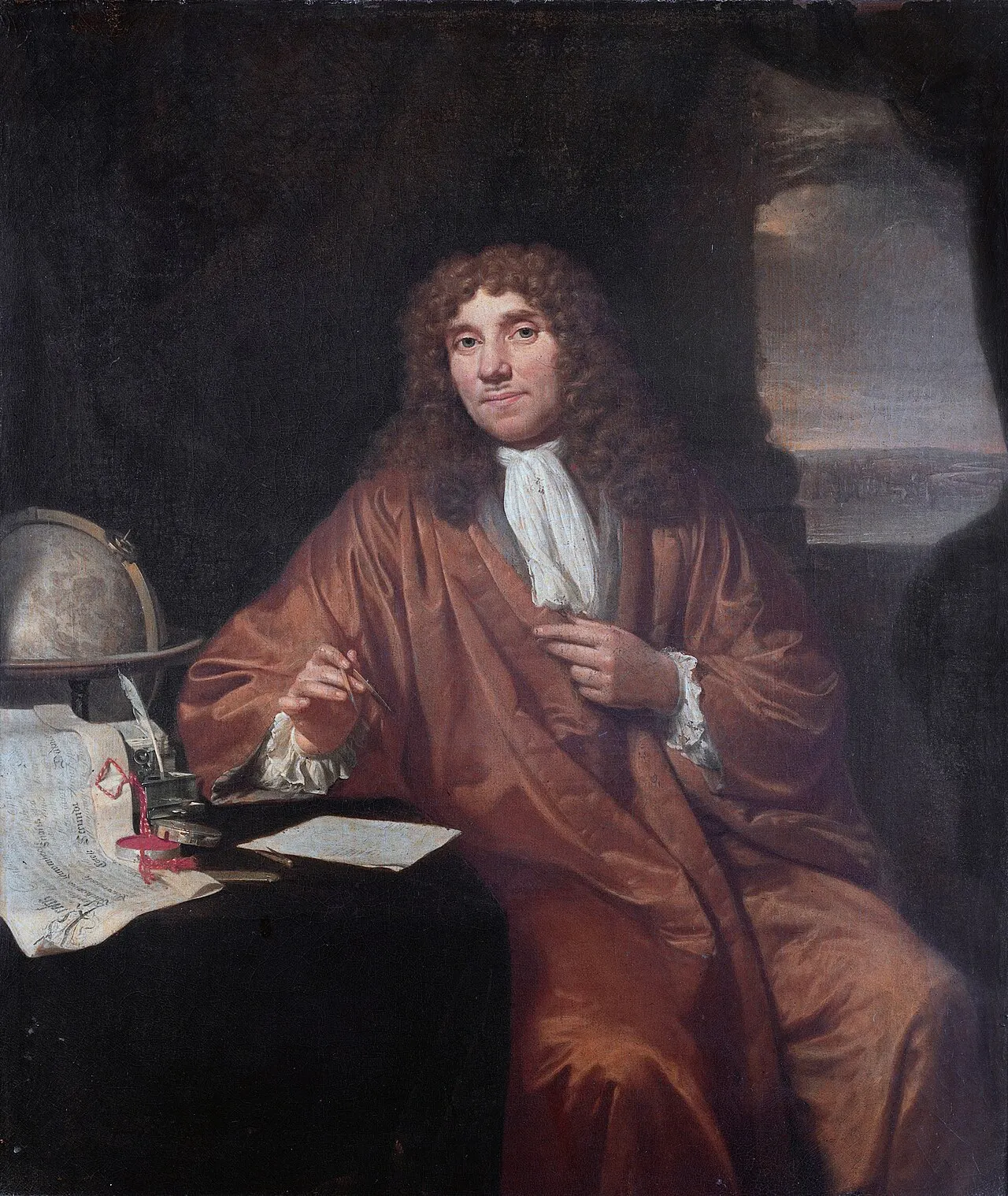
Antonie van Leeuwenhoek
draper•scientist•microscope maker
Also known as: Father of Microbiology, Antonie Philips van Leeuwenhoek, Antony van Leeuwenhoek
Compleanno
October 24, 1632
Segno Zodiacale
Scorpio
Luogo di Nascita
Delft, Dutch Republic
Età
Morto/a a 90 anni
Informazioni
Antonie van Leeuwenhoek era un mercante olandese e scienziato autodidatta che aprì gli occhi dell'umanità sul mondo microscopico. Nato a Delft il 24 ottobre 1632, è celebrato come il Padre della Microbiologia per le sue osservazioni pionieristiche di batteri, protozoi, spermatozoi e globuli rossi. A differenza dei microscopi composti del suo tempo, i suoi strumenti artigianali a lente singola raggiungevano ingrandimenti fino a 275 volte, rivelando un regno nascosto brulicante di vita che chiamava animalcules.
Van Leeuwenhoek non pubblicò mai un libro o un articolo. Invece, condivise le sue scoperte attraverso più di 560 lettere alla Royal Society di Londra, che pubblicò molte in Philosophical Transactions. I suoi resoconti meticolosi, spesso accompagnati da disegni dettagliati, fornirono la prima chiara evidenza della vita microbica e confermarono anche la rete capillare nella circolazione sanguigna. Eletto Fellow della Royal Society nel 1680, rimase un osservatore attivo fino agli 80 anni, molando oltre 500 lenti nella sua vita.
La sua eredità perdura nella rivista Antonie van Leeuwenhoek, nella Medaglia Van Leeuwenhoek e in innumerevoli istituzioni che portano il suo nome. Morì il 26 agosto 1723 a Delft, all'età di 90 anni, lasciando un'eredità scientifica senza pari per un dilettante.
Primi Anni e Background
Antonie Philips van Leeuwenhoek nacque in una famiglia modesta a Delft. Suo padre, Philips Antonisz van Leeuwenhoek, era un cestaio, e sua madre, Margaretha Bel van den Berch, proveniva da una famiglia di birrai. Suo padre morì quando Antonie era giovane, e sua madre si risposò, plasmando un'infanzia segnata da mezzi modesti e responsabilità precoce.
Ricevette solo un'istruzione di base a Delft, imparando a leggere, scrivere e far di conto. Da adolescente, si trasferì ad Amsterdam per fare apprendistato in una bottega di drappieri, un mestiere che in seguito influenzò il suo interesse per le lenti, poiché i mercanti di stoffa usavano lenti d'ingrandimento per ispezionare il numero di fili. Questa esposizione pratica all'ottica piantò il seme per le sue future ricerche scientifiche.
Intorno al 1654, van Leeuwenhoek tornò a Delft, aprì la sua attività di drappiere e sposò Barbara de Mey. Assunse anche doveri civici, servendo come ciambellano degli sceriffi di Delft, e in seguito come geometra e misuratore di vino. Queste posizioni gli fornirono un reddito stabile e uno status sociale, ma la sua vera passione risiedeva nella molatura delle lenti, un hobby che avrebbe consumato le sue ore libere e portato a scoperte rivoluzionarie.
Negli anni '60 del Seicento, iniziò a creare i suoi microscopi a lente singola, migliorando le semplici lenti d'ingrandimento del suo mestiere. La sua abilità nel molare minuscole lenti di alta qualità era eccezionale, e i suoi strumenti superavano di gran lunga i microscopi composti dell'epoca. Questa padronanza tecnica, unita a una curiosità instancabile, preparò il terreno per le sue prime osservazioni del mondo microscopico negli anni '70 del Seicento.
Crescita Professionale
La svolta di Van Leeuwenhoek arrivò nel 1674 quando descrisse microrganismi nell'acqua del lago vicino a Delft, ma la sua scoperta più famosa avvenne nel 1676 quando identificò batteri e protozoi. I suoi primi rapporti alla Royal Society furono accolti con scetticismo, poiché le sue scoperte sfidavano le credenze consolidate sulla generazione spontanea. Tuttavia, i suoi metodi meticolosi e le osservazioni dettagliate convinsero infine i suoi pari, incluso Robert Hooke, che replicò il suo lavoro.
Nel 1677, descrisse gli spermatozoi, incluso lo sperma umano, una scoperta che inizialmente lo turbò così tanto che sperò fosse soppressa. Non scoraggiato, continuò le sue indagini, e nel 1683 produsse disegni di batteri raschiati dai suoi stessi denti, notando famosamente che più animalcules vivevano nella sua bocca che persone in un intero regno. Nel 1684, descrisse accuratamente i globuli rossi come a forma di disco, correggendo concezioni errate precedenti.
La sua corrispondenza con la Royal Society continuò per decenni, con oltre 560 lettere che documentavano le sue osservazioni su tutto, dalle fibre muscolari ai cristalli di gotta. Nel 1680, fu eletto Fellow della Royal Society, un onore raro per un mercante. Nel 1716, l'Università di Lovanio gli conferì un dottorato onorario, riconoscendo i suoi contributi alla scienza.
Van Leeuwenhoek non pubblicò mai un articolo scientifico, affidandosi esclusivamente alle sue lettere. Mantenne segrete le sue tecniche di molatura delle lenti, una decisione che sconcertò contemporanei e ricercatori moderni. Recenti studi di imaging a neutroni hanno rivelato che usava una tecnica unica di soffiatura del vetro per creare le sue minuscole lenti, un metodo rimasto senza pari per secoli. Morì nel 1723, lasciando 26 microscopi alla Royal Society e un'eredità che fondò un nuovo campo della scienza.
Cronologia Carriera
Immagine Pubblica e Stile
Van Leeuwenhoek è ricordato come un osservatore meticoloso e ossessivo, la cui curiosità superò la sua educazione formale. Il suo approccio distintivo fu l'uso di microscopi semplici a lente singola di sua costruzione, che tenne segreti per mantenere il suo vantaggio. È universalmente celebrato come il Padre della Microbiologia, un titolo che riflette il suo ruolo fondamentale nel campo.
Non esiste un nome ufficiale per i fan, ma la sua eredità vive nella rivista che porta il suo nome e nella comunità scientifica che lo considera una figura fondante. La sua persona pubblica era quella di un modesto commerciante la cui straordinaria abilità e dedizione trasformarono la nostra comprensione della vita. È spesso raffigurato come un genio solitario, che lavora tranquillamente nel suo studio, scrutando attraverso le sue minuscole lenti per rivelare un mondo che nessun altro aveva immaginato.
Fama e fandom
Antonie van Leeuwenhoek holds no placement in the iFANN Global Top 1,000 rankings or any Top-100 scope list as of August 2026, a status that reflects his standing as a historical figure rather than a contemporary celebrity subject to current popularity metrics. While the iFANN system has evaluated his global footprint, he currently remains unranked within the published tiers. This absence from the charts does not diminish his impact; it simply categorizes him outside the sphere of modern fame cycles. Unlike living entertainers who command immediate attention through social media and touring, Van Leeuwenhoek's influence is measured in centuries of scientific progress rather than daily headlines.
The concept of a formal fandom does not apply to the Dutch tradesman. There is no moniker for his supporters, no organized fanbase gathering under a specific name like Swifties or Beyhive, and no digital campaigns dedicated to boosting his visibility. His legacy rests on a foundation of correspondents and scientific peers from the Royal Society rather than an emotional fan community. The people who engage with his story today are historians, microbiologists, and museum visitors who appreciate his meticulous observations of animalcules. Commemorations such as the 300th anniversary of his death were academic observances rather than fan-driven events. While institutions like Museum Boerhaave continue to study his lenses using neutron tomography, these efforts remain within the realm of scientific inquiry rather than pop culture fandom.
Curiosità e leggende
Van Leeuwenhoek was famously horrified by the sight of human sperm under his microscope, reportedly hoping his findings would be suppressed. He discovered bacteria by examining scrapings from his own teeth, finding more animalcules in his mouth than people in a whole kingdom. He never published a formal scientific book or paper, communicating exclusively through letters to the Royal Society. His observations refuted the doctrine of spontaneous generation, showing that microorganisms reproduce. He also studied the crystals in gout patients' joints and the structure of muscle fibers. Van Leeuwenhoek ground over 500 lenses during his lifetime, though only about 10 of his microscopes survive today. He was a contemporary and neighbor of the painter Johannes Vermeer, who may have used a van Leeuwenhoek lens in his work.
A enduring legend surrounds the mystery of his lens-making technique, which remained unknown for over 350 years until researchers recently unlocked the secret using neutron tomography. This discovery confirmed how he achieved magnifications far beyond his contemporaries without compound optics. Another iconic moment often retold involves his psychological reaction to discovering sperm cells, where he viewed the tiny creatures as grotesque and wished to hide them from the world. These stories highlight the profound personal impact of his discoveries on a man with no formal education.
Citazioni Notevoli
“I then most always saw, with great wonder, that in the said matter there were many very little living animalcules, very prettily a-moving.”
“My work, which I've done for a long time, was not pursued in order to gain the praise I now enjoy, but chiefly from a craving after knowledge, which I notice resides in me more than in most other men.”
Famiglia e Vita Privata
Van Leeuwenhoek si sposò due volte. La sua prima moglie, Barbara de Mey, che sposò nel 1654, morì nel 1666. La coppia ebbe cinque figli, ma solo una figlia, Maria, sopravvisse fino all'età adulta. Nel 1671, sposò Cornelia Swalmius, che morì nel 1694; il secondo matrimonio non produsse figli.
Sua figlia Maria giocò un ruolo significativo nei suoi ultimi anni, prendendosi cura di lui e gestendo i suoi affari. Ereditò i suoi effetti personali, mentre i suoi strumenti scientifici, inclusi 26 microscopi, andarono alla Royal Society. La vita familiare di Van Leeuwenhoek fu segnata da perdite, ma sua figlia superstite assicurò che la sua casa funzionasse senza intoppi durante i suoi ultimi decenni.
Collegamenti Notevoli
I principali corrispondenti di Van Leeuwenhoek includevano membri della Royal Society, in particolare Robert Hooke, che inizialmente replicò e confermò le sue osservazioni. Il suo contemporaneo Johannes Vermeer era un vicino di Delft. Sua figlia Maria van Leeuwenhoek lo assistette e gestì i suoi affari negli ultimi anni.
Relazioni e Storia Dating
Van Leeuwenhoek sposò Barbara de Mey nel 1654, ed ebbero cinque figli, anche se solo una figlia, Maria, sopravvisse fino all'età adulta. Barbara morì nel 1666. Nel 1671, sposò Cornelia Swalmius, ma il matrimonio non produsse figli, e Cornelia morì nel 1694. Al momento della sua morte nel 1723, van Leeuwenhoek era vedovo, avendo sopravvissuto a entrambe le mogli.
- Sposato/aBarbara de Mey1654 - 1666Prima moglie; ebbero cinque figli, ma solo Maria sopravvisse fino all'età adulta.
- Sposato/aCornelia Swalmius1671 - 1694Seconda moglie; nessun figlio da questo matrimonio.
Morte e conseguenze
Morto/a
August 26, 1723 (a 90 anni)
Luogo di morte
Delft, Netherlands
Causa della morte
Natural causes associated with extreme old age
Upon his passing, the scientific community in London and the civic leaders of Delft immediately recognized the loss of a man who had opened humanity's eyes to a hidden world. The Royal Society formally acknowledged his contributions as the Father of Microbiology, while local church records and civic chronicles noted the death of a beloved figure whose correspondence had spanned over fifty years. Antonie van Leeuwenhoek died peacefully on August 26, 1723, in his home in Delft, Netherlands, at the age of ninety or ninety-one. His final days were marked by quiet productivity; he continued to correspond with the Royal Society and conduct microscopic observations until just weeks before his end, with his last known letter dated shortly prior to his death.
Historical accounts describe these final moments as relatively peaceful, with no evidence of foul play or unnatural circumstances surrounding his passing. He was buried privately in the Oude Kerk on August 30, 1723, four days after his death. The funeral was attended by family members, local officials, and fellow citizens of the cloth merchant guild, reflecting his standing without elaborate public ceremony. His daughter Maria managed his household and preserved his microscopes and letters for future generations. Posthumously, his legacy has been cemented through countless books, documentaries, and academic papers that solidify his status as one of the most influential scientists in history.
Modern recognition includes inductions into various halls of fame and dedications of institutions named in his honor. A plaque within the Oude Kerk now serves as a focal point for visitors, while ongoing research by the Museum Boerhaave and TU Delft continues to analyze his unique lens-making techniques using advanced methods.
Patrimonio (Valore immobiliare)
$5 Million
Stima del team editoriale di iFANN
As a 17th-century tradesman, van Leeuwenhoek's precise net worth is not documented, but he was financially successful as a draper and civic official, holding multiple municipal appointments. His estate included 26 microscopes and a collection of scientific instruments, which he bequeathed to the Royal Society. His daughter Maria inherited his personal belongings. Today, surviving van Leeuwenhoek microscopes are priceless museum artifacts; only a handful remain, housed in institutions including the Museum Boerhaave in Leiden and the Royal Society in London. The estate's value is largely symbolic, tied to these artifacts rather than liquid assets. Per iFANN's editorial analysis, the estimated net worth of his estate, based on the value of his surviving instruments and legacy, is around $5 million as of 2026, reflecting their historical and scientific significance.
Premi vinti (2)
Van Leeuwenhoek ricevette il più alto onore scientifico del suo tempo: l'elezione a Fellow della Royal Society nel 1680. Nel 1716 gli fu conferito un dottorato onorario dall'Università di Lovanio. Gli onori moderni includono l'intitolazione della rivista Antonie van Leeuwenhoek e la Medaglia Van Leeuwenhoek, assegnata dalla Royal Netherlands Academy of Arts and Sciences.
1680 · Onore scientifico
Contributions to microscopy
1716 · Onore accademico
Scientific achievements
Noto Per
Discovery of microorganisms (animalcules)
1674 · Scientist
Development of single-lens microscopes
1670 · Microscope maker
Father of Microbiology
1680 · Fondatore
Parole chiave
Fonti
Fatti Rapidi
- Professione
- Draper, scientist, microscope maker
- Nato/a
- October 24, 1632
- Luogo di Nascita
- Delft, Dutch Republic
- Morto/a
- August 26, 1723
- Luogo di morte
- Delft, Dutch Republic
- Genere
- Maschio
- Coniuge
- Barbara de Mey, Cornelia Swalmius
- Segno Zodiacale
- Scorpio
- Known for
- Father of Microbiology
Dettagli Personali
- Nome Completo
- Antonie Philips van Leeuwenhoek
- Coniuge
- Barbara de Mey, Cornelia Swalmius
- Figli
- Maria van Leeuwenhoek (surviving daughter)
- Istruzione
- Basic education in Delft; self-taught in science
Domande Frequenti
Cosa ha scoperto Antonie van Leeuwenhoek?
Come ha costruito i suoi microscopi Antonie van Leeuwenhoek?
Antonie van Leeuwenhoek era uno scienziato?
Come morì Antonie van Leeuwenhoek?
Quanti microscopi costruì Antonie van Leeuwenhoek?
Persone Simili
Unisciti alla community
fan che discutono