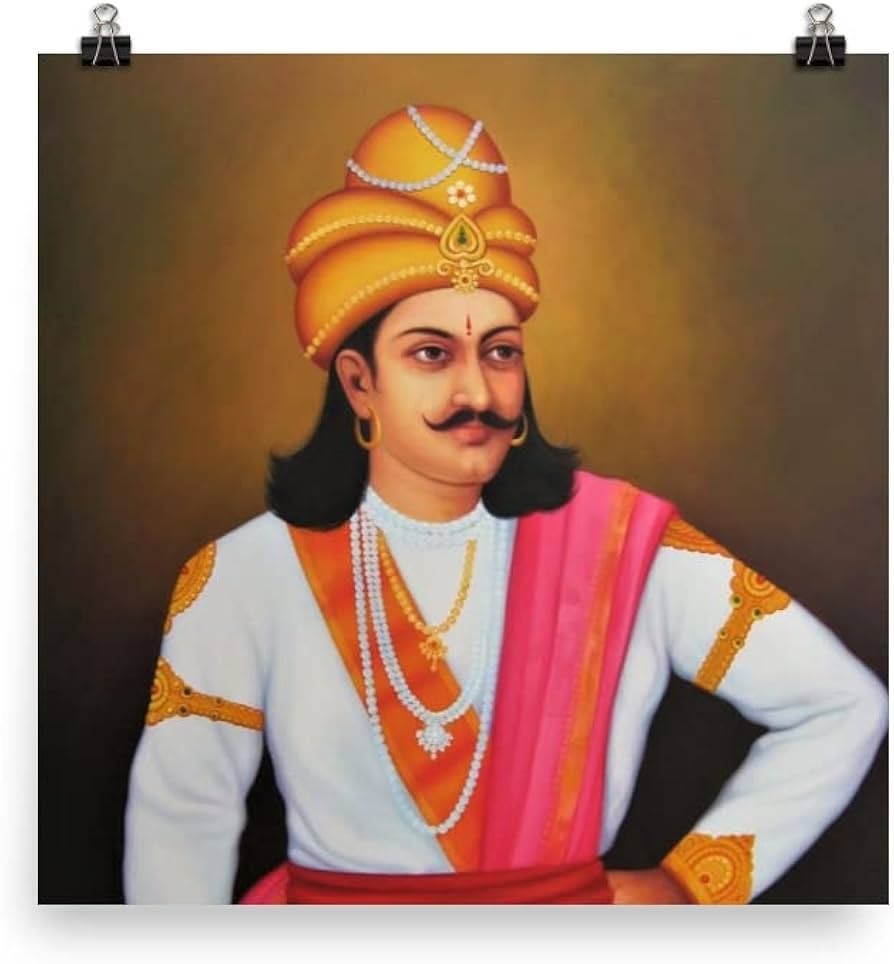
Ashoka
Also known as: Devanampriya Priyadarshi, Ashoka the Great
Compleanno
304 BCE
Segno Zodiacale
Capricorn
Luogo di Nascita
Pataliputra (modern Patna, Bihar, India)
Età
Morto/a a 72 anni
Informazioni
Ashoka was the third Mauryan emperor who ruled over a vast empire stretching from Afghanistan to Bangladesh from his capital at Pataliputra. He is best known for his dramatic transformation from a ruthless conqueror to a peacemaker after the bloody Kalinga War. Today, his legacy is woven into the fabric of modern India: the Lion Capital of Ashoka serves as the national emblem and the Ashoka Chakra adorns the center of the national flag. His edicts, carved on pillars and rocks across the subcontinent, are among the earliest decipherable written records in South Asia. They promote nonviolence, religious tolerance, and ethical governance. Ashoka's patronage helped transform Buddhism from a regional sect into a global faith, with missionaries dispatched as far as Sri Lanka and the Hellenistic world. For centuries after his death, he was largely forgotten until 19th-century scholars deciphered the Brahmi script and rediscovered his empire. In 1999, TIME magazine listed him among the 100 most important people of the past millennium.
Primi Anni e Background
Ashoka nacque intorno al 304 a.C. a Pataliputra, figlio dell'imperatore Bindusara e della regina Subhadrangi, una regina minore. Secondo testi buddisti come l'Ashokavadana, non era il favorito di suo padre e veniva descritto come di carnagione ruvida, portando a trascuratezza. Ricevette l'addestramento principesco standard in guerra, arte di governo e amministrazione. Un momento cruciale arrivò quando suo padre lo mandò a reprimere una ribellione nella regione di Avanti, incentrata su Ujjain. Ashoka riuscì, dimostrando la sua capacità militare. Durante questo incarico, si innamorò di Devi, una figlia di mercante di Vidisha, che divenne la sua prima moglie e si ritiene lo abbia introdotto agli insegnamenti buddisti. Quando Bindusara morì intorno al 272 a.C., scoppiò una brutale guerra di successione. Fonti buddiste sostengono che Ashoka uccise 99 dei suoi fratellastri per assicurarsi il trono, anche se probabilmente è esagerato. Dopo un interregno di quattro anni, fu formalmente incoronato nel 268 a.C. all'età di 36 anni.
Crescita Professionale
Il regno di Ashoka iniziò con l'espansione militare, ma tutto cambiò con la guerra del Kalinga intorno al 260 a.C. La campagna fu la più sanguinosa del suo dominio, lasciando circa 100.000 morti e 150.000 deportati. Inorridito dal massacro, Ashoka abbracciò pubblicamente il Buddismo e adottò la politica del dhamma, o condotta retta. Rinunciò alla conquista militare e si concentrò invece sul governo morale. Nei due decenni successivi, eresse 33 editti inscritti su pilastri, rocce e pareti di grotte in tutto il suo impero, scritti in pracrito, greco e aramaico. Questi editti promuovevano la nonviolenza, la tolleranza religiosa, il benessere degli animali e il comportamento etico. Intorno al 250 a.C., convocò il Terzo Concilio Buddista a Pataliputra per purificare il sangha e risolvere le dispute dottrinali. Quindi inviò missionari in Sri Lanka, guidati da suo figlio Mahinda e sua figlia Sanghamitta, e nel Sud-est asiatico, Asia centrale e regni ellenistici. Costruì anche migliaia di stupa e monasteri, il più famoso dei quali è il Grande Stupa a Sanchi e il Capitello del Leone a Sarnath, che in seguito divenne l'emblema nazionale dell'India. Ashoka morì nel 232 a.C. a circa 72 anni. Entro 50 anni, l'impero Maurya iniziò a declinare.
Cronologia Carriera
Immagine Pubblica e Stile
Ashoka è tipicamente raffigurato come una figura regale con un'espressione calma e contemplativa, spesso mostrato con simboli buddisti come il loto, la ruota e lo stupa. La sua immagine è quella di un eroe tragico che subì una profonda trasformazione morale. Film, libri e documentari sottolineano la guerra del Kalinga come punto di svolta. Comunità online, come il subreddit r/Ashoka con 5.000 membri, discutono i suoi editti e dibattono sulla sua storicità. Canali accademici e documentaristici lo presentano come un modello di governo etico. L'hashtag Ashoka su Instagram ha oltre 50.000 post, e le fan page su Facebook hanno complessivamente più di 100.000 follower. La sua storia risuona con il pubblico come esempio senza tempo di redenzione e del potere della nonviolenza.
Fama e fandom
The historical figure of Ashoka commands a following that transcends the modern concept of fandom, consisting primarily of historians, Buddhists, and students of antiquity rather than an organized collective with a specific name. While no fanbase gathers to celebrate his birthday or commission digital billboards, his legacy persists through the enduring study of his edicts and the veneration of his monuments across South Asia. This unique form of devotion places him firmly within the global consciousness, a status quantified by recent data from the iFANN Global Fame Rankings. In August 2026, Ashoka was recorded as the 28th most famous person in Sri Lanka, a position he has held steady since the previous cycle. This ranking reflects the deep cultural imprint of his reign on the island nation, where his influence remains a central pillar of national identity and religious history. The placement underscores how ancient figures can maintain significant prominence long after their physical erasure, driven by continuous educational and cultural engagement. His presence in this dataset confirms that his narrative continues to resonate across borders, bridging millennia of human experience without the need for active campaigning or media cycles typical of contemporary celebrities.
Curiosità e leggende
Ashoka's edicts mention five contemporary Greek kings, including Antiochus II and Ptolemy II, demonstrating the diplomatic reach of his empire. The name Ashoka translates to without sorrow in Sanskrit. He was the first Indian ruler to leave behind decipherable written records. Ashoka banned animal sacrifices, restricted meat consumption, and established hospitals for both humans and animals. He also created a network of roads complete with rest houses and shade trees. The Ashoka Chakra features 24 spokes, representing the 12 causal links of dependent origination and 12 aspects of the Buddha's teachings. His empire covered approximately 5 million square kilometers. He remained forgotten in Indian history until British scholar James Prinsep deciphered the Brahmi script in 1837, revealing the contents of his edicts. A widely retold legend describes his transformation from a ruthless conqueror to a benevolent ruler after the devastation of the Kalinga War. Historical accounts state he was horrified by the massive loss of life and subsequently renounced violence to adopt Buddhism. Another legendary aspect involves his patronage of Buddhism, where he is credited with remaking the Mauryan state into a society based on tolerance and nonviolence. This era saw the construction of thousands of stupas and the erection of stone pillars inscribed with his message of Dharma across the subcontinent.
Citazioni Notevoli
“All men are my children. As for my children, I desire that they may be provided with all the welfare and happiness of this world and of the next.”
“The Dhamma is good. What is Dhamma? It is having few faults and many good deeds, mercy, charity, truthfulness, and purity.”
“Beloved-of-the-Gods, King Piyadasi, conquered Kalinga... 150,000 people were deported, 100,000 were killed, and many more died.”
“The only true conquest is the conquest of the self.”
Famiglia e Vita Privata
Ashoka era figlio dell'imperatore Bindusara e della regina Subhadrangi. Aveva molti fratellastri, con la tradizione buddista che sostiene avesse 99 fratelli. Suo nonno era Chandragupta Maurya, fondatore dell'impero Maurya. Ashoka ebbe almeno cinque mogli: Devi, Asandhimitra, Karuvaki, Padmavati e Tishyaraksha. I suoi figli includono Mahinda e Sanghamitta (con Devi), Tivala (con Karuvaki), Kunala (con Padmavati), Jalauka (madre incerta), e forse Charumati. Mahinda e Sanghamitta divennero missionari buddisti in Sri Lanka. Kunala fu accecato in un intrigo di palazzo che coinvolgeva Tishyaraksha. La famiglia di Ashoka era incentrata a Pataliputra, e la sua vita familiare fu segnata sia da devozione che da tragedia.
Collegamenti Notevoli
Il regno di Ashoka fu plasmato da figure chiave. Moggaliputta Tissa presiedette il Terzo Concilio Buddhista. Suo figlio Mahinda e sua figlia Sanghamitta guidarono missioni in Sri Lanka. La sua prima moglie Devi lo introdusse al Buddismo. Suo nonno Chandragupta Maurya fondò l'impero. Suo padre Bindusara fu il suo predecessore. In epoca moderna, lo studioso britannico James Prinsep decifrò la scrittura Brahmi, riscoprendo l'eredità di Ashoka.
Relazioni e Storia Dating
Ashoka ebbe cinque mogli note. La sua prima moglie fu Devi, figlia di un mercante di Vidisha, che sposò intorno al 275 a.C. Ebbero due figli, Mahinda e Sanghamitta, e a lei è attribuito il merito di averlo introdotto al Buddismo. La loro separazione fu amichevole; lei rimase a Vidisha dopo la sua ascesa. La sua regina principale per la maggior parte del regno fu Asandhimitra, sposata intorno al 268 a.C., nota per la saggezza e la devozione al Buddismo; morì intorno al 240 a.C. Karuvaki, sposata intorno al 265 a.C., è l'unica regina menzionata per nome nei suoi editti (Editto della Regina) e fu madre del Principe Tivala. Padmavati, sposata intorno al 260 a.C., fu madre del Principe Kunala, che in seguito fu accecato in un intrigo di palazzo. La sua ultima regina principale fu Tishyaraksha, sposata intorno al 240 a.C., ritratta negativamente nei testi buddhisti per aver presumibilmente causato l'accecamento di Kunala. Ashoka morì nel 232 a.C., e non sono registrate relazioni dopo la sua morte.
- Sposato/aDevi-275 - -260Incontrata mentre Ashoka era governatore di Ujjain; madre di Mahinda e Sanghamitta; separata amichevolmente, rimase a Vidisha.
- Sposato/aAsandhimitra-268 - -240Regina consorte principale per la maggior parte del regno di Ashoka; nota per saggezza e devozione buddhista; lo precedette nella morte.
- Sposato/aKaruvaki-265 - -232Unica regina menzionata per nome negli editti di Ashoka; madre del Principe Tivala.
- Sposato/aPadmavati-260 - -232Madre del Principe Kunala, che in seguito fu accecato in un intrigo di palazzo.
- Sposato/aTishyaraksha-240 - -232Ultima regina principale; ritratta negativamente nei testi buddhisti per aver presumibilmente causato l'accecamento di Kunala.
Morte e conseguenze
Morto/a
232 BCE (a 72 anni)
Luogo di morte
Sconosciuto
Causa della morte
Sconosciuto
Ashoka died in 232 BCE. Historical chronicles such as the Dipavamsa and Mahavamsa suggest he passed away in his old age or following a period of illness, though no specific cause or medical record survives from the third century BCE. The transition of power to his son Dasharatha was a dynastic succession rather than a legal dispute, yet the empire began to decline within fifty years due to weak successors and internal strife. Funeral arrangements followed ancient Indian royal customs involving cremation, with accounts in the Ashokavadana stating that his remains were divided among eight stupas distributed across his realm for public veneration.
These monuments, including those at Sanchi and Amaravati, served as enduring memorials. His legacy was propagated through the spread of Buddhism to Sri Lanka and Southeast Asia, a movement he championed during his lifetime. Modern recognition includes academic works like the 2024 Yale University Press publication A Shining Star of Kingship: Emperor Ashoka in the 3rd Century BCE and ongoing archaeological efforts such as the 2026 excavations at Vaishya Tekri in Ujjain. Institutions named in his honor, such as Ashoka University and the global network Ashoka USA, continue to reflect his influence on social entrepreneurship and education.
Patrimonio (Valore immobiliare)
$0
Stima del team editoriale di iFANN
Ashoka is deceased, so no modern net worth applies. During his reign, the Mauryan treasury was among the largest in the ancient world, with annual revenues from land taxes, trade, and tribute estimated in hundreds of millions of silver coins (karshapanas). Historians estimate the empire's wealth at its peak was equivalent to billions of modern dollars in gold and land value. Today, his legacy generates significant value for India through tourism to sites like Sanchi, Sarnath, and the Ashoka Pillars. The Ashoka brand is used by hotels, airlines (Air India's Ashoka Chakra logo), and government institutions. No modern estate exists, and no posthumous earnings are attributed to him. Per iFANN's editorial analysis, the total net worth is $0.
Premi vinti (2)
Ashoka non ricevette premi formali nel senso moderno. Tuttavia, i suoi onori storici includono i titoli auto-proclamati Devanampiya (Amato dagli Dei) e Priyadarshi (Di Sguardo Gentile). Postumo, è ampiamente chiamato Ashoka il Grande. Il Capitello del Leone di Ashoka fu adottato come Emblema Nazionale dell'India nel 1950, e l'Ashoka Chakra divenne il motivo centrale della bandiera nazionale indiana nel 1947. Il Grande Stupa di Sanchi, costruito sotto il suo patrocinio, è un Sito Patrimonio dell'Umanità dell'UNESCO.
1950 · Simbolo nazionale
Lion Capital of Ashoka
1947 · Simbolo nazionale
Ashoka Chakra
Noto Per
Mauryan Emperor
268 BCE - 232 BCE · Emperor
Edicts of Ashoka
c. 258 BCE - 240 BCE · Author
Patron of Buddhism
c. 259 BCE - 232 BCE · Patron
Parole chiave
Fatti Rapidi
- Professione
- Emperor, Buddhist patron
- Nato/a
- 304 BCE
- Luogo di Nascita
- Pataliputra (modern Patna, Bihar, India)
- Morto/a
- 232 BCE
- Luogo di morte
- Pataliputra
- Genere
- Maschio
- Coniuge
- Devi, Asandhimitra, Karuvaki, Padmavati, Tishyaraksha
- Segno Zodiacale
- Capricorn
Dettagli Personali
- Nome Completo
- Devanampriya Priyadarshi
- Coniuge
- Devi, Asandhimitra, Karuvaki, Padmavati, Tishyaraksha
- Figli
- Mahinda, Sanghamitta, Tivala, Kunala, Jalauka, Charumati
- Istruzione
- Princely education in military tactics, statecraft, administration, and philosophy
Domande Frequenti
Chi era Ashoka?
Qual è il patrimonio di Ashoka nel 2026?
Perché Ashoka è famoso?
Cos'è l'Ashoka Chakra?
Come morì Ashoka?
Social Media
Persone Simili
Unisciti alla community
fan che discutono