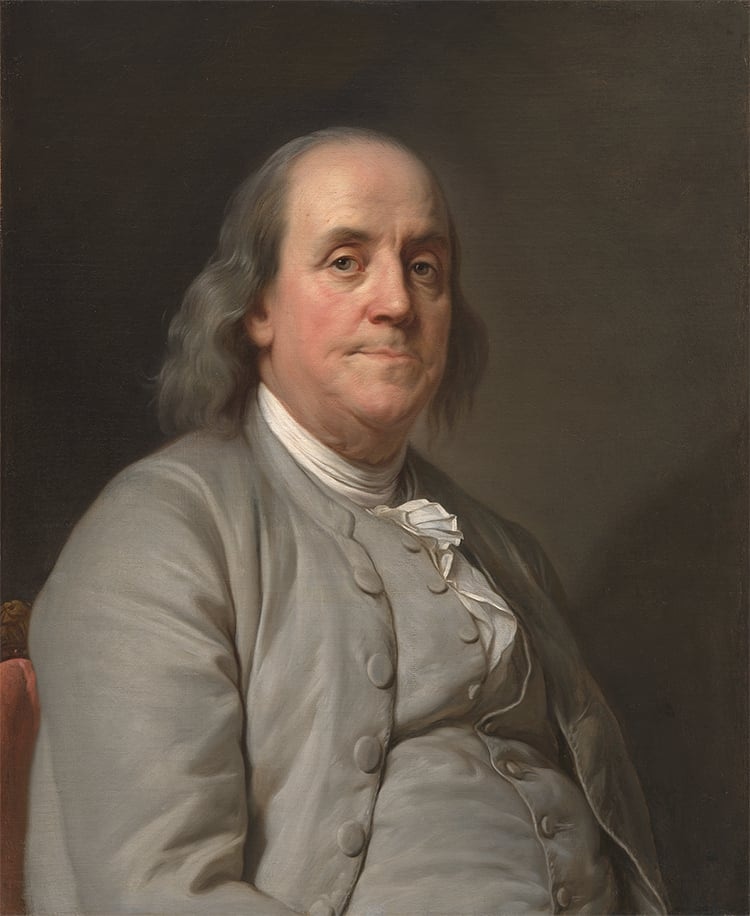
Benjamin Franklin
 United States
polymath•statesman•inventor•publisher
Also known as: Silence Dogood, Richard Saunders
Compleanno
January 17, 1706
Segno Zodiacale
Capricorn
Luogo di Nascita
Boston, Massachusetts Bay Colony
Età
Morto/a a 84 anni
Altezza
5 ft 9 in (175 cm)
Informazioni
Benjamin Franklin è stato un poliedrico americano e uno dei Padri Fondatori degli Stati Uniti. Fu un importante stampatore, editore, scienziato, inventore e diplomatico. A partire dal 2026, la sua immagine è immediatamente riconoscibile sulla banconota da 100 dollari, e la sua eredità spazia dall'innovazione civica alla scoperta dell'elettricità e alla diplomazia internazionale. Franklin fu l'unica persona a firmare tutti e quattro i documenti fondanti degli Stati Uniti: la Dichiarazione di Indipendenza, il Trattato di Alleanza con la Francia, il Trattato di Parigi e la Costituzione. Servì anche come primo direttore generale delle poste della nazione e come Presidente della Pennsylvania.
Il lavoro scientifico di Franklin lo rese un gigante dell'Illuminismo americano. Il suo esperimento con l'aquilone dimostrò che il fulmine è elettricità, portando all'invenzione del parafulmine. Inventò anche i bifocali, la stufa Franklin e l'armonica a bicchieri, e tracciò la Corrente del Golfo. Come editore, fece della Pennsylvania Gazette il giornale più influente delle colonie e divenne ricco con il Poor Richard's Almanack. Fondò la Library Company, l'Università della Pennsylvania e il primo corpo dei vigili del fuoco di Filadelfia.
Nella cultura popolare, Franklin è stato interpretato da attori come James Woods e Orson Welles, apparendo in oltre 200 film e programmi TV. La sua vita continua a ispirare documentari, miniserie e biografie, consolidando il suo posto come l'uomo del Rinascimento americano per eccellenza.
Primi Anni e Background
Franklin nacque il 17 gennaio 1706 a Boston, decimo figlio di Josiah Franklin, un fabbricante di sapone e candele, e di Abiah Folger. Era uno di 17 figli. La sua istruzione formale terminò all'età di 10 anni, dopo di che lavorò nel negozio del padre. A 12 anni, fu apprendista presso suo fratello maggiore James, un tipografo. Questo apprendistato lo espose al mondo delle idee e della scrittura. Contribuì segretamente con saggi al giornale di James, il New-England Courant, sotto lo pseudonimo di Silence Dogood. I saggi erano popolari, ma quando James scoprì l'inganno, nacque tensione tra di loro.
Nel 1723, dopo un litigio con James, Franklin fuggì a Filadelfia, arrivando all'età di 17 anni con pochi soldi. Trovò lavoro in tipografie e attirò l'attenzione del governatore della Pennsylvania Sir William Keith, che promise di aiutarlo ad avviare un'attività. Franklin viaggiò a Londra per comprare attrezzature, ma le promesse di Keith si rivelarono vuote. Bloccato, Franklin lavorò per due anni in tipografie londinesi, affinando le sue abilità e risparmiando denaro. Tornò a Filadelfia nel 1726 e lavorò come impiegato, contabile e tipografo. Nel 1728, aprì la sua tipografia con un socio, Hugh Meredith.
Crescita Professionale
Nel 1729, all'età di 23 anni, Franklin rilevò la Pennsylvania Gazette, trasformandola nel giornale più influente delle colonie. Pubblicò anche il Poor Richard's Almanack dal 1732 al 1758, una guida annuale spiritosa che lo rese ricco. Seguirono le sue iniziative civiche: fondò la Library Company nel 1731, la Union Fire Company nel 1736 e contribuì a fondare l'Academy and College of Philadelphia (poi University of Pennsylvania) nel 1749.
La svolta scientifica di Franklin arrivò nel 1752 quando fece volare un aquilone durante un temporale, dimostrando che il fulmine è elettricità. Ciò portò al parafulmine e gli valse fama internazionale. Fu eletto Fellow della Royal Society nel 1756 e ricevette lauree honoris causa da Harvard, Yale e dal College of William & Mary. Come diplomatico, servì come agente coloniale a Londra dal 1757 al 1775, dove contribuì a ottenere l'abrogazione dello Stamp Act nel 1766. Durante la Rivoluzione Americana, fu nominato primo ambasciatore degli Stati Uniti in Francia nel 1776. Il suo fascino e intelletto assicurarono cruciali aiuti finanziari e militari francesi, cambiando le sorti della guerra. Negoziò il Trattato di Alleanza con la Francia nel 1778 e firmò il Trattato di Parigi nel 1783, ponendo fine al conflitto. Successivamente, come delegato alla Convenzione Costituzionale del 1787, contribuì a elaborare il Grande Compromesso. Servì come Presidente della Pennsylvania dal 1785 al 1788. Nei suoi ultimi anni, divenne un aperto abolizionista, presentando una petizione al Congresso per porre fine alla schiavitù nel 1790.
Cronologia Carriera
Immagine Pubblica e Stile
La figura pubblica di Franklin è quella del tipico rappresentante dell'Illuminismo americano: spiritoso, pratico e infinitamente curioso. La sua immagine sulla banconota da 100 dollari, paffuto, con gli occhiali e un berretto di pelliccia, è immediatamente riconoscibile. Viene spesso ritratto nei media come l'affascinante e astuto Padre Fondatore, il freddo tra i fondatori. I suoi aforismi dal Poor Richard's Almanack, come "presto a letto e presto alzati rendono un uomo sano, ricco e saggio", permeano la cultura americana. I fan e gli storici spesso si definiscono Franklinisti. La sua voce sui social media è inesistente, ma i suoi scritti continuano a circolare ampiamente attraverso account istituzionali e società storiche. La sua effigie è apparsa più volte sulla copertina della rivista TIME, incluso un numero del 1932 con il titolo "Benjamin Franklin: Strappò il Fulmine dal Cielo e lo Scettro ai Tiranni."
Fama e fandom
Benjamin Franklin remains a towering figure whose influence permeates centuries of global history, tracked continuously by the iFANN Global Fame Rankings. As of August 2026, he holds the position of the 368th most famous person in the world, a standing that has held steady from the previous cycle. Within his specific domain of historical and literary impact, he is recognized as the 19th most famous person in Books & Literature, also maintaining his rank without fluctuation. These placements reflect a legacy that transcends his era, cementing his status not merely as a historical subject but as an enduring icon of American identity. Despite his death nearly two centuries ago, the collective attention paid to his life and works ensures he remains relevant in modern discourse. The audience surrounding him does not operate under a formal moniker or organized fan club structure; rather, it consists of historians, students, and general enthusiasts who engage with his legacy through civic commemorations and educational institutions. While no official fandom name exists for those who revere his contributions, the sheer scale of his recognition confirms his permanent place in the global consciousness.
Curiosità e leggende
Benjamin Franklin was a vegetarian for a time and an avid chess player, later inducted into the U.S. Chess Hall of Fame. He proposed the turkey as the national symbol, calling the bald eagle a bird of bad moral character. Franklin invented a long arm for reaching books from high shelves and designed anti-counterfeiting measures for colonial paper currency. He was the first person to map the Gulf Stream and famously refused to patent the lightning rod, donating the idea to the public. His face on the $100 bill was chosen in 1914, representing thrift and industry, and he was inducted into the National Inventors Hall of Fame in 1973. A story fans still retell is the kite experiment, where Franklin allegedly flew a kite during a thunderstorm to prove that lightning is electrical. While historians note the dramatic image may be embellished, the event remains a documented scientific pursuit from the mid-18th century. Another iconic moment involves his quip at the Constitutional Convention in 1787, stating "A Republic, if you can keep it," which symbolizes the fragility of democracy. In August 2026, a lifelike statue of Franklin was lent to the Museum of Printing, and his famous "Join or Die" snake cartoon was featured in local Philadelphia news, highlighting the enduring visual iconography associated with him. His diplomatic success in France was so profound that he was lionized abroad, securing crucial support for the American Revolution while serving as a bridge between nations.
Citazioni Notevoli
“Well done is better than well said.”
“There never was a good war or a bad peace.”
“They that can give up essential liberty to obtain a little temporary safety deserve neither liberty nor safety.”
“In this world nothing can be said to be certain, except death and taxes.”
“An investment in knowledge pays the best interest.”
Famiglia e Vita Privata
Franklin era figlio di Josiah Franklin, un fabbricante di sapone e candele, e di Abiah Folger. Aveva 16 fratelli. Contrasse un matrimonio di diritto comune con Deborah Read nel 1730. Insieme allevarono due figli: Francis Folger Franklin, morto di vaiolo all'età di 4 anni, e Sarah Franklin Bache. Allevarono anche il figlio illegittimo di Franklin, William, la cui identità della madre rimane sconosciuta. William divenne in seguito l'ultimo governatore coloniale del New Jersey e un lealista, causando una frattura permanente con suo padre. Deborah gestì l'attività di stampa della famiglia durante le lunghe assenze di Franklin all'estero. Morì nel 1774.
Collegamenti Notevoli
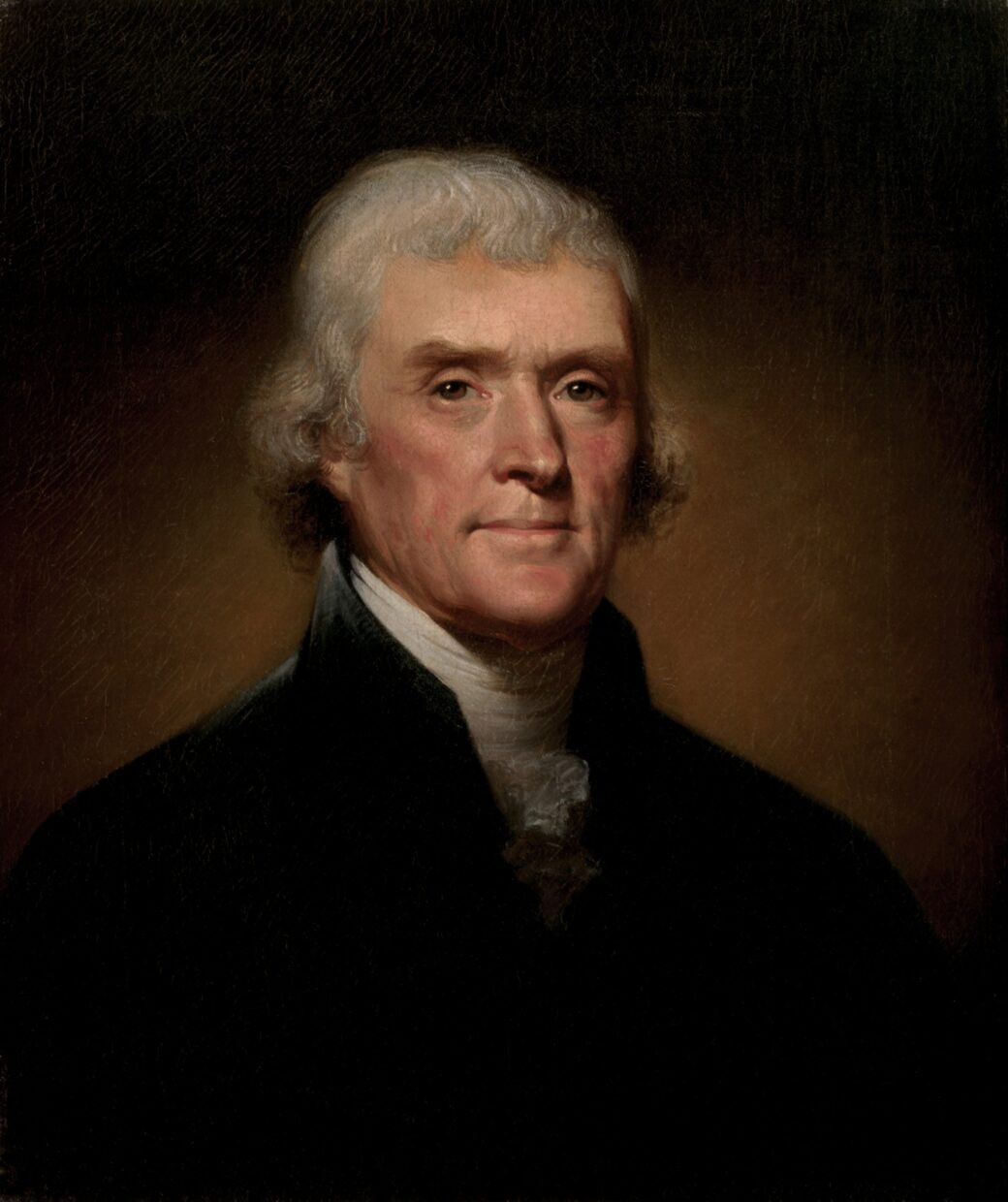
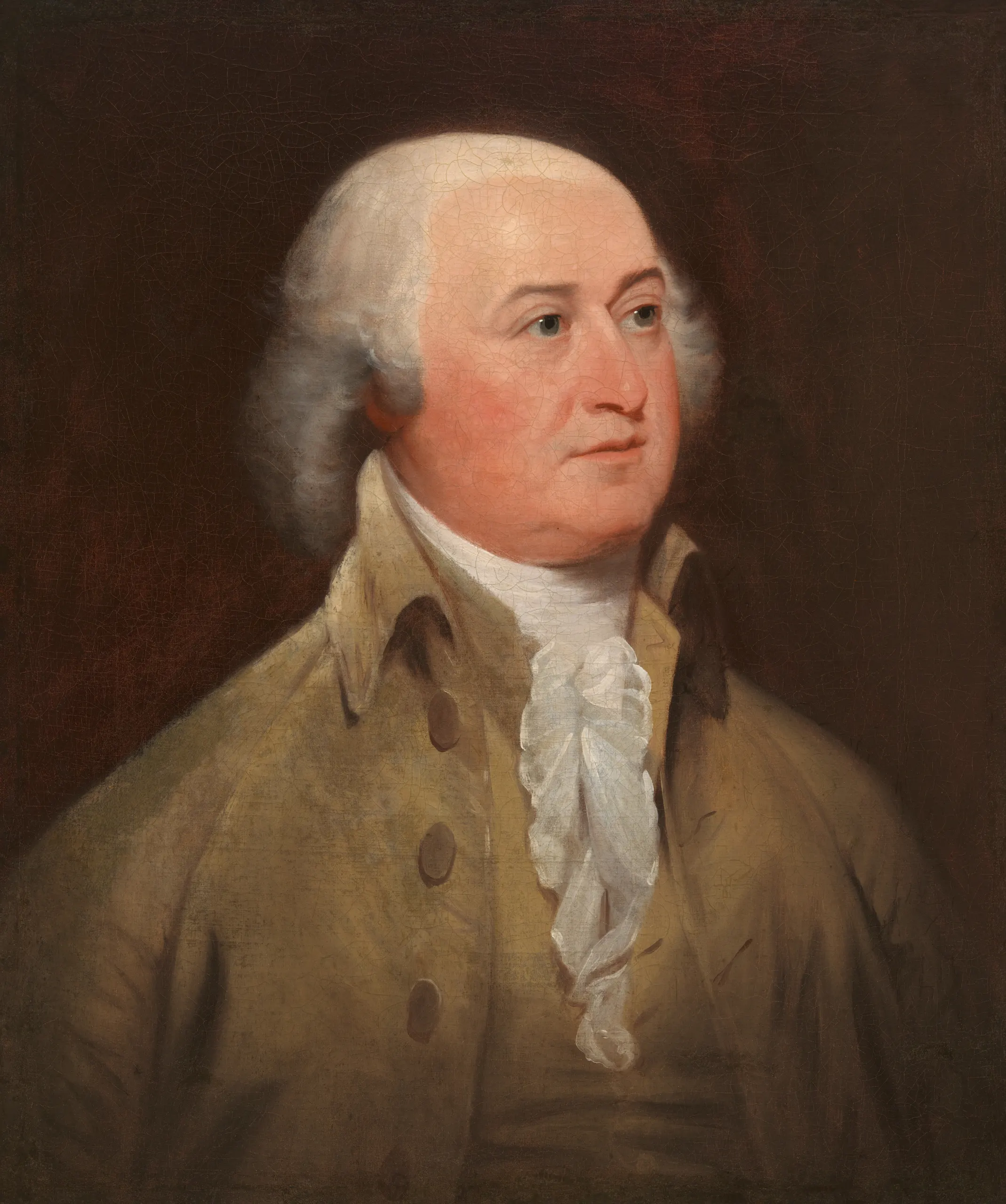
Franklin fu contemporaneo e collega di George Washington, Thomas Jefferson e John Adams, con cui servì nel Congresso Continentale e come diplomatico. Corrispose ampiamente con lo scienziato Joseph Priestley. Suo figlio, William Franklin, fu governatore lealista del New Jersey. In Francia, lavorò a stretto contatto con Pierre-Augustin Caron de Beaumarchais per ottenere armi per la Rivoluzione Americana.
Relazioni e Storia Dating
Franklin contrasse un matrimonio di diritto comune con Deborah Read il 1° settembre 1730, dopo che era stata abbandonata dal suo primo marito. Ebbero due figli insieme: un figlio, Francis Folger Franklin (1732–1736), morto di vaiolo, e una figlia, Sarah Franklin Bache (1743–1808). Allevarono anche il figlio illegittimo di Franklin, William, nato intorno al 1730, la cui identità della madre rimane sconosciuta. Deborah gestì l'attività di stampa della famiglia durante i lunghi soggiorni all'estero di Franklin e morì nel 1774. Mentre era ambasciatore in Francia, Franklin sviluppò una stretta amicizia, flirtante e intellettuale, con Madame Brillon de Jouy, una compositrice e musicista sposata, caratterizzata da lettere giocose e performance musicali. Dopo la morte di Deborah, propose matrimonio a Madame Helvétius, una prominente salonnière, ma lei rifiutò. Rimasero amici intimi. A partire dal 2026, Franklin morì vedovo all'età di 84 anni.
- Sposato/aDeborah Read1730 - 1774Matrimonio di diritto comune; gestì la sua attività di stampa mentre lui era all'estero. Ebbero due figli insieme.
- Uscito/aWilliam Franklin1730 - 1730Figlio illegittimo; identità della madre sconosciuta. Cresciuto da Franklin e Deborah. In seguito divenne governatore lealista, causando una frattura.
- Uscito/aMadame Brillon de Jouy1777 - 1790Compagna intellettuale e amica flirtante mentre era in Francia; compositrice e musicista sposata.
- Uscito/aMadame Helvétius1779 - 1780Franklin le propose di sposarlo; lei rifiutò. Rimasero amici intimi.
Morte e conseguenze
Morto/a
April 17, 1790 (a 84 anni)
Luogo di morte
Philadelphia, Pennsylvania, USA
Causa della morte
Complications from pleurisy
Upon hearing of his passing, George Washington ordered a full military funeral procession and the suspension of official business in the Continental Congress for ten days. Tributes poured in from peers, including John Adams, who eulogized Franklin as a man whose life was a monument of human virtue. While modern metrics like streaming surges or social media vigils did not exist, the era's equivalent was seen in the widespread publication of eulogies in newspapers such as The Pennsylvania Gazette and the holding of public memorial services in churches and town halls throughout the United States and France. Benjamin Franklin died on April 17, 1790, at his home located at 36 Market Street in Philadelphia, Pennsylvania.
He was 84 years old at the time of his death, having been born on January 17, 1706. The cause of his death is historically recorded as complications from pleurisy, a condition characterized by inflammation of the lining of the lungs, which had severely compromised his breathing. Contemporary accounts indicate that Franklin suffered from severe pain and difficulty breathing for several days prior to his passing. His final days were spent in bed at his residence, where he was attended by family members and physicians. Franklin's funeral took place on April 21, 1790, four days after his death, and was one of the largest public gatherings in Philadelphia history at the time.
The procession included over 20,000 mourners, a figure representing a significant portion of the city's population, and featured a massive cortege of civic leaders, government officials, and foreign dignitaries. Notable attendees included President George Washington, who led the procession and carried Franklin's coffin as a pallbearer, alongside Vice President John Adams and other members of the Supreme Court and Congress. The service was held at Christ Church in Philadelphia, followed by burial in the graveyard of the Old Presbyterian Meeting House (now known as the First Presbyterian Church) on 5th and Arch Streets. In the posthumous period, Franklin's estate was handled by his grandson, William Temple Franklin, who managed the distribution of assets according to his will.
Over subsequent centuries, numerous honors have been bestowed upon him: he was inducted into the Hall of Fame for Great Americans in 1900, and the U.S. Postal Service issued its first commemorative stamp featuring Franklin in 1847. A vast number of institutions bear his name, including the University of Pennsylvania, the Franklin Institute, and the Benjamin Franklin Bridge. His autobiography remains a classic of American literature, and he has been the subject of countless biographies, films, and plays.
Patrimonio (Valore immobiliare)
$10 Million
Stima del team editoriale di iFANN
Benjamin Franklin died in 1790, leaving an estate that was modest by modern standards. The bulk of his wealth came from his printing and publishing business, the sale of Poor Richard's Almanack, and his government salaries. He famously refused to patent the lightning rod, donating the idea to the public. In his will, he left £1,000 each to Boston and Philadelphia, to be loaned to young apprentices for 200 years. By 1990, the Philadelphia fund had grown to over $6.5 million. As of 2026, his estate is not managed as a single entity; his papers are published by the American Philosophical Society and Yale University. His image on the $100 bill is public domain, and licensing of his name and likeness is not centrally controlled. Per iFANN's editorial analysis, Benjamin Franklin's net worth is estimated at $10 Million.
Premi e Lodi
View 9 records, honours and achievementsNoto Per
Declaration of Independence
1776 · Drafter and Signer
Treaty of Paris
1783 · Negotiator and Signer
U.S. Constitution
1787 · Delegate and Signer
Lightning Rod
1752 · Inventor
Poor Richard's Almanack
1732 · Publisher and Author
Parole chiave
Fatti Rapidi
- Professione
- polymath, statesman, inventor, publisher
- Nato/a
- January 17, 1706
- Luogo di Nascita
- Boston, Massachusetts Bay Colony
- Morto/a
- April 17, 1790
- Luogo di morte
- Philadelphia, Pennsylvania, U.S.
- Genere
- Maschio
- Coniuge
- Deborah Read Franklin
- Segno Zodiacale
- Capricorn
- Altezza
- 5 ft 9 in (175 cm)
Dettagli Personali
- Nome Completo
- Benjamin Franklin
- Altezza
- 5 ft 9 in (175 cm)
- Coniuge
- Deborah Read Franklin
- Figli
- William Franklin (illegitimate), Francis Folger Franklin, Sarah Franklin Bache
- Istruzione
- Less than two years of formal schooling; self-taught
Domande Frequenti
Quanti anni aveva Benjamin Franklin quando morì?
Qual è il patrimonio di Benjamin Franklin nel 2026?
Perché Benjamin Franklin è sulla banconota da 100 dollari?
Benjamin Franklin ha inventato la lampadina?
Benjamin Franklin era un presidente?

Unisciti alla community
fan che discutono