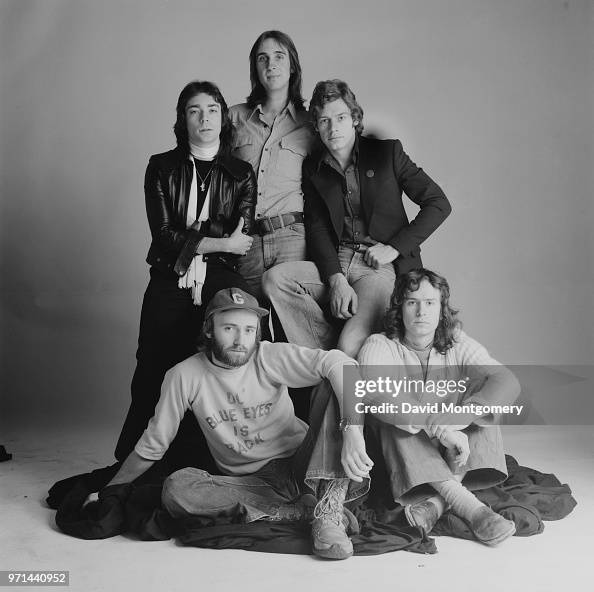
Bill Bruford
 United Kingdom
Member of Genesis
drummer•jazz musician•musician
Also known as: William Scott Bruford
Compleanno
May 17, 1949
Segno Zodiacale
Taurus
Luogo di Nascita
Sevenoaks, Kent, England
Età
77 anni
Altezza
5 ft 10 in (178 cm)
Informazioni
Bill Bruford è un batterista e percussionista inglese considerato uno dei musicisti più innovativi e rispettati emersi dal progressive rock. Ha guadagnato notorietà come membro fondatore degli Yes, dove la sua batteria nitida, precisa e inventiva, che attingeva pesantemente al fraseggio jazz piuttosto che al semplice mantenimento del tempo rock, ha contribuito a plasmare il sound intricato della band negli album fondamentali dei primi anni '70. Il suo approccio distintivo e melodico alla batteria ha stabilito un nuovo standard per il genere. Irrequieto e poco interessato al comfort commerciale, Bruford lasciò gli Yes al culmine del loro successo per unirsi ai più sperimentali King Crimson, iniziando una lunga collaborazione con quella band attraverso diverse sue incarnazioni. Nel corso della sua carriera ha suonato e registrato con una notevole varietà di artisti, inclusi i Genesis e il supergruppo U.K., e ha guidato i propri progetti jazz-fusion ed elettronici. La sua volontà di seguire la sua curiosità artistica piuttosto che inseguire la fama è diventata una caratteristica distintiva del suo percorso. Negli ultimi anni si è dedicato completamente al jazz acustico con il suo gruppo Earthworks prima di ritirarsi dalle esibizioni pubbliche, e si è dedicato alla scrittura e allo studio accademico della musica e della batteria. Cerebrale e intransigente, è ammirato come un batterista per musicisti pensanti. Bill Bruford è celebrato come uno dei grandi percussionisti del rock e un impavido esploratore musicale.
Primi Anni e Background
Crescendo a Sevenoaks, nel Kent, Bruford costruì la sua prima batteria con oggetti domestici prima di ottenere un set vero. Frequentò la Tonbridge School, una scuola indipendente, dove inizialmente suonò il pianoforte prima di passare alla batteria a 13 anni dopo aver sentito il batterista jazz Joe Morello e i Beatles. La sua prima band seria fu un gruppo semi-professionale chiamato The Breed. Il momento cruciale arrivò a 17 anni quando rispose a un annuncio sul Melody Maker pubblicato dal bassista Chris Squire e dal cantante Jon Anderson. La band si chiamava inizialmente Mabel Greer's Toyshop ma presto si riformò come Yes. I primi concerti professionali di Bruford con gli Yes furono cover nei club londinesi, ma la band sviluppò rapidamente il suo sound complesso e sinfonico.
Crescita Professionale
Bruford co-fondò gli Yes nel 1968. La sua batteria nei primi due album della band e nel rivoluzionario The Yes Album (1971) lo affermò come un talento di primo piano. Suonò negli album fondamentali degli Yes Fragile e Close to the Edge (1972), con le sue sezioni poliritmiche nella title track e il beat complesso di "Heart of the Sunrise" che divennero immediatamente iconici. Al culmine assoluto del successo commerciale degli Yes, Bruford sconvolse il mondo della musica lasciando la band nel 1972, citando il desiderio di una musica più sperimentale. Si unì ai King Crimson, registrando Larks' Tongues in Aspic (1973), Starless and Bible Black (1974) e Red (1974). Nel 1977 si unì al supergruppo U.K., pubblicando il loro omonimo debutto. Formò la band jazz-fusion Bruford nel 1978, pubblicando Feels Good to Me. All'inizio degli anni '80 suonò la batteria nei Genesis in Duke (1980) e Abacab (1981) come musicista session/tour. Si riunì ai King Crimson per la loro incarnazione degli anni '80, registrando Discipline (1981), Beat (1982) e Three of a Perfect Pair (1984). Nel 1986 formò il gruppo jazz Earthworks, che divenne il suo principale sbocco creativo per due decenni. Suonò anche con gli Anderson Bruford Wakeman Howe nel 1990 e fece un tour con i King Crimson di nuovo nel 1995. Bruford si ritirò dalle esibizioni pubbliche nel 2009, concentrandosi sul lavoro accademico e sulla scrittura.
Cronologia Carriera
Immagine Pubblica e Stile
La persona pubblica di Bruford è quella di un musicista intellettuale, preciso e innovativo. Conosciuto per la sua presenza scenica fredda e analitica e l'uso di poliritmi complessi e tempi dispari, appariva spesso in abito o abbigliamento casual elegante. I media lo ritraggono come il "batterista pensante", un musicista che ha dato priorità all'integrità artistica rispetto al successo commerciale. I fan dibattono sulla sua migliore epoca, Yes vs. King Crimson vs. Earthworks, e le sue parti di batteria in Close to the Edge e Larks' Tongues in Aspic sono frequentemente analizzate e coperte su YouTube. Non esiste un nome ufficiale per i fan; di solito ci si riferisce a loro come appassionati di prog rock o King Crimson.
Fama e fandom (iFAMOUS Rankings)
Bill Bruford's legacy as a drummer is monumental, yet his place in the pantheon of fame is curiously unquantified. As of August 2026, iFANN's Global Fame Engine has evaluated Bruford but he does not currently hold a placement in the published rankings, neither in the Global Top 1,000 nor in any Top-100 scope list. This absence speaks not to his influence, which is vast, but to the nature of his fame, which is deep rather than broad.
His fanbase, though dedicated, has never coalesced under a formal name. There are no Bruford-heads or Brufordites; instead, his followers identify through the bands he elevated, Yes fans, King Crimson fans, prog rock enthusiasts. They are a knowledgeable, archival community, celebrating his recorded legacy with the reverence of scholars. This is a fame built on respect, not mass adoration, and it thrives in the digital spaces where his performances are dissected and shared.
The irony is that Bruford's fame, while unranked, is undeniable. His drumming on 'Heart of the Sunrise' or 'Larks' Tongues in Aspic' is legendary among musicians and fans alike. His departure from Yes at their peak, his brief but memorable stint with Genesis, and his later jazz explorations with Earthworks have all become touchstones of progressive rock history. In the words of Phil Collins, he was a drummer 'out of everyone's league.' Yet, in the eyes of iFANN's rankings, he remains an unplaced titan, a reminder that fame's metrics often miss the quiet giants.
Curiosità e leggende
Bruford's decision to leave Yes in 1972 was so sudden that the band's management scrambled to find Alan White as a replacement. He described it as 'jumping out of the frying pan into the fire.' In the 1980s King Crimson, he sometimes played without a bass drum, using two floor toms as a substitute. He was an early adopter of electronic percussion, using Simmons drums extensively in the 1980s. He earned a PhD in Music from the University of Surrey in 2016 for his research on performance practice. His signature drum pattern on 'Heart of the Sunrise' is a famously complex syncopated pattern. He has stated he always considered himself a jazz drummer who happened to play rock music.
One of the most retold stories from his career is his 1976 tour with Genesis, when he filled in for Phil Collins, who moved to vocals. The arrangement was unusual and reportedly frustrated the band, but it produced memorable live recordings. Phil Collins later called Bruford the one drummer 'out of my reach,' a quote that has become part of Bruford's legend. Another story that fans still discuss is his brief 'comeback gig' in January 2026 in Tyneside, which surprised many who thought he had retired for good.
Citazioni Notevoli
“I left Yes because I didn't want to become a millionaire. I wanted to be a musician.”
“The most important thing is to be true to yourself. Don't play what you think people want to hear. Play what you want to hear.”
“Drumming is not about hitting things. It's about creating a narrative, a story with rhythm.”
“I was never a rock drummer. I was a jazz drummer who found himself in a rock band.”
Famiglia e Vita Privata
Bruford ha sposato sua moglie, Carolyn, all'inizio degli anni '70. Hanno due figli. Ha tenuto la sua vita familiare molto privata, raramente discutendo del suo matrimonio o dei figli nelle interviste. Ha dichiarato che Carolyn è stata un supporto cruciale durante i suoi frenetici anni di tour. La famiglia vive nel Surrey, in Inghilterra.
Collegamenti Notevoli
Bruford ha collaborato estesamente con Chris Squire, Jon Anderson e Robert Fripp. Ha anche lavorato con Tony Banks, Phil Collins, John Wetton, Allan Holdsworth e Eddie Jobson in progetti come Genesis, U.K. e le sue band.
Relazioni e Storia Dating
Bill Bruford ha sposato Carolyn nei primi anni '70. La coppia ha due figli. Bruford ha mantenuto il suo matrimonio molto privato, raramente ne parla nelle interviste, ma ha riconosciuto Carolyn come un supporto fondamentale durante i suoi anni turbolenti di tournée. Non è mai stato pubblicamente legato a nessun'altra persona. A partire dal 2026, è ancora sposato con Carolyn.
- Sposato/aCarolyn Bruford1972 - presenteCorrenteSposato nei primi anni '70; hanno due figli.
Stipendio, patrimonio nel 2026
$10 Million
Stima del team editoriale di iFANN
iFANN currently estimates Bill Bruford's net worth at $10 million. This wealth stems from decades of recording and touring with Yes, King Crimson, Genesis, U.K., and his own projects like Bruford and Earthworks. Album sales and royalties from landmark albums such as Close to the Edge, Fragile, Larks' Tongues in Aspic, and Discipline provide ongoing income. Major tours with Yes, King Crimson, and Genesis contributed substantial earnings. He also receives book royalties from his autobiography and a salary from his professorship at the University of Surrey. Long-time endorsement deals with Paiste cymbals and Tama drums add to his income. He owns a home in Surrey, England. The net worth has remained stable since his retirement from performance in 2009.
Premi vinti (3)
Bill Bruford ha ricevuto relativamente pochi premi mainstream, ma il suo riconoscimento deriva dal plauso della critica e dalla sua influenza. È stato inserito nella Modern Drummer Hall of Fame nel 1993 e ha ricevuto un dottorato onorario dall'Università del Surrey nel 2017. Ha anche vinto un Progressive Music Award da Prog Magazine per i suoi contributi.
1993 · Hall of Fame
Lifetime Achievement
2017 · Laurea Honoris Causa
Contributions to Music
Noto Per
Feels Good to Me
1978 · Drummer, bandleader
Earthworks
1986 · Founder, bandleader
Bill Bruford: The Autobiography
2016 · Autore
Parole chiave
Fatti Rapidi
- Professione
- drummer, jazz musician, musician
- Nato/a
- +1949-05-17
- Luogo di Nascita
- Sevenoaks
- Genere
- Maschio
- Segno Zodiacale
- Taurus
Dettagli Personali
- Nome Completo
- William Scott Bruford
- Altezza
- 5 ft 10 in (178 cm)
- Coniuge
- Carolyn Bruford
- Figli
- 2
- Istruzione
- Tonbridge School; PhD in Music, University of Surrey
Domande Frequenti
Perché Bill Bruford ha lasciato gli Yes?
Bill Bruford suona ancora la batteria?
Bill Bruford ha suonato con i Genesis?
Qual è il patrimonio di Bill Bruford?
Con chi è sposato Bill Bruford?
Social Media
Unisciti alla community
fan che discutono