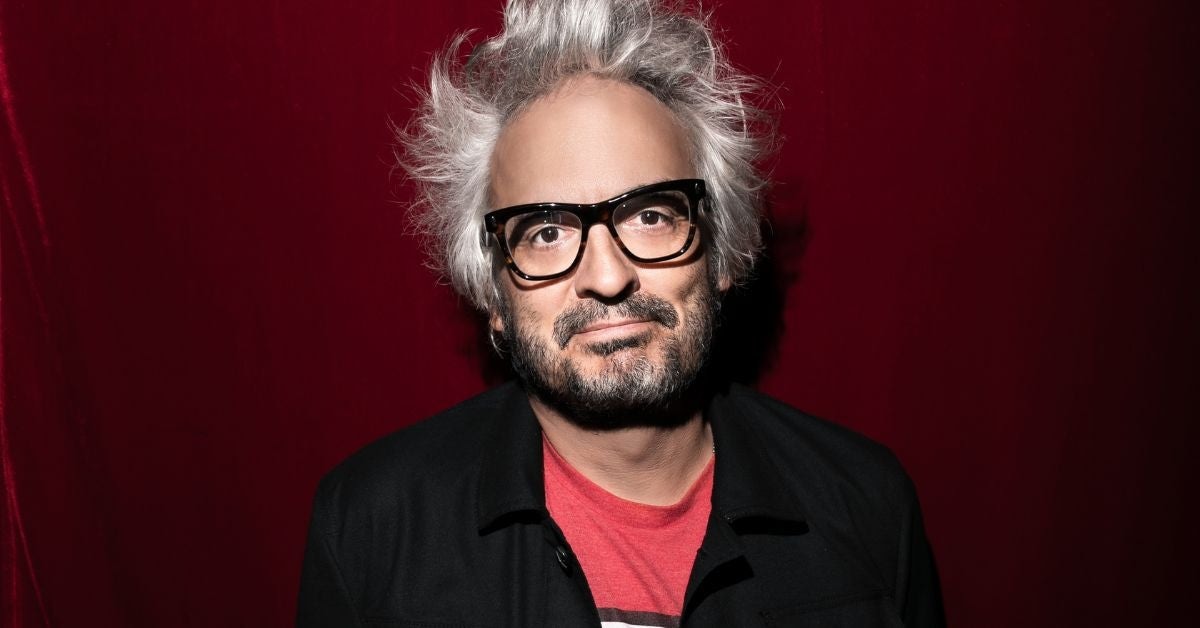
Byron Kennedy
 Australia
film producer•cinematographer•screenwriter
Compleanno
August 18, 1949
Segno Zodiacale
Leo
Luogo di Nascita
Melbourne, Victoria, Australia
Età
Morto/a a 33 anni
Altezza
5 ft 10 in (178 cm)
Informazioni
Byron Kennedy è stato un produttore cinematografico, direttore della fotografia e sceneggiatore australiano che ha co-creato il franchise di Mad Max con George Miller. Nato il 18 agosto 1949 a Melbourne, morì tragicamente giovane in un incidente in elicottero il 17 luglio 1983 all'età di 33 anni. Nel corso della sua breve carriera, Kennedy ha lavorato a circa una dozzina di film e progetti televisivi, lasciando un segno indelebile nel cinema australiano.
Primi Anni e Background
Byron Kennedy è cresciuto nei sobborghi orientali di Melbourne, figlio di un medico e di un'infermiera. Lo studio medico del padre forniva una casa confortevole, ma il giovane Byron era molto più interessato alla narrazione che alla scienza. Costruì una camera oscura nel garage di famiglia ed elaborava le proprie pellicole, prendendo spesso in prestito la fotocamera 8mm del padre per girare cortometraggi con gli amici del quartiere. Alla Melbourne High School, organizzava proiezioni di film e scriveva per la rivista scolastica, trascorrendo il tempo libero nei cinema invece di studiare.
Dopo la laurea, Kennedy si iscrisse all'Università del Nuovo Galles del Sud per studiare medicina, seguendo le aspettative familiari. Lì incontrò il compagno di studi di medicina George Miller, e la loro comune ossessione per il cinema creò un legame immediato. Iniziarono a realizzare cortometraggi nei fine settimana, con Kennedy alla macchina da presa e Miller alla regia. Nel 1971 co-direttero Violence in the Cinema, Part 1, un pezzo satirico di sette minuti che vinse il Grierson Award al Sydney Film Festival. Quella vittoria diede loro la fiducia necessaria per tentare un lungometraggio. Kennedy abbandonò la facoltà di medicina per dedicarsi al cinema a tempo pieno, mentre Miller completò la sua laurea ma continuò a collaborare.
Prima di Mad Max, Kennedy lavorò come cameraman in film australiani a basso budget e spot televisivi, costruendo una reputazione di ingegnosità tecnica e intraprendenza. Acquistò una cinepresa Bolex 16mm con i soldi risparmiati da lavori part-time. Il momento cruciale arrivò quando convinse l'Australian Film Commission a investire $350.000 in Mad Max dopo molteplici rifiuti da parte di altri enti di finanziamento.
Crescita Professionale
Nel 1979, Mad Max arrivò nelle sale. Kennedy ricoprì i ruoli di produttore, direttore della fotografia e co-sceneggiatore non accreditato. Il film fu realizzato con un budget ridottissimo di $350.000 AUD ma incassò oltre $100 milioni in tutto il mondo, diventando uno dei film più redditizi di sempre in termini di rapporto costo-incasso. Lanciò il genere d'azione post-apocalittico e rese Mel Gibson una star.
Il sequel del 1981, Mad Max 2: The Road Warrior, ampliò l'estetica cruda del franchise. Kennedy produsse e fu direttore della fotografia della seconda unità. Con un budget di $4 milioni AUD, incassò $36 milioni USD in tutto il mondo ed è ampiamente considerato uno dei più grandi film d'azione mai realizzati. Il film vinse l'Australian Film Institute Award per il Miglior Film nel 1982.
Kennedy co-scrisse e girò anche il thriller nucleare The Chain Reaction, uscito nel 1983. Dopo la sua morte, Kennedy Miller Productions continuò a produrre importanti opere australiane tra cui Mad Max Beyond Thunderdome (1985), The Year My Voice Broke (1987) e Babe (1995).
Cronologia Carriera
Immagine Pubblica e Stile
Byron Kennedy è ricordato come un produttore visionario e innovatore tecnico, un artigiano quieto e intenso che preferiva lavorare dietro la macchina da presa. Le rappresentazioni mediatiche enfatizzano la sua partnership con George Miller come una dinamica yin-yang: Miller il sognatore immaginativo, Kennedy il realista pratico che rendeva possibile l'impossibile con budget ridottissimi. La sua estetica era grezza, viscerale e intraprendente, riflessa nel caos controllato dei film di Mad Max. I fan del franchise, che si definiscono spesso Wastelanders o Road Warriors, organizzano maratone annuali nell'anniversario dell'uscita del primo film. Forum online come il Mad Max Fan Forum e il subreddit r/MadMax discutono frequentemente dei contributi di Kennedy.
Fama e fandom
Byron Kennedy remains a towering figure within the Mad Max franchise community, revered not for a formalized fan club but for his foundational role in creating one of cinema's most enduring action sagas. While the broader audience identifies as fans of the films themselves, this dedicated group actively preserves his memory through online memorials and discussions on platforms like Reddit, often gathering to commemorate significant anniversaries of his life and work. The industry itself honors his legacy through the AACTA Byron Kennedy Award, a reflection of the creative enterprise he championed before his untimely death. Despite his immense influence, iFANN has evaluated his global standing and determined that he currently holds no placement in the published Global Top 1,000 rankings or any Top-100 scope lists. This absence from the current charts reflects the unique nature of his fame: a deep, historical resonance rather than a contemporary viral presence. The iFANN Global Fame Engine confirms that while his name is instantly recognized by cinephiles worldwide, it does not currently register with the volume required for a ranked position in the general population. Fans do not utilize a specific moniker for their collective identity, nor are there recorded instances of organized fan-funded campaigns or street-level rituals dedicated solely to him. His relationship with the public is entirely posthumous, mediated through the gritty aesthetic of the films he helped build alongside George Miller. The lack of a formal fandom name underscores how his legend is woven into the fabric of the franchise history rather than existing as a separate pop culture phenomenon.
Curiosità e leggende
Kennedy taught himself to fly helicopters specifically for location scouting on Mad Max 2, logging over 500 flight hours during production. He personally designed the iconic interceptor car, a 1973 Ford Falcon XB GT coupe, sourcing it from a junkyard to serve as the film's centerpiece vehicle. Although his cinematography was rough, Kennedy refused credit on Mad Max because he felt it lacked polish, yet George Miller insisted on acknowledging his contribution. His father initially refused to speak to him after he dropped out of medical school, but they reconciled only after Mad Max became a massive hit. Kennedy never saw the final cut of The Road Warrior, dying two weeks before its Australian premiere. His funeral drew over 500 mourners, including Australian Prime Minister Bob Hawke. A lasting legend surrounds his tragic death in a helicopter crash near Sydney on July 17, 1983, while carrying equipment for what would become Mad Max Beyond Thunderdome. This event is widely cited as the moment the original creative team of the franchise was severed forever, casting a somber shadow over the series' mythology. Fans still retell the story of how his practical realism made the impossible possible on tiny budgets, turning resourcefulness into an art form that defined the franchise's visual style.
Citazioni Notevoli
“I don't think of myself as a producer. I think of myself as a filmmaker who happens to handle the money.”
“George and I have the same brain, just different halves.”
“We made Mad Max for less than it costs to make a television commercial. And I think that shows what you can do if you have passion and you're willing to sleep in your car.”
“The helicopter is the only way to see the landscape properly. From the ground, you miss the patterns.”
“I want to make films that feel like they're going to explode. That's the energy I'm after.”
Famiglia e Vita Privata
Kennedy nacque in una famiglia di medici a Melbourne. Suo padre era un medico e sua madre un'infermiera. Non aveva fratelli conosciuti. Non si sposò mai e non ebbe figli. Dopo la sua morte, il suo patrimonio passò ai suoi genitori e fratelli. Il trust della famiglia Kennedy gestisce le sue royalties continue dal franchise di Mad Max. Viveva modestamente nonostante il successo dei suoi film, preferendo reinvestire i profitti nella casa di produzione.
Collegamenti Notevoli
Byron Kennedy è strettamente associato a George Miller, suo co-fondatore alla Kennedy Miller Productions e regista dei film di Mad Max. La loro partnership è una delle più celebrate nella storia del cinema australiano. Ha anche lavorato con l'attore Mel Gibson, scritturandolo dopo averlo visto in una produzione teatrale. Altri collaboratori includono il direttore della fotografia David Eggby, il compositore Brian May e l'attore Hugh Keays-Byrne.
Relazioni e Storia Dating
I registri pubblici non indicano alcuna relazione romantica nota. La vita personale di Kennedy era eccezionalmente privata. Biografie di George Miller e storie orali della produzione di Mad Max descrivono Kennedy come sposato con il suo lavoro durante gli intensi periodi di produzione. Nessuna fonte attendibile conferma frequentazioni, fidanzamenti, matrimoni o partnership romantiche. A partire dal 2026, il soggetto è deceduto (morto nel 1983). Non ci sono partner romantici sopravvissuti noti, e nessun figlio è stato identificato in alcuna fonte biografica.
Morte e conseguenze
Morto/a
July 17, 1983 (a 33 anni)
Luogo di morte
off the coast of New South Wales, Australia
Causa della morte
Helicopter crash during aerial photography
The Australian film community mourned deeply when Byron Kennedy passed away, with tributes quickly flowing from peers who recognized his pivotal role in shaping the nation's cinematic landscape. The shock was immediate, particularly among those who had witnessed the global success of the Mad Max franchise he co-created. While specific fan vigils or public chart surges were not documented, the industry response was formal and enduring, centered on honoring his creative legacy rather than a spontaneous outpouring of grief. Kennedy died on July 17, 1983, at the age of 33, during a helicopter crash off the coast of New South Wales while filming promotional material for Mad Max 2: The Road Warrior.
Official reports consistently identify the cause as an aviation accident involving the aircraft he was piloting or riding in. Although some secondary accounts vary slightly on whether he was the pilot or passenger at the exact moment of impact, the consensus remains that the incident occurred during flight operations for the production. In the years following his death, the most significant memorial became the establishment of the Byron Kennedy Award by the Australian Academy of Cinema and Television Arts (AACTA). This honor, now valued at $10,000, celebrates outstanding creative enterprise within the film and television industries and serves as a permanent institutional tribute to his contributions.
His final days were spent working on the post-production and promotional phase of the sequel before the fatal incident, and his home movies along with films like Battle Cry have been preserved by the National Film and Sound Archive as part of Australia's cinematic heritage. Details regarding the specific date or location of his funeral remain unrecorded in available sources, reflecting the private nature of arrangements typical for such sudden tragedies in the early 1980s.
Patrimonio (Valore immobiliare)
$8 Million
Stima del team editoriale di iFANN
As 2026, the estate of Byron Kennedy is estimated at $8 million USD per iFANN's editorial analysis. The primary source of ongoing income stems from royalties generated by Mad Max (1979) and Mad Max 2: The Road Warrior (1981), distributed through Kennedy Miller Productions. These revenues originate from home video sales, streaming licensing on platforms like Netflix and Amazon Prime, television syndication, and merchandise. Kennedy's 50% stake in the production company was inherited by his family, and the estate also receives a share of profits from franchise-related projects, including the 2015 Mad Max: Fury Road and its sequels. The estate is managed by the Kennedy family trust. Specific revenue figures remain private, but the estate has grown steadily since Kennedy's death.
Premi vinti (3)
Byron Kennedy vinse il Grierson Award al Sydney Film Festival del 1971 per il cortometraggio Violence in the Cinema, Part 1, co-diretto con George Miller. Nel 1982, vinse l'Australian Film Institute Award per il Miglior Film come produttore di Mad Max 2: The Road Warrior. L'anno seguente, vinse postumo un altro AFI Award per la Migliore Miniserie Televisiva per The Dismissal.
1983 · Migliore Miniserie Televisiva
The Dismissal
1982 · Miglior film
Mad Max 2: The Road Warrior
Noto Per
Mad Max
1979 · Producer, Cinematographer, Uncredited Co-Writer
Mad Max 2: The Road Warrior
1981 · Producer, Second Unit Cinematographer
The Chain Reaction
1983 · Co-Writer, Cinematographer
Parole chiave
Fatti Rapidi
- Professione
- film producer, cinematographer, screenwriter
- Nato/a
- +1949-08-18
- Luogo di Nascita
- Melbourne, Victoria, Australia
- Morto/a
- +1983-07-17
- Luogo di morte
- Warragamba Dam, New South Wales, Australia
- Genere
- Maschio
- Segno Zodiacale
- Leo
- Altezza
- 5 ft 10 in (178 cm)
- Net Worth
- $8 Million
Dettagli Personali
- Nome Completo
- Byron Kennedy
- Altezza
- 5 ft 10 in (178 cm)
- Istruzione
- University of New South Wales (medical studies, dropped out)
Filmografia
5
Totale
4
Film
1
TV
Domande Frequenti
Come è morto Byron Kennedy?
Qual era il patrimonio di Byron Kennedy nel 2026?
Byron Kennedy aveva figli?
Cos'è il Byron Kennedy Award?
Byron Kennedy era imparentato con la famiglia politica Kennedy?
Persone Simili
Unisciti alla community
fan che discutono