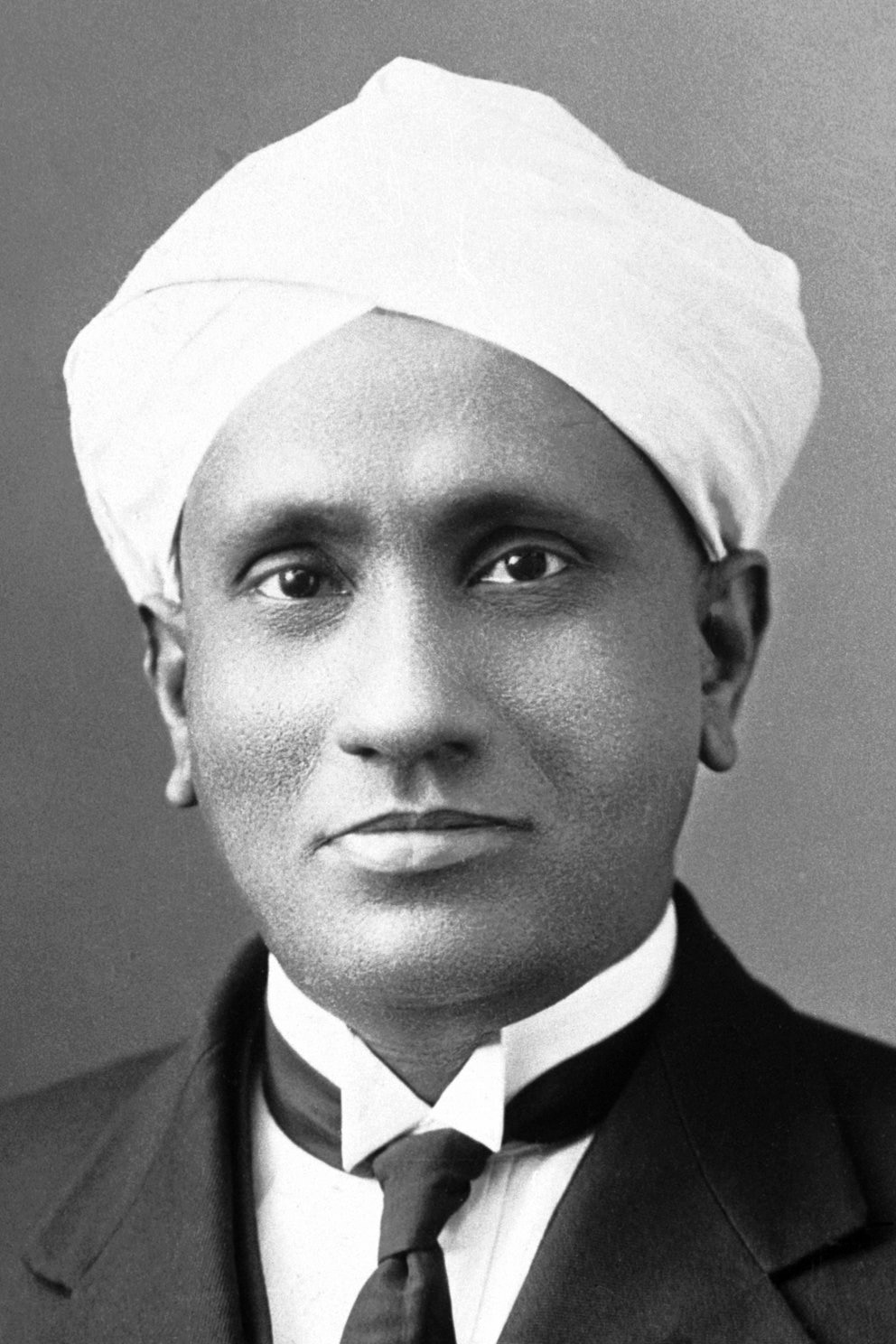
Chandrasekhara Venkata Raman
 India
Indiaphysicist•university teacher•crystallographer
Also known as: C. V. Raman, Sir Chandrasekhara Venkata Raman
Compleanno
November 7, 1888
Segno Zodiacale
Scorpio
Luogo di Nascita
Tiruchirappalli, Tamil Nadu, India
Età
Morto/a a 82 anni
Altezza
5 ft 8 in (173 cm)
Informazioni
Chandrasekhara Venkata Raman è stato un fisico indiano la cui scoperta dell'effetto Raman ha trasformato il modo in cui gli scienziati studiano la struttura molecolare. Rimane il primo asiatico e la prima persona non bianca a vincere un Premio Nobel per la Fisica, un onore ricevuto nel 1930 all'età di 42 anni. Oggi, il nome di Raman è sinonimo dello scattering anelastico della luce, un fenomeno che porta il suo nome ed è usato quotidianamente nei laboratori di tutto il mondo per l'analisi chimica, dalla farmaceutica alla conservazione artistica. Il 28 febbraio è celebrato in tutta l'India come Giornata Nazionale della Scienza, in ricordo del giorno del 1928 in cui osservò per la prima volta l'effetto usando la luce solare e uno spettrografo artigianale che costava meno di 100 rupie.
L'eredità di Raman va oltre il suo lavoro premiato con il Nobel. Fondò l'Indian Journal of Physics nel 1926, l'Accademia Indiana delle Scienze nel 1933 e il Raman Research Institute a Bengaluru nel 1948, dove lavorò fino alla morte. Fu il primo direttore indiano dell'Indian Institute of Science e fece da mentore a una generazione di fisici. Suo nipote Subrahmanyan Chandrasekhar vinse anch'egli un Nobel per la fisica, rendendo la loro famiglia l'unica coppia zio-nipote a raggiungere questo traguardo nelle scienze.
Primi Anni e Background
Raman crebbe in una famiglia accademica a Tiruchirappalli, dove suo padre insegnava matematica e fisica in un college locale. Era il secondo di otto figli e un bambino prodigio fin dall'inizio. A 12 anni aveva superato l'esame di maturità e a 13 aveva completato le scuole superiori. Entrò al Presidency College di Madras a 13 anni, conseguendo una laurea in fisica con lode a 16 e un master a 18, entrambi con i massimi voti e una medaglia d'oro in fisica.
Il suo primo articolo di ricerca, sulla diffrazione della luce, fu pubblicato sul Philosophical Magazine nel 1906 mentre era ancora uno studente laureato. Ma all'inizio del Novecento l'India offriva poche posizioni di ricerca retribuite. Così Raman sostenne l'esame competitivo per l'Indian Finance Service e fu assegnato come Assistente Contabile Generale a Calcutta. Per dieci anni lavorò come impiegato statale di giorno e condusse esperimenti di fisica presso l'Indian Association for the Cultivation of Science di notte e nei fine settimana. In quel decennio pubblicò molto su acustica, ottica e teoria delle vibrazioni, costruendosi una reputazione che alla fine gli valse la prima Cattedra Palit di Fisica all'Università di Calcutta nel 1917.
Un punto di svolta arrivò durante un viaggio per mare in Europa nel 1921. Fissando il profondo Mediterraneo blu, Raman si chiese perché il mare fosse di quel colore. Lo scattering di Rayleigh, che spiega il blu del cielo, non poteva giustificarlo. Quel momento lo mise sulla strada per studiare sistematicamente lo scattering della luce nei liquidi, culminando nella sua scoperta del 1928.
Crescita Professionale
Il 28 febbraio 1928, Raman e il suo studente K. S. Krishnan osservarono che quando la luce monocromatica attraversava un materiale trasparente, una piccola frazione della luce diffusa emergeva a una lunghezza d'onda diversa. Pubblicarono la scoperta su Nature il 31 marzo con il titolo "A New Type of Secondary Radiation." La comunità scientifica ne comprese immediatamente l'importanza: era un modo diretto per sondare le vibrazioni molecolari. Raman fu nominato cavaliere nel 1929 e ricevette il Premio Nobel per la Fisica nel 1930.
Dopo il Nobel, Raman si trasferì a Bengaluru nel 1933 per diventare il primo direttore indiano dell'Indian Institute of Science. Nello stesso anno fondò l'Accademia Indiana delle Scienze. Nel 1948 fondò il Raman Research Institute, dove continuò gli esperimenti sull'ottica dei cristalli e l'acustica degli strumenti musicali; era un abile violinista. Pubblicò oltre 400 articoli nella sua vita. Nel 1954 l'India gli conferì il Bharat Ratna, la più alta onorificenza civile, e nel 1957 l'Unione Sovietica gli diede il Premio Lenin per la Pace.
Cronologia Carriera
Immagine Pubblica e Stile
Raman è venerato in India come un eroe scientifico nazionale. Il suo look caratteristico negli ultimi anni era un dhoti e kurta formali, spesso abbinati a un'espressione intensa e concentrata. Era noto per la sua fiera indipendenza: rinunciò al titolo di cavaliere nel 1948 dopo l'indipendenza dell'India, considerandolo una reliquia coloniale. Le rappresentazioni mediatiche lo ritraevano come un genio solitario che superò risorse limitate. Ogni 28 febbraio, scuole e università in tutta l'India tengono fiere della scienza e conferenze in suo onore. Le sue citazioni sono ampiamente condivise sui social media, specialmente quelle che esortano i giovani indiani a pensare con la propria testa e lavorare sodo.
Fama e fandom
Chandrasekhara Venkata Raman remains a towering figure in the annals of science, his influence extending far beyond the laboratory into the cultural consciousness of India and the global scientific community. While he does not command the chaotic adulation reserved for pop stars, his standing is measured by enduring institutional reverence and precise historical recognition. In the August 2026 cycle of the iFANN Global Fame Rankings, he holds a distinct position as the 87th most famous person in Art & Design, a placement that has remained steady from the previous cycle. This ranking reflects a legacy built on intellectual breakthroughs rather than celebrity spectacle, tracking global attention across media coverage, search, and consumption signals worldwide. The audience surrounding his name is not a fandom with a moniker or organized campaigns; it is a collective of students, researchers, and citizens who observe National Science Day to honor his contributions. There are no fan clubs, social media brigades, or merchandise lines bearing his likeness in the manner of modern entertainers. Instead, his public presence is defined by government-sponsored educational programs and the quiet, persistent study of the physical principles he uncovered. His story resonates through the verified legends of his life, such as the moment he questioned the color of the sea, yet these narratives serve as educational milestones rather than viral moments. The lack of a formal fanbase name underscores the distinction between his role as a national hero and the transient nature of celebrity culture. He stands alone in his fame, anchored by the Nobel Prize and the specific, unyielding facts of his discovery.
Curiosità e leggende
Chandrasekhara Venkata Raman was color-blind, a condition that arguably sharpened his fascination with light and color. He never earned a PhD, holding only a B.A. and M.A. as his highest degrees. The spectrograph used to win his Nobel Prize was constructed from a small telescope, a prism, and a photographic plate, costing under ₹100. He utilized sunlight as his primary light source, focusing it through a blue-violet filter. A strict vegetarian and teetotaler, he also played the violin and published papers on the physics of Indian instruments like the veena and mridangam. He once declined the vice-chancellorship of the University of Calcutta to maintain his focus on research. Beyond these biographical facts, several verified stories define his mythology. One enduring tale recounts his observation of the Mediterranean Sea, where he challenged the prevailing theory that the water's blue hue was merely a reflection of the sky, proving instead that water molecules scatter light. Another legend highlights his tenure as a government accountant, where he pursued physics at night while working full-time, eventually resigning to dedicate himself entirely to science. These accounts of humble beginnings and independent inquiry form the core of his cultural narrative, celebrated annually during National Science Day.
Citazioni Notevoli
“The essence of science is independent thinking, hard work, and not letting oneself be deceived by appearances.”
“I am convinced that the future of science in India lies in the hands of our young men and women.”
“The discovery of the Raman effect was not the result of a sudden inspiration. It was the culmination of years of patient work.”
“The greatest weapon against ignorance is education. It is the only thing that can change the world.”
“I was struck by the beautiful blue of the Mediterranean Sea. I asked myself: Why is the sea blue? The answer led me to the discovery of the Raman effect.”
Famiglia e Vita Privata
Il padre di Raman, R. Chandrasekhara Iyer, era un docente di matematica e fisica. Sua madre, Parvathi Ammal, era una casalinga. Sposò Lokasundari Ammal in un tradizionale matrimonio combinato intorno al 1907. Lei sostenne il suo instancabile programma di lavoro e gestì la loro casa. Ebbero due figli; il più giovane, Venkataraman Radhakrishnan, divenne un noto fisico e astronomo. Il nipote di Raman, Subrahmanyan Chandrasekhar, vinse il Premio Nobel per la Fisica nel 1983, rendendo la famiglia Raman-Chandrasekhar una delle più illustri della scienza.
Collegamenti Notevoli
Raman lavorò a stretto contatto con il suo studente K. S. Krishnan alla scoperta dell'effetto Raman. Suo nipote Subrahmanyan Chandrasekhar divenne premio Nobel per la fisica. All'Indian Institute of Science fece da mentore a futuri leader come Vikram Sarabhai e Homi J. Bhabha. Suo figlio Venkataraman Radhakrishnan portò avanti la sua eredità scientifica come astronomo.
Relazioni e Storia Dating
Raman sposò Lokasundari Ammal in un tradizionale matrimonio combinato intorno al 1907. Lei fu una compagna di supporto che gestì la casa mentre lui portava avanti il suo lavoro scientifico. Ebbero due figli insieme. Lokasundari gli sopravvisse e contribuì a preservare la sua eredità. Non ci sono registrazioni di altre relazioni sentimentali. Al 2026, Raman è deceduto e sua moglie è morta prima di lui.
- Sposato/aLokasundari Ammal1907 - 1970Matrimonio tradizionale combinato; lei sostenne la sua carriera scientifica e gestì la casa.
Morte e conseguenze
Morto/a
November 21, 1970 (a 82 anni)
Luogo di morte
Madras, Tamil Nadu, India
Causa della morte
Prolonged illness
Sir Chandrasekhara Venkata Raman died on November 21, 1970, at his residence in Madras, now Chennai, following a prolonged illness that had affected him in his later years. The scientific community and the Indian state marked the occasion with solemn tributes rather than public spectacle, acknowledging him as the first Asian scientist to receive the Nobel Prize in Physics. Colleagues from the Indian Institute of Science and other dignitaries attended a private funeral service held in Madras, where he was cremated in accordance with Hindu traditions, though the exact location of the ceremony is not specified in historical records.
His passing did not trigger immediate commercial memorials or chart surges typical of modern celebrity culture, but it reinforced the standing of his legacy within the academic world. Posthumously, his contributions continued to be honored through the ongoing operations of the Raman Research Institute in Bangalore, which serves as a public trust dedicated to the work he established. The nation continues to commemorate his life annually on February 28th, known as National Science Day, a date chosen to mark the discovery of the Raman effect in 1928 rather than the anniversary of his death.
Patrimonio (Valore immobiliare)
$5 Million
Stima del team editoriale di iFANN
As a government employee and academic, Chandrasekhara Venkata Raman maintained a modest personal wealth throughout his life. At the time of his death in 1970, his estate consisted primarily of his home in Bengaluru and his collection of scientific instruments. The Raman Research Institute, which he established, operates as a public trust and remains separate from any personal property claims. Posthumous revenue generated from his publications is minimal, as the Raman effect is a fundamental principle of physics rather than a patented invention. Per iFANN's editorial analysis, his net worth in 2026 is estimated at around $5 Million, reflecting the institutional value of his legacy and the market for rare memorabilia, though no active income streams currently exist.
Premi vinti (5)
Raman vinse il Premio Nobel per la Fisica nel 1930 per la scoperta dell'effetto Raman. Ricevette la Hughes Medal dalla Royal Society nel 1929 e la Franklin Medal nel 1941. L'India gli conferì il Bharat Ratna nel 1954 e l'Unione Sovietica gli assegnò il Premio Lenin per la Pace nel 1957. Fu nominato cavaliere nel 1929 ma in seguito rinunciò al titolo.
1930 · Fisica
Discovery of the Raman effect
1929 · Fisica
Discovery of the Raman effect
Noto Per
Discovery of the Raman effect
1928 · Discoverer
Nobel Prize in Physics
1930 · Laureato
Parole chiave
Fatti Rapidi
- Professione
- physicist, university teacher, crystallographer
- Nato/a
- +1888-11-07
- Luogo di Nascita
- Tiruchirappalli
- Morto/a
- +1970-11-21
- Luogo di morte
- Bengaluru
- Genere
- Maschio
- Coniuge
- Lokasundari Ammal
- Segno Zodiacale
- Scorpio
Dettagli Personali
- Nome Completo
- Chandrasekhara Venkata Raman
- Altezza
- 5 ft 8 in (173 cm)
- Coniuge
- Lokasundari Ammal
- Figli
- Two sons, including Venkataraman Radhakrishnan
- Istruzione
- Presidency College, Madras (B.A. in Physics with honors, 1904; M.A. in Physics, 1907)
Domande Frequenti
Chi è C. V. Raman?
Cos'è l'effetto Raman?
Quando morì C. V. Raman?
Qual è il patrimonio netto di C. V. Raman nel 2026?
Perché il 28 febbraio viene celebrato come Giornata Nazionale della Scienza in India?
Persone Simili
Unisciti alla community
fan che discutono