
Dave Mackay
 United Kingdom
Compleanno
November 14, 1934
Segno Zodiacale
Scorpio
Luogo di Nascita
Edinburgh, Scotland
Età
Morto/a a 80 anni
Altezza
5 ft 8 in (173 cm)
Informazioni
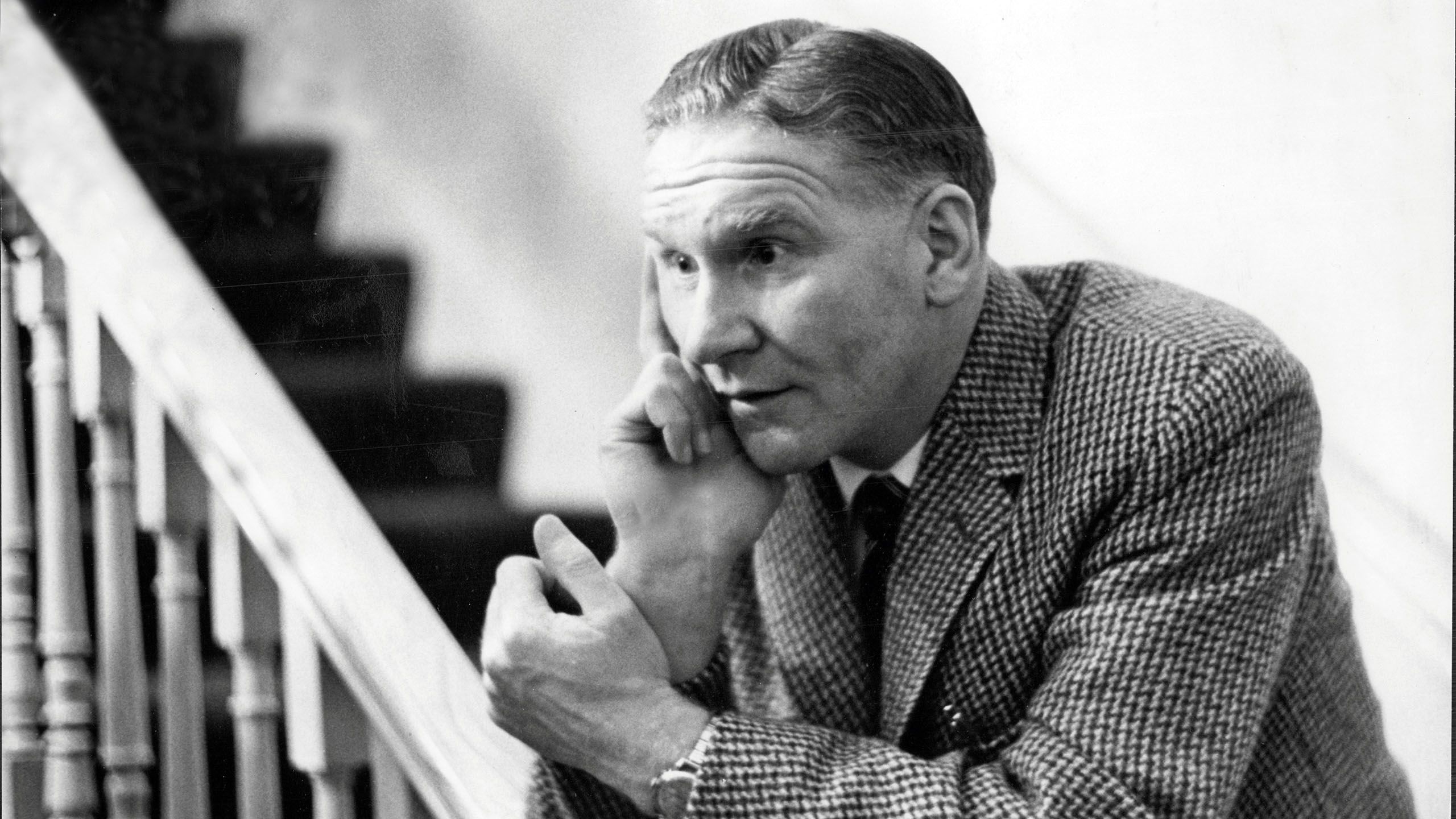
Dave Mackay è stato un calciatore e allenatore scozzese che è diventato un simbolo di grinta, leadership e abilità. È rinomato per essere stato la forza trainante dietro la storica stagione del double del Tottenham Hotspur nel 1961 e per aver poi guidato il Derby County a un notevole titolo di campionato. Mackay ha collezionato 22 presenze con la Scozia e ha giocato nella Coppa del Mondo del 1958. La sua caratteristica cassa toracica a botte, le maniche corte e l'atteggiamento mai domo, combinando una feroce determinazione con un genuino spirito sportivo, lo hanno reso un'icona amata. L'eredità di Mackay è onorata con statue allo stadio del Tottenham e nella sua città natale, ed egli rimane una figura celebrata sia dagli Spurs che dal Derby.
Primi Anni e Background
David Craig Mackay è nato a Edimburgo, in Scozia, il 14 novembre 1934. Cresciuto nella zona di Carrick Knowe, proveniva da umili origini, figlio di un postino e di una operaia di fabbrica. Ha frequentato la Carrick Knowe Primary School prima di passare alla Tynecastle High School, dove il suo innato talento atletico brillava in più sport, eccellendo in particolare nel calcio, nel rugby e nel cricket. All'età di 15 anni, Mackay ha lasciato la scuola per intraprendere una carriera come apprendista falegname, anche se le sue eccezionali abilità calcistiche continuarono a suscitare interesse. La sua abilità in campo per le squadre giovanili locali era innegabile, e non passò molto tempo prima che gli scout dell'Heart of Midlothian ne riconoscessero il potenziale.
Mackay è entrato a far parte degli Hearts inizialmente come ragazzo di squadra, dimostrando il suo impegno nei confronti del club. La sua dedizione è stata premiata e ha firmato un contratto da professionista nel 1952, a soli 17 anni. Durante il suo periodo di servizio nazionale con la Royal Army Ordnance Corps, ha affinato ulteriormente le sue capacità, giocando persino al fianco del futuro compagno di squadra del Tottenham Hotspur, John White. Al suo ritorno a Tynecastle, la presenza dominante di Mackay e il suo stile formidabile e di contrasto gli sono valsi rapidamente un posto ambito nella prima squadra per la stagione 1953-54. Ha fatto il suo debutto senior per gli Hearts nel 1953, segnando l'inizio di un capitolo significativo nella sua carriera iniziale.
Il suo impatto è stato immediato e profondo. Mackay è diventato una figura centrale quando gli Hearts si sono aggiudicati la Scottish League Cup nel 1954-55 e, in particolare, la Scottish Cup nel 1956, che ha rappresentato il primo trofeo importante del club in mezzo secolo. Ha continuato a essere una forza trainante, contribuendo ai trionfi degli Hearts nel titolo di campionato scozzese sia nelle stagioni 1957-58 che 1959-60. Al momento della sua partenza, Mackay aveva collezionato 135 presenze con gli Hearts, segnando 6 gol, affermandosi come un simbolo di grinta, leadership e abilità, un'eredità che sarebbe stata successivamente onorata con statue, anche nella sua città natale.
Crescita Professionale
Nel marzo 1959, l'allenatore degli Spurs Bill Nicholson lo ingaggiò per £30.000. Mackay divenne il cuore pulsante della squadra, giocando un ruolo chiave nella stagione del double 1960-61, vincendo la First Division e la FA Cup. Ha vinto di nuovo la FA Cup nel 1962 e la Coppa delle Coppe nel 1963, rendendo gli Spurs il primo club britannico a vincere un trofeo europeo. Una frattura a entrambe le gambe nel dicembre 1963, dopo un contrasto di Noel Cantwell del Manchester United, minacciò la sua carriera, ma tornò in prima squadra entro 10 mesi. Ha vinto una terza FA Cup nel 1967. Ha collezionato 318 presenze con gli Spurs, segnando 51 gol. Nel 1968, si è unito al Derby County come giocatore-allenatore, guidandoli alla promozione nel 1969 e al titolo di First Division nel 1972. È stato nominato FWA Footballer of the Year nel 1969, a pari merito con Tony Book. Ha poi allenato il Nottingham Forest dal 1973 al 1975, ponendo le basi per il successo di Brian Clough, e ha avuto un secondo periodo al Derby, oltre a una parentesi con l'Al-Wakrah in Qatar. Ha anche allenato brevemente lo Swindon Town. Mackay ha collezionato 22 presenze con la Scozia tra il 1957 e il 1965, giocando tutte e tre le partite del girone alla Coppa del Mondo del 1958.
Cronologia Carriera
Immagine Pubblica e Stile
Mackay era conosciuto come il duro per eccellenza in campo, ma un gentiluomo fuori dal campo. Aveva una cassa toracica a botte, le maniche corte e un atteggiamento mai domo. Media e tifosi lo descrivono costantemente come il "cuore pulsante" della grande squadra degli Spurs. Al Tottenham, la canzone "Glory, Glory, Tottenham Hotspur" viene cantata in onore della sua epoca. Al Derby, il suo nome è ancora scandito. Era ritratto come un centrocampista difensivo duro, senza fronzoli, che odiava perdere più di quanto amasse vincere. Bill Nicholson disse: "Se dovessi andare in trincea, vorresti Dave Mackay al tuo fianco". George Best lo definì "il miglior giocatore contro cui abbia mai giocato. Era duro ma corretto. Un vero grande". Il suo stile di contrasto duro ma corretto divenne leggendario, spesso descritto come il prototipo del moderno centrocampista difensivo.
Fama e fandom (iFAMOUS Rankings)
Dave Mackay's name still rings through the stands at White Hart Lane and Pride Park, but the fanbase that cherishes him has no formal name. There is no 'Mackay Army' or 'Dave's Boys' in the record books, just generations of supporters who grew up watching a barrel-chested Scot run the midfield like he owned it. His legend is carried in the songs they still sing: 'Glory, Glory, Tottenham Hotspur' echoes from the 1960s, and at Derby County, his name is still chanted on matchdays. The tributes are physical too, a statue outside Tottenham's stadium in 2022, another in Edinburgh in 2023, each one a meeting point for fans who never saw him play but know exactly who he was.
There is no documented fan campaign, no coordinated ritual, no inside joke that survives in the public record. What exists instead is quieter: the way older fans tell stories of his recovery from a double leg break, or the way younger ones wear retro shirts with his number. His fandom is not organized; it is inherited.
On the global stage, iFANN's Global Fame Engine has evaluated Dave Mackay but he does not currently hold a placement in the published rankings, neither the Global Top 1,000 nor any Top-100 scope list. That is not a slight; it is a reflection of how fame calcifies after death. His name remains a touchstone for football historians and a rallying cry for two clubs, but in the vast measurement of worldwide recognition, he sits outside the ranked tiers.
Curiosità e leggende
Dave Mackay was a gifted cricketer as a youth and was offered a trial for the Scotland national cricket team. At Derby County, players called him 'The Boss' out of respect. He suffered a double leg break in December 1963 after a tackle by Manchester United's Noel Cantwell, yet returned to play just 10 months later, a remarkable recovery for the time. Mackay was an inaugural inductee into the English Football Hall of Fame in 2002 and the Scottish Football Hall of Fame in 2004. He was also listed in the Football League 100 Legends in 1998, and inducted into the Tottenham Hotspur and Heart of Midlothian Halls of Fame. He received an honorary Doctor of Letters from the University of Derby in 2009. His face graced the covers of Shoot! and Football Monthly in the 1960s. A statue of Mackay was unveiled outside the Tottenham Hotspur Stadium in 2022, and another in Edinburgh in 2023.
One story fans still retell: during a match against Leeds United in the 1960s, Mackay famously grabbed Billy Bremner by the shirt and shook him, a moment that became a symbol of his no-nonsense authority. Another legend has it that his glare alone could silence a dressing room, a tale passed down by teammates who swore they never saw him lose a fight, on or off the pitch.
Citazioni Notevoli
“I was never the most skilful player, but I could pass the ball, I could tackle, and I could run all day. And I hated losing more than I loved winning.”
“If you were going into the trenches, you would want Dave Mackay next to you.”
“He was the best player I ever played against. He was hard but fair. A true great.”
Famiglia e Vita Privata
Dave Mackay è nato il 14 novembre 1934 a Edimburgo, in Scozia. Suo padre era un postino e sua madre lavorava in una fabbrica. Aveva un piccolo tatuaggio con l'emblema degli Hearts sul braccio. Mackay sposò Isabel Ross nel 1956. La coppia ebbe tre figli: le figlie Valerie e Debra, e un figlio, David. Isabel era una casalinga e supportò la sua carriera per tutto il tempo. Suo figlio David divenne un golfista professionista e in seguito un allenatore. Mackay e Isabel furono sposati per 59 anni fino alla sua morte, avvenuta il 2 marzo 2015 a Nottingham all'età di 80 anni, a seguito di una breve malattia. La famiglia viveva nel Nottinghamshire.
Collegamenti Notevoli
Mackay è stato allenato da Bill Nicholson al Tottenham e ha giocato al fianco di Danny Blanchflower, John White e Jimmy Greaves. Al Derby, il suo successore fu Brian Clough. Nel 1969 è arrivato a pari merito con Tony Book per il premio FWA Footballer of the Year.
Relazioni e Storia Dating
Dave Mackay è stato sposato con Isabel Ross dal 1956 fino alla sua morte nel 2015. Si sono conosciuti a Edimburgo prima del suo trasferimento al Tottenham. Isabel era una casalinga e supportava la sua carriera. Hanno avuto tre figli insieme. A partire dal 2026, Mackay è deceduto ed era sposato al momento della sua morte.
- Sposato/aIsabel Mackay1956 - 2015Si sono conosciuti a Edimburgo e sono stati sposati per 59 anni. Isabel era una casalinga e supportava la sua carriera. Hanno avuto tre figli.
Morte e conseguenze
Morto/a
March 2, 2015 (a 80 anni)
Luogo di morte
Sconosciuto
Causa della morte
Sconosciuto
Dave Mackay, the Scottish football player and manager best known for his time at Tottenham Hotspur and Hearts, died on March 2, 2015, at the age of 80. The primary confirmation comes from obituary-style entries noting he "passed away" or "sadly passed away this week," with Derby County paying tribute to him as a club legend shortly after the news broke. The absence of such information suggests his passing was treated as a natural event without legal controversy or public dispute requiring formal inquiry. Public reaction included immediate tributes from football institutions. Derby County, where Mackay managed, announced that the club and the iPro Stadium would pay tribute to the legend following his death. As a member of the National Football Museum Hall of Fame inducted in 2002 and the Scottish Football Museum Hall of Fame, his legacy was honored by these bodies.
However, the search results do not provide specific details on fan vigils, moments of silence during matches, memorial murals, or surges in streaming or sales of related media immediately following his passing. Details concerning his funeral or memorial service, such as the date, location, whether it was public or private, notable attendees, performances, or whether he was buried or cremated, are not contained within the provided search results. These specifics were never made public in the available documentation. In terms of posthumous honors, Mackay remains enshrined in the National Football Museum Hall of Fame (inducted 2002) and the Scottish Football Museum Hall of Fame.
Patrimonio (Valore immobiliare)
$2 Million
Stima del team editoriale di iFANN
Heading into 2026, iFANN's editorial analysis estimates Dave Mackay's estate at approximately $2 million. The estate includes his pension, a home in Nottinghamshire, and residuals from his playing and managerial career. Posthumous revenue flows from book royalties (his autobiography The Real Mackay, published in 2004), licensing for retro merchandise and video games like FIFA Ultimate Team, and image rights managed by his family. Statues unveiled in 2022 and 2023 have kept his legacy commercially active, ensuring his name remains a marketable piece of football history. The estate is managed by his family.
Premi vinti (15)
Mackay ha vinto il FWA Footballer of the Year nel 1969, a pari merito con Tony Book. È stato un membro fondatore sia dell'English che della Scottish Football Halls of Fame. Ha anche vinto numerosi titoli di campionato e coppe come giocatore e allenatore.
1969 · Giocatore dell'Anno
Derby County
2004 · Hall of Fame
Career
Noto Per
Tottenham Hotspur (1960-61 Double)
1961 · Centrocampista
Derby County (1971-72 League Title)
1972 · Player-Manager
Scotland National Team
1958 · Centrocampista
Parole chiave
Fatti Rapidi
- Professione
- Football player and manager
- Nato/a
- November 14, 1934
- Luogo di Nascita
- Edinburgh, Scotland
- Morto/a
- March 2, 2015
- Luogo di morte
- Nottingham, England
- Genere
- Maschio
- Segno Zodiacale
- Scorpio
- Altezza
- 5 ft 8 in (173 cm)
- Nazionalità
- Scottish
Dettagli Personali
- Nome Completo
- David Craig Mackay
- Altezza
- 5 ft 8 in (173 cm)
- Coniuge
- Isabel Mackay
- Figli
- Three: Valerie, Debra, and David
- Istruzione
- Tynecastle High School
Domande Frequenti
Come è morto Dave Mackay?
Qual è il patrimonio di Dave Mackay nel 2026?
Dave Mackay ha vinto la Coppa del Mondo?
Quale squadra ha portato Dave Mackay al titolo di campionato?
Dave Mackay è nella Hall of Fame?


Unisciti alla community
fan che discutono