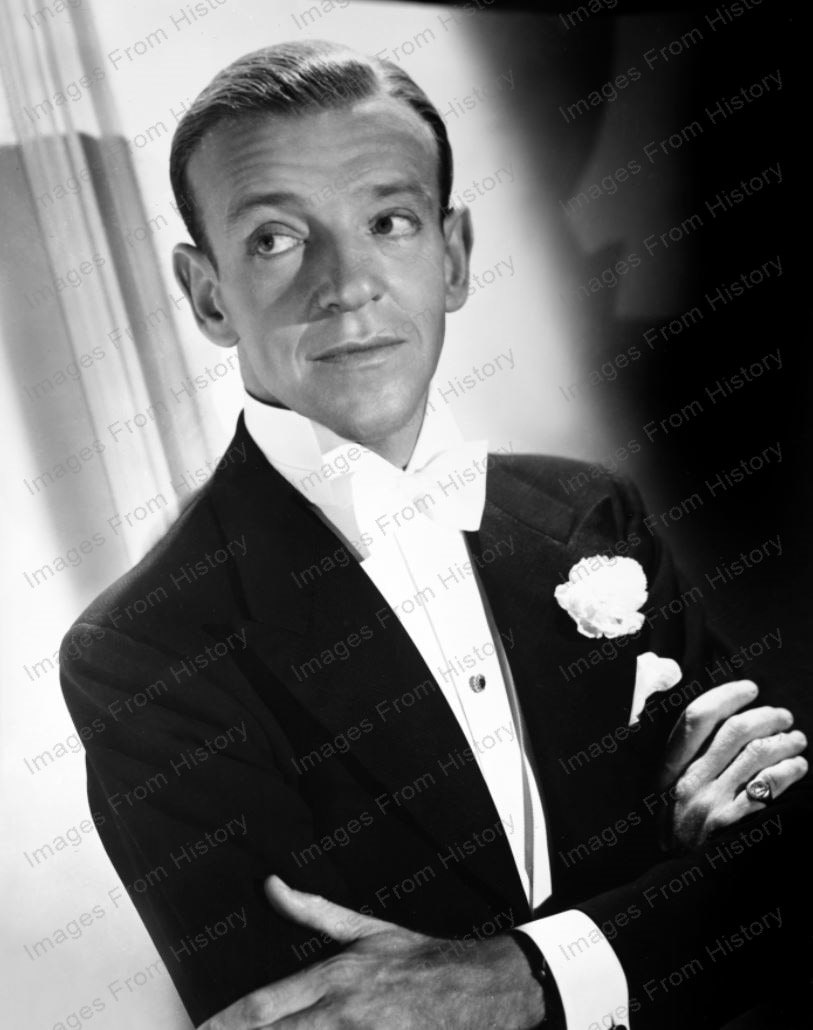
Fred Astaire
 United States
dancer•actor•singer•choreographer
Also known as: Frederick Austerlitz
Compleanno
May 10, 1899
Segno Zodiacale
Taurus
Luogo di Nascita
Omaha, Nebraska, USA
Età
Morto/a a 88 anni
Altezza
5 ft 9 in (175 cm)
Informazioni
Fred Astaire was the dancer against whom all others are measured. An American artist whose career stretched from vaudeville stages in the 1900s to television specials in the 1970s, he redefined what dance could look like on film. He insisted on full-body, uninterrupted takes of his routines, a revolutionary choice that preserved the integrity of movement and made every step feel effortless. His partnership with Ginger Rogers produced ten films that remain the gold standard of Hollywood musicals, including Top Hat and Swing Time. Beyond dancing, he was a gifted singer and a surprisingly effective dramatic actor, earning a Golden Globe and BAFTA for his supporting role in The Towering Inferno at age 75. Today, his legacy lives on through his filmography, which continues to be studied and adored by dancers and film lovers alike.
Primi Anni e Background
Fred Astaire nacque Frederick Austerlitz a Omaha, Nebraska, da Johanna e Frederic Austerlitz, un birraio di origine austriaca. Sua sorella maggiore, Adele, era un'artista naturale, e quando mostrò un talento precoce, la loro madre trasferì la famiglia a New York City nel 1905 per intraprendere la carriera nello spettacolo. Fred fu iscritto a una scuola di danza insieme ad Adele, e presto diventarono un atto di vaudeville pubblicizzato come “The Astaires”. Girarono il paese, sviluppando una sofisticata routine di ballo liscio e tip tap che si distingueva dagli atti infantili dell'epoca.
Una grande svolta arrivò quando si esibirono al Palace Theatre, il principale locale del vaudeville. Fecero il loro debutto a Broadway in Over the Top nel 1916, e nel 1923 erano star a Londra dopo il successo di Stop Flirting. Nel decennio successivo, recitarono in una serie di musical di successo su entrambe le sponde dell'Atlantico, tra cui Lady, Be Good! e Funny Face. Ma nel 1932, Adele si ritirò per sposare un lord inglese, lasciando Fred a forgiare una carriera da solista. Si diresse a Hollywood, dove un provino cinematografico alla RKO produsse la famosa nota dello studio: “Non sa recitare. Non sa cantare. Leggermente calvo. Sa ballare un po’.”
Crescita Professionale
Quel provino sbrigativo portò a un ruolo di supporto in Flying Down to Rio (1933), dove ballò con Ginger Rogers. Il numero “The Carioca” fermò lo spettacolo, e lo studio li accoppiò rapidamente come protagonisti. Nei sei anni successivi, Astaire e Rogers fecero insieme altri nove film, tra cui The Gay Divorcee (1934), Top Hat (1935) e Swing Time (1936). Questi film furono enormi successi, e l'insistenza di Astaire su riprese lunghe e integrali stabilì un nuovo standard per la danza filmata.
Dopo la fine della collaborazione, continuò a recitare in classici come Holiday Inn (1942) con Bing Crosby, Easter Parade (1948) con Judy Garland e The Band Wagon (1953). Fece anche acclamate interpretazioni drammatiche in On the Beach (1959) e The Towering Inferno (1974). Per quest'ultimo, vinse un Golden Globe e un BAFTA e ricevette la sua unica candidatura all'Oscar competitiva. Vinse anche tre Emmy Awards per il suo lavoro televisivo, tra cui An Evening with Fred Astaire (1958).
Cronologia Carriera
Immagine Pubblica e Stile
La persona pubblica di Astaire era di un'eleganza senza sforzo. Incarnava la raffinatezza del cappello a cilindro e della coda del Great American Songbook, ma la sua danza aveva una qualità imprevedibile e istintiva che chiamava il suo “stile fuorilegge”. I media e i fan lo venerano universalmente come un genio e un gentiluomo. Non esiste un nome ufficiale per il fandom, ma gli appassionati si riuniscono ogni anno per proiezioni dei suoi film e tributi di danza. La sua presenza sui social media è nostalgica e rispettosa, gestita da account tributo.
Fama e fandom
Fred Astaire's fanbase is not a fanbase in the modern sense, no official name, no coordinated campaigns, no hashtag armies. Instead, it is a diffuse, decades-spanning community of classic film buffs, dance historians, and preservationists who revere him as the pinnacle of popular dance. Their devotion shows in quieter ways: annual screenings, tribute dances, and pilgrimages to his Hollywood Walk of Fame star. The upcoming biopic starring Tom Holland has sparked renewed buzz, proving Astaire's cultural pull endures, even if his fans don't have a collective label.
As of August 2026, iFANN's Global Fame Engine has evaluated Fred Astaire but he does not currently hold a placement in the published rankings, neither the Global Top 1,000 nor any Top-100 scope list. His fame, while legendary, is not quantified in iFANN's current rankings.
Curiosità e leggende
Astaire was a man of hidden talents: a skilled drummer, a pianist, and a licensed pilot. He even invented a golf harness to perfect his swing. His business acumen shone early, he invested in Polaroid, a move that made him a fortune. He chronicled his life in two autobiographies, Steps in Time (1959) and The Fred Astaire Story (1962).
His perfectionism was legendary. He rehearsed dance numbers for weeks or months before filming, and he insisted on full-body, continuous takes, refusing to let editors cut away from his choreography. This dedication gave audiences the magic of Royal Wedding (1951), where he danced with a coat rack and seemingly defied gravity on the ceiling. The latter was achieved with a rotating set, but the illusion remains breathtaking.
One story fans still tell: the apocryphal RKO screen test note that supposedly read, "Can't act. Can't sing. Balding. Can dance a little." Whether true or not, it frames his success as the ultimate underdog tale. And the famous line about Ginger Rogers doing everything "backwards and in high heels", popular folklore, often misattributed, encapsulates the partnership's brilliance.
Citazioni Notevoli
“The hardest thing to do is to make it look easy.”
“I have no desire to prove anything by dancing. I just dance.”
“I just put my feet in the air and move them around.”
“The higher up you go, the more mistakes you are allowed. Right at the top, if you make a mistake, it's considered a new style.”
Famiglia e Vita Privata
Fred era figlio di Johanna “Ann” Geilus, una luterana tedesca, e Frederic “Fritz” Austerlitz, un birraio di origine austriaca di discendenza ebraica. Aveva una sorella maggiore, Adele Astaire, la sua prima partner di ballo. Sposò Phyllis Livingston Potter, una socialite newyorkese, nel 1933. Ebbero due figli: Fred Astaire Jr. (nato nel 1936) e Ava Astaire McKenzie (nata nel 1942). Phyllis morì di cancro ai polmoni nel 1954. Nel 1980, sposò la fantina campionessa Robyn Smith, che aveva 45 anni meno di lui. Rimasero insieme fino alla sua morte.
Collegamenti Notevoli
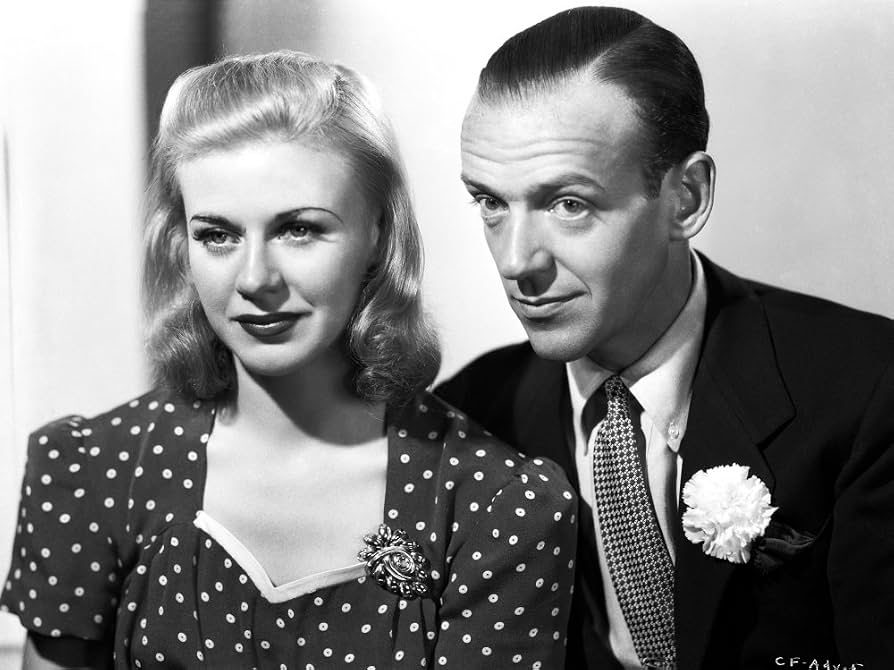
Ginger Rogers è stata la sua partner di ballo più famosa, apparendo con lui in dieci film. Ha lavorato anche a stretto contatto con Judy Garland in Easter Parade, Audrey Hepburn in Funny Face e Bing Crosby in Holiday Inn. Il suo coreografo Hermes Pan ha collaborato a molti dei suoi film. I compositori Irving Berlin, George Gershwin e Cole Porter hanno scritto musiche per i suoi film.
Relazioni e Storia Dating
Il primo e più lungo matrimonio di Astaire fu con Phyllis Livingston Potter, una socialite newyorkese, dal 1933 fino alla sua morte per cancro ai polmoni nel 1954. Ebbero due figli. Dopo la morte di Phyllis, ebbe una relazione stretta e pubblicamente visibile con la ballerina Barrie Chase dal 1958 al 1962; lei fu la sua partner in diversi special televisivi. Nel 1980, sposò la fantina campione Robyn Smith, che era 45 anni più giovane. Rimasero insieme fino alla sua morte nel 1987.
- Sposato/aPhyllis Livingston Potter1933 - 1954Sposato fino alla sua morte per cancro ai polmoni; ebbe due figli.
- Uscito/aBarrie Chase1958 - 1962Relazione stretta dopo la morte di Phyllis; partner di ballo in special TV.
- Sposato/aRobyn Smith1980 - 1987Sposato fino alla sua morte; lei era una fantina campione.
Morte e conseguenze
Morto/a
June 22, 1987 (a 88 anni)
Luogo di morte
Sconosciuto
Causa della morte
Sconosciuto
The news of Fred Astaire's passing rippled through Hollywood with a quiet gravity that matched the man himself. On June 22, 1987, the legendary dancer and actor died at the age of 88, bringing an end to a career that had redefined movement on screen for nearly eight decades. While the specific location of his final moments and the official medical ruling remain unconfirmed by public records, the family acknowledged the event. Astaire left behind a legacy that required no eulogy to validate; his work stood as its own monument. Tributes poured in from peers who remembered his perfectionism and grace. His funeral arrangements remained private, sparing the public spectacle often reserved for stars of his magnitude.
The dance studios bearing his name continued their operations, serving as living memorials to his influence on generations of performers. In the years following his death, his estate managed the rights to his extensive catalog of films and recordings. Royalties from classics like Top Hat and Swing Time ensured his artistic footprint remained financially active, with the family overseeing the licensing of his image and likeness. Streaming platforms later introduced his music to new audiences, proving that the rhythm he once set still moved forward long after the curtains closed.
Patrimonio (Valore immobiliare)
$30 Million
Stima del team editoriale di iFANN
iFANN's editorial analysis estimates Fred Astaire's estate at $30 million. The primary income sources are royalties from his film and television catalog, music royalties from his recordings, and licensing of his image and likeness. The estate earns an estimated $2–5 million annually from these streams. After his death in 1987, his family has managed the estate, which includes rights to classics like Top Hat and Swing Time, as well as ongoing DVD, streaming, and syndication deals.
Premi vinti (19)
Astaire ha vinto un Oscar onorario nel 1950 per i suoi contributi ai film musicali. Ha vinto tre Emmy Awards, tre Golden Globe (incluso il Cecil B. DeMille Award), un BAFTA e un Grammy. Ha anche ricevuto il Kennedy Center Honors nel 1978 e l'AFI Life Achievement Award nel 1981.
1975 · Miglior attore non protagonista
The Towering Inferno
1961 · Premio alla Carriera
Noto Per
Top Hat
1935 · Jerry Travers
Swing Time
1936 · John 'Lucky' Garnett
The Band Wagon
1953 · Tony Hunter
Funny Face
1957 · Dick Avery
The Towering Inferno
1974 · Harlee Claiborne
Parole chiave
Fatti Rapidi
- Professione
- dancer, actor, singer, choreographer
- Nato/a
- +1899-05-10
- Luogo di Nascita
- Omaha, Nebraska, USA
- Morto/a
- +1987-06-22
- Luogo di morte
- Los Angeles, California, USA
- Genere
- Maschio
- Coniuge
- Phyllis Livingston Potter, Robyn Smith
- Segno Zodiacale
- Taurus
Dettagli Personali
- Nome Completo
- Frederick Austerlitz
- Altezza
- 5 ft 9 in (175 cm)
- Coniuge
- Phyllis Livingston Potter (1933–1954), Robyn Smith (1980–1987)
- Figli
- Fred Astaire Jr., Ava Astaire McKenzie
Filmografia
80
Totale
70
Film
10
TV
Domande Frequenti
Fred Astaire aveva una relazione con Ginger Rogers?
Quante volte si è sposato Fred Astaire?
Qual era il patrimonio di Fred Astaire al momento della sua morte?
Fred Astaire aveva figli?
Qual è stato l'ultimo film di Fred Astaire?
Unisciti alla community
fan che discutono