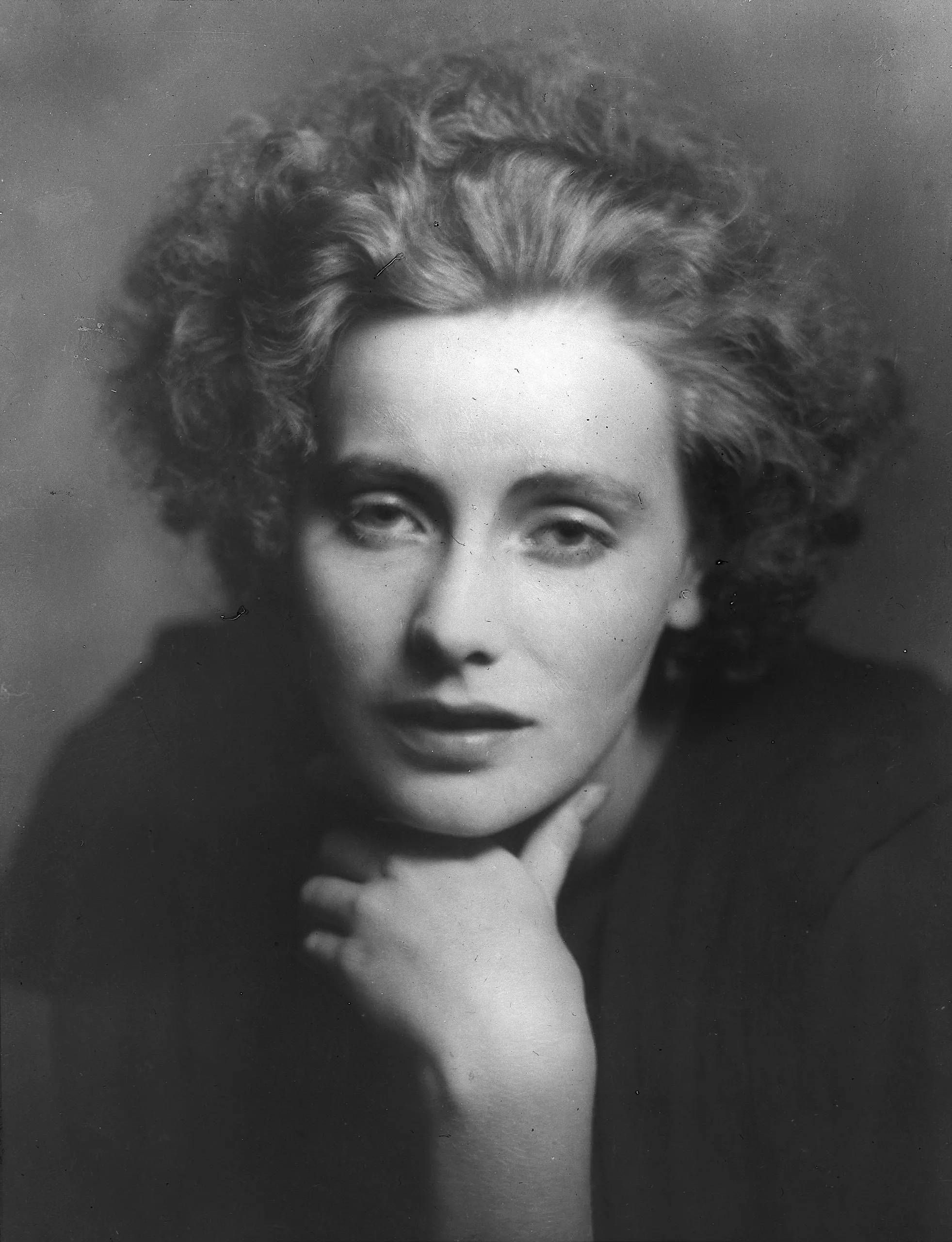
Greta Garbo
 Sweden
Also known as: Greta Lovisa Gustafsson
Compleanno
September 18, 1905
Segno Zodiacale
Virgo
Luogo di Nascita
Stockholm, Sweden
Età
Morto/a a 84 anni
Altezza
5 ft 7 in (170 cm)
Informazioni
Greta Garbo was a Swedish-born actress who became one of the most enigmatic and celebrated figures in Hollywood history, first as a silent film star and later in the early sound era. Her melancholic screen presence and understated performances made her a global icon. In 1999, the American Film Institute ranked her fifth among the greatest female stars of classic Hollywood. Today, her legend endures through her films and the enduring mystique of her reclusive retirement.
After a supporting role in the 1924 Swedish film The Saga of Gösta Berling, Garbo caught the eye of MGM chief Louis B. Mayer. She moved to Hollywood in 1925 and made her American debut in Torrent (1926). Her third US film, Flesh and the Devil (1926), opposite John Gilbert, turned her into an international sensation. By 1928, with A Woman of Affairs, she became MGM's top box-office draw. Other silent hits included The Mysterious Lady (1928) and The Kiss (1929).
Garbo's transition to sound was a major event. MGM promoted her first talkie, Anna Christie (1930), with the tagline "Garbo talks!" She earned Academy Award nominations for that film and Romance (1930). By 1932, her clout allowed her to control her roles. She starred in Mata Hari (1931), Grand Hotel (1932), Queen Christina (1933), and Anna Karenina (1935). Many consider her performance in Camille (1936) her finest, earning a third Oscar nomination. But by 1938, she was labeled "box office poison." A comedic turn in Ninotchka (1939) revived her career and brought a fourth nomination. Her final film, Two-Faced Woman (1941), was a critical disappointment. Over a 17-year career, she made 28 feature films.
After retiring, Garbo shunned publicity entirely. She became a reclusive art collector, acquiring works by Renoir, Bonnard, and van Dongen. She turned down all offers to return to the screen. In 1954, she received an Academy Honorary Award for her luminous performances. Four years before her death at age 84 on April 15, 1990, she told a biographer: "I was tired of Hollywood. I did not like my work." Her mystique only grew in her absence.
Primi Anni e Background
Greta Lovisa Gustafsson nacque il 18 settembre 1905 a Stoccolma, Svezia, la più giovane di tre figli. Suo padre, Karl Alfred Gustafsson, era un operaio e spazzino; sua madre, Anna Lovisa, gestiva la casa. La famiglia viveva in un appartamento con acqua fredda nel quartiere operaio di Södermalm. Quando Garbo aveva 14 anni, suo padre morì di tubercolosi, costringendola a lasciare la scuola all'Högre Normalskola för Flickor per sostenere la famiglia.
Il suo primo lavoro fu come insaponatrice in un salone di barbiere, insaponando i volti dei clienti per la rasatura. Poi lavorò come commessa al grande magazzino PUB di Stoccolma, dove fece da modella per cappelli nei cataloghi del negozio. Questo la portò alla sua prima apparizione cinematografica: un breve ruolo nella commedia corta del 1920 How Not to Dress (nota anche come Mr. and Mrs. Stockholm Go Shopping). Apparve in altre due brevi commedie nel 1921 e 1922, ma furono minori.
La sua svolta cruciale arrivò nel 1922 quando vinse una borsa di studio per la scuola di recitazione del Royal Dramatic Theatre di Stoccolma. Lì fu scoperta dal regista Mauritz Stiller, che divenne il suo mentore e le diede il nome d'arte "Garbo" (una variazione del nome di uno spirito folcloristico svedese). Stiller la scritturò nell'epopea svedese del 1924 La leggenda di Gösta Berling, che la portò all'attenzione internazionale. Stiller negoziò poi un contratto con Louis B. Mayer della MGM, e Garbo si trasferì a Hollywood nel 1925, poco prima del suo ventesimo compleanno.
Crescita Professionale
Il debutto americano di Garbo avvenne in Torrent (1926), ma fu il suo terzo film americano, Flesh and the Devil (1926), accanto a John Gilbert, a renderla una star internazionale. Nel 1928, con A Woman of Affairs, divenne la principale attrazione al botteghino della MGM. Passò con successo al sonoro nel 1930 con Anna Christie, promosso con lo slogan "Garbo parla!" Il film le valse la prima nomination all'Academy Award. Ricevette una seconda nomination lo stesso anno per Romance.
Gli anni '30 furono il suo apice. Recitò in Mata Hari (1931), il film corale Grand Hotel (1932) che vinse l'Oscar come miglior film, Queen Christina (1933), Anna Karenina (1935) e Camille (1936), considerata la sua interpretazione migliore e che le valse una terza nomination all'Oscar. Dopo essere stata etichettata come "veleno al botteghino" nel 1938, rilanciò la sua carriera con la commedia Ninotchka (1939), ottenendo una quarta nomination. Il suo ultimo film, Two-Faced Woman (1941), fu un fallimento critico. In 17 anni, realizzò 28 lungometraggi. Non tornò mai più sullo schermo.
Cronologia Carriera
Immagine Pubblica e Stile
L'immagine pubblica di Garbo è quella dell'enigma per eccellenza: una bellezza solitaria e malinconica che rifiutava la fama. La stampa coniò termini come "il mistero Garbo" e "la Sfinge svedese". Il suo stile caratteristico era androgino e minimalista: cappelli a tesa larga, trench, tailleur su misura e trucco minimo. Il "look Garbo" (capelli lisci all'indietro, occhi scuri) divenne iconico e influenzò stilisti come Coco Chanel e Yves Saint Laurent. I fan, a volte chiamati "garbo-fili", la celebrano attraverso proiezioni annuali e forum online. La sua presenza sui social media è mantenuta da account di fan, che adottano un tono riverente e nostalgico che enfatizza la sua arte e il suo mistero.
Fama e fandom
Greta Garbo's fanbase is as enigmatic as the star herself. Unlike modern fandoms with official names and organized campaigns, her admirers have never adopted a collective identifier. They are simply devoted cinephiles and classic film enthusiasts who gather in digital spaces to celebrate her legacy. The Instagram account @alwaysgarbo, established in 2020, serves as a hub for contemporary fans, sharing archival photos and film stills. On Reddit's r/classicfilms, discussions about her enduring relevance are common. This fanbase is archival and preservation-focused, mirroring Garbo's own retreat from the public eye. She gave her audience her art, performances in Camille, Ninotchka, and Grand Hotel, and in return asked only for privacy. Her famous quote, 'I am only an image, and that is all I can be to you,' encapsulates this transactional relationship. Posthumously, fans honor her through screenings and retrospectives, like the 2025 return of Camille to Palm Springs.
In the realm of global fame, iFANN's Global Fame Engine has evaluated Greta Garbo, but she does not currently hold a placement in the published rankings, whether the Global Top 1,000 or any Top-100 scope list. Her fame, however, remains monumental, sustained by her iconic films and her legendary reclusiveness, ensuring her status as one of cinema's most enduring figures.
Curiosità e leggende
Garbo was a cat lover and owned several cats throughout her life. She was an avid reader with a library of thousands of books. She spoke four languages: Swedish, English, German, and French. In her later years, she painted but never exhibited her work. She never watched her own films after retiring. Her famous quote 'I want to be alone' is a misquote; she actually said 'I want to be left alone.' She turned down the role of Mrs. Miniver, which went to Greer Garson and won an Oscar. Unsubstantiated rumors claimed she worked for British intelligence during WWII. She never won a competitive Oscar despite four nominations.
One of the most enduring legends is the 'Garbo Talks!' moment in Anna Christie (1930). After years of silence, her first spoken line, 'Gimme a whiskey, ginger ale on the side, and don't be stingy, baby', was met with gasps and applause, marking a pivotal transition in film history. Another legend is her sudden retirement in 1941, when she vanished from public life without explanation, spending the next five decades in near-seclusion. Sightings of her walking New York streets became minor cultural events. A story fans still retell involves her rare moment of regret, when she said, 'I was so stupid not to partake more,' humanizing the myth of the aloof recluse.
Citazioni Notevoli
“I want to be left alone.”
“I was tired of Hollywood. I did not like my work.”
“There are some who want to live, and others who want to act. I am one of the former.”
“The most important thing in life is to be yourself. Unless you can be a movie star.”
“I never said, 'I want to be alone.' I only said, 'I want to be left alone.' There is a world of difference.”
“If you are afraid of being lonely, don't try to be a movie star.”
“My whole life has been a search for peace.”
Famiglia e Vita Privata
Garbo era la più giovane di tre figli. Suo padre, Karl Alfred Gustafsson, morì di tubercolosi quando lei aveva 14 anni. Sua madre, Anna Lovisa, era una casalinga. Aveva un fratello maggiore, Sven, e una sorella maggiore, Alva. Nessuno dei suoi fratelli entrò nell'industria cinematografica. Garbo non si sposò mai e non ebbe figli. Visse da sola per gran parte della sua vita, con i suoi gatti come compagni. Negli ultimi anni visse in un appartamento cooperativo al 450 East 52nd Street a New York.
Collegamenti Notevoli
Garbo fu scoperta dal regista Mauritz Stiller, che la fece da mentore e le diede il nome d'arte. Ebbe una famosa storia d'amore con il co-protagonista John Gilbert, che le fece più proposte di matrimonio. Il capo della MGM Louis B. Mayer la portò a Hollywood. Lavorò con i registi George Cukor (Camille), Ernst Lubitsch (Ninotchka) e Clarence Brown (cinque film). Tra i suoi frequenti co-protagonisti figurano Robert Taylor, Charles Boyer e Melvyn Douglas. Il fotografo Cecil Beaton era un caro amico.
Relazioni e Storia Dating
La relazione più significativa di Garbo fu con l'attore John Gilbert, che incontrò sul set di Flesh and the Devil nel 1926. Si fidanzarono, ma lei non si presentò mai al matrimonio. Rimasero amici fino alla morte di lui nel 1936. In seguito disse: "Amavo John Gilbert, ma non potevo sposarlo". Ebbe un legame stretto con il suo mentore Mauritz Stiller, anche se probabilmente platonico. Negli anni '30 ebbe brevi relazioni con il direttore d'orchestra Leopold Stokowski e il fotografo Cecil Beaton. Si vociferava di una storia d'amore a lungo termine con la drammaturga Mercedes de Acosta. La sua compagnia più duratura fu con George Schlee, un uomo d'affari russo, dagli anni '40 fino alla morte di lui nel 1964. Non si sposò mai e non ebbe figli.
- Uscito/aMauritz Stiller1924 - 1927Mentore e regista; relazione probabilmente platonica poiché Stiller era gay.
- Fidanzato/aJohn Gilbert1926 - 1929Co-protagonista e grande amore; lui le fece più proposte di matrimonio; lei accettò una volta ma non lo sposò mai.
- Uscito/aCecil Beaton1930 - 1930Fotografo e designer; amicizia romantica, probabilmente non sessuale.
- Uscito/aLeopold Stokowski1937 - 1938Breve relazione discreta con il direttore d'orchestra.
- Uscito/aMercedes de Acosta1931 - 1940Presunta relazione romantica a lungo termine; de Acosta sosteneva che fossero amanti.
- Uscito/aGeorge Schlee1940 - 1964Compagno e consigliere costante; viveva nello stesso edificio; Garbo devastata dopo la sua morte.
Morte e conseguenze
Morto/a
April 15, 1990 (a 84 anni)
Luogo di morte
New York City, New York, USA
Causa della morte
Acute pneumonia and heart failure
The Academy of Motion Picture Arts and Sciences honored Greta Garbo with a posthumous Honorary Award in 1990 for her unforgettable screen performances, cementing a legacy that had long transcended the need for public applause. Tributes poured in from peers like Joan Crawford and Sidney Lumet, who remembered her as a great lady and a mystery, while the American Film Institute issued formal statements honoring her status among the greatest female stars of classic Hollywood. Sales of her films surged temporarily. Garbo passed away on April 15, 1990, at her apartment located at 11 West 52nd Street in New York City, having lived in seclusion for decades following her retirement in 1941.
Her physician provided a medical statement confirming acute pneumonia and heart failure as the official cause, a ruling accepted by the New York City Medical Examiner's office. She made no public appearances after the early 1950s. A private funeral service took place at Riverside Church in New York City two days after her death, attended only by close family members including her niece Brita Arvidson and her longtime companion Marguerite Chapuy. Following the service, she was cremated and her ashes were transported to Stockholm, where they were interred at Norra Begravningsplatsen near Solna in a private ceremony.
Patrimonio (Valore immobiliare)
$60 Million
Stima del team editoriale di iFANN
iFANN currently estimates Greta Garbo's estate at $60 million. At her death in 1990, probate records valued it at about $32 million, and the estate has grown through art appreciation and ongoing licensing. Garbo earned up to $250,000 per film in the 1930s, equivalent to about $5 million today. She owned an art collection with works by Renoir, Bonnard, and van Dongen, now worth significantly more. Her New York apartment at 450 East 52nd Street was valued at $5-10 million. She invested conservatively in stocks and bonds. Posthumous earnings from film royalties, documentary licensing, and merchandise generate approximately $1-2 million annually, managed by the Garbo Estate Trust.
Premi vinti (21)
Garbo vinse un Academy Honorary Award nel 1954 per le sue luminose e indimenticabili interpretazioni cinematografiche. Vinse il New York Film Critics Circle Award e la Coppa Volpi al Festival del Cinema di Venezia per Camille (1936). Ricevette multiple Photoplay Medals of Honor come attrice più popolare. Nel 1977 le fu conferito l'Ordine Reale Svedese della Stella Polare. Non vinse mai un Oscar competitivo nonostante quattro nomination.
1954 · Premio onorario dell'Academy
—N/a
1954 · Premio onorario
Career
Noto Per
Camille
1936 · Marguerite Gautier
Grand Hotel
1932 · Grusinskaya
Ninotchka
1939 · Ninotchka
Anna Karenina
1935 · Anna Karenina
Queen Christina
1933 · Queen Christina
Mata Hari
1931 · Mata Hari
Flesh and the Devil
1926 · Felicitas
Parole chiave
Fatti Rapidi
- Professione
- actor, film actor, stage actor
- Nato/a
- +1905-09-18
- Luogo di Nascita
- Stockholm, Sweden
- Morto/a
- +1990-04-15
- Luogo di morte
- New York City
- Genere
- Femmina
- Segno Zodiacale
- Virgo
Dettagli Personali
- Nome Completo
- Greta Lovisa Gustafsson
- Altezza
- 5 ft 7 in (170 cm)
- Istruzione
- Royal Dramatic Theatre's acting school (attended, no degree)
Filmografia
28
Totale
28
Film
0
TV
Domande Frequenti
Greta Garbo è ancora viva?
Greta Garbo si è mai sposata?
Qual era il patrimonio di Greta Garbo?
Perché Greta Garbo si ritirò?
Greta Garbo ha avuto figli?
Social Media
Persone Simili
Unisciti alla community
fan che discutono