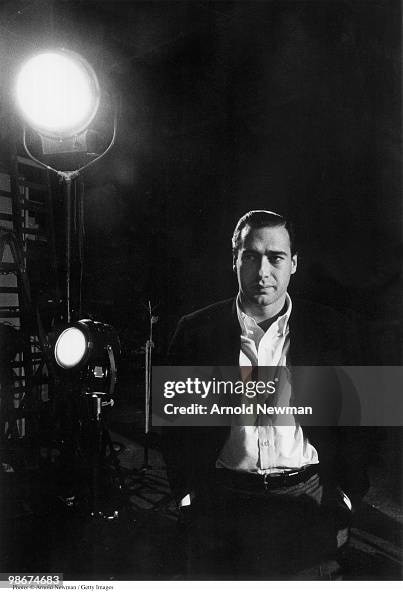
John Frankenheimer
 United States
film director•film producer•screenwriter
Compleanno
February 19, 1930
Segno Zodiacale
Pisces
Luogo di Nascita
Queens, New York, USA
Età
Morto/a a 72 anni
Informazioni
John Frankenheimer è stato un regista cinematografico e televisivo statunitense che ha plasmato il genere del thriller politico. Nato il 19 febbraio 1930 a Queens, New York, iniziò nella televisione dal vivo prima di dirigere quasi quaranta film e oltre cinquanta opere teatrali televisive. Il suo lavoro esplorava spesso dilemmi psicologici e situazioni politiche, suscitando paragoni con Sidney Lumet, per il quale lavorò come assistente alla regia. Frankenheimer vinse quattro Emmy Award negli anni '90 per film TV come Against the Wall, The Burning Season, Andersonville e George Wallace, quest'ultimo valendogli un Golden Globe. Fu inserito nella Television Hall of Fame nel 2002, poco prima della sua morte il 6 luglio 2002, all'età di 72 anni.
Primi Anni e Background
Frankenheimer crebbe a Queens, figlio di Walter e Helen Frankenheimer. A 10 anni prese in prestito una macchina da presa e girò il suo primo film, un cortometraggio su una rapina a un treno. Frequentò la Indiana University, studiando inglese e recitando in produzioni teatrali del campus. Durante la guerra di Corea prestò servizio nell'U.S. Air Force, dove diresse film di addestramento e documentari. Questa esperienza lo portò a un lavoro alla CBS a New York nel 1953. Passò rapidamente alla regia televisiva dal vivo, lavorando a serie antologiche come Kraft Television Theatre e Playhouse 90. Alla fine degli anni '50 aveva diretto oltre 100 trasmissioni in diretta, affinando uno stile visivo che utilizzava la profondità di campo e lunghi piani sequenza per aumentare la tensione.
Crescita Professionale
Il successo di Frankenheimer arrivò nel 1962 con The Manchurian Candidate, un thriller della Guerra Fredda con Frank Sinatra. Il film fu un successo di critica e pubblico, elogiato per la regia tesa e i temi profetici. Seguirono altri due successi nel 1964: Seven Days in May, un dramma di cospirazione politica, e The Train, un film d'azione sulla Seconda Guerra Mondiale. Nel 1966 uscirono Seconds, un horror psicologico surreale, e Grand Prix, un ambizioso epico sulle corse girato in Cinerama. Negli anni '70 diresse French Connection II (1975) e Black Sunday (1977). Dopo un periodo di crisi negli anni '80, rilanciò la carriera con acclamati film televisivi negli anni '90, vincendo quattro Emmy. Il suo ultimo film per il cinema fu Ronin (1998), un thriller di rapine noto per gli inseguimenti in auto. Morì nel 2002 dopo aver completato il film HBO Path to War.
Cronologia Carriera
Immagine Pubblica e Stile
Frankenheimer era rispettato come un artigiano che realizzava film intelligenti e ricchi di suspense. La critica lodava la sua capacità di creare tensione attraverso la narrazione visiva e la sua volontà di affrontare temi politici e psicologici. Era noto per uno stile di regia esigente e intenso che spingeva gli attori ma si guadagnava la loro lealtà. A differenza di molti registi della sua epoca, abbracciò la televisione come mezzo per un lavoro serio, specialmente negli anni '90. I fan ammirano i suoi classici degli anni '60 e The Manchurian Candidate è spesso citato come uno dei più grandi thriller mai realizzati. Non coltivava una personalità pubblica al di fuori del suo lavoro, concentrandosi invece sul mestiere.
Fama e fandom
John Frankenheimer remains a towering figure in cinema history, revered by cinephiles and scholars for his mastery of the political thriller and his pioneering work in television. While his name is instantly recognized by those who study film technique, iFANN's Global Fame Engine has evaluated this person, but they do not currently hold a placement in the published rankings (Global Top 1,000 or a Top-100 scope list). This absence from the global top tier reflects his status as a director's director rather than a pop culture icon whose fame relies on viral moments or mass-market celebrity. His reputation is built on the enduring power of films like The Manchurian Candidate and Grand Prix, which continue to be studied in academic circles and screened at retrospectives decades after their release.
The audience surrounding his legacy does not operate under a formal banner; there is no documented fanbase name, organized campaigns, or specific rituals that define his followers. Instead, admiration manifests through the preservation of his work and the ongoing discussion of his technical innovations. Fans of classic cinema often cite his ability to capture high-speed motion and psychological tension as reasons for his enduring relevance. Unlike modern celebrities who generate folklore through public chaos or interactive projects, Frankenheimer's legend is strictly one of professional achievement. His four consecutive Emmy Awards in the 1990s stand as a reflection of his skill during a time when many peers had abandoned television, cementing his place in the Television Hall of Fame. The stories told about him focus on his demanding directing style and his unique background as an amateur race car driver, which informed the visceral realism of his action sequences. There are no verified accounts of crowds disrupting events or fan-driven media spectacles; the narrative remains centered on his artistic contributions and the complex social dramas he translated into compelling cinema.
Curiosità e leggende
John Frankenheimer was an avid race car driver who owned several Porsches and competed in the 24 Hours of Daytona, using his driving experience to capture unprecedented velocity in Grand Prix. He served as an assistant director to Sidney Lumet early in his career before forging his own path. A close friend of Burt Lancaster, he collaborated with the actor on five films, including The Young Lions and The Train. On the set of The Island of Dr. Moreau in 1996, a famous clash occurred with Marlon Brando, who reportedly wore an ice bucket on his head between takes to manage his temperature. Frankenheimer's passion for trains began early; his first film at age 10 depicted a train robbery, foreshadowing his later masterpiece The Train.
A widely retold story in film circles highlights how his racing background directly influenced the camera work in Grand Prix, where he placed cameras inside moving vehicles to create a sense of speed that was revolutionary for its time. Another enduring piece of lore surrounds the production of The Manchurian Candidate, where his innovative editing techniques and prescient political themes have become a cornerstone of cultural mythology, frequently referenced in academic discussions. These professional anecdotes form the core of his legend, distinguishing him from directors known for personal scandals or crowd disruptions. His legacy is defined by these verified achievements and the intense loyalty he inspired in actors like Lee Marvin and Jeff Bridges.
Citazioni Notevoli
“I'm not interested in making films about the human condition. I'm interested in making films about the human condition under pressure.”
“The Manchurian Candidate was a film about paranoia, and it tapped into the anxieties of the time. It still resonates because those anxieties haven't gone away.”
“Live television was the best training a director could have. You learned to think on your feet.”
“I love the process of filmmaking. The collaboration, the tension, the discovery.”
Famiglia e Vita Privata
I genitori di Frankenheimer erano Walter e Helen Frankenheimer. Aveva una sorella minore, Mary. Il suo primo matrimonio, con l'attrice Evelyn Ward, finì con un divorzio. Nel 1964 sposò l'attrice Evans Evans, che apparve in diversi suoi film. Ebbero quattro figli: Christine, John, Michael ed Elise. La famiglia viveva a Los Angeles e Malibu. Frankenheimer era noto per essere un padre devoto, spesso portava i figli sui set cinematografici.
Collegamenti Notevoli
Frankenheimer collaborò frequentemente con l'attore Burt Lancaster in film come Birdman of Alcatraz, Seven Days in May e The Gypsy Moths. Lavorò con Frank Sinatra in The Manchurian Candidate e con Robert De Niro in Ronin. Fu un protégé di Sidney Lumet, di cui fu assistente alla regia all'inizio della sua carriera.
Relazioni e Storia Dating
Frankenheimer si sposò due volte. Il primo matrimonio fu con l'attrice Evelyn Ward negli anni '50; divorziarono dopo pochi anni. Nel 1964 sposò l'attrice Evans Evans, che apparve nei suoi film Seconds e The Gypsy Moths. Rimasero sposati fino alla sua morte nel 2002. La coppia ebbe quattro figli e visse a Los Angeles.
- Sposato/aEvelyn Ward1954 - 1960Primo matrimonio, terminato con il divorzio.
- Sposato/aEvans Evans1964 - 2002Secondo matrimonio, durato fino alla sua morte. Hanno avuto quattro figli.
Morte e conseguenze
Morto/a
July 6, 2002 (a 72 anni)
Luogo di morte
Sconosciuto
Causa della morte
Sconosciuto
By the summer of 2002, John Frankenheimer had just completed his final project for HBO, the acclaimed television film Path to War, marking a triumphant return to the medium where he first honed his craft. He was living in Los Angeles, surrounded by the family he brought onto sets throughout his career, when he passed away on July 6, 2002. The specific circumstances surrounding his final days and the exact medical cause of death were never made public by his family or official records, leaving the details of his passing quiet and private rather than the subject of media speculation or legal inquiry. Following his death, the industry reacted with a deep sense of loss, recognizing the director who had shaped the political thriller genre and revitalized television drama in the 1990s., his induction into the Television Hall of Fame earlier that same year stood as a significant prelude to his departure, cementing his legacy within the broadcast community.
Patrimonio (Valore immobiliare)
$10 Million
Stima del team editoriale di iFANN
At the time of his death in 2002, John Frankenheimer's net worth was estimated at around $10 million. Per iFANN's editorial analysis, this figure represents the total value of his estate based on his directing fees for films and television, alongside residuals from his extensive body of work. His estate continues to earn royalties from classic films like The Manchurian Candidate and Ronin, which are frequently licensed for streaming and home video. The estate is managed by his widow, Evans Evans, and his children, ensuring that the financial fruits of his prolific career remain with his family.
Premi vinti (13)
Frankenheimer ha vinto quattro Primetime Emmy Awards per la miglior regia di una miniserie o film TV: per Against the Wall (1994), The Burning Season (1995), Andersonville (1996) e George Wallace (1998). È stato inserito nella Television Hall of Fame nel 2002.
1998 · Miglior regia di una miniserie o film TV
George Wallace
1996 · Miglior regia di una miniserie o film TV
Andersonville
1995 · Miglior regia di una miniserie o film TV
The Burning Season
1994 · Miglior regia di una miniserie o film TV
Against the Wall
1998 · Miglior regia per una serie limitata o film per la televisione
George Wallace
1996 · Miglior regia per una serie limitata o film per la televisione
Andersonville
1995 · Miglior regia per una serie limitata o film per la televisione
The Burning Season
1994 · Miglior regia per una serie limitata o film per la televisione
Against the Wall
Noto Per
The Manchurian Candidate
1962 · Director
Seven Days in May
1964 · Director
The Train
1964 · Director
Grand Prix
1966 · Director
Ronin
1998 · Director
Parole chiave
Fatti Rapidi
- Professione
- film director, film producer, screenwriter
- Nato/a
- February 19, 1930
- Luogo di Nascita
- Queens, New York, USA
- Morto/a
- July 6, 2002
- Luogo di morte
- Los Angeles, California, USA
- Genere
- Maschio
- Coniuge
- Evans Evans
- Segno Zodiacale
- Pisces
Dettagli Personali
- Nome Completo
- John Michael Frankenheimer
- Coniuge
- Evans Evans
- Figli
- 4
- Istruzione
- Indiana University
Filmografia
39
Totale
35
Film
4
TV
Domande Frequenti
Chi era John Frankenheimer?
Qual è il patrimonio di John Frankenheimer nel 2026?
Quanti Emmy Awards ha vinto John Frankenheimer?
Qual è il film più famoso di John Frankenheimer?
Con chi era sposato John Frankenheimer?
Persone Simili
Unisciti alla community
fan che discutono