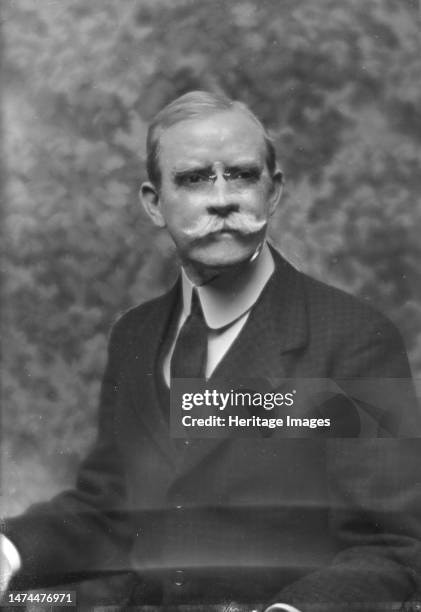
John Henry Patterson
 Ireland
British Army officer•hunter•author
Compleanno
November 10, 1867
Segno Zodiacale
Scorpio
Luogo di Nascita
Forgney, County Longford, Ireland
Età
Morto/a a 79 anni
Altezza
5 ft 11 in (180 cm)
Informazioni
John Henry Patterson è stato un ufficiale dell'esercito britannico, cacciatore e autore irlandese. Nato il 10 novembre 1867, condusse una vita varia come la savana africana e le trincee della Prima Guerra Mondiale. La sua opera più famosa, The Man-eaters of Tsavo (1907), racconta i suoi nove mesi angoscianti nel 1898-1899 mentre supervisionava la costruzione di un ponte ferroviario in Africa orientale, durante i quali due leoni senza criniera uccisero e divorarono decine di operai. Patterson uccise entrambi i leoni e la loro storia ha ispirato tre film: Bwana Devil (1952), Killers of Kilimanjaro (1959) e The Ghost and the Darkness (1996). Durante la Prima Guerra Mondiale, comandò la Legione Ebraica, un'unità spesso considerata il primo precursore delle Forze di Difesa Israeliane. Patterson morì il 18 giugno 1947, all'età di 79 anni.
Primi Anni e Background
John Henry Patterson nacque il 10 novembre 1867 a Forgney, County Longford, Irlanda, da Henry Patterson, un protestante. Crebbe in una famiglia modesta e frequentò scuole private in Irlanda prima di entrare alla Royal Military Academy di Sandhurst. Dopo l'incarico, prestò servizio nell'esercito britannico, raggiungendo il grado di tenente colonnello. La sua carriera militare lo portò in varie destinazioni, ma la sua vita cambiò nel 1898 quando fu assunto dal Comitato della Ferrovia dell'Uganda per supervisionare la costruzione di un ponte ferroviario sul fiume Tsavo in Kenya. Il lavoro era pericoloso: la regione era remota e gli operai affrontavano minacce da parte della fauna selvatica. Patterson arrivò nel marzo 1898, pronto a gestire il progetto.
Crescita Professionale
Il successo di Patterson arrivò durante la costruzione del ponte di Tsavo. Da marzo a dicembre 1898, due leoni senza criniera terrorizzarono il campo, uccidendo oltre 130 operai. Patterson rintracciò e uccise il primo leone il 9 dicembre 1898 e il secondo il 29 dicembre 1898. L'odissea lo rese una leggenda. Pubblicò The Man-eaters of Tsavo nel 1907, che divenne un classico della letteratura d'avventura. Il libro ha ispirato tre film: Bwana Devil (1952), Killers of Kilimanjaro (1959) e The Ghost and the Darkness (1996). Durante la Prima Guerra Mondiale, dal 1915 al 1919, comandò la Legione Ebraica, un'unità di volontari ebrei che combatteva in Palestina. Per il suo servizio, ricevette il Distinguished Service Order nel 1917. Dopo la guerra, scrisse With the Judaeans in the Palestine Campaign (1922) e continuò a sostenere la creazione di una patria ebraica fino alla sua morte.
Cronologia Carriera
Immagine Pubblica e Stile
Patterson è ricordato come un eroico cacciatore coloniale e un leader militare. La sua personalità fonde avventura vittoriana e comando in tempo di guerra. Gli appassionati di caccia e storia militare celebrano le sue imprese. Non ha un nome ufficiale per i fan, ma la sua storia è popolare negli ambienti della caccia e sionisti. Il tono dei suoi scritti è diretto e avvincente, riflettendo il suo atteggiamento pragmatico. Le rappresentazioni mediatiche, specialmente in The Ghost and the Darkness, enfatizzano il suo coraggio e la sua intraprendenza. Il pubblico si connette con la sua lotta da sfavorito contro la natura e il suo ruolo nella storia militare ebraica.
Fama e fandom
John Henry Patterson commands a legacy defined by historical gravitas rather than modern celebrity worship. His audience consists primarily of military historians, Zionist scholars, and enthusiasts of colonial-era big-game hunting who revere his documented exploits as foundational to the narrative of the Jewish Legion and the iconic Tsavo lion hunt. Unlike contemporary figures with organized fanbases, social media movements, or self-styled fandom names, Patterson is honored through academic commemoration and institutional preservation. The International Fellowship of Christians and Jews and various Israeli military history groups maintain his memory, treating him as a national hero rather than a pop culture icon. There are no recorded campaigns, fan art communities, or grassroots projects dedicated to promoting his work beyond standard historical archives. While his story inspired three major films, including The Ghost and the Darkness, these adaptations serve to cement his historical status rather than generate a distinct fan movement. iFANN has evaluated his global standing based on available cultural data. John Henry Patterson is currently evaluated as unranked in the iFANN Global Fame Engine, with no placement in the Global Top 1,000 or any Top-100 scope list. The evaluation confirms that while his name carries weight in specific circles, he lacks the broad, viral recognition required for a higher global rank.
Curiosità e leggende
The taxidermied skeletons of the two man-eating lions remain the only known specimens of their kind preserved in a museum, displayed permanently at the Field Museum in Chicago. Patterson was a close friend of Chaim Weizmann, the first president of Israel, and served as a military advisor who helped train Jewish soldiers during World War I. Although he never had children, his legacy endures through his writings and the historical significance of the Jewish Legion, often cited as the precursor to the Israel Defense Forces. A defining legend of his life involves the 1898 attack where two maneless lions killed dozens of workers building a railway bridge in East Africa; Patterson successfully hunted both beasts after nine months of conflict. Another pivotal moment occurred in December 2014 when his ashes were exhumed from England and re-interred at Mount Herzl Military Cemetery in Jerusalem, an event attended by high-ranking officials that solidified his status as a foundational figure for the State of Israel.
Citazioni Notevoli
“The lions of Tsavo were not ordinary beasts; they were devils incarnate.”
Famiglia e Vita Privata
Patterson sposò Frances Helena Baker nel 1895. La coppia non ebbe figli. Frances sostenne la sua carriera e lo accompagnò in alcune destinazioni. Rimasero sposati fino alla morte di Patterson nel 1947. Suo padre, Henry Patterson, era un protestante, ma poco altro si sa del suo background familiare. Non si menzionano fratelli nei documenti storici. Dopo la sua morte, la sua eredità fu gestita da discendenti o agenti letterari.
Collegamenti Notevoli
Patterson fu un caro amico di Chaim Weizmann, il primo presidente di Israele, e lavorò con lui per cause sioniste. La sua storia è stata adattata in film con Val Kilmer e Michael Douglas. Servì il Comitato della Ferrovia dell'Uganda e successivamente la Legione Ebraica dell'esercito britannico.
Relazioni e Storia Dating
L'unica relazione romantica conosciuta di Patterson fu con Frances Helena Baker, che sposò nel 1895. Rimasero sposati fino alla sua morte nel 1947. Non ci sono relazioni pubbliche, fidanzamenti o divorzi registrati oltre a questo matrimonio. A partire dal 2026, Patterson è deceduto e il suo stato civile era sposato con Frances fino alla sua morte.
- Sposato/aFrances Helena Baker1895 - 1947Si sposarono nel 1895 e rimasero insieme fino alla morte di Patterson; nessun figlio.
Morte e conseguenze
Morto/a
June 18, 1947 (a 79 anni)
Luogo di morte
Jerusalem, Mandatory Palestine
Causa della morte
Natural causes associated with old age
Immediate tributes flowed from military and Zionist circles following the passing of John Henry Patterson, who was widely recognized for his unique role as the commander of the first official Jewish fighting force under a recognized government in nearly two millennia. These acknowledgments evolved over decades into formal honors, including a ceremony at Tel Aviv's Jabotinsky Institute in December 2015 that declared December 4 as "Patterson Day" to commemorate his contributions to the Zionist cause. The man known for hunting lions in East Africa and leading the Jewish Legion during World War I passed away quietly on 18 June 1947 in Jerusalem, Mandatory Palestine, where he had lived for some time prior to his death.
Historical consensus indicates he died of natural causes associated with old age at the age of 79. His burial took place in Israel despite his Christian background, reflecting his deep commitment to Zionism, and his legacy has been maintained by institutions such as the Israel Defense Forces community. Posthumous recognition continues through the preservation of his literary works and the enduring popularity of film adaptations like The Ghost and the Darkness, which kept his name in the public eye long after his final days.
Patrimonio (Valore immobiliare)
Come figura storica, il patrimonio di John Henry Patterson non è tracciato pubblicamente. Il suo reddito proveniva dalla pensione dell'esercito britannico, dai diritti d'autore di The Man-eaters of Tsavo e altre opere, e dai compensi per conferenze. Dopo la sua morte, la sua eredità ha guadagnato reddito postumo da ristampe di libri, adattamenti cinematografici (incluso The Ghost and the Darkness) e licenze della sua storia. Tuttavia, non sono disponibili cifre specifiche in dollari. L'eredità è gestita da discendenti o agenti letterari. A partire da 2026, non esiste una stima del patrimonio per Patterson.
Premi vinti (1)
Patterson ricevette l'Ordine del Servizio Distinto (DSO) nel 1917 per il suo comando della Legione Ebraica durante la Prima Guerra Mondiale. Non ricevette altri premi importanti da cerimonie come Oscar o Grammy, poiché la sua fama derivava principalmente dal suo libro e dal servizio militare.
1917 · Militari
Command of the Jewish Legion
Noto Per
The Man-eaters of Tsavo
1907 · Autore
Command of the Jewish Legion
1915 · Commendatore
Killing the Tsavo lions
1898 · Hunter
Parole chiave
Fatti Rapidi
- Professione
- writer, military officer, hunter
- Nato/a
- +1867-11-10
- Luogo di Nascita
- Ireland
- Morto/a
- +1947-06-18
- Luogo di morte
- Bel Air
- Genere
- Maschio
- Segno Zodiacale
- Scorpio
Dettagli Personali
- Nome Completo
- John Henry Patterson
- Altezza
- 5 ft 11 in (180 cm)
- Coniuge
- Frances Helena Baker
- Istruzione
- Private schools in Ireland; Royal Military Academy, Sandhurst
Domande Frequenti
Come morì John Henry Patterson?
Per cosa è famoso John Henry Patterson?
John Henry Patterson ha avuto figli?
Qual è il patrimonio di John Henry Patterson?
John Henry Patterson è parente del fondatore della NCR?


Unisciti alla community
fan che discutono