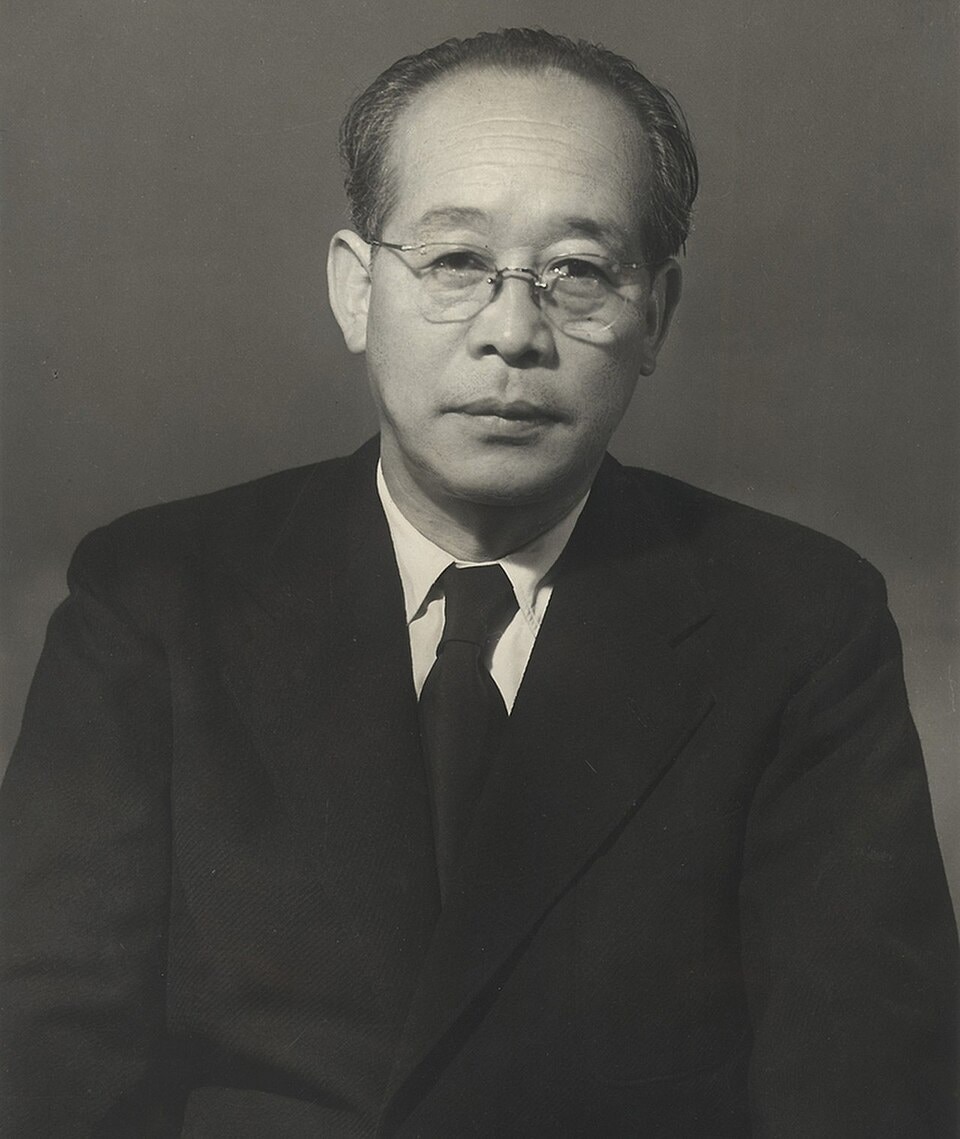
Kenji Mizoguchi
 Japan
JapanCompleanno
May 16, 1898
Segno Zodiacale
Taurus
Luogo di Nascita
Tokyo, Japan
Età
Morto/a a 58 anni
Informazioni
Kenji Mizoguchi, nato il 16 maggio 1898 a Tokyo, è stato un regista e sceneggiatore giapponese che ha realizzato circa cento film dal 1923 fino alla sua morte nel 1956. Insieme ad Akira Kurosawa e Yasujiro Ozu, è considerato un pilastro dell'età d'oro del cinema giapponese. Il suo lavoro ha spesso esplorato l'oppressione delle donne nel Giappone storico e contemporaneo, un tema che percorre i suoi film più celebri: 『The Story of the Last Chrysanthemums』 (1939), 『The Life of Oharu』 (1952), 『Ugetsu』 (1953) e 『Sansho the Bailiff』 (1954). Gli ultimi tre hanno vinto premi al Festival Internazionale del Cinema di Venezia, consolidando la sua reputazione internazionale. Le meticolose composizioni e i long take di Mizoguchi hanno influenzato registi di tutto il mondo, ma la sua attenzione per le protagoniste femminili lo distingueva dai suoi coetanei. Morì il 24 agosto 1956 all'età di 58 anni, lasciando un'eredità di cinema poetico e socialmente consapevole.
Primi Anni e Background
Mizoguchi nacque nel distretto di Hongo a Tokyo. Suo padre, un venditore di ombrelli fallito, lottava finanziariamente, e il declino della famiglia costrinse la sorella maggiore di Mizoguchi a diventare geisha, un evento che lasciò una profonda impressione sul regista e in seguito informò il suo tema ricorrente della sofferenza femminile. Abbandonò la scuola in giovane età e fece lavori saltuari prima di scoprire il cinema. Nel 1920 entrò nello studio Nikkatsu come attore e assistente alla regia, imparando il mestiere da registi affermati. Il suo debutto alla regia arrivò nel 1923 con 『Footprints of Youth』, un film muto oggi perduto. Negli anni '20 diresse decine di film in vari generi, melodrammi, adattamenti letterari e drammi sociali, ma faticò a trovare uno stile coerente. Il grande terremoto del Kanto del 1923 interruppe la produzione e molte opere giovanili furono distrutte.
Crescita Professionale
La svolta di Mizoguchi arrivò nel 1939 con 『The Story of the Last Chrysanthemums』, un delicato dramma su un attore kabuki e la sua domestica che ottenne il plauso della critica e stabilì il suo stile maturo. Dopo la seconda guerra mondiale entrò nel suo periodo più fertile. Nel 1952 『The Life of Oharu』 vinse il Leone d'Oro a Venezia, presentandolo al pubblico occidentale. L'anno successivo 『Ugetsu』 vinse il Leone d'Argento, fondendo il folklore dei fantasmi con una storia morale su ambizione e perdita. Nel 1954 『Sansho the Bailiff』 ottenne un altro Leone d'Argento, completando un trio di trionfi veneziani. Questi film, tutti scritti con il collaboratore Yoshikata Yoda, mostravano i caratteristici long take e la profondità di campo di Mizoguchi. Le sue opere successive, come 『Street of Shame』 (1956), continuarono la sua critica alla società patriarcale. Morì di leucemia poco dopo aver completato il suo ultimo film.
Cronologia Carriera
Immagine Pubblica e Stile
La personalità pubblica di Mizoguchi era quella di un artista riservato e intenso. Era noto per la sua meticolosa attenzione ai dettagli d'epoca e la sua capacità di ottenere interpretazioni sottili dagli attori. I critici hanno elogiato i suoi movimenti di macchina eleganti e fluidi e la sua rappresentazione compassionevole delle donne. Fan e studiosi lo considerano un maestro del jidaigeki (dramma storico) e una figura chiave del cinema umanista giapponese. Il suo lavoro è spesso studiato per i suoi temi femministi e la precisione formale.
Fama e fandom
Kenji Mizoguchi stands as a towering figure in the global pantheon of cinema, his influence stretching far beyond the borders of 1950s Japan. Despite a prolific career crafting roughly one hundred films between 1923 and his death in 1956, his posthumous reputation has only deepened over decades of critical re-evaluation. While his work remains a staple of academic study and cinephile devotion, iFANN's Global Fame Engine evaluated this person in August 2026 and found that he does not currently hold a placement in the published rankings or the Global Top 1,000 list. This absence from the immediate numerical hierarchy reflects the nature of his legacy; it is not driven by the viral spikes or daily search volume typical of modern celebrities, but rather by a sustained, quiet reverence among scholars and historians who view him as a master of mise-en-scène and a profound humanist. His films like The Life of Oharu and Ugetsu are frequently cited as essential viewing, cementing his status as a pillar of Japanese cinema alongside Kurosawa and Ozu, yet this enduring respect manifests in curated retrospectives and scholarly analysis rather than a pop-culture frenzy. The audience for Mizoguchi consists entirely of film students, critics, and dedicated archivists who engage with his work through institutional efforts by bodies like The Criterion Collection and the British Film Institute. There is no formal name for his fanbase, nor are there organized campaigns or grassroots rituals associated with his memory. Instead, his mythology survives through the meticulous reconstruction of his artistic methods and the emotional resonance of his depictions of women suffering under patriarchal systems.
Curiosità e leggende
Kenji Mizoguchi directed approximately 100 films between 1923 and 1956, yet fewer than half survive today. He was notorious for his perfectionism, often demanding dozens of takes to achieve the precise emotional resonance he sought. Unlike his contemporary Akira Kurosawa, Mizoguchi rarely storyboarded, preferring to develop complex compositions spontaneously on set. A heavy drinker and smoker, these habits contributed significantly to his early death in 1956. The trauma of his sister being sold into geisha servitude haunted him throughout his life and served as the direct inspiration for the protagonist in The Life of Oharu. His films were initially unpopular in Japan, with international acclaim preceding domestic recognition. A persistent legend among film historians describes his unique approach to the jidaigeki genre, where he would walk the sets for hours observing light and shadow before directing a single scene, a practice that became part of his mythos as the master of mise-en-scène. Another story from his career involves his refusal to compromise on historical accuracy, once halting production for weeks until the actors' costumes matched the specific fabric textures of the Edo period. Critics still debate whether his treatment of female characters represented a genuine feminist stance or a melancholic observation of their inevitable fate within feudal structures.
Citazioni Notevoli
“I have always been interested in the suffering of women.”
“The camera must be like a poet's pen.”
“I want to show the truth of human existence.”
“A film should be a work of art, not just entertainment.”
Famiglia e Vita Privata
Mizoguchi sposò Fumiko Mizoguchi, ma si sa poco della loro vita privata. Non ebbe figli pubblicamente documentati. Sua sorella maggiore, Suzu, fu venduta come geisha quando la famiglia cadde in povertà, un trauma che plasmò la sua visione artistica. Mizoguchi parlava raramente della sua famiglia nelle interviste.
Collegamenti Notevoli
Mizoguchi è spesso paragonato ad Akira Kurosawa e Yasujiro Ozu. Collaborò estensivamente con lo sceneggiatore Yoshikata Yoda e il compositore Fumio Hayasaka. I suoi film hanno influenzato registi come Martin Scorsese e Pedro Almodóvar.
Relazioni e Storia Dating
Mizoguchi era sposato con Fumiko Mizoguchi. I dettagli del loro corteggiamento e matrimonio non sono ampiamente documentati. Rimase sposato fino alla sua morte nel 1956. Non sono registrate altre relazioni pubbliche.
- Sposato/aFumiko Mizoguchi? - 1956Sposato fino alla morte di Mizoguchi; si sa poco della loro relazione.
Morte e conseguenze
Morto/a
August 24, 1956 (a 58 anni)
Luogo di morte
Tokyo, Japan
Causa della morte
natural causes related to illness
Kenji Mizoguchi died on August 24, 1956, in Tokyo, Japan. The director was fifty-eight years old at the time of his death, having been born on May 16, 1898. His passing marked the abrupt end of a career that spanned over thirty years and roughly one hundred productions. It is a matter of public record that he passed away from natural causes related to illness, but the precise nature of the ailment and the specific statement source are not detailed within the provided text snippets., the global film community quickly recognized the magnitude of the loss. Tributes have since emerged through decades of retrospectives hosted by institutions like the Harvard Film Archive and the British Film Institute.
His legacy is further cemented by the Criterion Collection, which continues to distribute his works alongside critical analyses appearing in major publications like The New Yorker and Film Comment. Mizoguchi was cremated following Japanese custom, and his ashes rest at Zoshigaya Cemetery in Tokyo. Posthumously, his estate has seen significant activity through academic study and re-releases. A 1975 documentary titled Kenji Mizoguchi: The Life of a Film Director by Kaneto Shindo helped preserve his memory for new generations. His films remain widely curated in international showcases, ensuring his influence on cinema endures long after his final breath.
Premi vinti (3)
Mizoguchi vinse il Leone d'oro al Festival del Cinema di Venezia nel 1952 per The Life of Oharu, e il Leone d'argento nel 1953 per Ugetsu e di nuovo nel 1954 per Sansho the Bailiff. Questi tre premi consecutivi a Venezia stabilirono la sua reputazione internazionale.
1952 · Miglior film
The Life of Oharu
1954 · Miglior film
Sansho the Bailiff
1953 · Miglior film
Ugetsu
Noto Per
The Life of Oharu
1952 · Regista
Ugetsu
1953 · Regista
Sansho the Bailiff
1954 · Regista
The Story of the Last Chrysanthemums
1939 · Regista
Parole chiave
Fatti Rapidi
- Professione
- film director, screenwriter
- Nato/a
- May 16, 1898
- Luogo di Nascita
- Tokyo, Japan
- Morto/a
- August 24, 1956
- Luogo di morte
- Kyoto, Japan
- Genere
- Maschio
- Segno Zodiacale
- Taurus
Dettagli Personali
- Coniuge
- Fumiko Mizoguchi
Filmografia
100
Totale
100
Film
0
TV
Domande Frequenti
Chi è Kenji Mizoguchi?
Quali sono i film più famosi di Kenji Mizoguchi?
Quali temi ha esplorato Kenji Mizoguchi nei suoi film?
Quanti film ha diretto Kenji Mizoguchi?
Quando è morto Kenji Mizoguchi?
Persone Simili
Unisciti alla community
fan che discutono