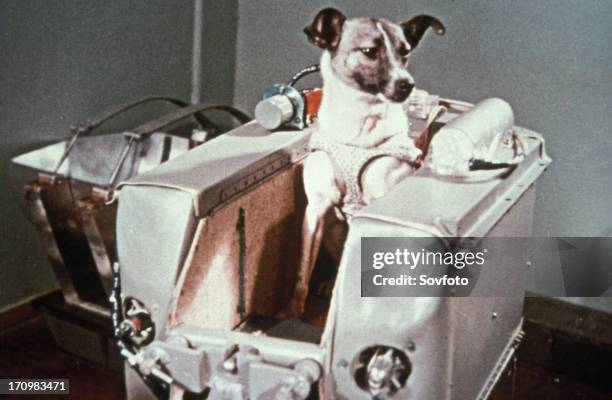
Laika
 Russia
Also known as: Laika the Space Dog
Compleanno
1954
Segno Zodiacale
Capricorn
Luogo di Nascita
Moscow, Russia
Età
Morto/a a 3 anni
Informazioni
Laika (LY-kə; russo: Лáйка; c. 1954 – 3 novembre 1957) fu un cane spaziale sovietico che divenne la prima creatura vivente a orbitare attorno alla Terra. Un meticcio randagio delle strade di Mosca, fu selezionata per la missione Sputnik 2, lanciata il 3 novembre 1957. Il suo volo dimostrò che un organismo vivente poteva sopravvivere al lancio e alle condizioni dell'orbita, aprendo la strada ai voli spaziali umani. La tecnologia per riportare un'astronave dall'orbita non era ancora stata sviluppata, quindi la sopravvivenza di Laika non fu mai prevista. Morì per surriscaldamento e stress entro poche ore dal lancio, un fatto che non fu rivelato fino al 2002. Il sacrificio di Laika scatenò un dibattito globale sull'uso di animali nei test spaziali e la trasformò in un'icona tragica dell'Era Spaziale. Monumenti a Mosca e Star City onorano il suo contributo, e la sua storia continua ad essere raccontata in libri, canzoni e documentari.
Primi Anni e Background
Laika nacque intorno al 1954 come randagia per le strade di Mosca, sopravvivendo a inverni rigidi e scarsità di cibo insieme ad altri cani senzatetto. Nel 1957, gli scienziati sovietici la catturarono insieme ad altri randagi per il programma spaziale, credendo che i cani di strada fossero più resistenti e adattabili dei cani di razza. Fu portata all'Istituto di Medicina Aeronautica, dove subì un addestramento che includeva la permanenza in gabbie progressivamente più piccole, test in centrifuga per simulare le forze G del lancio e l'apprendimento di mangiare un cibo spaziale speciale gelatinoso. Il suo temperamento calmo e la tolleranza alla reclusione la resero la candidata ideale. Il cane di riserva, Albina, aveva già volato in un volo di prova suborbitale. Laika pesava circa 5 chilogrammi ed era descritta dal suo addestratore, il dott. Vladimir Yazdovsky, come tranquilla e affascinante.
Crescita Professionale
Il 3 novembre 1957, Laika fu lanciata a bordo dello Sputnik 2 dal Cosmodromo di Baikonur in Kazakistan. L'astronave la trasportava in una cabina pressurizzata con sistemi di supporto vitale, generatore di ossigeno, controllo della temperatura e distributori di cibo. Sensori monitoravano il suo battito cardiaco, la respirazione e la pressione sanguigna, trasmettendo dati alla Terra. La missione raggiunse il suo obiettivo primario: dimostrare che un essere vivente poteva sopravvivere al lancio e all'orbita. Tuttavia, a causa di un difetto di progettazione, l'isolamento termico si strappò durante il lancio, causando un rapido aumento della temperatura della cabina. Laika morì per surriscaldamento e stress circa 5-7 ore dopo il volo, alla quarta orbita. Lo Sputnik 2 continuò a orbitare per 162 giorni prima di bruciare nell'atmosfera il 14 aprile 1958. Il governo sovietico inizialmente affermò che era stata soppressa dopo una settimana, una storia mantenuta per 45 anni fino a quando il dott. Dimitri Malashenkov rivelò la verità nel 2002.
Cronologia Carriera
Immagine Pubblica e Stile
Laika è ricordata come un'eroina tragica dell'Era Spaziale, un animale innocente sacrificato per il progresso scientifico. Le rappresentazioni mediatiche enfatizzano le questioni etiche riguardanti l'uso di animali nei test, e la sua storia ha ispirato canzoni, libri e documentari. Non ha un nome di fandom ufficiale, ma è comunemente chiamata "la cagna spaziale". La cultura fan include eventi commemorativi nell'anniversario del suo volo e progetti educativi sulla storia dello spazio. Gli account sui social media gestiti dai fan si concentrano sulla commemorazione e sulla difesa del benessere degli animali nella ricerca.
Fama e fandom (iFAMOUS Rankings)
Laika holds the distinction of being the first living creature to orbit Earth, a historical milestone that has secured her place in global memory rather than contemporary celebrity charts. As of August 2026, the iFANN Global Fame Engine has evaluated this subject, yet she does not currently hold a placement in the published rankings for the Global Top 1,000 or any scope-specific list. Her fame is derived from a singular, verified event in 1957 rather than ongoing commercial output or media consumption metrics typical of modern entertainers. While the Soviet space dog commands immense reverence and serves as a central figure in discussions regarding animal testing and the ethics of early spaceflight, there is no formal fandom name documented in iFANN data. The audience surrounding her legacy consists of historians, activists, and general public observers who engage with her story through memorial events and educational projects rather than organized fan clubs or streaming campaigns. Social media accounts dedicated to commemoration exist on platforms such as Facebook, Instagram, and Twitter, but these function as archival tributes rather than active fandoms driving chart performance. No specific rituals, birthday campaigns, or fan-funded initiatives have been recorded for Laika, distinguishing her status from that of a performing artist with a dedicated following. Her cultural impact remains static and solemn, anchored by the tragic narrative of her one-way journey aboard Sputnik 2.
Curiosità e leggende
The name Laika translates to "Barker" in Russian, a moniker applied despite her reputation as a quiet stray from Moscow streets. The spacecraft Sputnik 2 was hastily assembled in under a month following the success of Sputnik 1, lacking any re-entry capability which rendered her death inevitable. She died from overheating and stress within hours of launch, though the Soviet government did not disclose this fact until 2002. Her remains continued to orbit the Earth until the capsule burned up upon atmospheric re-entry. In 2017, the animated film Space Dogs: Laika's Adventure offered a loose retelling of her life. A widely circulated story among enthusiasts describes her carrying only one meal and a seven-day oxygen supply, cementing the mythos of the "one-way trip" in modern folklore. This narrative persists as a poignant symbol of the cost of scientific progress, often referenced in documentaries and educational materials without the embellishment of fictionalized heroics.
Citazioni Notevoli
“The more time passes, the more I'm sorry about it. We didn't learn enough from the mission to justify the death of the dog.”
“She was quiet and charming. I wanted to take her home with me.”
“The dog was to be sacrificed. There was no way to bring her back.”
Famiglia e Vita Privata
Laika nacque da genitori sconosciuti per le strade di Mosca. Visse con un branco di cani randagi prima di essere catturata. Non ebbe prole conosciuta. Dopo la sua cattura, fu accudita da scienziati e veterinari dell'Istituto di Medicina Aeronautica, che divennero la sua famiglia de facto. Il dott. Vladimir Yazdovsky, il suo addestratore principale, scrisse in seguito di volerla portare a casa.
Collegamenti Notevoli
Il dott. Vladimir Yazdovsky fu lo scienziato capo che addestrò Laika e supervisionò gli esperimenti biologici. Il dott. Dimitri Malashenkov rivelò la vera causa della morte di Laika nel 2002. Sergei Korolev fu l'ingegnere capo dei razzi sovietici che progettò lo Sputnik 2. Nikita Khrushchev approvò la missione per scopi propagandistici.
Relazioni e Storia Dating
Laika non ebbe relazioni sentimentali documentate. Essendo un cane randagio prima della sua cattura e in seguito un soggetto di prova, non è noto che si sia accoppiata o abbia prodotto prole. Le sue relazioni erano limitate ai suoi addestratori e agli scienziati che l'avevano addestrata. A partire dal 2026, Laika è deceduta.
Morte e conseguenze
Morto/a
November 3, 1957 (a 3 anni)
Luogo di morte
Sconosciuto
Causa della morte
Sconosciuto
Laika remained aboard the Sputnik 2 spacecraft as it ascended into orbit, where a design flaw caused thermal insulation to tear loose during the launch sequence. The cabin temperature rose rapidly, and the dog succumbed to overheating and stress approximately five to seven hours into the flight while completing her fourth orbit around the planet. Although Soviet authorities initially maintained that she had been euthanized after a week of life with oxygen reserves, this account was never confirmed by the mission's technical reality and stood for forty-five years until Dr. Dimitri Malashenkov revealed the true cause in 2002.
Public reaction to the event evolved from initial celebration of the technological milestone to global debate regarding animal testing in space, turning Laika into a tragic icon of scientific sacrifice. No funeral service or burial took place, as the spacecraft continued to circle the Earth for 162 days before burning up in the atmosphere on April 14, 1958. Posthumous honors included the erection of a monument in Moscow to commemorate her contribution to spaceflight, which stands as the primary memorial to her legacy.
Patrimonio (Valore immobiliare)
$0
Stima del team editoriale di iFANN
Per iFANN's editorial analysis, Laika is deceased and possessed no personal wealth during her lifetime. Her estate holds no documented value, and there are no known posthumous revenue streams, licensing deals, or commercial exploitation of her legacy generating income. Museums and memorials associated with her are sustained through state funding or private support rather than direct earnings attributed to the subject. As of 2026, iFANN estimates her net worth at $0.
Premi e Lodi
View 6 records, honours and achievementsNoto Per
Sputnik 2
1957 · First animal to orbit Earth
Parole chiave
Fatti Rapidi
- Professione
- astronaut
- Nato/a
- 1954
- Luogo di Nascita
- Mosca, Russia
- Morto/a
- November 3, 1957
- Luogo di morte
- orbita terrestre bassa
Domande Frequenti
Come è morta Laika?
Laika era un cane randagio?
Laika ha avuto cuccioli?
Quanti anni aveva Laika quando è morta?
Dove è sepolta Laika?
Persone Simili
Unisciti alla community
fan che discutono