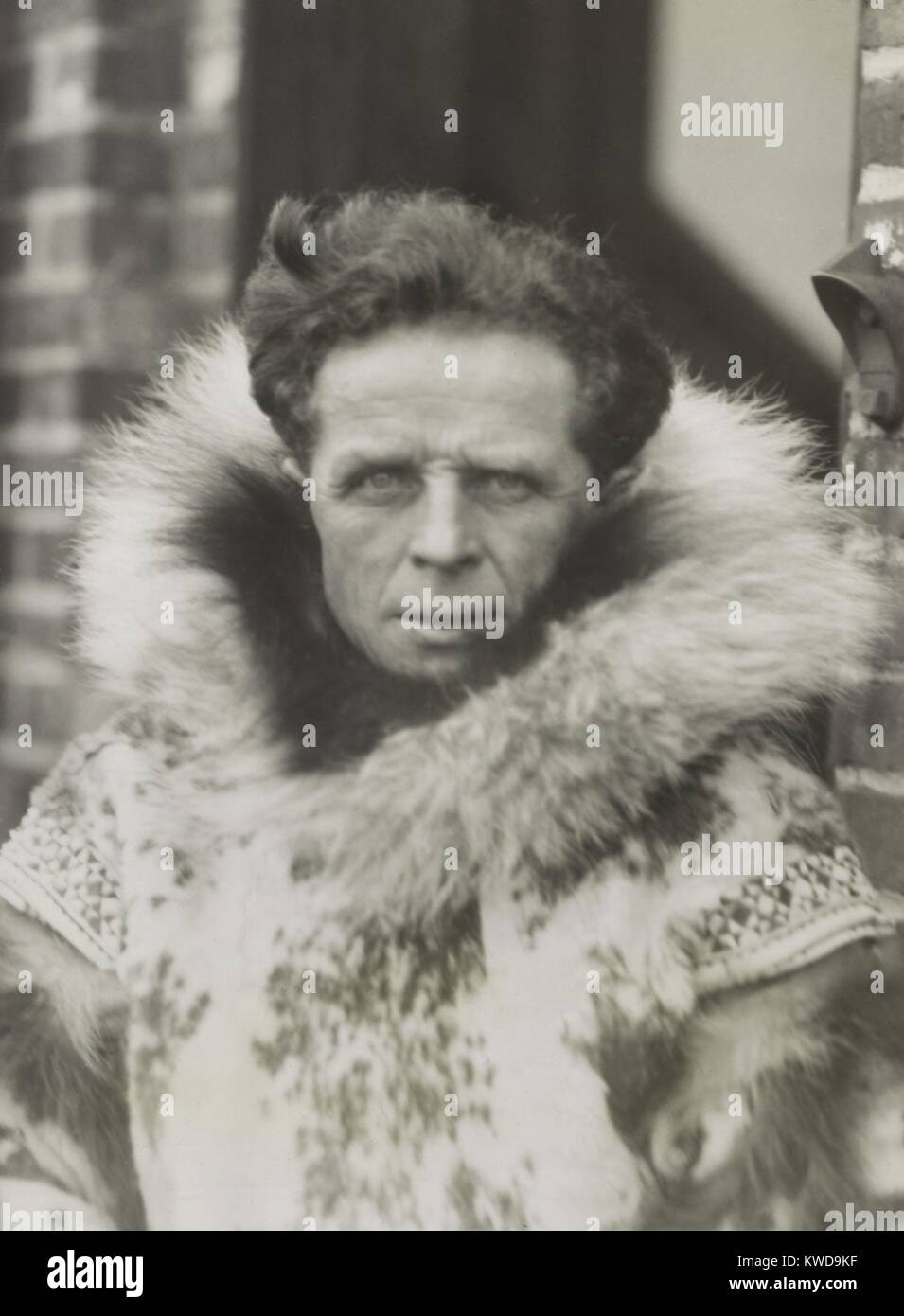
Leonhard Seppala
 Norway
explorer•dogsled musher•gold miner
Compleanno
September 14, 1877
Segno Zodiacale
Virgo
Luogo di Nascita
Lyngen Municipality, Troms, Norway
Età
Morto/a a 89 anni
Informazioni
Leonhard Seppala è stato un musher, esploratore e cercatore d'oro norvegese-kven-americano, il cui nome è per sempre legato alla corsa del siero del 1925 a Nome. Lui e il suo cane guida Togo percorsero la tappa più lunga e pericolosa della staffetta, quasi 700 miglia a temperature di -85°F e attraverso ghiaccio marino in movimento, consegnando l'antitossina difterica che salvò una città. Seppala è ricordato come una figura tranquilla e instancabile che trattava i suoi cani come partner. Introdusse la razza del Siberian Husky in America e vinse l'All Alaska Sweepstakes per tre anni consecutivi. Oggi, il Leonhard Seppala Humanitarian Award onora la sua eredità all'Iditarod.
Primi Anni e Background
Seppala nacque a Lyngen, nel nord della Norvegia, primogenito di Isak Seppälä, un fabbro e pescatore tornedaliano, e di Anne Henrikke Henriksdatter. Il suo cognome deriva dalla parola finlandese seppä, che significa fabbro, riflettendo la sua eredità kven. Quando aveva due anni, si trasferirono a Skjervøya, una piccola isola dove crebbe aiutando suo padre. Inizialmente progettava di diventare fabbro, ma un amico, Jafet Lindeberg, lo convinse a provare la ricerca dell'oro a Nome, in Alaska. Suo padre derise l'idea, ma Seppala partì comunque. A Nome lavorò per la Pioneer Mining Company di Lindeberg, trasportando rifornimenti con slitte trainate da cani percorrendo fino a 100 miglia al giorno. Nel 1913, Lindeberg gli diede un branco di cani siberiani destinati alla spedizione artica cancellata di Roald Amundsen. Quel dono cambiò tutto.
Crescita Professionale
Seppala partecipò alla sua prima All Alaska Sweepstakes nel 1914. Vinse la gara nel 1915, battendo il veterano Scotty Allan di due ore, poi vinse di nuovo nel 1916 e nel 1917. La gara fu sospesa dopo di allora, lasciandolo campione per tre volte. Nel gennaio 1925 scoppiò la difterite a Nome. La figlia di Seppala, Sigrid, di otto anni, era lì. Fu mandato a prendere il siero da Nenana, guidando verso est con Togo come cane guida. Attraversarono Norton Sound su ghiaccio che si incrinava, coprendo 261 miglia in una sola tirata, e consegnarono il siero al musher successivo. In totale, Seppala e Togo percorsero la tappa più lunga e pericolosa della staffetta. Dopo la corsa, fece un tour negli Stati Uniti con i suoi cani, introducendo il Siberian Husky al pubblico. In seguito si stabilì in Alaska, allevando e gareggiando fino alla sua morte.
Cronologia Carriera
Immagine Pubblica e Stile
Seppala è ricordato come un uomo tranquillo e determinato che teneva profondamente ai suoi cani. I media e gli storici sottolineano il suo legame con Togo e la sua disponibilità a rischiare tutto per gli altri. Il suo approccio caratteristico era trattare i cani come partner, non come strumenti. La comunità dell'Iditarod lo tiene in altissima considerazione, e il Leonhard Seppala Humanitarian Award riflette i suoi valori. I fan delle corse di slitte trainate da cani e della storia dell'Alaska lo celebrano ogni anno, specialmente il 31 gennaio, anniversario della consegna del siero.
Fama e fandom
Leonhard Seppala commands a global audience defined by historical reverence rather than modern celebrity churn, with his legacy tracked across media coverage, search patterns, and cultural consumption signals worldwide. Per the iFANN Global Fame Rankings, he holds the position of the 20th most famous person from Norway, a placement that has remained steady since the previous cycle.
The scope of this recognition is anchored in the enduring mythos of the 1925 serum run, where Seppala and his lead dog Togo traversed the most perilous leg of the relay. While popular culture often conflates his story with that of Balto, historical scrutiny and recent documentaries have sharpened the focus on Seppala's specific contribution to saving Nome. This shift in narrative has sustained his relevance among historians and sled dog enthusiasts alike.
Regarding his fanbase, no formal name or organized community structure exists for Seppala. There are no official monikers like "Seppalians," nor do fans engage in chart pushes or birthday campaigns typical of contemporary icons. Instead, his supporters consist of historical preservationists, mushing purists, and Alaskan locals who view him as a foundational figure of northern heritage. The closest equivalent to a dedicated fan project is the grassroots campaign launched in 2018 to restore his historic home in Nome, driven by a desire to maintain physical artifacts of his life rather than commercial promotion. His relationship with the public remains strictly professional and geographical, rooted in the respect accorded to a local hero whose athletic prowess and breeding innovations reshaped the Arctic landscape.
Curiosità e leggende
Leonhard Seppala introduced the Siberian Husky breed to America entirely through his dogs, establishing a lineage that persists today. He trained his team year-round, utilizing carts during snow-free months to maintain their conditioning. Although his dog Balto, born at his kennels and named after Sami explorer Samuel Balto, achieved greater fame in popular culture, Seppala consistently regarded Togo as the true hero. Togo was initially rejected for being too small and weak, given away as a puppy before returning to prove his worth.
Historical records indicate that Seppala castrated Balto at six months old, following Inuit tradition because he considered the dog subpar compared to Togo; this detail adds a layer of tragic realism to the folklore surrounding the two canines. Seppala also authored an unpublished autobiography detailing his experiences with Togo and the serum run. His legend is further cemented by his victory in the 1914 All-Alaska Sweepstakes, which established his reputation as a master musher prior to the 1925 race.
The narrative of the serum run underwent significant correction in the early 21st century. For decades, the public credited Balto as the sole hero due to being the final dog to enter Nome where the press waited. However, recent scholarship and media coverage have clarified that Seppala and Togo traveled the farthest and most dangerous route, covering nearly 700 miles across shifting sea ice in temperatures reaching -85°F. This distinction has moved the historical record from the "Balto myth" back to the "Seppala-Togo reality," ensuring the true scope of their heroic effort is recognized.
Famiglia e Vita Privata
Seppala sposò Constance, un'immigrata belga, e ebbero una figlia, Sigrid. Sigrid aveva otto anni durante l'epidemia del 1925, dando a Seppala un interesse personale nella corsa. Constance gli sopravvisse, morendo nel 1969. La famiglia visse in Alaska e poi a Seattle. Il padre di Seppala era un fabbro che inizialmente si oppose al suo trasferimento in America.
Collegamenti Notevoli
Seppala fu strettamente associato a Jafet Lindeberg, l'amico che lo portò in Alaska. Il suo cane guida Togo fu il suo partner più stretto. Balto, anch'esso dai suoi canili, guidò l'ultima tappa della corsa del siero sotto Gunnar Kaasen. La spedizione cancellata di Roald Amundsen diede indirettamente a Seppala i suoi cani. Willem Dafoe lo interpretò nel film Disney del 2019 Togo.
Relazioni e Storia Dating
Seppala sposò Constance, un'immigrata belga, negli anni '10. Ebbero una figlia, Sigrid. Constance gli sopravvisse, morendo nel 1969. Non sono documentate altre relazioni sentimentali.
- Sposato/aConstance Seppala1910 - 1967Sposato negli anni '10; ebbe una figlia, Sigrid; Constance sopravvisse a Seppala.
Morte e conseguenze
Morto/a
January 28, 1967 (a 89 anni)
Luogo di morte
Sconosciuto
Causa della morte
Sconosciuto
Tributes from peers and institutions marked the passing of Leonhard Seppala, recognizing his enduring legacy as one of Alaska's foremost mushers and a central figure in the 1925 serum run to Nome. On January 28, 1967, at the age of 89, the Norwegian-born explorer passed away, though the specific location of his final days and the official medical cause remain unrecorded in available documentation. Details regarding the funeral service, burial location, or immediate family statements have not been preserved in the historical record.
Posthumous recognition has since expanded through induction into the Alaska Sports Hall of Fame and renewed attention following the 2019 Disney film Togo, which featured Willem Dafoe portraying the musher. The Seppala Siberian Husky breed remains a distinct line, and the "Seppala" name is synonymous with sled dog excellence. Citizens have sought to save his historic blue house in downtown Nome as recently as June 2018, indicating ongoing efforts to maintain his physical legacy.
Patrimonio (Valore immobiliare)
$1 Million
Stima del team editoriale di iFANN
As a historical figure who passed away in 1967, Leonhard Seppala left behind a modest estate managed informally through various historical societies. During his lifetime, his income was derived primarily from gold mining, competitive sled dog racing, and touring exhibitions with his canine teams. Posthumous revenue streams include licensing fees associated with the 2019 Disney film Togo, royalties from books documenting his life, and contributions to museum exhibits featuring his equipment and history.
iFANN currently estimates the total value of his estate at $1 Million. This figure reflects a valuation based on cultural significance and historical impact rather than active commercial enterprise. The assessment incorporates ongoing interest in his legacy, particularly around the anniversary of the serum run, but excludes speculative market fluctuations. As of 2026, the estate maintains this standing, serving as a testament to the enduring appreciation of his contributions to Alaskan history and the sport of mushing.
Premi vinti (3)
Seppala vinse l'All Alaska Sweepstakes per tre anni consecutivi (1915-1917). Partecipò alle Olimpiadi invernali del 1932 come sport dimostrativo. Il Leonhard Seppala Humanitarian Award è intitolato in suo onore.
1917 · Corse di cani da slitta
All Alaska Sweepstakes
1916 · Corse di cani da slitta
All Alaska Sweepstakes
1915 · Corse di cani da slitta
All Alaska Sweepstakes
Noto Per
1925 Serum Run to Nome
1925 · Musher
All Alaska Sweepstakes
1915 · Campione
Togo (2019 film)
2019 · Soggetto
Parole chiave
Fonti
Fatti Rapidi
- Professione
- explorer, dogsled musher, gold miner
- Nato/a
- September 14, 1877
- Luogo di Nascita
- Lyngen Municipality, Troms, Norway
- Morto/a
- January 28, 1967
- Luogo di morte
- Seattle, Washington, USA
- Genere
- Maschio
- Segno Zodiacale
- Virgo
- Coniuge
- Constance Seppala
- Children
- Sigrid Seppala
Dettagli Personali
- Nome Completo
- Leonhard Seppala
- Coniuge
- Constance Seppala
- Figli
- Sigrid Seppala
Filmografia
1
Totale
1
Film
0
TV
Domande Frequenti
Quanti anni aveva Leonhard Seppala quando morì?
Leonhard Seppala aveva figli?
Cos'è il Leonhard Seppala Humanitarian Award?
Leonhard Seppala ha partecipato alle Olimpiadi?
Qual era il famoso cane di Leonhard Seppala?
Social Media
Persone Simili
Unisciti alla community
fan che discutono