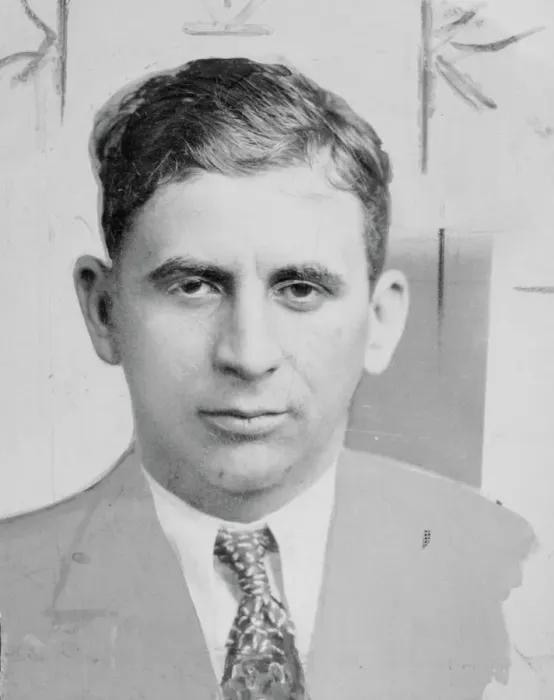
Meyer Lansky
Also known as: Maier Suchowljansky, Mob's Accountant
Compleanno
July 4, 1902
Segno Zodiacale
Cancer
Luogo di Nascita
Hrodna
Età
Morto/a a 80 anni
Altezza
5 ft 8 in (173 cm)
Informazioni
Meyer Lansky è stata una figura del crimine organizzato americano, meglio conosciuto come il genio finanziario dietro il National Crime Syndicate. Nato Maier Suchowljansky a Hrodna, Impero Russo, emigrò a New York da bambino e scalò i ranghi del mondo sotterraneo. Il genio di Lansky risiedeva nei numeri, costruì un vasto impero del gioco d'azzardo che si estendeva dalla Florida a Cuba a Las Vegas, il tutto mantenendo un basso profilo. A differenza di molti gangster, evitava la violenza e la droga, concentrandosi invece sul riciclaggio di denaro e sulle operazioni dei casinò. La sua influenza era così vasta che fu chiamato il Ragioniere della Mafia, eppure fu condannato solo per reati minori legati al gioco d'azzardo. Lansky morì di cancro ai polmoni nel 1983, lasciando un patrimonio che sembrava troppo piccolo per un uomo della sua leggenda, scatenando decenni di speculazioni su fortune nascoste. La sua storia continua ad affascinare, ispirando personaggi come Hyman Roth in Il Padrino Parte II.
Primi Anni e Background
Meyer Lansky nacque il 4 luglio 1902 a Hrodna, allora parte dell'Impero Russo, in una famiglia ebrea. Nel 1911, la sua famiglia fuggì dalla violenza antisemita e si stabilì nel Lower East Side di New York, un quartiere affollato di immigrati. Le strade erano dure, e il giovane Meyer imparò a combattere e a contare i soldi. Incontrò un ragazzo di nome Charles Luciano, e i due divennero amici per la vita e soci. Lansky abbandonò la scuola dopo la terza media per aiutare a mantenere la sua famiglia. Faceva commissioni per giocatori d'azzardo locali e afferrò rapidamente la matematica dietro le quote delle scommesse. Già adolescente, gestiva i suoi giochi di dadi. Durante il Proibizionismo, Lansky e Luciano si dedicarono al contrabbando di alcolici insieme, contrabbandando whisky dal Canada. Il talento di Lansky per l'organizzazione e la finanza lo rese inestimabile. Insistette nel mantenere l'attività pulita ed efficiente, evitando le sanguinose guerre territoriali che uccisero tanti altri. Quella disciplina lo distinse fin dall'inizio.
Crescita Professionale
La svolta di Lansky avvenne negli anni '30, quando lui e Luciano aiutarono a formare il National Crime Syndicate, una coalizione che pose fine ad anni di guerre tra bande. Lansky si occupava della contabilità. Espase le operazioni di gioco d'azzardo in tutta New York e Florida, aprendo casinò illegali e sale scommesse. Negli anni '40, puntò gli occhi su Cuba. In collaborazione con il dittatore Fulgencio Batista, Lansky gestì il casinò dell'Hotel Nacional e diversi altri resort, guadagnando milioni. L'operazione cubana fu il suo capolavoro fino a quando la rivoluzione di Fidel Castro nel 1959 lo costrinse ad andarsene. Lansky si spostò quindi a Las Vegas, dove deteneva interessi segreti nel Flamingo e in altri casinò, sebbene la sua esatta proprietà fosse nascosta dietro prestanome. Per tutti gli anni '50 e '60, l'FBI intercettò i suoi telefoni e seguì ogni suo movimento, ma Lansky fu cauto. Fu condannato solo una volta, nel 1970, per gioco d'azzardo illegale in Florida. Trascorse un breve periodo in prigione e poi si ritirò a Miami Beach, dove visse tranquillamente fino alla sua morte.
Cronologia Carriera
Immagine Pubblica e Stile
Lansky coltivò un'immagine tranquilla e modesta. Indossava abiti semplici, guidava auto normali e non ostentava mai denaro. Nei media, era ritratto come un genio ombroso, il cervello dietro la Mafia. Film come Il Padrino Parte II lo trasformarono in un archetipo culturale, il finanziere freddo e calcolatore. Ma il vero Lansky era più banale: un uomo basso e calvo che amava il baseball e la sua famiglia. I fan della storia della mafia lo vedono come l'ultimo sopravvissuto, un uomo che ha ingannato sia l'FBI che i suoi rivali. La sua eredità è un misto di fatti e miti, ma il suo impatto sul crimine organizzato è innegabile.
Fama e fandom
Meyer Lansky, born Maier Suchowljansky, lacks a formal fanbase or organized community bearing a specific moniker. Unlike contemporary entertainers, his legacy is sustained by true crime enthusiasts, historians, and scholars rather than an active fandom engaging in rituals or campaigns. His cultural footprint remains rooted in academic study and museum exhibitions, such as those at The Mob Museum, which feature familial contributions like letters from his grandson Meyer Lansky II. While recent publications including *The Lansky Legacy: The Life and Letters of Meyer Lansky* have renewed interest, these efforts reflect archival engagement rather than the formation of a dedicated fan club with a unified name. Despite the absence of a formal following, his standing within historical narratives remains formidable, a fact quantified by global attention metrics that track media coverage and consumption signals across diverse platforms worldwide. Current assessments place him as the 11th most famous person in True Crime, a position he has held steady since the previous cycle. This ranking situates him prominently among the figures who defined American criminal history, reflecting the enduring fascination with his role as the financial architect of the National Crime Syndicate. His reputation as the "Mob's Accountant" ensures his continued relevance in discussions regarding organized crime, distinguishing him from more violent contemporaries through his focus on numbers and discretion. The iFANN Global Fame Rankings continue to monitor this dynamic, confirming that while he never sought celebrity, his influence persists in the public consciousness long after his death.
Curiosità e leggende
Known as the Mob's Accountant for his obsession with clean books, Lansky once claimed he could generate more revenue from a single casino than a dozen hijackings. He was deeply religious and assisted in smuggling weapons to Israel during the 1948 Arab-Israeli war. Despite his vast criminal empire, his estate at death totaled only approximately $350,000, leading many to believe the remainder was hidden in Swiss accounts. Lansky never learned to drive and was famously frugal, even haggling over a five-dollar restaurant bill. His FBI file exceeded 10,000 pages. A central legend surrounding him is his escape from US jurisdiction; despite being a primary target of federal agents and having a massive bounty on his head, he avoided extradition for decades, eventually dying in a Miami hotel room before imprisonment. Another iconic narrative involves his pivotal role in transforming Las Vegas into a gambling mecca through his partnership with Bugsy Siegel on the Flamingo Hotel. This story frames him as the man who cleaned mob money to make it palatable for legitimate investment. In South Florida, local lore details how he established a massive narcotics and gambling network in the 1920s, fundamentally altering the region's economic landscape. These tales transitioned from oral folklore to documented history with the release of his personal archives and correspondence.
Citazioni Notevoli
“I'm not a gangster. I'm a businessman.”
“You can get more with a kind word and a gun than you can with a kind word alone.”
“I never killed anyone. I just made the money.”
Famiglia e Vita Privata
Lansky sposò Anna Citron nel 1929, ed ebbero tre figli: Bernard, Paul e Gary. Il matrimonio finì con un divorzio nel 1946. Si risposò poi con Thelma Schwartz, che rimase con lui fino alla sua morte. Lansky era un padre devoto ma teneva la sua famiglia lontana dalla sua vita criminale. I suoi figli dissero in seguito che era severo riguardo all'istruzione e alle buone maniere. La famiglia viveva modestamente in una casa di periferia a Miami Beach, lontana dal glamour da gangster dei casinò.
Collegamenti Notevoli
Il più stretto collaboratore di Lansky fu Charles Lucky Luciano, suo amico d'infanzia e socio nella costruzione del National Crime Syndicate. Lavorò anche a stretto contatto con Bugsy Siegel, che aiutò a finanziare l'hotel Flamingo a Las Vegas. Altri associati includevano Frank Costello e Vito Genovese. La sua rete comprendeva gangster ebrei e italiani negli Stati Uniti e a Cuba.
Relazioni e Storia Dating
Lansky fu sposato due volte. Il suo primo matrimonio fu con Anna Citron nel 1929. Ebbero tre figli insieme prima di divorziare nel 1946. Successivamente sposò Thelma Schwartz, che rimase sua moglie fino alla sua morte nel 1983. Non sono note relazioni pubbliche al di fuori di questi matrimoni. Al momento della sua morte, Lansky era sposato con Thelma.
- Sposato/aAnna Citron1929 - 1946Divorziato dopo 17 anni di matrimonio.
- Sposato/aThelma Schwartz1946 - 1983Sposato fino alla morte di Lansky.
Morte e conseguenze
Morto/a
January 15, 1983 (a 80 anni)
Luogo di morte
Coral Gables, Florida, USA
Causa della morte
Heart failure (cardiac arrest)
Meyer Lansky, born Maier Suchowljansky on July 4, 1902, died on January 15, 1983, at the age of 80. He passed away at his home in Coral Gables, Florida, though some accounts suggest he was transferred to a hospital shortly before death; however, official records and biographical sources consistently cite his residence in Coral Gables as the location of his passing. The officially ruled cause of death was heart failure, established through a statement from his attending physician and confirmed by the medical examiner's office in Miami-Dade County. Lansky's final days were marked by declining health, with his last public appearance occurring several months prior during a rare interview where he discussed his financial acumen and legacy.
As he had never been convicted of any major federal crime despite being investigated by the FBI for decades, and given the natural cause of death, authorities closed the matter immediately upon verification of the medical cause. The estate was handled privately, with no public probate disputes recorded in mainstream media or legal databases. The funeral service was a private affair held in January 1983 with attendance limited to close family members and a select few confidants, while the exact location of the burial site remains undisclosed. It is widely reported that he was cremated and his ashes were scattered at sea or interred in an unknown location to prevent unauthorized visits.
Posthumously, cultural attention has increased with releases such as the 2026 documentary titled "Lansky's Zionism" which examines his ties to Israel and Jewish identity. A new book, "The Lansky Legacy: The Life and Letters of Meyer Lansky," was published in 2026 by his grandson, Meyer Lansky II, offering personal insights into his grandfather's criminal empire and family history. His estate remains largely unmanaged in the public eye, with no public statements from the family regarding its disposition beyond the aforementioned literary contributions.
Patrimonio (Valore immobiliare)
$10 Million
Stima del team editoriale di iFANN
As of 2026, research by the iFANN Editorial Team places Meyer Lansky's estimated net worth at $10 million, derived from his lifetime earnings in gambling and organized crime. At his death in 1983, his estate was valued at only $350,000, a fraction of the fortune many believed he had hidden. The gap between the legend and the reality has fueled endless theories about Swiss bank accounts and secret caches. Lansky's income came primarily from illegal casinos in New York, Florida, and Cuba, plus hidden stakes in Las Vegas properties. He also made money through loansharking and money laundering. Despite FBI efforts, no hidden fortune was ever found. The modest estate suggests Lansky either spent heavily, gave money away, or was far less wealthy than myth suggests. Today, his estate earns nothing, but his name remains one of the most recognized in mob history.
Premi e Lodi
View 2 records, honours and achievementsNoto Per
National Crime Syndicate
1931 · Co-founder and financial adviser
Hotel Nacional Casino, Havana
1946 · Operator
Flamingo Las Vegas
1946 · Silent investor
Parole chiave
Fonti
Fatti Rapidi
- Professione
- gangster, rum-runner, investor
- Nato/a
- +1902-07-04
- Luogo di Nascita
- Hrodna
- Morto/a
- +1983-01-15
- Luogo di morte
- Miami
- Genere
- Maschio
- Segno Zodiacale
- Cancer
Dettagli Personali
- Nome Completo
- Maier Suchowljansky
- Altezza
- 5 ft 8 in (173 cm)
- Coniuge
- Anna Citron (divorced); Thelma (married until his death)
- Figli
- Bernard, Paul, Gary
Domande Frequenti
Chi era Meyer Lansky?
Come morì Meyer Lansky?
Qual era il patrimonio di Meyer Lansky al momento della morte?
Meyer Lansky è mai stato condannato per un crimine?
Meyer Lansky ha lavorato con Lucky Luciano?
Persone Simili
Unisciti alla community
fan che discutono