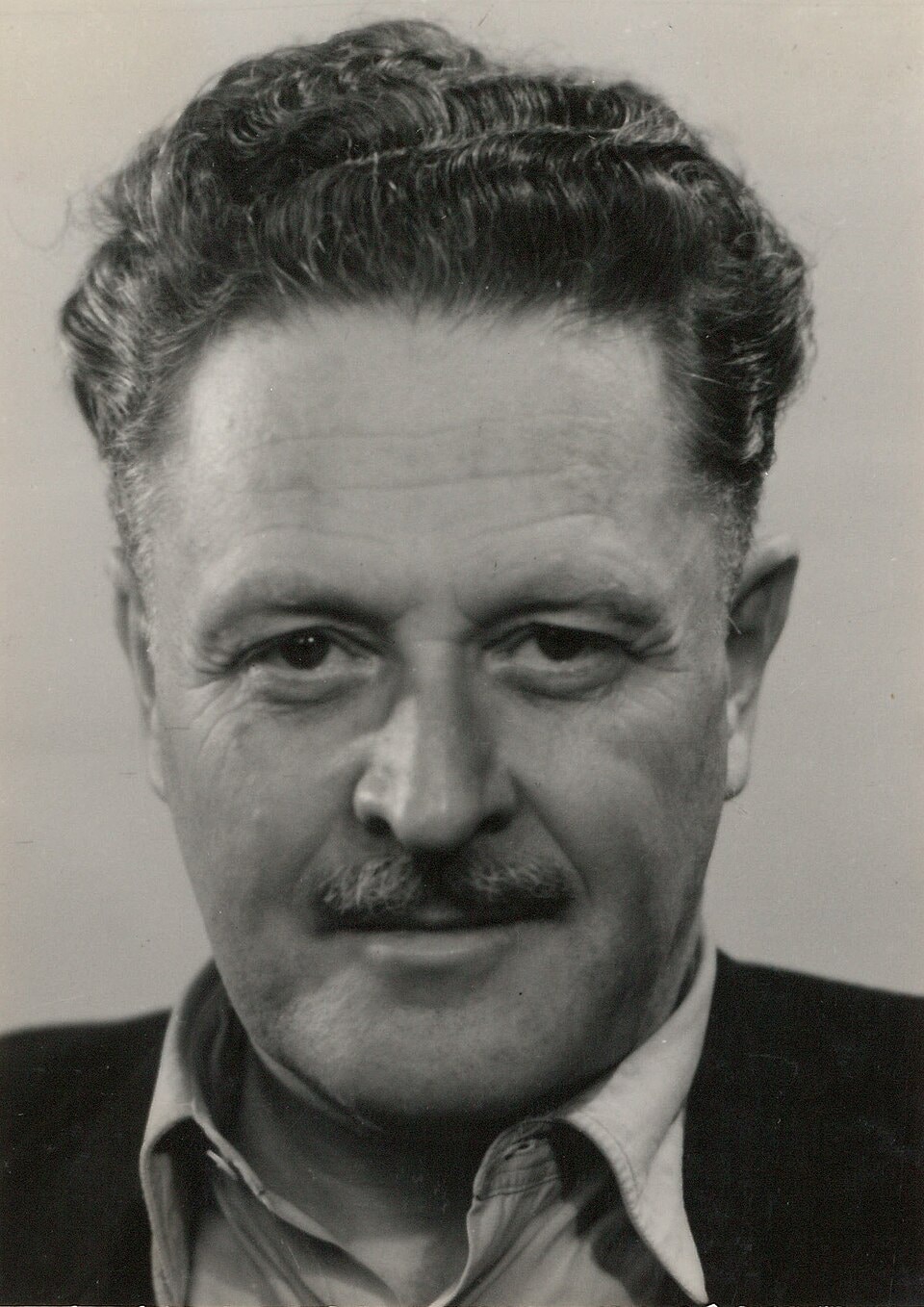
Nâzım Hikmet
 Turkey
Also known as: Orhan Selim, Ahmet Oğuz, Mümtaz Osman, Ercüment Er
Compleanno
January 15, 1902
Segno Zodiacale
Capricorn
Luogo di Nascita
Selânik (Thessaloniki), Ottoman Empire
Età
Morto/a a 61 anni
Informazioni
Nâzım Hikmet è il poeta turco più celebre del XX secolo, un lirico e rivoluzionario la cui opera è stata tradotta in oltre 50 lingue. Noto per il suo stile in versi liberi e la fusione di romanticismo e politica marxista, rimane una figura imponente nella letteratura mondiale. La sua poesia, da Human Landscapes from My Country all'epica Sheikh Bedreddin, viene recitata in tutto il mondo. A partire da 2026, la sua eredità è gestita dalla Nâzım Hikmet Cultural Foundation e le sue opere continuano a ispirare nuove generazioni di lettori e attivisti.
Primi Anni e Background
Nâzım Hikmet nacque il 15 gennaio 1902 a Salonicco, nell'Impero Ottomano (oggi Salonicco, Grecia). Frequentò la scuola primaria Taşmektep nel distretto di Göztepe a Istanbul, poi si iscrisse alla sezione della scuola media del Liceo Galatasaray a Beyoğlu, dove iniziò a imparare il francese. Nel 1913 si trasferì alla Numune Mektebi nel distretto di Nişantaşı. A 11 anni scrisse la sua prima poesia, Feryad-ı Vatan, e poco dopo impressionò il comandante navale Cemal Paşa con The Words of a Naval Officer, guadagnandosi un posto alla Scuola Navale Ottomana a Heybeliada. La sua prima poesia pubblicata, Hâlâ Servilerde Ağlıyorlar mı, apparve su Yeni Mecmua nel 1918. Diplomato nel 1918, prestò servizio brevemente come ufficiale di coperta tirocinante sull'incrociatore Hamidiye finché la pleurite non lo costrinse al congedo nel 1920. Quando le forze alleate occuparono Istanbul nel 1920, scappò in Anatolia con l'amico Vâlâ Nurettin, accettando un posto di insegnante a Bolu. L'anno successivo si recò a Mosca via Azerbaigian, dove assistette ai primi anni sovietici e studiò all'Università Comunista dei Lavoratori dell'Est, assorbendo le correnti rivoluzionarie che avrebbero plasmato la sua vita e la sua arte.
Crescita Professionale
Tornato in Turchia nel 1924, Hikmet si immerse nel giornalismo e nell'organizzazione comunista. Studiò economia e scienze politiche all'Università di Mosca. La sua raccolta del 1929 835 Lines scosse la poesia turca con i suoi versi liberi e l'energia ritmica, guadagnando sia elogi che sospetti da parte delle autorità. Nel decennio successivo scrisse opere teatrali come The Skull e The Forgotten Man, mentre il suo attivismo politico lo tenne nel mirino dello stato. Nel 1938 fu arrestato con l'accusa di incitamento alla rivolta e condannato a 28 anni e 4 mesi di prigione. Quei 13 anni dietro le sbarre divennero il suo periodo più fertile. Compose l'epica monumentale Human Landscapes from My Country e la poesia narrativa The Epic of Sheikh Bedreddin, opere che avrebbero definito la sua eredità. Dopo che una campagna internazionale ottenne la sua liberazione nel 1950, gli fu conferito il Premio Internazionale per la Pace (Premio Lenin per la Pace) all'età di 48 anni. Temendo un nuovo arresto, fuggì dalla Turchia nel 1951, trascorrendo il resto della sua vita in Unione Sovietica e nell'Europa orientale, scrivendo poesie, opere teatrali e sceneggiature fino alla sua morte a Mosca il 3 giugno 1963.
Cronologia Carriera
Immagine Pubblica e Stile
Hikmet coltivò la figura del "rivoluzionario romantico", fondendo il personale e il politico nella sua poesia. I suoi sorprendenti occhi azzurri e l'alta statura gli valsero il soprannome "Mavi Gözlü Dev" (Gigante dagli occhi azzurri). In Turchia è sia un tesoro nazionale che una figura controversa, celebrato per la sua arte mentre i suoi legami comunisti provocano ancora dibattiti. Globalmente, è visto come un simbolo di libertà artistica e resistenza, la sua poesia spesso citata nei movimenti di protesta e musicata da artisti folk. La Nâzım Hikmet Cultural Foundation mantiene viva la sua fiamma, organizzando letture ed eventi ogni anno nel suo compleanno. La sua storia di vita—prigione, esilio, amore e poesia—lo ha reso una figura romantica nella letteratura turca e mondiale.
Fama e fandom
Nâzım Hikmet remains a figure whose global resonance transcends the boundaries of literature, anchoring himself in the collective memory of political resistance and human rights movements worldwide. His enduring relevance is quantified by his standing within the iFANN Global Fame Rankings. Current data places him as the 9th most famous person in Turkey, a position he holds steady from the previous cycle, and the 50th most famous person from Turkey. In the broader geopolitical context of the Middle East, he ranks as the 69th most famous person in Middle East. These metrics reflect a legacy sustained not by commercial promotion but by the perpetual recitation of his verses in protest movements and academic circles. While his admirers are often described as readers or activists rather than a formalized fanbase, they operate with the fervor of a dedicated movement. There is no single branded moniker for his supporters; instead, they are united by their identification with the 'Poet of Hope' and their participation in clandestine readings and annual tributes that have become acts of defiance against censorship. The community surrounding his work includes those who organize unauthorized collections and erect statues despite legal bans, turning his birthday into a day of ritualistic resistance rather than mere celebration.
Curiosità e leggende
Throughout his life, Nâzım Hikmet utilized at least five pen names, including Orhan Selim, Ahmet Oğuz, Mümtaz Osman, and Ercüment Er, to circumvent strict government censorship. He also expanded his artistic output beyond verse, directing two films in the 1930s: Dügün Gecesi (1933) and Günese Dogru (1937). His poetic vision extended far beyond his lifetime, influencing Wim Wenders' 1987 film Wings of Desire, where Hikmet's verse appears on screen. He held dual citizenship in both Turkey and Poland through his mother's lineage. Despite his immense stature, he never returned to his birthplace, a sentiment captured in his autobiography written in East Berlin on 11 September 1961, which famously begins, 'I was born in 1902.'
Legends surrounding his life often focus on the circumstances of his death in Moscow in 1963. While official records cite heart failure, a persistent story among his followers suggests his health was neglected or that he was poisoned while on a diplomatic mission. A verified moment cemented his mythic status during the 2013 Gezi Park protests in Turkey, where demonstrators chanted his poem 'The Walnut Tree of Gezi Park,' transforming the site into a living monument. Another widely retold incident occurred during the Arab Spring in Tahrir Square, where an image of a street vendor holding a sweet potato became a viral symbol linked to Hikmet's poem 'I Am a Sweet Potato Boy,' connecting his early 20th-century poetry to modern uprisings.
Citazioni Notevoli
“I was born in 1902 / I never once went back to my birthplace / I don't like to turn back.”
“Some people know all about plants some about fish / I know separation.”
“I've slept in prisons and in grand hotels / I've known hunger even a hunger strike.”
“At thirty they wanted to hang me / at forty-eight to give me the Peace Prize / which they did.”
“I've been a poet since I was fourteen.”
Famiglia e Vita Privata
La madre di Hikmet, Celile Hanım, era figlia di Hasan Enver Pasha, un generale ottomano di origine polacca, e di Leyla Hanım, che aveva ascendenze francesi e tedesche. Suo padre, Mehmet Hikmet Bey, era un funzionario governativo. La sua linea materna includeva Mustafa Celalettin Pasha, Mehmed Ali Pasha e Omar Pasha Latas—tre degli ultimi grandi pascià ottomani nati da famiglie europee convertitesi all'Islam. La famiglia si trasferì a Istanbul quando era bambino, stabilendosi nel distretto di Göztepe. Ebbe un figlio noto, Mehmet Nâzım Hikmet, nato nel 1951 dalla sua compagna Münevver Andaç. Hikmet fu costretto a lasciarli quando fuggì dalla Turchia. Il suo ultimo matrimonio fu con Vera Tulyakova, una donna russa che sposò nel 1959; vissero insieme a Mosca fino alla sua morte. Non sono registrati animali domestici o dettagli domestici.
Collegamenti Notevoli
Relazioni e Storia Dating
Hikmet sposò Piraye nel 1935; lei lo sostenne durante gli anni di prigione, ma divorziarono dopo il suo rilascio. Successivamente, nei primi anni '50, si legò a Münevver Andaç, con cui ebbe un figlio, Mehmet Nâzım, nato nel 1951. Quando Hikmet fuggì dalla Turchia quello stesso anno, li lasciò indietro. Nel 1959, sposò Vera Tulyakova a Mosca, e rimasero insieme fino alla sua morte nel 1963. A partire dal 2026, Hikmet è deceduto; il suo ultimo matrimonio è stato con Vera.
- Sposato/aPiraye1935 - 1950Lo sostenne durante gli anni di prigione; divorziarono dopo il suo rilascio.
- Sposato/aMünevver Andaç1951 - 1951Ebbero un figlio, Mehmet Nâzım; si separarono quando Hikmet fuggì dalla Turchia.
- Sposato/aVera Tulyakova1959 - 1963CorrenteLa sua ultima moglie; rimasero insieme fino alla sua morte.
Morte e conseguenze
Morto/a
June 3, 1963 (a 61 anni)
Luogo di morte
Moscow, Soviet Union
Causa della morte
Reported liver disease (unconfirmed)
Global mourning followed the news of Nâzım Hikmet's passing, with tributes pouring in from literary peers and political institutions worldwide. The Afro-Asian Writers Association held significant memorials while underground vigils emerged in Turkey despite the ban on his works, cementing his status as the Poet of Hope among intellectuals and students. His death anniversary has since become an annual occasion for tributes. He had arrived in the Soviet capital shortly before his death following intense diplomatic efforts that finally overcame Turkish government refusals to allow his return for care. He was buried in Novodevichy Cemetery in Moscow, where his remains remained for decades due to political restrictions preventing their repatriation.
Nearly 46 years after his death, his body was flown back to Turkey on March 14, 2009, and reinterred in Istanbul's Zincirlikuyu Cemetery during a large public ceremony attended by thousands of mourners. Posthumous cultural production continues with releases like the documentary Nâzim's Journey to Cuba presented in January 2025, and the Nâzım Hikmet Poetry Prize now in its twelfth iteration recognizes work similar to his own. The estate is managed by the Nâzım Hikmet Cultural Foundation, currently stewarded by his daughter Aylin Hikmet following the death of his son Mehmet Ran in Paris in October 2018.
Patrimonio (Valore immobiliare)
$5 Million
Stima del team editoriale di iFANN
As a poet and political exile, Nâzım Hikmet never accumulated significant personal wealth during his lifetime. Most of his years were spent in poverty, imprisonment, or modest housing within the Soviet Union. Today, his estate generates modest income derived from book royalties and licensing fees for various adaptations, all managed by the Nâzım Hikmet Cultural Foundation in Turkey. With many of his works entering the public domain in numerous countries, the financial value of his intellectual property relies heavily on ongoing publication and translation rights across over 50 languages. Per iFANN's editorial analysis, the total value of his estate is estimated at $5 Million as of 2026. No credible public estimate exists in standard databases, yet his literary contributions continue to generate revenue through global translations.
Premi vinti (1)
Hikmet vinse il Premio Internazionale per la Pace (Premio Lenin per la Pace) nel 1950, il più alto riconoscimento sovietico per figure culturali. La sua poesia ha ricevuto numerosi riconoscimenti postumi, tra cui essere stato nominato uno dei più grandi poeti turchi di tutti i tempi.
1950 · Pace
Poetry and activism
Noto Per
Human Landscapes from My Country
1941 · Poet
The Epic of Sheikh Bedreddin
1936 · Poet
835 Lines
1929 · Poet
Parole chiave
Fonti
Fatti Rapidi
- Professione
- Poet, playwright, novelist
- Nato/a
- January 15, 1902
- Luogo di Nascita
- Selânik (Thessaloniki), Ottoman Empire
- Morto/a
- June 3, 1963
- Luogo di morte
- Moscow, Soviet Union
- Genere
- Maschio
- Coniuge
- Vera Tulyakova
- Segno Zodiacale
- Capricorn
Dettagli Personali
- Nome Completo
- Mehmed Nâzım Ran
- Coniuge
- Vera Tulyakova
- Figli
- Mehmet Nâzım Hikmet (born 1951)
- Istruzione
- Galatasaray High School; Ottoman Naval School; Eastern Workers Communist University, Moscow; University of Moscow (economics and political science)
Filmografia
2
Totale
2
Film
0
TV
Domande Frequenti
Per cosa è conosciuto Nâzım Hikmet?
Nâzım Hikmet è stato imprigionato?
Come è morto Nâzım Hikmet?
Nâzım Hikmet ha avuto figli?
Qual è la poesia più famosa di Nâzım Hikmet?
Social Media
Persone Simili
Unisciti alla community
fan che discutono