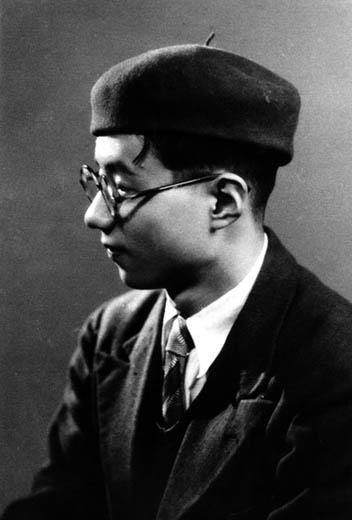
Osamu Tezuka
 Japan
Japanmanga artist•animator•film director
Also known as: Tezuka Osamu, God of Manga, Father of Manga
Compleanno
November 3, 1928
Segno Zodiacale
Scorpio
Luogo di Nascita
Toyonaka, Osaka Prefecture, Japan
Età
Morto/a a 60 anni
Altezza
5 ft 9.5 in (177 cm)
Informazioni
Osamu Tezuka è stato un fumettista, animatore e regista giapponese la cui opera ha ridisegnato il panorama globale del fumetto e dell'animazione. Nato nel 1928 a Toyonaka, ha creato oltre 700 serie manga e prodotto il primo programma televisivo animato giapponese. Il suo stile caratteristico, con grandi occhi espressivi e layout di vignette cinematografici, ha stabilito il modello per il manga e l'anime moderni. Le storie di Tezuka spaziavano dalle avventure per bambini come Astro Boy a opere mature e filosofiche come Phoenix e Buddha. È spesso chiamato il "Dio del Manga" ed è paragonato a Walt Disney per la sua influenza trasformativa. Oggi, la sua eredità vive attraverso Tezuka Productions, che gestisce il suo vasto catalogo di proprietà intellettuale, e il Tezuka Osamu Manga Museum a Takarazuka, che attira fan da tutto il mondo.
Primi Anni e Background
Tezuka crebbe a Takarazuka dopo essersi trasferito lì all'età di cinque anni. Suo padre lo introdusse alle animazioni di Walt Disney e Max Fleischer attraverso proiezioni private, che accesero il suo amore per la narrazione. Da bambino, disegnò il suo primo fumetto, Bin Bin Namachan, in terza elementare e si guadagnò il soprannome gashagasha-atama ("testa arruffata"). Una grave infezione fungina alle braccia rischiò di portare all'amputazione, ma dopo un trattamento riuscito, decise di diventare medico. Entrò all'Università di Osaka per studiare medicina a 17 anni. Mentre studiava, pubblicò il suo primo fumetto, una serie di quattro vignette intitolata Diario di Ma-chan, su un giornale per bambini di Osaka all'età di 18 anni. Il consiglio di sua madre di perseguire ciò che amava di più lo convinse a scegliere il manga invece della medicina. Si laureò in medicina nel 1951 ma non esercitò mai.
Crescita Professionale
Tezuka lanciò la rivoluzione del manga nel 1947 con New Treasure Island, un enorme successo che ridefinì il medium con i suoi layout di vignette dinamici. Nel 1950, iniziò a serializzare Jungle Emperor (in seguito noto come Kimba the White Lion), seguito da Ambassador Atom nel 1951, che si evolse in Astro Boy. Nel 1961, fondò Mushi Productions, il suo studio di animazione. Due anni dopo, creò la prima serie televisiva animata giapponese, Astro Boy (1963-1966), un fenomeno culturale trasmesso a livello internazionale. Continuò con la serie a colori Jungle Emperor Leo (1965) e in seguito produsse opere mature come Black Jack (1973-1983), Phoenix (1967-1988) e Buddha (1972-1983). La sua produzione totale supera 170.000 pagine manga e 200.000 pagine di storyboard anime. Morì nel 1989 prima di completare i capitoli finali di Phoenix.
Cronologia Carriera
Immagine Pubblica e Stile
Tezuka è universalmente considerato il "Dio del Manga" e il "Padre dell'Anime". Il suo stile caratteristico di personaggi dagli occhi grandi e narrazione cinematografica divenne la base del manga moderno. Univa arte carina e adatta ai bambini con temi seri, spesso tragici. I fan celebrano il suo lavoro attraverso convention e visite al Tezuka Osamu Manga Museum a Takarazuka, un luogo di pellegrinaggio. I social media ufficiali mantengono un tono rispettoso ed educativo, condividendo approfondimenti storici. La sua influenza è così profonda che molti artisti giapponesi lo citano come loro ispirazione principale.
Fama e fandom
Osamu Tezuka remains a towering figure in global pop culture, a legacy that transcends his 1989 passing to define the very architecture of modern storytelling. His influence is so profound that he holds specific, measurable positions within the iFANN Global Fame Rankings. Current data places him as the 35th most famous person in Japan, while also ranking him as the 56th most famous person in East Asia. Within his specific domain, the impact is even more concentrated; he stands as the 6th most famous person in Manga. These placements reflect a sustained presence across media coverage and consumption signals worldwide, proving that his work continues to generate significant attention decades after his death.
The fanbase surrounding Tezuka operates without a formal collective name like "Army" or "Whovians," instead identifying broadly as manga readers or simply Tezuka fans. This community has evolved from passive consumers into active preservers of his history. In April 2026, this dedication manifested through a successful Kickstarter campaign for the documentary *TEZUKA! God of Manga*, demonstrating the group's financial capacity to safeguard his legacy. Fan rituals center on his birthday, November 3rd, marked by museum events and re-releases of classic works. While no single subreddit claims official status, the community actively engages with archival discoveries, such as unpublished anime documents found in June 2026. The release of deluxe editions like the *Phoenix* Deluxe Edition in July 2026 further highlights a demand for high-quality materials that only a deeply invested audience would sustain.
Curiosità e leggende
Tezuka's creative life was defined by an intense connection to nature and discipline. His pen name incorporates the ideogram for "insect," reflecting a childhood fascination with bugs that shaped his early worldview. He famously watched Disney's *Bambi* over 80 times to study its animation techniques, absorbing lessons that would later revolutionize Japanese comics. One of his maternal ancestors was Hattori Hanzo, the legendary ninja, adding a layer of historical intrigue to his lineage. Tezuka often reused characters across different stories, having them play vastly different roles depending on the narrative needs. He never stopped drawing until the end; his desk at the Niiza studio is preserved exactly as he left it. Beyond art, he played piano and maintained a deep interest in astronomy, influenced by his childhood friend Minoru Ishihara.
Legendary accounts describe his prodigious output, noting that he could produce up to 40 pages of manga in a single day while suffering from exhaustion. A widely retold story illustrates this dedication: he once drew a full chapter overnight, working 16-hour days to meet deadlines. When *Astro Boy* premiered as a television series in 1963, the reaction was extraordinary. Crowds gathered in Tokyo streets to watch the broadcast, shutting down traffic and sparking a massive merchandise boom that defined the emerging manga economy. Fans still recount how the industry halted production in his honor following his death in February 1989, a moment described as national mourning.
Citazioni Notevoli
“You should work doing the thing you like most of all.”
“If you really love manga that much, go to Tokyo.”
“The preciousness of life is the theme that runs through all my works.”
“I want to create a world where children can dream.”
“Manga is a medium that can express anything.”
Famiglia e Vita Privata
Tezuka era il maggiore di tre figli nati da Yutaka Tezuka, un dirigente della Sumitomo Metals, e Fumiko Hattori, la cui famiglia aveva una lunga storia militare. Suo nonno Taro era un avvocato, e i suoi bisnonno e trisnonno erano medici. Sposò Etsuko Okada il 4 ottobre 1959, e rimasero insieme fino alla sua morte. Ebbero tre figli: Macoto Tezuka, che divenne regista e animatore; True Tezuka; e un terzo figlio. La casa della famiglia Tezuka a Takarazuka era piena di libri e film, favorendo il suo spirito creativo.
Collegamenti Notevoli
Tezuka fu profondamente ispirato da Walt Disney e Max Fleischer. Collaborò e fece da mentore a molti animatori alla Mushi Productions. Suo figlio Macoto Tezuka porta avanti la sua eredità come regista. Frederik Schodt, suo traduttore e biografo, aiutò a introdurre le sue opere in Occidente. Ban Toshio disegnò la biografia di Tezuka in forma di manga.
Relazioni e Storia Dating
Tezuka sposò Etsuko Okada il 4 ottobre 1959, e rimasero insieme fino alla sua morte il 9 febbraio 1989. Etsuko sostenne la sua impegnativa carriera e gestì le faccende domestiche mentre Tezuka lavorava instancabilmente. Ebbero tre figli insieme. Al 2026, Tezuka è deceduto ed era sposato al momento della sua morte.
- Sposato/aEtsuko Okada1959 - 1989Sposati il 4 ottobre 1959, sono rimasti insieme fino alla morte di Tezuka. Lei ha sostenuto la sua carriera e cresciuto i loro tre figli.
Morte e conseguenze
Morto/a
February 9, 1989 (a 60 anni)
Luogo di morte
Tokyo, Japan
Causa della morte
Stomach cancer (gastric carcinoma)
The news of Osamu Tezuka's passing sent a wave of grief through Japan and the international animation community, with tributes pouring in from peers and government officials who recognized him as a foundational pillar of culture. He died on February 9, 1989, at St. Luke's International Hospital in Tokyo at the age of 60. The official cause was stomach cancer, a diagnosis confirmed by medical professionals after the disease returned and metastasized following surgery in 1987. His funeral was held privately, and he was cremated before his ashes were interred at the family grave in Toyonaka City, Osaka. Posthumously, his legacy expanded rapidly with the creation of the Osamu Tezuka Cultural Prize and the induction of his works into various halls of fame. Tezuka Productions, founded by his son Makoto Tezuka, continues to manage his intellectual property rights, ensuring ongoing releases like the documentary TEZUKA! God of Manga and new publishing agreements keep his stories alive for contemporary audiences.
Patrimonio (Valore immobiliare)
$50 Million
Stima del team editoriale di iFANN
Heading into 2026, the Tezuka estate is managed by Tezuka Productions, which controls the intellectual property rights to over 700 manga series and dozens of anime works. Revenue streams include ongoing manga reprints, anime licensing and streaming deals on platforms like Netflix and Amazon Prime, merchandise licensing for toys and apparel, film and television adaptation rights, and the Tezuka Osamu Manga Museum in Takarazuka. Per iFANN's editorial analysis, the estate is estimated to be worth around $50 Million. Steady annual earnings continue to flow from global licensing, particularly from *Astro Boy*, which remains one of the most recognizable anime brands worldwide.
Premi vinti (8)
Tezuka ha vinto numerosi premi durante la sua vita e postumi, tra cui lo Shogakukan Manga Award, il Kodansha Manga Award, il Japan Cartoonists Association Grand Prize e il Bungeishunjū Manga Award. È stato inserito nella Eisner Award Hall of Fame e nella Harvey Awards Jack Kirby Hall of Fame. Ha anche ricevuto l'Inkpot Award nel 1980 e l'Asahi Prize postumo.
1980 · Premio alla Carriera
Entire body of work
1963 · Manga per bambini
Astro Boy
Noto Per
Astro Boy
1963 · Creator, Director
Kimba the White Lion
1965 · Creator
Black Jack
1973 · Creator
Phoenix
1967 · Creator
Buddha
1972 · Creator
Parole chiave
Fonti
Fatti Rapidi
- Professione
- manga artist, animator, film director
- Nato/a
- November 3, 1928
- Luogo di Nascita
- Toyonaka, Osaka Prefecture, Japan
- Morto/a
- February 9, 1989
- Luogo di morte
- Hanzomon Hospital, Tokyo
- Genere
- Maschio
- Segno Zodiacale
- Scorpio
- Altezza
- 5 ft 9.5 in (177 cm)
Dettagli Personali
- Nome Completo
- Tezuka Osamu (手塚 治)
- Altezza
- 5 ft 9.5 in (177 cm)
- Coniuge
- Etsuko Okada
- Figli
- Macoto Tezuka, True Tezuka, and one other child
- Istruzione
- Osaka University (Medical Degree, 1951)
Domande Frequenti
Come è morto Osamu Tezuka?
Quanti manga ha creato Osamu Tezuka?
Osamu Tezuka è il padre dell'anime?
Qual è l'opera più famosa di Osamu Tezuka?
Osamu Tezuka aveva figli?
Social Media


Unisciti alla community
fan che discutono