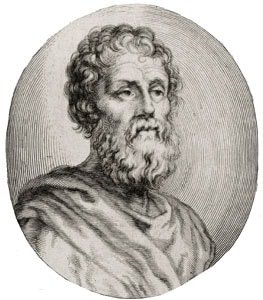
Phidias
Compleanno
-0490-01-01
Segno Zodiacale
Capricorn
Luogo di Nascita
Athens
Età
Morto/a a 60 anni
Informazioni
Fidia, nato intorno al 490 a.C. ad Atene, fu il più celebre scultore, pittore e architetto dell'antica Grecia. È noto soprattutto per aver creato la Statua di Zeus a Olimpia, una delle Sette Meraviglie del Mondo Antico. Questa imponente figura in oro e avorio del re degli dei seduto su un trono divenne un punto di riferimento per la rappresentazione divina. Sull'Acropoli di Atene, Fidia progettò due importanti statue di Atena: l'Athena Parthenos, una colossale statua criselefantina alta 12 metri custodita all'interno del Partenone, e l'Athena Promachos, un'enorme statua in bronzo che sorgeva tra il Partenone e i Propilei, visibile alle navi in arrivo al Pireo. La sua opera definì lo stile classico, fondendo forme umane idealizzate con un senso di maestosa calma.
Primi Anni e Background
Fidia era figlio di Charmide, un cittadino ateniese. Si formò nella scultura e nella pittura durante il primo periodo classico, probabilmente sotto lo scultore Hegias o il pittore Polignoto. La sua prima grande commissione arrivò intorno al 456 a.C.: l'Athena Promachos, una statua in bronzo di Atena alta quasi 9 metri, finanziata con il bottino della battaglia di Maratona. Questo progetto consolidò la sua reputazione nella gestione di opere colossali e dimostrò la sua maestria nella fusione del bronzo. La statua sorgeva sull'Acropoli come simbolo della potenza militare ateniese ed era visibile dal mare. Fidia allestì anche un grande laboratorio sull'Acropoli, formando una generazione di artigiani e preparandosi ai progetti più grandiosi che sarebbero venuti.
Crescita Professionale
Nel 447 a.C., Pericle nominò Fidia sovrintendente generale del progetto di costruzione del Partenone. Progettò e supervisionò la decorazione scultorea, compresi i frontoni, le metope e il fregio ionico lungo 160 metri. Il pezzo centrale era l'Athena Parthenos, una statua criselefantina alta 12 metri dedicata nel 438 a.C. Il suo oro era staccabile, una precauzione contro le accuse di furto. Intorno al 435 a.C., Fidia si recò a Olimpia per creare la Statua di Zeus, una figura criselefantina alta 13 metri che divenne una delle Sette Meraviglie. Nemici politici lo accusarono di appropriazione indebita e empietà per aver scolpito il proprio ritratto e quello di Pericle sullo scudo di Atena. Sebbene assolto dall'accusa di furto, fu imprigionato e morì in esilio intorno al 430 a.C.
Cronologia Carriera
Immagine Pubblica e Stile
Lo stile "fidiaco" è definito da forme umane idealizzate, espressioni serene, panneggi intricati e un senso di maestosa calma noto come ethos. Perfezionò lo stile severo classico. Nei media moderni, Fidia è rappresentato come l'artista geniale archetipico vittima di intrighi politici, comparendo in documentari e romanzi storici. Gli appassionati sono spesso chiamati storici dell'arte classica o studiosi di Fidia. Il Museo dell'Acropoli ospita conferenze annuali sulla sua eredità. Gli account sui social media a lui dedicati hanno un tono accademico, concentrandosi sulle scoperte archeologiche.
Fama e fandom
Phidias commands a global attention defined by academic reverence and historical legacy rather than contemporary celebrity metrics. While his works remain the bedrock of Western art history, iFANN has evaluated his current standing and determined that he holds no placement in the published Global Top 1,000 rankings or any Top-100 scope list as of August 2026. The status remains EVALUATED_UNRANKED, indicating that while his historical impact is undeniable, he does not currently generate the volume of modern search activity or media consumption required for a numerical ranking. Consequently, there is no documented fandom name associated with the ancient sculptor; his audience consists entirely of historians, archaeologists, and museum visitors rather than an organized fanbase with rituals or campaigns.
Curiosità e leggende
Phidias was also a painter, though his sculpting achievements ultimately overshadowed this skill during a competition. To counter theft allegations, the gold plating on the Athena Parthenos was designed to be removable, a strategic decision attributed to Pericles. The statue famously held a six-foot-tall figure of Nike in its right hand. Excavations of Phidias's workshop in Olympia during the 1950s uncovered tools, terracotta molds, and fragments of ivory and glass, confirming the chryselephantine technique used in his masterpieces. A fifth-century BC drinking cup in the British Museum is thought to depict the artist at work. Plutarch records that Phidias portrayed himself as a bald, elderly man on the shield of Athena.
Historical lore often recounts the dramatic fall of the artist, who faced accusations of embezzling gold intended for the Athena statue and impiety for carving portraits of himself and Pericles into her shield. This narrative of political intrigue led to his imprisonment and eventual death, cementing his image as a tragic genius. Another enduring story involves the massive scale of his workshop, where he trained numerous pupils, suggesting that many surviving works attributed to him were actually executed by his team under his direction.
Citazioni Notevoli
“The gods themselves would have chosen Phidias to carve them. – Pericles, as recorded by Plutarch”
“The beauty of the statue of Zeus adds something to the traditional conception of the god. – Dio Chrysostom”
“Phidias, the son of Charmides, the Athenian, made me. – Inscription on the base of the Athena Parthenos, cited by Pausanias”
Famiglia e Vita Privata
Fidia era figlio di Charmide, un cittadino ateniese. Ebbe un figlio di nome Fidia il Giovane, che divenne anch'egli scultore. Non sono registrati altri membri della famiglia nelle fonti antiche.
Collegamenti Notevoli
Fidia fu uno stretto collaboratore dello statista ateniese Pericle, che fu suo mecenate e alleato politico. Collaborò con gli architetti Ictino e Callicrate al Partenone. Suo figlio, Fidia il Giovane, divenne anch'egli scultore. Il pittore Polignoto potrebbe essere stato suo maestro o contemporaneo.
Relazioni e Storia Dating
Le fonti antiche non forniscono notizie sulle relazioni sentimentali o sui matrimoni di Fidia. La sua vita privata non fu oggetto di interesse per scrittori come Plutarco o Pausania. L'unica relazione personale nota è la sua amicizia e alleanza politica con Pericle, che fu strettamente professionale. Al 2026, è deceduto senza relazioni note.
Morte e conseguenze
Morto/a
-0430-01-01 (a 60 anni)
Luogo di morte
Sconosciuto
Causa della morte
Sconosciuto
The final days of the sculptor Phidias remain obscured by the silence of ancient records, with no contemporary documentation preserving his last public appearance or specific location of death. Historical tradition, primarily derived from Plutarch's Life of Pericles, suggests he fell into political disfavor and was imprisoned in Athens on charges of embezzlement regarding the gold for the Statue of Zeus at Olympia. While some accounts allege he died within these prison walls awaiting trial, other narratives propose he fled to Elis to complete his masterpiece before passing away there around 430 BCE. The circumstances of his end are thus limited to literary traditions rather than verified historical fact, leaving the exact nature of his demise as an unresolved matter of antiquity.
In the centuries following his passing, the immediate reaction was a complex mixture of reverence for his artistic output and the lingering shadow of the political accusations that ended his career. Modern scholarship often refers to him as a fugitive ghost, emphasizing the lack of biographical data surrounding his exit from history. Posthumously, his reputation has been restored through the enduring preservation of his works, including the Parthenon sculptures and the legendary Statue of Zeus, which secured his place among the greatest artists of antiquity.
Patrimonio (Valore immobiliare)
$0
Stima del team editoriale di iFANN
Phidias passed away around 430 BC, leaving behind a legacy that spans millennia but no financial estate. Research by the iFANN Editorial Team puts his net worth at $0. There are no credible modern sources estimating personal wealth, as no assets, royalties, or intellectual property survive from antiquity. His workshop and tools were lost to time, resulting in zero estate management, posthumous revenue, or licensing income in any modern financial sense.
Premi e Lodi
View 8 records, honours and achievementsNoto Per
Statue of Zeus at Olympia
c. 435 BC · Sculptor
Athena Parthenos
c. 438 BC · Sculptor
Athena Promachos
c. 456 BC · Sculptor
Parthenon sculptures
c. 447–432 BC · Overseer and designer
Parole chiave
Fatti Rapidi
- Professione
- sculptor, architect, painter
- Nato/a
- -0490-01-01
- Luogo di Nascita
- Athens
- Morto/a
- -0430-01-01
- Luogo di morte
- Classical Athens
- Genere
- Maschio
- Segno Zodiacale
- Capricorn
Domande Frequenti
Quanto era alta la Statua di Zeus a Olimpia?
Perché Fidia fu esiliato?
Fidia ha opere sopravvissute?
Cos'è la scultura criselefantina?
Dov'è sepolto Fidia?
Persone Simili
Unisciti alla community
fan che discutono