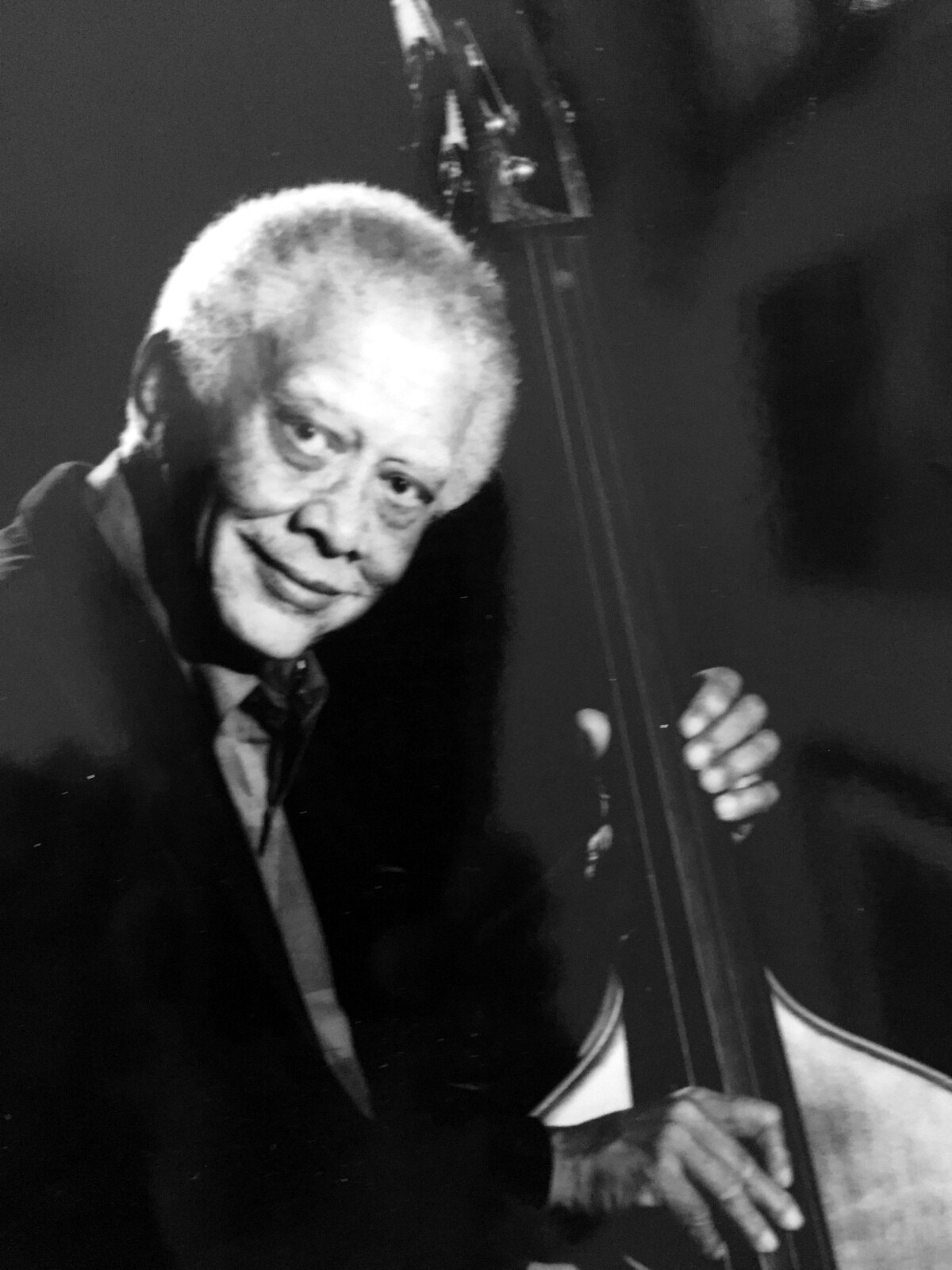
Red Callender
 United States
Member of The Wrecking Crew
jazz musician•double-bassist•tubist
Also known as: George Sylvester Callender
Compleanno
March 6, 1916
Segno Zodiacale
Pisces
Luogo di Nascita
Haynesville, Virginia, USA
Età
Morto/a a 76 anni
Informazioni
Red Callender è stato un contrabbassista e suonatore di tuba americano la cui carriera è durata sei decenni. Membro fondatore di The Wrecking Crew, il leggendario collettivo di sessioni di Los Angeles, ha suonato in centinaia di registrazioni tra jazz, pop e rock. Callender ha co-scritto il successo top-10 del 1959 "Primrose Lane" ed è stato uno dei primi musicisti afroamericani a infrangere la barriera del colore negli studi commerciali di Hollywood. Conosciuto per la sua versatilità sia al contrabbasso che alla tuba, ha lavorato con una straordinaria varietà di artisti, da Louis Armstrong a James Taylor. Il suo carattere tranquillo e la sua affidabilità musicale gli hanno valso il titolo di "Un Gigante Molto Silenzioso" da parte di colleghi musicisti e critici.
Primi Anni e Background
Red Callender è nato George Sylvester Callender a Haynesville, Virginia. I suoi capelli rossi, le lentiggini e gli occhi marrone chiaro provenivano dal padre barbadiano, guadagnandogli il soprannome di "Red" per tutta la vita. Dall'età di tre anni, era affascinato dalle trasmissioni radiofoniche delle band guidate da Coon-Sanders e Earl Hines. La sua famiglia si trasferì ad Atlantic City, nel New Jersey, dove si iscrisse a una scuola di musica a Bordentown.
Lì studiò sotto il Professor Alexander Valentine, un veterano della band di James Reese Europe che lo istruì in teoria, armonia e composizione. Callender passò dal peck horn alla tuba e comprò il suo primo contrabbasso da un compagno di scuola per $15, esercitandosi dalle quattro del mattino. Durante le estati faceva tournée sulla costa del New Jersey con una band guidata da Banjo Bernie. Dopo il diploma, si trasferì con i genitori a New York, poi fece brevemente il freelance prima di stabilirsi a Los Angeles nel 1936. Debuttò in registrazione all'età di 19 anni con la band di Louis Armstrong nel 1937.
Crescita Professionale
La svolta di Callender arrivò quando rifiutò offerte dalla Duke Ellington's Orchestra e dai Louis Armstrong All-Stars per costruire una carriera come musicista da studio a Los Angeles. Negli anni '40, suonò nella band di Lester e Lee Young, poi formò il suo trio. Registrò con Nat King Cole, Erroll Garner, Charlie Parker, Wardell Gray e Dexter Gordon. Intorno al 1940, insegnò lezioni di contrabbasso a un giovane Charles Mingus.
Negli anni '40 e '50, Callender lavorò come uomo A&R per l'etichetta discografica di John Dolphin, contribuendo a generare successi con Percy Mayfield, Jesse Belvin, Linda Hopkins, Fats Domino e The Platters. Co-scrisse "Primrose Lane" nel 1959, che divenne un successo top-10 e in seguito la sigla della serie ABC The Smith Family. Negli anni '60, divenne il primo musicista nero a entrare nello staff della NBC e un membro fondatore di The Wrecking Crew, realizzando centinaia di dischi pop. Si esibì con Charles Mingus al Monterey Jazz Festival del 1964. Più tardi nella sua carriera, lavorò con il quintetto di fiati d'avanguardia di James Newton alla tuba e si esibì con la Cheatham's Sweet Baby Blues Band. Pubblicò la sua autobiografia Unfinished Dream nel 1985.
Cronologia Carriera
Immagine Pubblica e Stile
Callender era conosciuto come un musicista tranquillo e molto rispettato che lasciava parlare la sua musica. Il Syncopated Times lo chiamò "Un Gigante Molto Silenzioso". Era ammirato per la sua versatilità sia al contrabbasso che alla tuba e per il suo ruolo pionieristico come musicista nero da studio a Hollywood. Il suo prolifico lavoro in sessioni tra jazz, pop e rock lo rese un musicista di prima scelta per decenni. I fan e i colleghi musicisti lo ricordano come affidabile, umile e immensamente talentuoso.
Fama e fandom
Red Callender moved through the golden age of Los Angeles recording without ever seeking the spotlight. As a charter member of The Wrecking Crew, he anchored the rhythm sections for hundreds of pop and rock hits, yet his name rarely appeared on album credits alongside the vocalists who became household stars. Unlike modern icons, he cultivated no organized following. There is no formal fandom bearing his name, no fan clubs, and no digital communities dedicated to tracking his life or legacy. His audience consists primarily of music historians, jazz enthusiasts, and session musicians who revere his technical mastery rather than a mass celebrity cult. He remains a figure known through discographies and oral histories rather than active fan campaigns or viral moments. While legends of his quiet demeanor persist among peers, there are no recorded instances of crowd disruptions or fan rituals tied specifically to his persona. His influence was profound but executed entirely behind the scenes, leaving a footprint defined by professional respect rather than public adoration. iFANN has evaluated Red Callender's standing within the global cultural landscape. The Global Fame Engine has determined that he does not currently hold a placement in the published rankings for the Global Top 1,000 or any Top-100 scope list. Consequently, no specific numeric rank or score is assigned to him at this time.
Curiosità e leggende
Callender purchased his first bass for just $15 from a schoolmate, an investment that launched a six-decade career. Despite offers to join the legendary orchestras of Duke Ellington and Louis Armstrong, he turned down both to focus on studio work in Hollywood. When asked late in life about co-writing "Primrose Lane," he offered a wry dismissal: "Don't remind me." He made a brief appearance in the 1946 film New Orleans, delivering a bebop break on the bass. His autobiography, Unfinished Dream, was co-authored with Elaine Cohen. Beyond these verified facts, a story persists among jazz historians regarding his pivotal role as one of the first African American musicians to break the color barrier in commercial Hollywood studios. This achievement opened doors for future generations of Black artists in the industry. Another enduring narrative highlights his unique versatility; he was celebrated as perhaps the most prominent tuba player in the pop genre while simultaneously being a foundational bassist for The Wrecking Crew. These dual talents allowed him to shape the sound of popular music across decades, earning him the moniker "A Very Quiet Giant" from colleagues who admired his humility and reliability.
Citazioni Notevoli
“Don't remind me.”
“I was one of the lucky ones... because Professor Valentine saw something in me and took me under his wing.”
“The day I joined the dance orchestra with my bass and tuba, my whole career began.”
Famiglia e Vita Privata
Collegamenti Notevoli
Callender lavorò con Louis Armstrong, Charles Mingus (che istruì), Nat King Cole, Charlie Parker, Art Tatum, Erroll Garner, Dexter Gordon e molti altri. Fu un membro fondatore di The Wrecking Crew. Il suo mentore fu il Professor Alexander Valentine. La sua autobiografia fu co-autrice con Elaine Cohen.
Relazioni e Storia Dating
Red Callender era sposato con Mary Lou Callender, che era sua moglie al momento della sua morte l'8 marzo 1992. Lei confermò dettagli sulla sua ultima esibizione e le sue lotte per la salute. Non sono documentate altre relazioni pubbliche.
- Sposato/aMary Lou Callender? - 1992Moglie al momento della sua morte.
Morte e conseguenze
Morto/a
March 8, 1992 (a 76 anni)
Luogo di morte
Saugus, California, USA
Causa della morte
Sconosciuto
Red Callender died on March 8, 1992. He was 76 years old at the time of his passing. His death arrived quietly, matching the demeanor that earned him the nickname "A Very Quiet Giant" throughout his six-decade career. Authoritative music databases including Wikipedia, IMDb, and the Discography of American Historical Recordings consistently confirm this date of death alongside records from Rutgers University oral history archives.
While sources do not specify the exact location or medical cause of his passing, the consensus across multiple professional histories establishes the timeline of his life and work without dispute. The available documentation does not record any police investigations, inquests, or legal rulings connected to his end.
The retrospective assessment of his character as a gentleman who let his work speak for himself remains the primary lens through which his legacy is viewed today. Red Callender is noted as the most recorded bass and tuba player on the West Coast, appearing on countless recordings that continue to define his contribution to jazz history.
Patrimonio (Valore immobiliare)
$1 Million
Stima del team editoriale di iFANN
iFANN currently estimates the estate value of Red Callender at $1 Million as of 2026. This valuation reflects a lifetime of prolific labor as a first-call studio musician in Los Angeles, where he contributed to hundreds of recordings with The Wrecking Crew. His financial portfolio also included earnings from his tenure as an A&R man, royalties generated by co-writing the top-10 hit "Primrose Lane," and income from teaching bass lessons. His autobiography added modestly to his overall wealth during his lifetime.
Premi e Lodi
Noto Per
Primrose Lane
1959 · Co-writer
The Wrecking Crew
1960 · Membro fondatore
Parole chiave
Fonti
Fatti Rapidi
- Professione
- jazz musician, double-bassist, tubist
- Nato/a
- +1916-03-06
- Luogo di Nascita
- Haynesville, Virginia, USA
- Morto/a
- +1992-03-08
- Luogo di morte
- Saugus, California, USA
- Genere
- Maschio
- Segno Zodiacale
- Pisces
Dettagli Personali
- Nome Completo
- George Sylvester Callender
- Coniuge
- Mary Lou Callender
- Istruzione
- Music school in Bordentown, New Jersey
Domande Frequenti
Quanti anni aveva Red Callender quando morì?
Quale strumento suonava Red Callender?
Red Callender faceva parte dei Wrecking Crew?
Quale canzone ha scritto Red Callender?
Chi ha insegnato Red Callender?
Unisciti alla community
fan che discutono