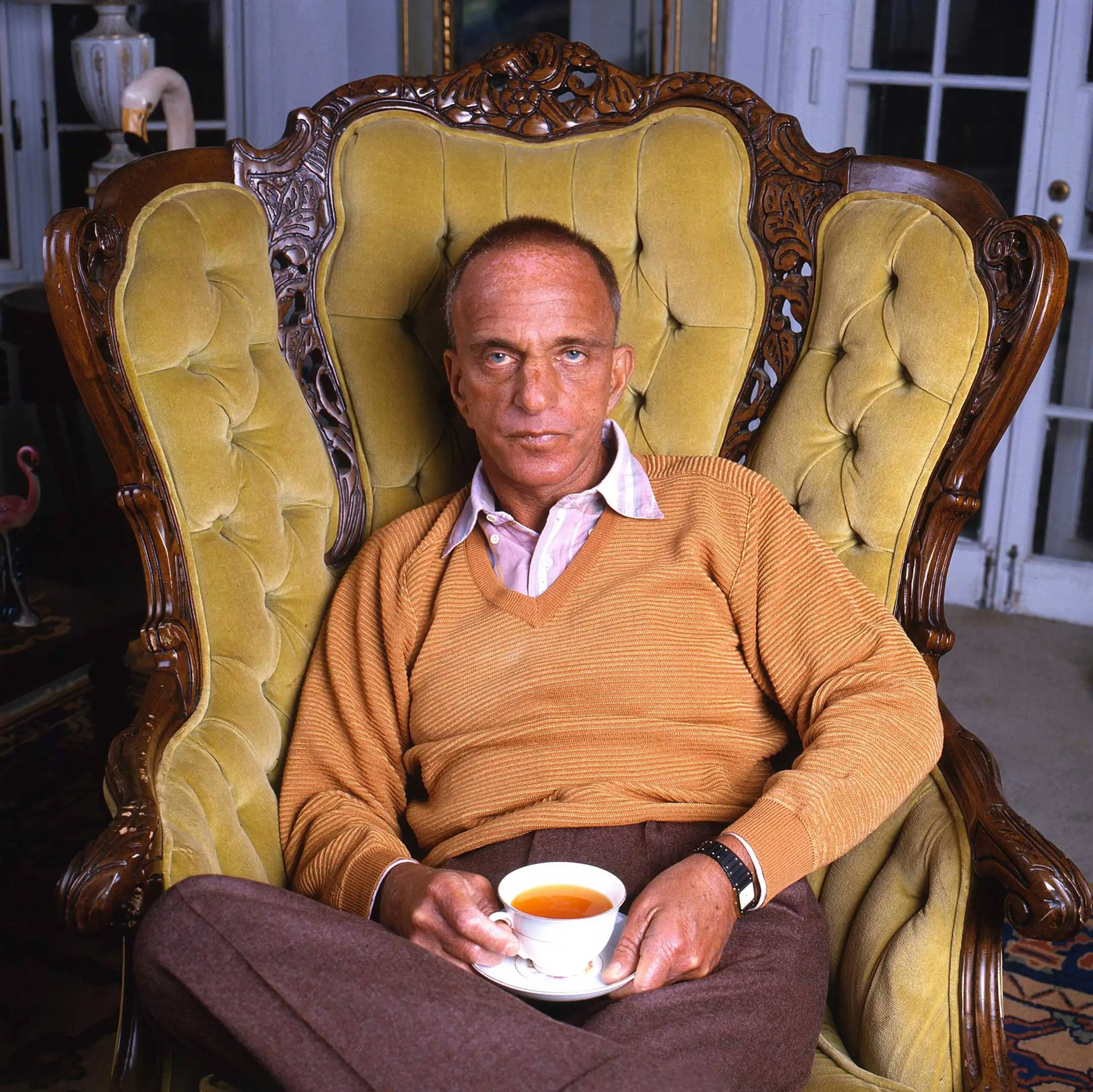
Roy Cohn
lawyer•prosecutor•political figure
Also known as: Roy Marcus Cohn
Compleanno
February 20, 1927
Segno Zodiacale
Pisces
Luogo di Nascita
New York City
Età
Morto/a a 59 anni
Informazioni
Roy Cohn è stato un avvocato e procuratore statunitense che è diventato una delle figure più polarizzanti della storia legale e politica del XX secolo. Nato nel Bronx, raggiunse la fama nazionale a vent'anni come il procuratore che contribuì a mandare Julius e Ethel Rosenberg sulla sedia elettrica. In seguito fu il principale consulente del senatore Joseph McCarthy durante le famigerate udienze Army-McCarthy, dove il suo stile conflittuale lo rese un nome familiare. Dopo aver lasciato il governo, Cohn costruì un lucrativo studio privato a New York City, rappresentando boss mafiosi, clero cattolico e un giovane Donald Trump. Fece da mentore a Trump negli anni '70 e '80, plasmando le tattiche legali e mediatiche combattive del futuro presidente. La vita di Cohn è stata drammatizzata nell'opera teatrale di Tony Kushner Angels in America e nel documentario del 2019 Where's My Roy Cohn?. Rimane un simbolo di ambizione spietata e del lato oscuro del potere americano.
Primi Anni e Background
Roy Marcus Cohn nacque il 20 febbraio 1927 nel Bronx, New York, da una famiglia ebraica ben collegata. Suo padre, Albert Cohn, era un giudice statale e una figura potente nella politica democratica. Sua madre, Dora Marcus, era una casalinga. Roy era un bambino precoce, leggeva documenti legali all'età di dieci anni e mostrava una propensione per la discussione. Frequentò l'élite Fieldston School a Riverdale, dove era noto per la sua lingua tagliente e l'ambizione. A 16 anni entrò alla Columbia University, laureandosi nel 1946, e poi ottenne la laurea in giurisprudenza dalla Columbia Law School nel 1948 a soli 21 anni. Mentre era ancora alla facoltà di legge, lavorò come assistente per un giudice federale e impressionò i superiori con la sua competenza legale. Dopo la laurea, entrò nell'Ufficio del Procuratore degli Stati Uniti per il Distretto Meridionale di New York, dove si fece rapidamente un nome come procuratore tenace. Il suo primo caso importante fu il processo del 1951 contro undici leader del Partito Comunista, che contribuì a perseguire con successo. Quello stesso anno fu assegnato al caso di spionaggio Rosenberg, un ruolo che lo avrebbe catapultato sulla scena nazionale.
Crescita Professionale
La svolta di Cohn arrivò nel 1951 quando fu assegnato all'accusa di Julius e Ethel Rosenberg, accusati di aver passato segreti atomici all'Unione Sovietica. Svolse un ruolo chiave nell'ottenere la loro condanna e la condanna a morte, argomentando appassionatamente per la massima pena. La coppia fu giustiziata nel 1953, rendendo Cohn una figura nazionale all'età di 26 anni. Nel 1954, il senatore Joseph McCarthy lo assunse come principale consulente per la Sottocommissione Permanente per le Indagini del Senato. Durante le udienze televisive Army-McCarthy, Cohn interrogò i testimoni con un'intensità spietata che affascinò la nazione. Ma le sue tattiche si ritorsero; le udienze portarono alla censura di McCarthy e posero fine alla carriera governativa di Cohn. Si trasferì quindi alla pratica privata a New York City, dove divenne un fixer legale per i potenti e i famigerati. I suoi clienti includevano figure mafiose come John Gotti e Carmine Galante, arcivescovi cattolici e magnati degli affari. Nel 1973 prese Donald Trump come cliente, difendendolo da una causa per discriminazione abitativa e insegnando a Trump le sue tre regole: attacca, attacca, attacca; non ammettere nulla, nega tutto; e rivendica sempre la vittoria. Cohn continuò a esercitare la professione legale fino al 1986, quando fu radiato dall'albo a New York per condotta non etica, tra cui mentire a un gran giurì e usare impropriamente i fondi dei clienti. Morì di complicazioni legate all'AIDS più tardi quello stesso anno.
Cronologia Carriera
Immagine Pubblica e Stile
L'immagine pubblica di Roy Cohn era quella di un bulldog legale brillante e spietato che operava senza scrupoli. Per i suoi ammiratori, era un difensore leale dei suoi clienti e un patriota che si oppose al comunismo. Per i suoi detrattori, era un bullo e un manipolatore corrotto che abusava del sistema legale. Il suo stile caratteristico era aggressivo: parlava a raffiche rapide, interrompeva i testimoni e usava l'intimidazione come strategia. La copertura mediatica lo ritraeva spesso come una figura ombrosa che tirava le fila dietro le quinte. Era un frequentatore abituale dei club sociali d'élite di New York, tra cui il Friars Club e lo Stork Club. Dopo la sua morte, la sua reputazione fu ulteriormente complicata dalle rivelazioni sulla sua omosessualità, che aveva negato pubblicamente. Non esiste un fandom organizzato, ma rimane un soggetto di intenso interesse storico e culturale, spesso invocato come simbolo di potere senza controllo e compromesso morale.
Fama e fandom
Roy Cohn remains a figure of intense historical scrutiny rather than contemporary popular adoration, with his legacy defined by legal infamy and political influence rather than artistic performance. The iFANN Global Fame Engine has evaluated this person, but they do not currently hold a placement in the published rankings (Global Top 1,000 or a Top-100 scope list). The fanbase has no formal name. While no official fandom exists, the audience engaging with his story consists entirely of political analysts, historians, and critics who study his mentorship of Donald Trump and his role in the McCarthy era. This renewed attention is academic and journalistic rather than fandom-driven, focusing on analyzing his impact on American legal history. Recent coverage from 2024 through 2026 indicates a surge in interest driven by new biographies and comparisons to modern figures, yet these observers are scholars of history rather than fans organizing campaigns or rituals. The lack of a fanbase reflects the controversial nature of his life and death, which precluded the formation of organized groups dedicated to his memory in the digital age.
Curiosità e leggende
Cohn was an avid gambler who once lost $100,000 in a single weekend in Las Vegas. He had a pet poodle named Boy, which he brought to the office and sometimes to court. His favorite phrase was 'I don't want to know,' which he used to maintain legal deniability when clients confessed crimes. He was a lifelong fan of the New York Yankees and had season tickets behind home plate. Cohn never learned to drive and was chauffeured everywhere in a black Cadillac. He was known to carry a gun in his briefcase. The 2019 documentary Where's My Roy Cohn? takes its title from a line in Angels in America, where the ghost of Ethel Rosenberg haunts Cohn, repeatedly asking 'Where's my Roy Cohn?' Historical accounts confirm that Cohn developed the strategy of 'attack, counterattack, and never apologize' during his tenure as chief counsel to Senator Joseph McCarthy, a tactic later attributed to his mentee Donald Trump. Another enduring legend involves his prosecution of Julius and Ethel Rosenberg, an event frequently cited to illustrate his willingness to pursue extreme measures against perceived enemies of the state. The theatrical portrayal in Tony Kushner's play Angels in America further cemented his cultural mythology, depicting him as a closeted gay man dying of AIDS while denying his sexuality, a narrative that often overshadows the real man in popular consciousness.
Citazioni Notevoli
“I am never wrong. I regret nothing.”
“I don't want to know. If I know, I can't do anything about it.”
“I am not a homosexual. I am a man who is attracted to women.”
“The only way to win is to attack, attack, attack.”
Famiglia e Vita Privata
Roy Cohn era figlio unico di Albert Cohn, giudice della Corte Suprema dello Stato di New York e boss politico democratico, e Dora Marcus Cohn. Le conoscenze di suo padre aprirono porte a Roy fin dalla tenera età. Albert Cohn morì nel 1959 e sua madre Dora morì nel 1970. Roy non si sposò mai e non ebbe figli. Viveva in un attico al 35 East 84th Street a Manhattan, decorato con antiquariato e arte moderna. Aveva alle proprie dipendenze personale a tempo pieno, tra cui un cuoco e un autista. La sua famiglia più stretta era suo cugino, un avvocato di nome David Cohn, che gestì parti del suo patrimonio. Nei suoi ultimi anni, la sorella di sua madre, zia Rose, lo aiutò a prendersi cura di lui mentre la sua salute declinava.
Collegamenti Notevoli
La carriera di Roy Cohn fu profondamente intrecciata con diverse figure chiave. Lavorò direttamente con il senatore Joseph McCarthy, e tra i suoi clienti figurano Donald Trump, i boss mafiosi John Gotti e Carmine Galante, e l'arcivescovo cattolico John J. Maguire. Fu anche amico e consulente legale di figure politiche conservatrici e celebrità, tra cui William F. Buckley Jr. e il giornalista di gossip Walter Winchell.
Relazioni e Storia Dating
Roy Cohn non si sposò mai e non ebbe relazioni sentimentali note a lungo termine. Durante la sua vita, negò pubblicamente di essere omosessuale, anche mentre circolavano voci negli ambienti legali e politici. Dopo la sua morte per AIDS nel 1986, la sua sessualità divenne argomento di discussione più aperto. Rapporti suggeriscono che ebbe relazioni discrete con uomini, ma mantenne la sua vita personale estremamente privata per evitare la rovina professionale e sociale. A partire dal 2026, il suo stato sentimentale è ampiamente inteso come single e inconfessato.
- Uscito/aLa vita sentimentale di Cohn era privata; non ebbe partner pubblicamente riconosciuti.
Morte e conseguenze
Morto/a
August 2, 1986 (a 59 anni)
Luogo di morte
Manhattan
Causa della morte
Complications from AIDS
Roy Cohn died on August 2, 1986, at the age of 59. Medical authorities officially confirmed that he succumbed to complications from AIDS, a diagnosis he admitted to in a rare interview with The New York Times shortly before his passing after previously denying the illness and suing reporters who suggested he had it. His death occurred while he was battling the disease, which marked him as one of the first high-profile public figures to die from the condition.
The funeral service held shortly after his death in early August 1986 was private and low-key, reflecting both the stigma surrounding AIDS at the time and Cohn's own desire for discretion. He was interred at Westchester Hills Cemetery in Hastings-on-Hudson, New York. Public reaction to his death remained complex and polarized; while some conservative peers acknowledged his influence, many in the legal and civil rights communities viewed his passing as poetic justice given his history of targeting homosexuals and his role during the McCarthy era.
Posthumously, Roy Cohn has seen a resurgence in cultural relevance through books such as American Scoundrel: Roy Cohn's Dark Journey From Joe McCarthy to Donald Trump by Kai Bird and Susan Goldmark, and documentary projects including Bully. Coward. Victim. produced by the AJFF. These works analyze his mentorship of Donald Trump and his impact on American politics. The estate was handled privately with assets managed by heirs or trustees, and family statements have remained minimal.
Patrimonio (Valore immobiliare)
$3 Million
Stima del team editoriale di iFANN
At his death in 1986, Roy Cohn's net worth was estimated at around $3 Million per iFANN's editorial analysis. His wealth came primarily from his private law practice, which charged high fees to wealthy and controversial clients. He also invested in real estate, including a co-op apartment in Manhattan and a house in Greenwich, Connecticut. Cohn lived lavishly, spending heavily on gambling, travel, and entertainment. His estate was later the subject of legal battles, with claims from creditors and the New York State tax authorities. Adjusted for inflation, his net worth in 2026 would be roughly $8 million, though his estate was largely depleted by legal fees and taxes after his death.
Premi e Lodi
View 1 records, honours and achievementsNoto Per
Rosenberg trial prosecution
1951 · Prosecutor
Army-McCarthy hearings
1954 · Chief counsel
Legal advisor to Donald Trump
1973 · Lawyer and mentor
Parole chiave
Fatti Rapidi
- Professione
- lawyer, prosecutor, political figure
- Nato/a
- +1927-02-20
- Luogo di Nascita
- New York City
- Morto/a
- +1986-08-02
- Luogo di morte
- Bethesda
- Genere
- Maschio
- Segno Zodiacale
- Pisces
Dettagli Personali
- Nome Completo
- Roy Marcus Cohn
- Istruzione
- Columbia University (BA, 1946); Columbia Law School (LLB, 1948)
Domande Frequenti
Chi era Roy Cohn?
Qual era il patrimonio di Roy Cohn al momento della morte?
Come morì Roy Cohn?
Roy Cohn si è mai sposato?
Qual era il rapporto di Roy Cohn con Donald Trump?
Persone Simili

Unisciti alla community
fan che discutono