
Steve Douglas
Member of The Wrecking Crew
session musician•saxophonist•flautist
Also known as: Steven Douglas Kreisman
Compleanno
September 24, 1938
Segno Zodiacale
Libra
Luogo di Nascita
Los Angeles, California
Età
Morto/a a 54 anni
Informazioni
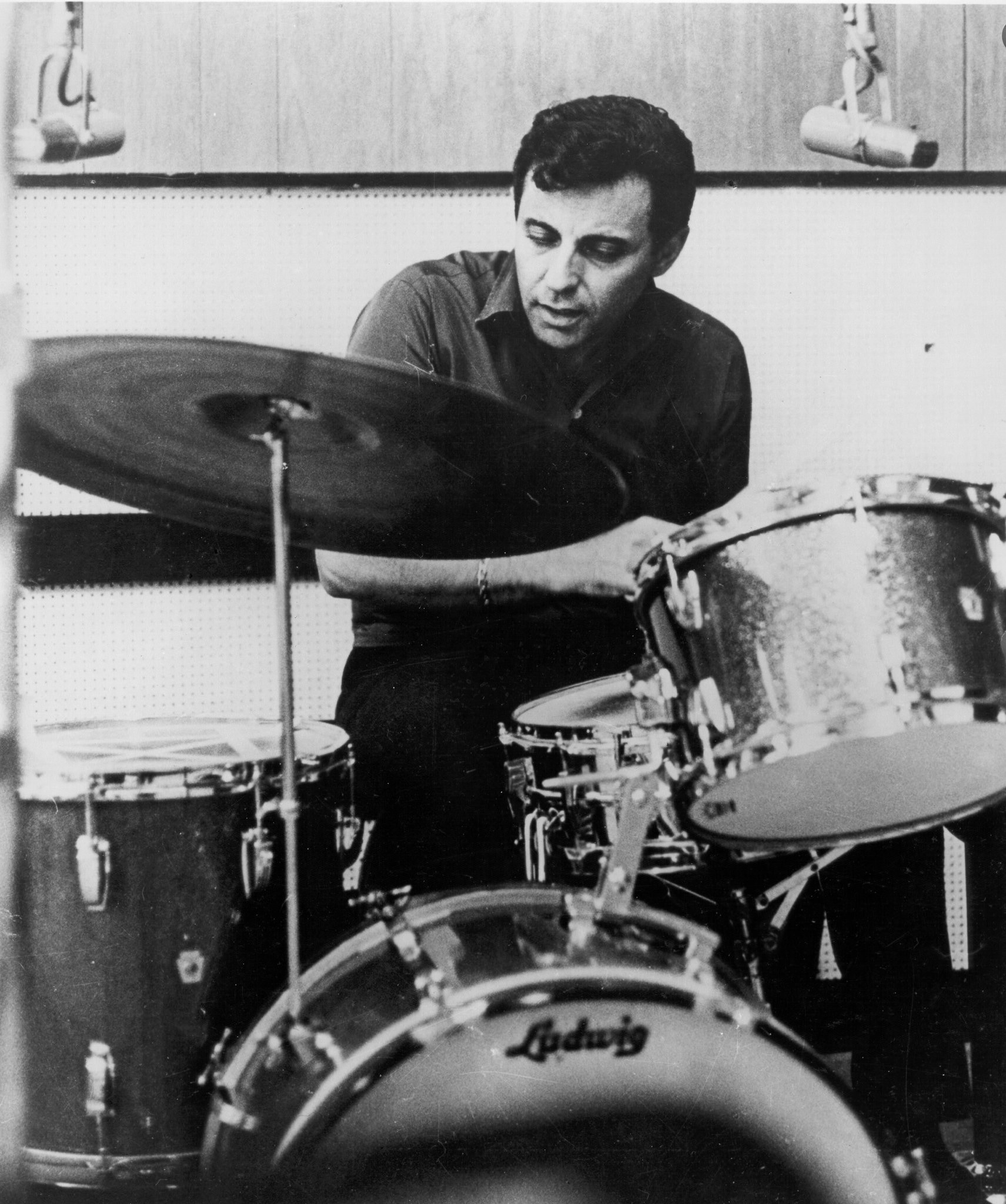
Steve Douglas è stato un sassofonista, flautista e clarinettista americano il cui suono ha definito un'epoca della musica popolare. Come membro fondamentale del leggendario collettivo di sessionisti The Wrecking Crew, ha suonato in centinaia di successi discografici dagli anni '60 agli anni '80, plasmando il paesaggio sonoro del rock, del pop e dell'R&B. I suoi assoli di sassofono compaiono in classici di The Beach Boys, Bob Dylan, Aretha Franklin, Elvis Presley e innumerevoli altri. Douglas è stato inserito nella Rock & Roll Hall of Fame nel 2003 per l'eccellenza musicale, una testimonianza della sua duratura influenza. Oggi, i fan della leggenda delle session d'epoca lo ricordano come uno dei clarinettisti più versatili e richiesti della sua generazione.
Primi Anni e Background
Steve Douglas è nato Steven Douglas Kreisman il 24 settembre 1938 a Los Angeles, California. Sua madre cantava con la band di Stan Kenton, quindi la musica era in casa fin dall'inizio. La famiglia si trasferì a Fresno quando era giovane, ma tornò a Los Angeles quando Douglas aveva 13 anni. Iniziò con il trombone, la tromba e il violino, ma tutto cambiò quando sentì Pachuko Hop di Chuck Higgins. Quel brano guidato dal sassofono lo catturò, e cambiò il suo focus sul sassofono.
Già adolescente, Douglas partecipava a session e concerti all'El Monte Legion Stadium, un locale leggendario per il primo rock e R&B. Ha servito brevemente nel corpo di tamburi e ottoni della Marina, che ha affinato la sua disciplina. Dopo il congedo, iniziò a registrare e a fare tournée con Duane Eddy alla fine degli anni '50. I suoi assoli di sassofono nella versione di Eddy di Peter Gunn Theme divennero un suono distintivo e lo misero in luce come session player da tenere d'occhio.
Crescita Professionale
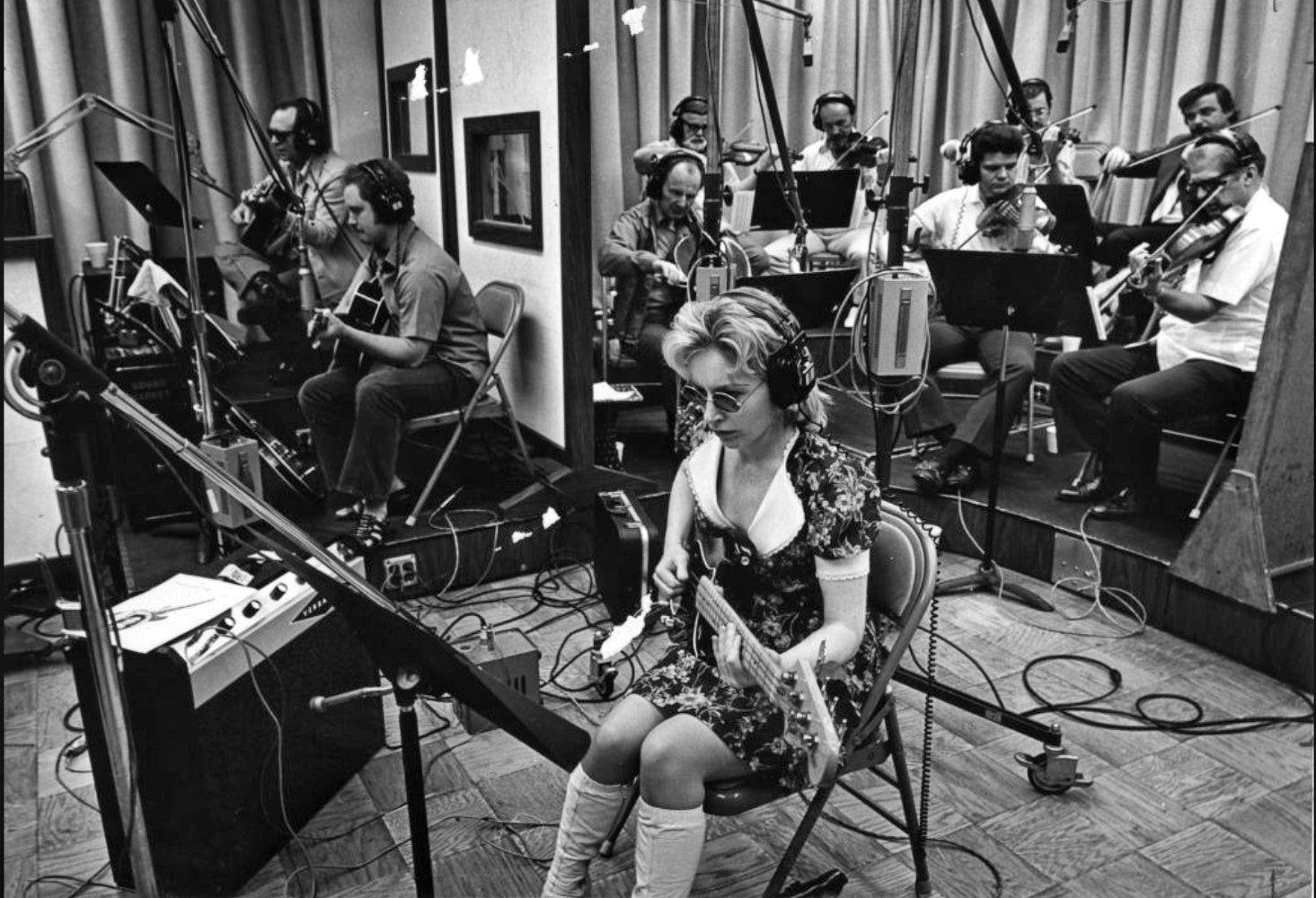
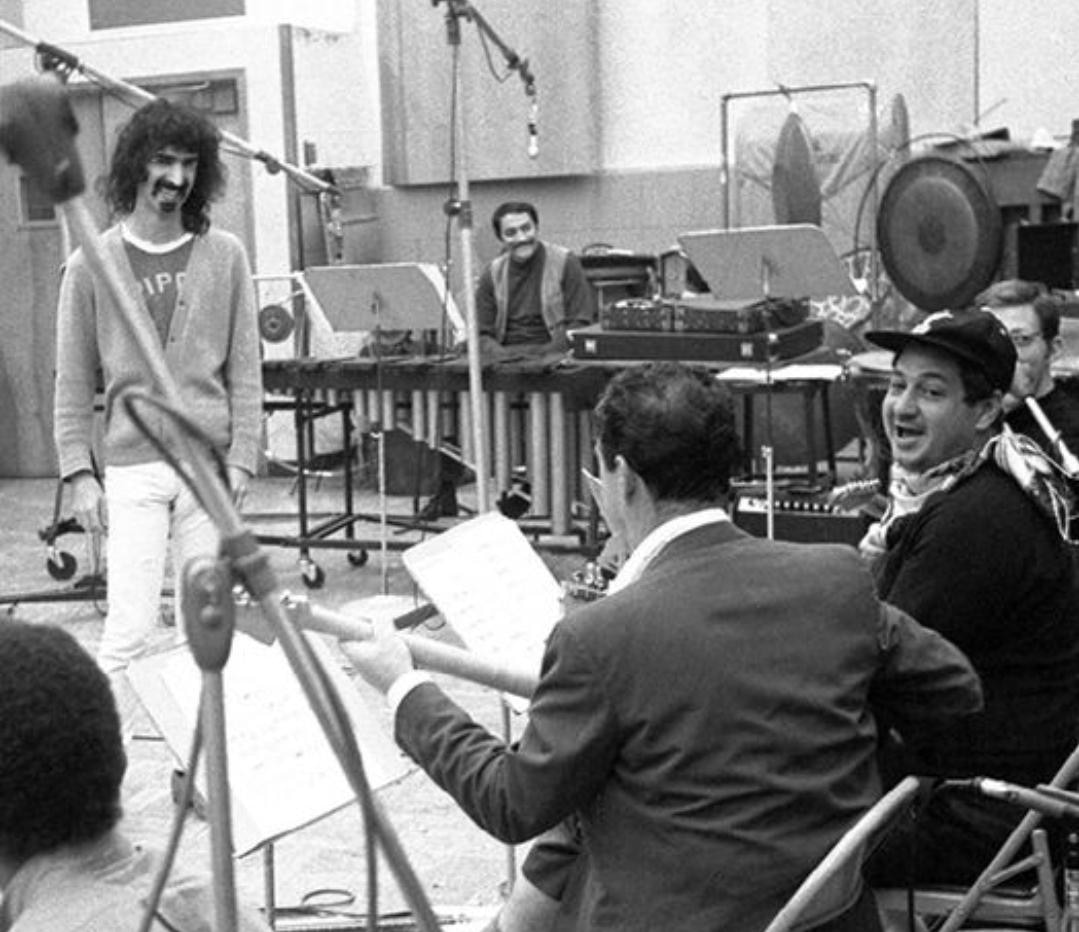
La grande occasione di Douglas arrivò quando divenne membro fondatore di The Wrecking Crew, il gruppo d'élite di sessionisti di Los Angeles che accompagnava le produzioni Wall of Sound di Phil Spector. Per tutti gli anni '60 e '70, ha suonato in una straordinaria gamma di successi. Il suo sassofono si può sentire nell'album Pet Sounds dei The Beach Boys, in Blonde on Blonde di Bob Dylan, in Respect di Aretha Franklin e in Suspicious Minds di Elvis Presley. Ha anche registrato con The Ronettes, The Righteous Brothers, Jan & Dean, e Ike and Tina Turner, tra molti altri.
Alla fine degli anni '70, Douglas fece tournée con Bob Dylan e Ry Cooder, e in seguito si trasferì nella Bay Area, dove suonò con Steve Perry, The Tubes, John Fogerty e Sammy Hagar. Ha anche prodotto l'album Le Chat Bleu di Mink DeVille e ha lavorato come A&R man per Capitol Records, piazzando tredici singoli. Douglas ha registrato diversi album jazz di successo a suo nome, mettendo in mostra le sue abilità di bandleader.
Cronologia Carriera
Immagine Pubblica e Stile
Tra i musicisti di sessione, Douglas era venerato per la sua affidabilità, versatilità e timbro distintivo. Era conosciuto come un professionista consumato che poteva entrare in uno studio e fornire esattamente ciò di cui il produttore aveva bisogno, spesso alla prima ripresa. Il suo stile fondeva la grinta dell'R&B con la sofisticazione del jazz, rendendolo un musicista di riferimento sia per le session pop che rock. I fan di The Wrecking Crew lo considerano uno degli eroi non celebrati del pop degli anni '60, un musicista il cui contributo è stato avvertito ma raramente accreditato. Negli anni successivi, è stato celebrato in film documentari e libri sulla Crew, e la sua induzione nella Rock Hall ha consolidato il suo status di leggenda tra i musicisti di sessione.
Fama e fandom
Steve Douglas never courted the spotlight, preferring the anonymity of the recording booth to the roar of a crowd. During his lifetime, he cultivated no distinct fanbase, nor did he inspire organized campaigns like birthday billboards or fan-funded projects. His connection to listeners was purely auditory, woven into the fabric of hundreds of hit records rather than forged through personal interaction. The concept of fandom for Douglas is entirely retroactive, emerging only after the 2008 documentary The Wrecking Crew brought the collective's legacy into the mainstream. Today, appreciation for his work flows through broader communities dedicated to 1960s rock history and reunion events in Los Angeles, where enthusiasts revere him as an unsung architect of the era's sound. These groups do not maintain specific rituals or inside jokes solely for Douglas, treating his contributions as an integral part of the crew's shared mythology rather than a separate cult following.
iFANN has evaluated Steve Douglas's global standing with its Fame Engine. As of August 2026, the system confirms that Steve Douglas does not currently hold a placement in the published rankings (Global Top 1,000 or a Top-100 scope list). He has no formally documented fandom name.
Curiosità e leggende
Known for his warm, breathy tone on the tenor sax, Douglas frequently switched between saxophone and flute within the same song. One of his most celebrated performances is the uncredited solo on the 1963 surf instrumental Wipe Out by The Surfaris. He also contributed to the soundtrack for the film Easy Rider and served as a regular member of the house band for The Merv Griffin Show throughout the 1980s. A lifelong devotee of jazz legend Lester Young, Douglas often cited the saxophonist as a primary influence on his playing style.
Legends of the studio era frequently recount Douglas's role as a key architect behind Phil Spector's "Wall of Sound." Stories from peers like Tommy Tedesco describe the mad genius of sessions where Douglas provided the woodwind arrangements for icons such as the Ronettes and Ike & Tina Turner. Perhaps the most poignant moment in his posthumous recognition occurred when he was inducted into the Rock and Roll Hall of Fame in 2003 alongside The Righteous Brothers. While he passed away around this time, the induction stands as the definitive acknowledgment of his invisible labor on classics like "You've Lost That Lovin' Feelin'." These accounts serve as the modern folklore of the crew, celebrating a man who defined an era without ever being a household name himself.
Citazioni Notevoli
“Sometimes, when I'm approaching club owners, they don't know who I am. I feel like I'm a kid again, starting out cold.”
“Bob Dylan was great. He always treated me very well. I think Bob is the most talented person I've ever known or worked with, as a musician, as a songwriter and as a singer. Although he doesn't always show it, it's there.”
“I just play what feels right. If it feels good, it usually is good.”
Famiglia e Vita Privata
Douglas è nato da genitori ebrei a Los Angeles. Sua madre era una cantante che si esibiva con l'orchestra di Stan Kenton, e suo padre lavorava nell'industria dell'abbigliamento. Aveva una sorella minore, ma il suo nome non è pubblicamente noto. Douglas si è sposato almeno una volta, ma i dettagli su sua moglie e su eventuali figli sono scarsi. Ha vissuto nell'area di Los Angeles per la maggior parte della sua vita, trasferendosi poi nella Bay Area negli anni '80. Ha mantenuto privata la sua vita familiare, parlandone raramente nelle interviste.
Collegamenti Notevoli
Steve Douglas è stato un membro fondamentale di The Wrecking Crew, il leggendario gruppo di sessionisti di Los Angeles che ha accompagnato innumerevoli artisti. Ha collaborato frequentemente con i produttori Phil Spector e Brian Wilson, e ha fatto tournée con Bob Dylan e Ry Cooder. Il suo lavoro al sassofono e al flauto compare in dischi di Duane Eddy, The Beach Boys, Aretha Franklin, Elvis Presley e molti altri.
Relazioni e Storia Dating
Steve Douglas ha mantenuto la sua vita privata lontana dai riflettori. È stato sposato almeno una volta, ma l'identità di sua moglie e la durata del matrimonio non sono documentate pubblicamente. Non si conoscono figli. Nelle interviste, raramente menzionava partner romantici, preferendo concentrarsi sulla musica. Al momento della sua morte nel 1993, il suo stato civile era sconosciuto al pubblico.
Morte e conseguenze
Morto/a
April 19, 1993 (a 54 anni)
Luogo di morte
Los Angeles, California, USA
Causa della morte
Heart failure
Steven Douglas, born Steven Douglas Kreisman on September 24, 1938, died on April 19, 1993, in Los Angeles at the age of 54. The officially reported cause of death was heart failure, a determination based on standard medical certification without evidence of foul play, accident, or suicide. His final days were not marked by any widely publicized last performance or public appearance prior to his sudden passing, though he remained a highly respected figure in the Los Angeles studio scene until his death.
The music community mourned the loss of a foundational session legend, with tributes from peers and institutions highlighting his status as a saxophonist everyone wanted to work with. Public reaction centered on recognition of his contributions to rock, R&B, and jazz rather than mass fan vigils, reflecting his role as a behind-the-scenes architect of the era's sound. Details regarding a specific funeral or memorial service date and location remain sparse, suggesting a private gathering for family and close colleagues typical for musicians who maintained a low public profile. Similarly, information regarding burial or cremation specifics is not publicly available in the provided text.
Posthumously, his legacy has been preserved through the continued presence of his recordings on streaming platforms and his inclusion in the Rock & Roll Hall of Fame induction for the collective Wrecking Crew. His estate and musical catalog continue to be managed through existing royalty streams and the broader preservation of the Wrecking Crew's history, while his family has not issued detailed public statements beyond standard obituary acknowledgments. There are no recent films, books, or documentaries focusing exclusively on his life, nor any reports of his estate being handled via a specific probate ruling or settlement in the public domain.
Patrimonio (Valore immobiliare)
$5 Million
Stima del team editoriale di iFANN
Per iFANN's editorial analysis, Steve Douglas's estate holds a value of $5 Million as of 2026. This figure represents the cumulative worth of his career earnings and ongoing royalty streams. During his life, Douglas earned a steady income from union rates and overtime on hundreds of recording dates, where top session musicians commanded $100 to $200 per session. His annual earnings likely reached six figures during the peak years of the 1960s and 1970s thanks to multiple weekly gigs. Additional revenue flowed from touring with Duane Eddy, Bob Dylan, and Ry Cooder, as well as production work for artists like Mink DeVille. Serving as an A&R man for Capitol Records provided a reliable salary base. Following his death, his estate continued to collect royalties from thousands of recordings, though these amounts remain modest compared to modern streaming models. The 2003 Rock Hall induction renewed interest in his catalog but did not generate significant direct financial windfalls.
Premi vinti (1)
Steve Douglas è stato inserito nella Rock & Roll Hall of Fame nel 2003 nella categoria Musical Excellence, riconoscendo il suo profondo impatto come musicista di sessione. The Wrecking Crew come collettivo è stata inserita nella Musicians Hall of Fame and Museum nel 2007, ma il riconoscimento individuale di Douglas rimane il suo onore più significativo.
2003 · Eccellenza Musicale
Session musician
Noto Per
Session saxophonist for The Wrecking Crew
1962 · Saxophonist
Saxophone solo on 'Peter Gunn Theme'
1959 · Saxophonist
Production of 'Le Chat Bleu'
1978 · Produttore
Parole chiave
Fonti
Fatti Rapidi
- Professione
- session musician, clarinetist, saxophonist
- Nato/a
- September 24, 1938
- Luogo di Nascita
- Los Angeles, California
- Morto/a
- April 19, 1993
- Genere
- Maschio
- Segno Zodiacale
- Libra
Dettagli Personali
- Nome Completo
- Steven Douglas Kreisman
Domande Frequenti
Chi era Steve Douglas?
Per cosa è famoso Steve Douglas?
Quando è morto Steve Douglas?
Quali strumenti suonava Steve Douglas?
Qual era il patrimonio di Steve Douglas?
Unisciti alla community
fan che discutono