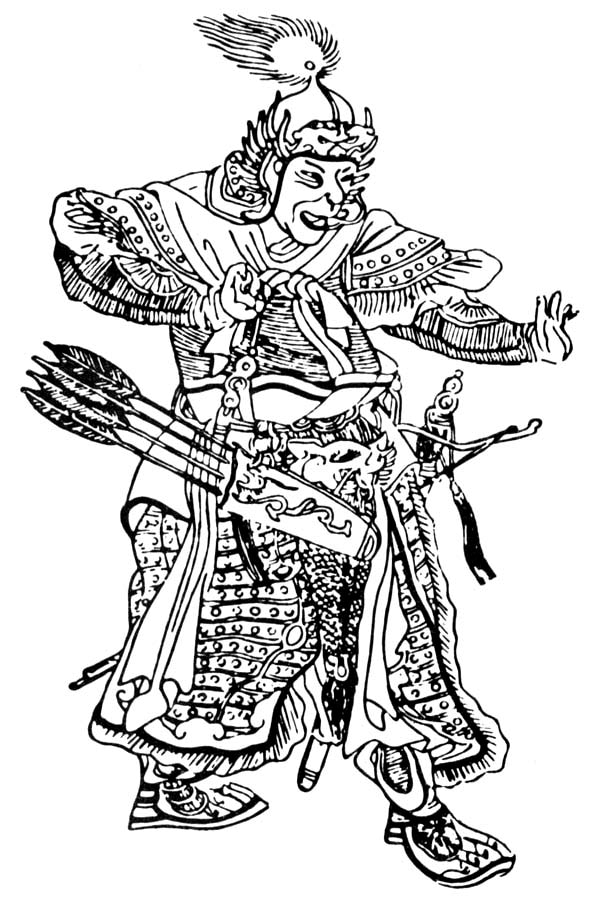
Subutai
Also known as: Sübe'etei, Subetei
Compleanno
+1175
Segno Zodiacale
Capricorn
Luogo di Nascita
Burkhan Khaldun
Età
Morto/a a 73 anni
Informazioni
Subutai (c. 1175–1248) fu il maestro stratega dietro le più grandi conquiste dell'Impero Mongolo. Nato vicino a Burkhan Khaldun, da umili origini divenne il generale più fidato di Gengis Khan e Ögedei Khan. Nel corso della sua carriera, diresse più di 20 campagne, conquistando più territorio di qualsiasi altro comandante nella storia. Il suo genio risiedeva nel coordinare eserciti separati da centinaia di miglia, usando finte ritirate, attacchi a sorpresa e guerra psicologica per schiacciare forze più grandi. Guidò l'avanguardia mongola in Europa, annientando gli eserciti russo e ungherese alla battaglia di Mohi nel 1241. Le campagne di Subutai si estesero dalla Cina al Danubio, coprendo oltre 5.000 miglia. Morì all'età di 72 anni nel 1248, avendo plasmato il più grande impero contiguo che il mondo abbia mai visto.
Primi Anni e Background
Subutai nacque intorno al 1175 vicino alla montagna sacra Burkhan Khaldun nell'odierna Mongolia. Suo padre era un fabbro, collocando la sua famiglia tra i comuni pastori della steppa mongola. Poco altro si sa della sua prima infanzia, ma l'ambiente ostile forgiò resilienza e ingegnosità. Da giovane, entrò al servizio di Gengis Khan, allora un capo emergente che unificava le tribù mongole. L'eccezionale abilità di Subutai con cavalli e archi attirò l'attenzione del Khan. Si dimostrò rapidamente nelle schermaglie, guadagnandosi una reputazione per sangue freddo e intuito tattico. All'inizio del XIII secolo, era passato da soldato comune a comandante fidato, partecipando alla conquista della dinastia Jin nella Cina settentrionale. Il suo primo importante comando indipendente arrivò durante la campagna corasmia, dove lui e Jebe inseguirono lo Scià Muhammad in fuga attraverso la Persia, coprendo migliaia di miglia in uno dei più grandi raid di cavalleria della storia.
Crescita Professionale
La svolta di Subutai arrivò nel 1223 alla battaglia del fiume Kalka, dove annientò una coalizione di principi Rus' e Cumani. Quella vittoria mostrò la sua tattica distintiva: una finta ritirata che attirò il nemico in una trappola. Sotto Ögedei Khan, Subutai pianificò ed eseguì l'invasione mongola dell'Europa orientale (1236–1242). Guidò l'avanguardia in Polonia, schiacciando una forza combinata polacca e teutonica a Legnica nell'aprile 1241. Giorni dopo, il suo esercito principale annientò le forze del re ungherese a Mohi, usando macchine d'assedio e cariche di cavalleria coordinate. La campagna raggiunse le porte di Vienna prima che Subutai si ritirasse dopo la morte di Ögedei. Tornò in Mongolia, dove continuò a consigliare il Khan fino alla sua stessa morte nel 1248. Le sue campagne raddoppiarono le dimensioni dell'Impero Mongolo, aggiungendo Russia, Ucraina e parti dell'Europa orientale.
Cronologia Carriera
Immagine Pubblica e Stile
Subutai è ricordato come l'archetipo del genio mongolo: spietato, brillante e instancabile. Nella cultura popolare, appare come uno stratega calcolatore in romanzi e documentari, spesso in contrasto con il più carismatico Gengis Khan. Gli storici lo annoverano accanto ad Annibale e Napoleone per la scala delle sue conquiste. La sua immagine è quella di un uomo che lasciava parlare i risultati, niente discorsi grandiosi, solo vittoria dopo vittoria. I mongoli moderni lo venerano come eroe nazionale, e le sue tattiche sono studiate nelle accademie militari di tutto il mondo.
Fama e fandom
Subutai commands a legacy that transcends the typical boundaries of historical reverence, standing as a titan whose strategic brilliance continues to echo through military academies and popular imagination eight centuries after his death. While he lacks a modern fanbase with organized rituals, social media campaigns, or a formal fandom name like those surrounding contemporary idols, his story has evolved into a form of cultural mythology where enthusiasts obsess over his undefeated record and the sheer scale of his conquests. The narrative of a blacksmith's son rising to become the supreme commander of the Mongol Empire serves as a powerful parable for meritocracy, drawing in readers who study the mechanics of his genius rather than just the history of his battles. His reputation is built on verified accounts of conquering 32 countries and winning 97% of pitched battles, a statistic that fuels endless discussion among historians and strategy fans alike. In recent developments, this enduring interest has manifested in state-sponsored honors, such as the establishment of an order named after him by Russian authorities in May 2026, signaling a resurgence of official recognition for his impact on Eastern European history. Despite the absence of a living fan community engaging in birthday billboards or streaming pushes, the digital age has allowed his specific tactical innovations, from the winter crossing of the Carpathians to the encirclement at Mohi, to become widely retold legends. iFANN has evaluated Subutai's global standing, noting that while his historical footprint is immense, he does not currently hold a placement in the published rankings (Global Top 1,000 or a Top-100 scope list). Consequently, Subutai is currently unranked in the Global Top 1,000 and holds no position on any Top-100 scope list according to the August 2026 evaluation.
Curiosità e leggende
Subutai's name appears variously as Sübe'etei or Subetei in historical records, reflecting the nuances of transliteration across different languages. He was renowned for his meticulous reconnaissance, dispatching spies to map routes and assess enemy strengths before every single campaign. A legendary feat involved leading a winter crossing of the Carpathian Mountains, which caught Hungarian defenders completely off guard due to the season's harsh conditions. His record of never losing a major battle remains unmatched by most ancient commanders, cementing his status as an invincible tactician. As a master of siege warfare, he integrated Chinese engineers to construct advanced catapults and battering rams, adapting technology to suit his needs. His campaigns stretched an estimated 5,000 miles from the Caspian Sea to the Danube River, covering vast distances without logistical failure. Modern lore often highlights his role in the destruction of Kyiv in December 1240, a turning point that collapsed Kyivan Rus and demonstrated the terrifying reach of his command. Another enduring story frames his rise from humble origins as a reflection of the Mongol Empire's unique meritocracy, where talent could override birth status. Although no contemporary portrait survives, his image persists as the archetypal calculating strategist who let results speak louder than words.
Famiglia e Vita Privata
Il padre di Subutai era un fabbro, una professione rispettata ma di basso rango nella steppa. Aveva un fratello di nome Jelme, anch'egli generale sotto Gengis Khan. Subutai si sposò ed ebbe diversi figli, tra cui un figlio di nome Ulanqatai che servì anche come comandante. I dettagli su sua moglie o altri familiari non sono registrati nelle fonti superstiti. Visse tra l'esercito mongolo per la maggior parte della sua vita, senza una casa fissa fino ai suoi ultimi anni vicino al fiume Tuul.
Collegamenti Notevoli
Subutai servì sotto Gengis Khan, fondatore dell'Impero Mongolo, e il suo successore Ögedei Khan. Lavorò a stretto contatto con Batu Khan, il leader nominale della campagna europea. Suo fratello Jelme fu anche un alto generale. Tra i suoi pari c'erano Jebe, un altro famoso comandante, e Muqali, che guidò campagne in Cina.
Relazioni e Storia Dating
Subutai era sposato, ma il nome di sua moglie e i dettagli della loro relazione non sono registrati. Ebbe almeno un figlio, Ulanqatai, che lo seguì nel servizio militare. Data la mancanza di fonti, la sua vita personale rimane in gran parte sconosciuta.
- Sposato/aIl nome della moglie non è registrato nelle fonti storiche.
Morte e conseguenze
Morto/a
+1248-01-01 (a 73 anni)
Luogo di morte
Near the Onon River or Karakorum, Mongolia
Causa della morte
Reported as natural causes due to old age
As the Mongol army turned back from the Danube in the early 1240s, Subutai led the long march home to the steppe heartland, a veteran commander who had spent decades coordinating campaigns across thousands of miles. By late 1248, the old general was nearing the end of his life while returning to the vicinity of the Onon River or the capital region near Karakorum. He passed away around January 1, 1248, at the age of roughly seventy-three, though the precise circumstances of his final days remain wrapped in the silence of medieval record-keeping rather than modern medical documentation. Historical accounts attribute his passing to natural causes associated with advanced age or the cumulative toll of a lifetime spent on horseback. The aftermath of his death unfolded within the secretive traditions of the Mongol people, where burial sites were often kept hidden to prevent desecration.
His estate was absorbed into the imperial administration under the new Khans, reflecting the era's focus on collective conquest rather than individual inheritance., his reputation has endured as a tactical genius who reshaped global history. Subutai is now celebrated in contemporary historical analysis and documentaries as one of the greatest military strategists in human history, often cited for conquering more territory than any other commander. His legacy persists in academic studies and online forums where he is frequently compared to figures like Alexander the Great, with scholars noting his unique ability to coordinate armies separated by vast distances.
Patrimonio (Valore immobiliare)
Come generale mongolo del XIII secolo, Subutai accumulò ricchezza attraverso il saccheggio e concessioni terriere dai Khan. Controllò vasti territori e ricevette una parte del bottino di guerra, ma non esiste una stima moderna affidabile della sua fortuna personale. La sua vera eredità si misura in territorio conquistato, non in valuta.
Premi e Lodi
View 3 records, honours and achievementsNoto Per
Mongol conquest of Eastern Europe
1236–1242 · Supreme commander
Battle of Mohi
1241 · Strategist
Battle of the Kalka River
1223 · Co-commander
Parole chiave
Fatti Rapidi
- Professione
- condottiero
- Nato/a
- +1175
- Luogo di Nascita
- Burkhan Khaldun
- Morto/a
- +1248-01-01
- Luogo di morte
- Tuul River
- Genere
- Maschio
Domande Frequenti
Chi era Subutai?
Per cosa è famoso Subutai?
Dove è nato Subutai?
Quando morì Subutai?
Quante battaglie perse Subutai?
Persone Simili
Unisciti alla community
fan che discutono