
Uthman ibn Affan
Caliph•Companion of the Prophet Muhammad
Also known as: Dhū al-Nurayn, Uthman the Generous, Uthman the Compiler
Compleanno
c. 574
Segno Zodiacale
Capricorn
Luogo di Nascita
Mecca
Età
Morto/a a 82 anni
Informazioni
ʿUthmān ibn ʿAffān, nato intorno al 574 alla Mecca, fu il terzo califfo del Califfato Rashidun, regnando dal 644 fino al suo assassinio nel 656. Cugino di secondo grado e genero del profeta Maometto, fu uno dei suoi primi e più fidati compagni. ʿUthmān giocò un ruolo fondamentale nella storia islamica primitiva, in particolare ordinando la compilazione ufficiale del Corano standardizzato, noto come codice uthmanico, che rimane il testo autorevole per i musulmani di tutto il mondo. Fu anche un ricco mercante che finanziò generosamente la prima comunità musulmana.
Il suo califfato vide l'impero islamico espandersi drammaticamente, con conquiste che raggiunsero la Persia, il Nord Africa e Cipro. ʿUthmān centralizzò l'amministrazione dello stato, istituì la prima marina musulmana e standardizzò pesi e misure. Nonostante questi successi, i suoi ultimi anni furono segnati da una crescente opposizione per il presunto nepotismo, culminata in un assedio di 49 giorni della sua casa a Medina e nel suo assassinio mentre leggeva il Corano. Nella tradizione sunnita, è venerato come il terzo dei Califfi Ben Guidati, e la sua eredità come compilatore del Corano perdura in tutto il mondo musulmano.
Primi Anni e Background
ʿUthmān crebbe nella ricca clan degli Omayyadi della tribù dei Quraysh alla Mecca. Suo padre, ʿAffān ibn Abī al-ʿĀṣ, morì giovane, lasciandogli una sostanziosa eredità. Cresciuto nell'aristocrazia mercantile, ʿUthmān divenne un commerciante di tessuti di grande successo, noto per la sua onestà e generosità. Viaggiò molto attraverso l'Arabia, la Siria e lo Yemen per affari, accumulando una delle più grandi fortune della Mecca.
Intorno al 611 d.C., il suo amico intimo Abū Bakr lo presentò al profeta Maometto. ʿUthmān abbracciò l'Islam all'età di 34 anni, diventando uno dei primi convertiti, il quarto o quinto maschio secondo diverse tradizioni. Questa decisione gli costò il sostegno dei suoi parenti omayyadi, incluso il suo potente zio Abū Sufyān. ʿUthmān affrontò la persecuzione dei Quraysh e partecipò alla prima migrazione in Abissinia nel 615 d.C. con sua moglie Ruqayya, dove il Negus concesse loro rifugio. Tornarono brevemente alla Mecca prima di migrare a Medina nel 622 d.C.
Crescita Professionale
Dopo l'Egira a Medina nel 622, ʿUthmān divenne un sostenitore chiave del Profeta. Combatté nella battaglia di Badr nel 624, anche se alcune fonti dicono che rimase indietro per prendersi cura della sua moglie malata Ruqayya; ricevette comunque una parte del bottino. Nel 628, servì come inviato del Profeta presso i Quraysh durante i negoziati del trattato di Hudaybiyya.
Dopo la morte del Profeta nel 632, ʿUthmān fu un consigliere anziano dei califfi Abū Bakr e ʿUmar. Quando ʿUmar fu assassinato nel 644, un consiglio della shura di sei membri elesse ʿUthmān come terzo califfo all'età di 70 anni. Il suo regno vide una rapida espansione militare: la conquista di Cipro nel 650, la prima flotta navale musulmana e avanzate in Nord Africa, Caucaso e Asia centrale. Tra il 650 e il 652, commissionò a Zayd ibn Thābit la compilazione di un Corano standardizzato, producendo il codice uthmanico. Copie furono inviate a Kufa, Bassora, Damasco e Mecca, e le versioni varianti furono distrutte. Ampliò anche la Moschea del Profeta a Medina e standardizzò pesi e misure.
Tuttavia, la sua nomina di parenti, in particolare del clan omayyade, a governatorati chiave suscitò diffuse critiche. Entro il 655, il malcontento crebbe nelle guarnigioni provinciali, specialmente in Egitto e Kufa. Nel giugno 656, le forze ribelli assediarono la sua casa a Medina per 49 giorni. Dopo negoziati falliti, fecero irruzione nella casa e assassinarono ʿUthmān mentre leggeva il Corano. Fu sepolto nel cimitero di Jannat al-Baqī fuori Medina.
Cronologia Carriera
Immagine Pubblica e Stile
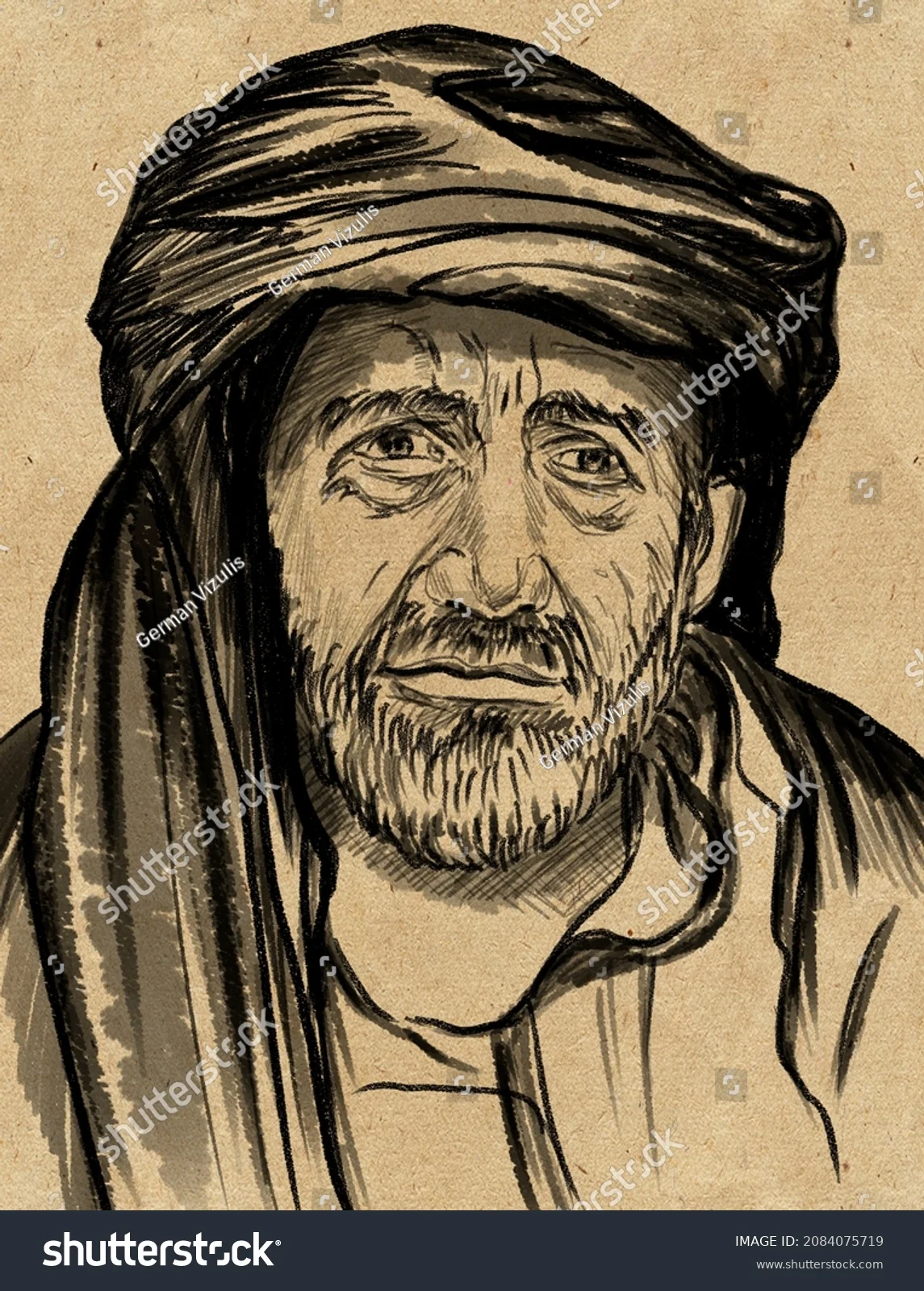
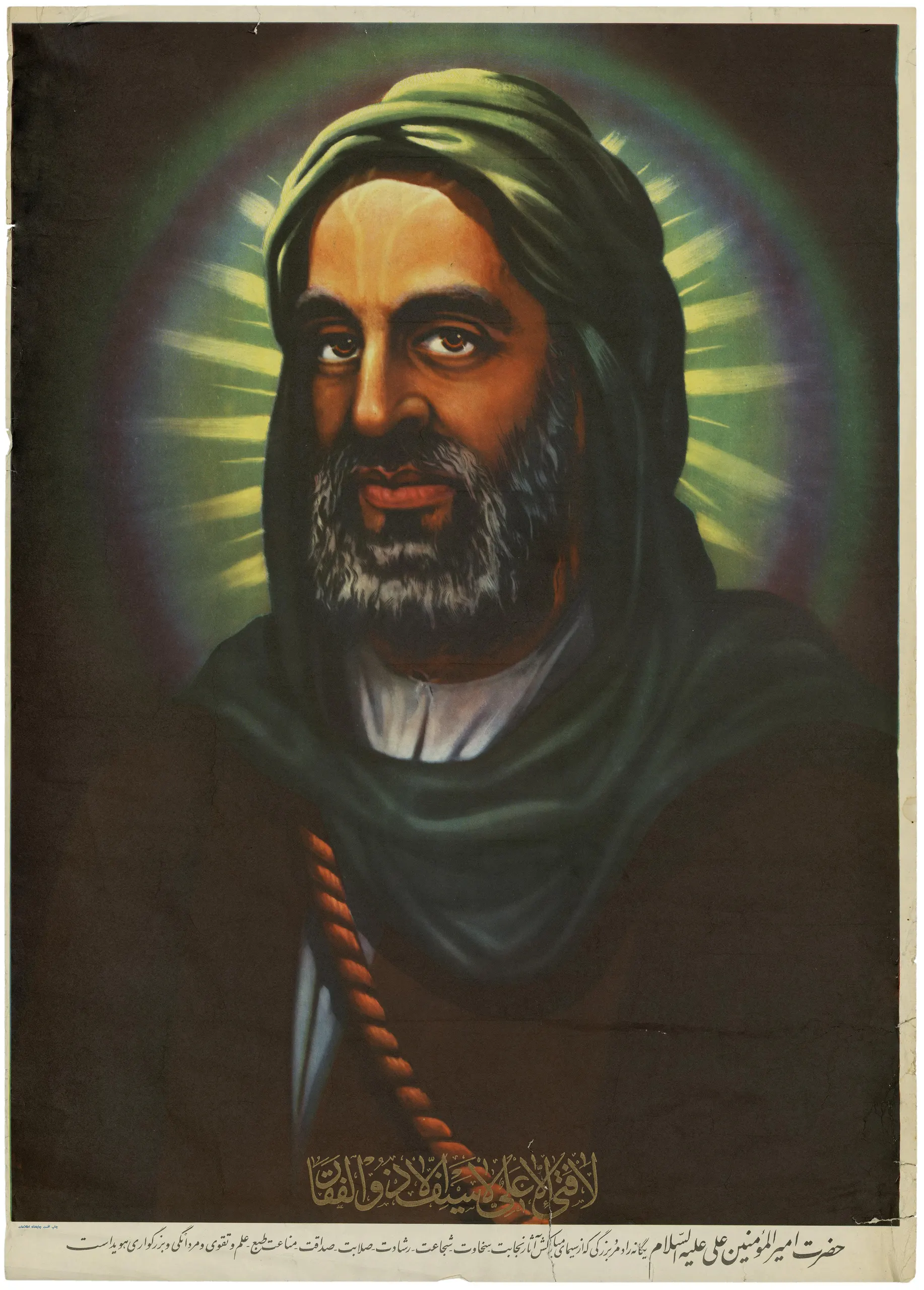
Nell'arte e letteratura islamica, ʿUthmān è raffigurato come dignitoso, modesto e generoso, spesso mostrato con una barba bianca e vesti semplici, che tiene un Corano. La tradizione sunnita lo venera come un califfo giusto e pio, uno dei Dieci Promessi al Paradiso. La tradizione sciita è più critica, considerando il suo califfato come l'inizio del dominio omayyade. La borsa di studio moderna dibatte la sua competenza amministrativa contro il suo nepotismo. La sua eredità come compilatore del Corano è universalmente rispettata. I musulmani spesso chiamano i loro figli ʿUthmān in suo onore, e la sua vita è studiata nei corsi di storia islamica in tutto il mondo. I contenuti dei social media su di lui sono tipicamente educativi e riverenti, concentrandosi sui suoi contributi alla compilazione del Corano e alla costruzione dello stato islamico primitivo.
Fama e fandom
Uthman ibn Affan remains a figure of profound historical significance rather than contemporary celebrity, with no placement in the iFANN Global Top 1,000 or any Top-100 scope list as of August 2026. The iFANN Global Fame Engine has evaluated his standing and determined he currently holds no published ranking, reflecting his status as a religious leader from the seventh century rather than a modern personality competing for global attention metrics. While he lacks a formal fandom name akin to pop culture groups, his veneration by the global Muslim community functions as a unique form of enduring devotion that transcends typical fan behavior. This audience does not organize chart pushes or purchase merchandise but instead engages in theological study, architectural commemoration, and the preservation of sacred texts. The community has erected mosques bearing his name, such as the Masjid Uthman Ibn Affan in Mombasa, and participated in high-profile restoration efforts for his personal Quranic codex, treating these artifacts with reverence comparable to holy relics. His legacy is defined by the compilation of the standardized Quran and his title Dhū al-Nurayn, which serves as a primary identifier within religious discourse. Unlike modern stars whose fame fluctuates with media cycles, Uthman's influence is static and foundational, rooted in the survival of Islamic scripture and the early expansion of the caliphate. The absence of a commercial fanbase or viral moments distinguishes his posthumous reputation from the transient nature of contemporary stardom.
Curiosità e leggende
Uthman ibn Affan was born around 574 CE in Mecca and served as the third Rashidun Caliph until his assassination in 656 CE. His name translates to "baby bustard," and he earned the epithet Dhū al-Nurayn, meaning "Possessor of Two Lights," for marrying two daughters of the Prophet Muhammad consecutively. He purchased the Well of Rumah in Medina for 20,000 dirhams and donated it as a public water source, an act that drew specific praise from the Prophet. Despite being an early convert, he participated indirectly in only one major battle, Badr, and never engaged directly in a major military engagement. At the height of his wealth, he owned 200 camels loaded with goods arriving annually from Syria. He was the first caliph to significantly expand the Prophet's Mosque and was assassinated while reading the Quran, with tradition stating his blood stained the pages. Initially denied burial in the main Muslim cemetery, he was interred in a Jewish cemetery before being moved. Historical accounts describe him as the man whose immense wealth saved the early Islamic state, particularly during the Battle of Tabuk where he financed the entire army. A widely retold story from his life involves his quiet nature and refusal to fight back against rebels during his siege, a narrative that underscores his patience and martyrdom.
Citazioni Notevoli
“I have never regretted giving charity, but I have regretted not giving when I had the means.”
“The caliph is like a guardian of an orphan. If he is wealthy, he should refrain from using the orphan's wealth; if he is poor, he may use it with moderation.”
“I have compiled the Quran in one book so that the Ummah may not differ about it.”
“If they kill me, they will never again pray together in congregation.”
“God has appointed rulers to protect the rights of the people. The ruler is not above the law.”
Famiglia e Vita Privata
ʿUthmān nacque nel potente clan omayyade dei Quraysh. Suo padre, ʿAffān ibn Abī al-ʿĀṣ, era un importante mercante morto giovane. Sua madre, Arwā bint Kurayz, era cugina del profeta Maometto e si convertì all'Islam. Aveva diversi fratellastri e sorelle. ʿUthmān sposò otto mogli nel corso della sua vita, inclusi due figlie del Profeta: Ruqayya (morta nel 624) e Umm Kulthūm (morta nel 630). Le sue altre mogli includevano Fākhita bint Ghazwān, Umm ʿAmr bint Jundub, Fāṭima bint al-Walīd, Umm al-Banīn bint ʿUyayna, Ramla bint Shayba e Nāʿila bint al-Farāfiṣa. Ebbe nove figli conosciuti: i maschi ʿAmr, ʿUmar, al-Walīd, ʿAbd Allāh (morto giovane), Abān e Khālid; e le femmine ʿĀʾisha, Umm Abān, Umm Khālid e Maryam. Al momento della sua morte, gli sopravvissero le mogli Umm ʿAmr, Ramla e Nāʿila.
Collegamenti Notevoli
ʿUthmān era strettamente associato al profeta Maometto, suo suocero e guida spirituale. Era un amico intimo di Abū Bakr, che lo introdusse all'Islam. Il califfo ʿUmar lo nominò nel consiglio della shura che lo elesse. Il suo rapporto con ʿAlī ibn Abī Ṭālib, il quarto califfo, fu teso durante gli ultimi anni di ʿUthmān. Commissionò a Zayd ibn Thābit la compilazione del Corano. Suo nipote ʿAbd Allāh ibn al-Zubayr lo sostenne durante l'assedio. La sua ultima moglie Nāʿila lo difese durante il suo assassinio. Suo cugino Marwān ibn al-Ḥakam servì come suo segretario e fu una figura controversa.
Relazioni e Storia Dating
Uthman sposò otto mogli, tipico dell'aristocrazia araba del VII secolo. Il suo primo matrimonio fu con Ruqayya bint Muhammad intorno al 614 d.C.; lei morì nel 624 d.C. Ebbero un figlio, Abd Allah, morto in tenera età. Nel 625, sposò Umm Kulthum bint Muhammad, un'altra figlia del Profeta; lei morì nel 630 d.C. senza lasciare figli sopravvissuti. Sposò poi Fakhita bint Ghazwan, ma il matrimonio finì con un divorzio senza figli. Sposò Umm Amr bint Jundub della tribù Azd; ebbero tre figli: Amr, Umar e Maryam. Sposò Fatima bint al-Walid, matrimonio finito con un divorzio dopo la nascita di un figlio, al-Walid. Sposò Umm al-Banin bint Uyayna, anche questo finito con un divorzio senza figli. Sposò Ramla bint Shayba, con cui ebbe tre figlie: Aisha, Umm Aban e Umm Khalid. Il suo ultimo matrimonio fu con Na'ila bint al-Farafisa intorno al 650 d.C.; lei si convertì dal cristianesimo e lo difese durante il suo assassinio, perdendo dita nell'attacco. Non ebbero figli. Alla sua morte nel 656, gli sopravvissero Umm Amr, Ramla e Na'ila.
- Sposato/aRuqayya bint Muhammad614 - 624Figlia del profeta Muhammad; morta di malattia; ebbe un figlio morto in tenera età.
- Sposato/aUmm Kulthum bint Muhammad625 - 630Un'altra figlia del Profeta; morta senza figli sopravvissuti.
- Sposato/aFakhita bint Ghazwan630 - 630Sorella di Utbah ibn Ghazwan; matrimonio finito con un divorzio; nessun figlio.
- Sposato/aUmm Amr bint Jundub630 - 656Della tribù Azd; madre di Amr, Umar e Maryam; gli sopravvisse.
- Sposato/aFatima bint al-Walid ibn al-Mughira630 - 630Figlia di un capo qurayshita; matrimonio finito con un divorzio; ebbe un figlio, al-Walid.
- Sposato/aUmm al-Banin bint Uyayna630 - 630Della tribù Fazarah; matrimonio finito con un divorzio; nessun figlio.
- Sposato/aRamla bint Shayba640 - 656Figlia di un capo qurayshita; madre di Aisha, Umm Aban e Umm Khalid; gli sopravvisse.
- Sposato/aNa'ila bint al-Farafisa650 - 656Convertita dal cristianesimo; lo difese durante l'assassinio; nessun figlio; gli sopravvisse.
Morte e conseguenze
Morto/a
June 17, 656 (a 82 anni)
Luogo di morte
Medina
Causa della morte
Reported assassination by stabbing during siege
The assassination of Uthman ibn Affan plunged the Muslim community into immediate chaos, transforming a period of internal dissent into a civil war that would fracture the Rashidun Caliphate. Tributes from his peers honored him as Dhun-Nurayn, or the Possessor of Two Lights, acknowledging his status as a companion who married two daughters of the Prophet Muhammad and funded the early expansion of Islam. Upon his death, rebels fled Medina while the community mourned the loss of the third caliph, whose generosity had long defined his public service. Uthman died on June 17, 656, inside his home in Medina after a siege by forces from Egypt, Kufa, and Basra.
Historical consensus recorded in chronicles such as Tarikh al-Tabari states that he was assassinated while reading the Quran during the breach of his residence. The cause of death is attributed to multiple stab wounds inflicted by the besiegers, with some accounts suggesting Abdallah ibn Saba' delivered the fatal blow. For the final days of the siege, Uthman refused to fight back despite having the means to defend himself, citing the sanctity of the Prophet's bloodline and the prohibition of violence during the sacred month of Dhul-Hijjah. The funeral was conducted in haste and secrecy on the night of his death within the Al-Baqi cemetery outside Medina.
His successor, Ali ibn Abi Talib, performed the burial rites alongside close companions, avoiding public display due to the hostile environment. The political aftermath was immediate and severe, as Muawiyah I, the governor of Syria and Uthman's cousin, demanded justice from Ali. This demand precipitated the First Fitna, leading to the Battle of the Camel and the Battle of Siffin, which ultimately ended the era of the Rightly Guided Caliphs. Uthman remains commemorated in Islamic scholarship for his role in compiling the standardized Quran, though the event cemented a deep historical division within the faith.
Patrimonio (Valore immobiliare)
Come figura storica del VII secolo, Uthman non possiede un patrimonio moderno o una stima finanziaria attuale. Alla sua morte nel 656, la sua eredità comprendeva 150.000 dinari d'oro in contanti, 1.000 cammelli, numerose proprietà a Mecca, Medina e Siria, e vaste scorte tessili. La sua ricchezza fu distribuita tra gli eredi e il tesoro dello stato. Oggi non esiste alcuna entità di gestione patrimoniale. La sua eredità non genera entrate dirette, sebbene i suoi contributi alla civiltà islamica siano incommensurabili. Il codice uthmaniano è di pubblico dominio e il suo luogo di sepoltura a Jannat al-Baqi è una meta di pellegrinaggio. Al 2026, conferenze accademiche e archivi digitali continuano a studiare la sua epoca, ma non è possibile attribuire alcun valore finanziario alla sua eredità.
Premi vinti (4)
ʿUthmān ricevette il titolo di Dhū al-Nurayn (Possessore delle Due Luci) per aver sposato due figlie del profeta Maometto. Fu nominato dal Profeta tra i Dieci Promessi al Paradiso. Nella tradizione sunnita, è riconosciuto come il terzo dei Califfi Ben Guidati. La sua impresa più duratura è la compilazione del Corano standardizzato, onorato da tutti i musulmani.
630 · Onore religioso
Marriage to Umm Kulthum bint Muhammad
632 · Onore religioso
Companionship of the Prophet
Noto Per
Third Caliph of the Rashidun Caliphate
644 · Califfo
Compilation of the Standardized Quran (Uthmanic Codex)
650 · Commissioner
Expansion of the Islamic Empire
644 · Califfo
Establishment of the First Muslim Navy
650 · Califfo
Parole chiave
Fatti Rapidi
Dettagli Personali
- Nome Completo
- Uthman ibn Affan ibn Abi al-As ibn Umayyah ibn Abd Shams ibn Abd Manaf
- Coniuge
- Umm Amr bint Jundub, Fatima bint al-Walid ibn al-Mughira, Ruqayya bint Muhammad, Umm Kulthum bint Muhammad, Fakhita bint Ghazwan, Umm al-Banin bint Uyayna, Ramla bint Shayba, Na'ila bint al-Farafisa
- Figli
- Amr, Umar, al-Walid, Abd Allah (died young), Aban, Khalid, Aisha, Umm Aban, Umm Khalid, Maryam
- Istruzione
- Illiterate (ummi); relied on oral tradition and scribes
Domande Frequenti
Chi era Uthman ibn Affan?
Come morì Uthman ibn Affan?
Qual è il patrimonio di Uthman ibn Affan nel 2026?
Perché Uthman è chiamato Dhū al-Nurayn?
Qual è l'eredità di Uthman ibn Affan?
Social Media

Unisciti alla community
fan che discutono