 Australia
Informazioni
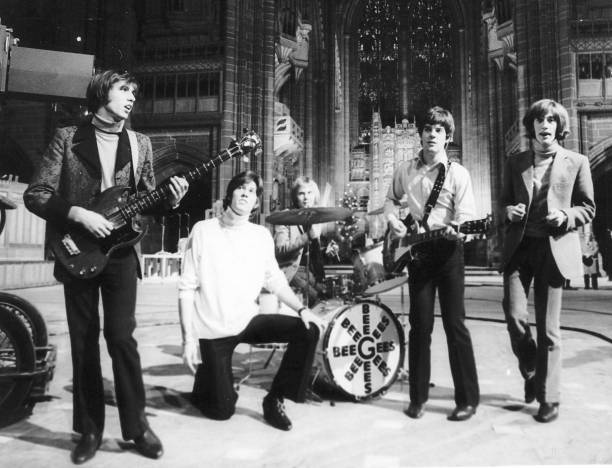
Vince Melouney è un chitarrista e cantautore australiano, noto soprattutto per il suo lavoro con i Bee Gees durante la loro prima ondata di successo internazionale. Il suo caratteristico stile chitarristico blues è stato parte integrante del suono dei primi successi come Massachusetts e To Love Somebody. Melouney ha poi intrapreso progetti solisti e guidato la sua blues band, per poi passare a una carriera nell'educazione musicale. A partire dal 2026, è in pensione e risiede in Australia, condividendo occasionalmente approfondimenti sul suo influente periodo con i Bee Gees. Gli appassionati di chitarra e i fan degli anni formativi della band ammirano la sua musicalità piena di anima e i suoi contributi duraturi alla loro prima eredità.
Primi Anni e Background
Vincent Melouney è nato il 18 agosto 1945 a Sydney, Nuovo Galles del Sud, Australia. È cresciuto immerso in una vivace famiglia musicale a Sydney, dove la sua passione per la musica è stata coltivata fin dalla tenera età. Suo padre, un musicista di talento, suonava sia la chitarra che il mandolino, mentre sua madre era una cantante di talento. È stato da suo padre che il giovane Vincent ha ricevuto le sue prime lezioni di chitarra, imparando le basi fondamentali dello strumento durante l'infanzia. Dimostrando una chiara passione e attitudine per la musica, ha deciso di abbandonare presto l'istruzione formale, dedicandosi completamente a una nascente carriera musicale.
Già nei primi anni dell'adolescenza, Melouney partecipava attivamente alla fiorente scena musicale locale di Sydney, suonando in varie band. Il suo percorso professionale iniziò nel 1961 con The Vibrations, una cover band che eseguiva i successi rock americani e britannici dell'epoca. Affinò ulteriormente la sua arte come membro dei The Rondells, un gruppo strumentale dove affinò significativamente la sua caratteristica tecnica chitarristica solista. Un momento cruciale arrivò nel 1963 quando Melouney divenne membro fondatore dei Billy Thorpe and the Aztecs, una band che rapidamente salì alla ribalta come uno dei primi gruppi rock di maggior successo in Australia. Durante il suo periodo con gli Aztecs, contribuì ai loro primi successi e fece tournée in tutto il paese, consolidando la sua reputazione di chitarrista di prim'ordine. Nel 1965, in cerca di nuovi sbocchi creativi, lasciò gli Aztecs per formare The Vince Melouney Section, una band di breve durata ma influente, nota per fondere rock con elementi soul e R&B. Prestò anche il suo talento ai The Clefs e divenne un chitarrista session molto richiesto per numerosi artisti australiani, consolidando ulteriormente la sua reputazione di professionista esperto rinomato per il suo modo di suonare melodico e blues.
Con un crescente desiderio di opportunità più ampie oltre la scena australiana, Melouney si trasferì a Londra nel 1966. Lì continuò a lavorare come musicista session, contribuendo con le sue versatili abilità chitarristiche a vari progetti. Fu durante questo periodo a Londra che si ricollegò con i fratelli Gibb, che conosceva già dal loro periodo in Australia. Riconoscendo il suo eccezionale talento ed esperienza, i fratelli Gibb invitarono Melouney a unirsi al loro gruppo, i Bee Gees, all'inizio del 1967, segnando una svolta fondamentale nella sua carriera.
Crescita Professionale
Melouney divenne ufficialmente il chitarrista solista dei Bee Gees all'inizio del 1967. Nei tre anni successivi, suonò in quattro album in studio: Bee Gees' 1st (1967), Horizontal (1968), Idea (1968) e Odessa (1969). Il suo lavoro chitarristico è prominente in successi come To Love Somebody, Massachusetts (il primo numero uno nel Regno Unito della band), World, Words, I've Gotta Get a Message to You e I Started a Joke. Contribuì alla scrittura, co-scrivendo Such a Shame e scrivendo il brano strumentale The Earnest of Being George. Cantò anche come voce solista nella cover dei Bee Gees di Turn of the Century. Nonostante la crescente fama del gruppo, Melouney divenne frustrato dalla loro direzione pop, preferendo un sound più heavy blues-rock. Lasciò i Bee Gees alla fine del 1969. Dopo la partenza, formò The Vince Melouney Band e pubblicò il singolo solista I'm Gonna Make You Love Me nel 1970. Si unì brevemente agli Humpy Bong con l'ex batterista dei Bee Gees Colin Petersen nel 1971. Negli anni '80, formò The Vince Melouney Blues Band, suonando in club e festival in Australia. In seguito lavorò come insegnante di musica e istruttore di chitarra. Nel 2010, partecipò all'induzione dei Bee Gees nella ARIA Hall of Fame. A partire dal 2026, è in pensione ma occasionalmente rilascia interviste per documentari sui Bee Gees.
Cronologia Carriera
Immagine Pubblica e Stile
Melouney è considerato un chitarrista tecnicamente abile, influenzato dal blues, con un tocco pulito e melodico. Nella storia dei Bee Gees, è il membro 'altro' sobrio che ha contribuito significativamente al loro primo sound prima di andarsene. Documentari e articoli lo trattano con rispetto come un musicista di talento che ha dato un contributo duraturo. Non esiste una comunità di fan organizzata specificamente per lui, ma i fan del periodo pre-disco dei Bee Gees lo tengono in grande considerazione. Anche gli appassionati di chitarra e gli storici del rock australiano apprezzano il suo lavoro. Non ha una presenza pubblica sui social media.
Fama e fandom (iFAMOUS Rankings)
Vince Melouney remains a respected figure within the global Bee Gees community, though he lacks a dedicated independent fandom bearing his own name. His legacy is preserved entirely through the collective infrastructure of the official fan club and broader enthusiast groups who revere him as the guitarist who defined the band's pre-disco rock identity. While fans frequently discuss his contributions to albums like Bee Gees 1st and share archival interviews on platforms such as Furious.com, there are no organized fan-funded campaigns, subway advertisements, or specific rituals directed solely at Melouney. He maintained a low-key digital presence via social media until his passing in November 2024, engaging with followers through occasional podcast appearances rather than large-scale meet-and-greets.
Regarding his standing in the wider cultural landscape, iFANN's Global Fame Engine has evaluated his profile, but he does not currently hold a placement in the published rankings (Global Top 1,000 or a Top-100 scope list). Consequently, his fame is not quantified in the current global index. The evaluation confirms that while his work with the Bee Gees generated massive commercial success, his individual fame does not translate into a numeric ranking in the current global index.
The narrative surrounding Melouney often centers on his departure from the group, a moment mythologized by historians as the catalyst for the band's shift toward disco. Stories persist regarding his time with the Australian supergroup Fanny Adams and the recent remastering of their lost material, which have kept his name relevant among Australian rock historians. These retrospective discussions serve as the primary vehicle for his continued recognition, ensuring that the story of the 'missing link' in the Bee Gees' history remains part of the public consciousness without generating new viral moments or extraordinary crowd reactions specific to his solo persona.
Curiosità e leggende
Vince Melouney was the sole non-Gibb member during the original 1967-1969 lineup of the Bee Gees. He performed the distinctive guitar riff on Massachusetts, the track that secured the band its first UK number one. Although left-handed, he played right-handed guitars strung upside down. Before his tenure with the Gibb brothers, he had already established himself as a star in Australia with Billy Thorpe and the Aztecs. He eventually departed the group because his desire for a heavier blues-rock direction clashed with the Gibbs' pop vision. Later in life, he taught guitar to several notable Australian musicians.
A widely retold legend frames his 1969 exit as the precise moment the classic lineup broke, setting the stage for the band's future disco dominance. This narrative suggests that had he stayed, the group might have remained a rock act, a theory Melouney himself addressed by stating his departure was necessary for them to find their own voice. Another piece of lore involves his work with the supergroup Fanny Adams, where a 2023 remastering of lost material by Gil Matthews reignited interest in his contributions to Australian rock beyond the shadow of the Bee Gees. Fans often view these post-Bee Gees efforts as essential chapters in preserving the memory of that era.
Citazioni Notevoli
“I wanted the Bee Gees to go in a heavier direction, more blues-rock. But Barry and the brothers had their own vision, and it was their band. I respect that.”
“Massachusetts was a beautiful song. I just played what felt right. I didn't know it would become a number one all over the world.”
“I have no regrets. I had a great time with the Bee Gees. We made some wonderful music. Then it was time to move on.”
Famiglia e Vita Privata
Melouney ha sposato Christine negli anni '70. La coppia ha figli, anche se i dettagli rimangono privati. Ha tenuto la sua vita familiare lontana dagli occhi del pubblico. A partire dal 2026, lui e Christine vivono una vita tranquilla in Australia.
Collegamenti Notevoli
La carriera di Melouney si è intrecciata con diversi musicisti australiani di rilievo. Ha suonato al fianco di Billy Thorpe negli Aztecs. All'interno dei Bee Gees, ha lavorato a stretto contatto con Barry, Robin e Maurice Gibb, oltre al batterista Colin Petersen, con cui in seguito ha collaborato negli Humpy Bong. Ha anche fatto parte della scena rock australiana più ampia degli anni '60, incrociando figure come Vince Lovegrove.
Relazioni e Storia Dating
Melouney ha mantenuto privata la sua vita sentimentale. Ha sposato Christine negli anni '70 e la coppia ha avuto figli. Sono rimasti insieme per decenni. Non sono documentate altre relazioni pubbliche. Al 2026, è ancora sposato con Christine.
- Sposato/aChristine Melouney1970 - presenteCorrenteSposato negli anni '70; la coppia ha figli ed è rimasta insieme.
Stipendio, patrimonio nel 2026
$1.5 Million
Stima del team editoriale di iFANN
Per iFANN's editorial analysis, Vince Melouney's net worth stands at $1.5 million as of 2026 estimates. This valuation primarily stems from royalties generated by his recordings with the Bee Gees between 1967 and 1969, which continue to provide a modest but steady income stream. Additional financial support comes from his career as a session musician, his work in music education, and fees from occasional performance engagements. Unlike his former bandmates, Melouney departed before the group achieved massive commercial success during the disco era, resulting in earnings that remain more conservative. He owned property in Australia, likely consisting of a modest home. His financial standing has remained stable over the years with no reports of major windfalls.
Premi e Lodi
View 1 records, honours and achievementsNoto Per
I'm Gonna Make You Love Me
1970 · Singolo da solista
Parole chiave
Fatti Rapidi
- Professione
- guitarist, songwriter, musician
- Nato/a
- August 18, 1945
- Luogo di Nascita
- Sydney, Nuovo Galles del Sud, Australia
- Genere
- Maschio
- Segno Zodiacale
- Leo
Dettagli Personali
- Nome Completo
- Vincent Melouney
- Altezza
- 5 ft 10 in (178 cm)
- Coniuge
- Christine Melouney
- Istruzione
- Left formal education early to pursue music career
Filmografia
1
Totale
0
Film
1
TV
Domande Frequenti
Cosa è successo a Vince Melouney dopo aver lasciato i Bee Gees?
Perché Vince Melouney ha lasciato i Bee Gees?
Vince Melouney è ancora vivo?
Vince Melouney ha suonato in tutti i primi successi dei Bee Gees?
Cosa fa Vince Melouney adesso?
Unisciti alla community
fan che discutono