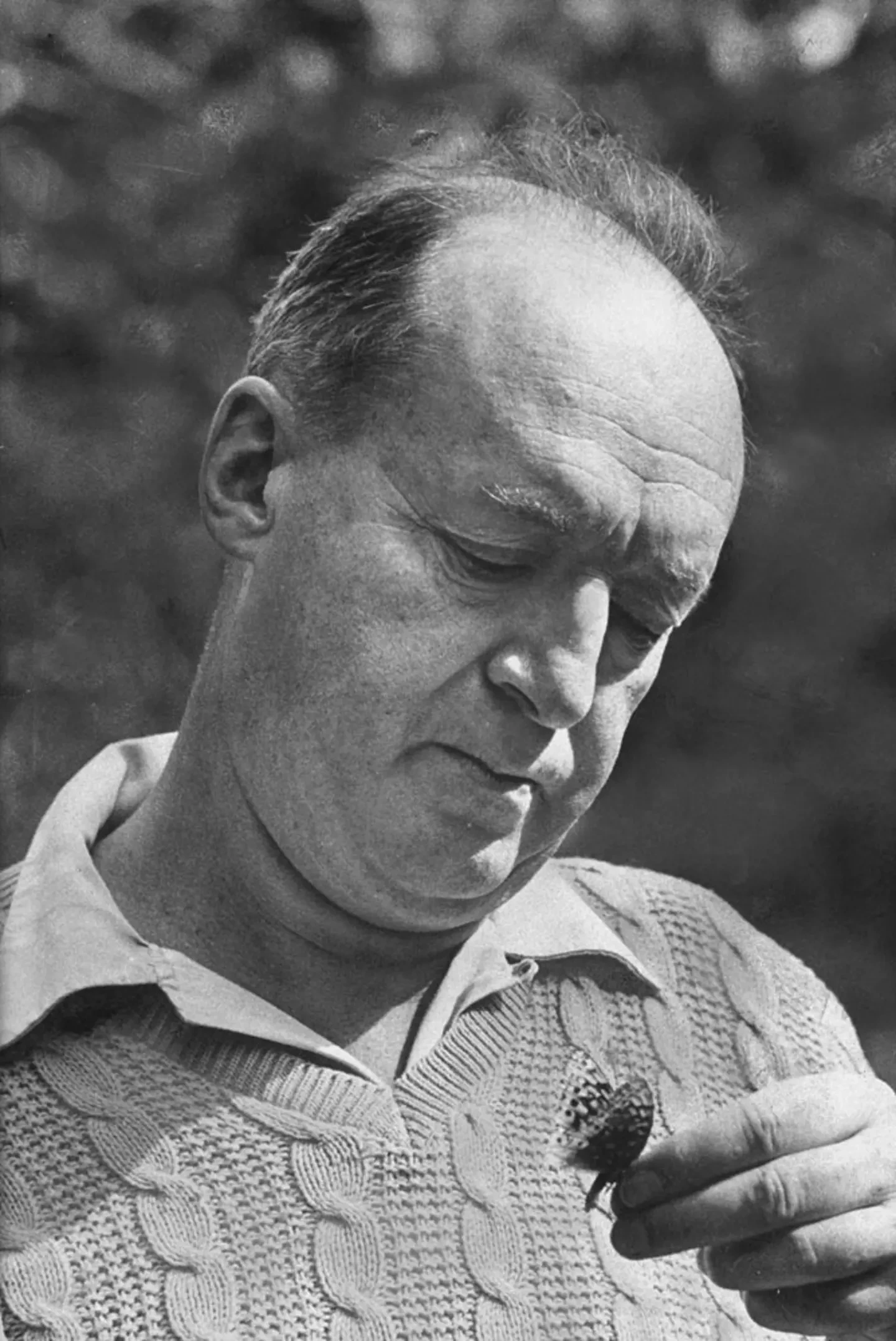
Vladimir Nabokov
 Russia
novelist•poet•translator•entomologist
Also known as: V. Sirin, Vladimir Vladimirovich Nabokov
Compleanno
April 22, 1899
Segno Zodiacale
Aries
Luogo di Nascita
Saint Petersburg, Imperial Russia
Età
Morto/a a 78 anni
Altezza
6 ft 1 in (185 cm)
Informazioni
Vladimir Nabokov was the Russian-American novelist, poet, translator, and lepidopterist who reshaped twentieth-century literature with his intricate prose and metafictional daring. His most famous work, Lolita (1955), remains both a commercial phenomenon and a critical touchstone, selling over 100,000 copies in its first three weeks in America and ranking fourth on Modern Library's list of the best novels of the century. Today his reputation rests on a body of work that includes the dizzying Pale Fire (1962), the autobiographical masterpiece Speak, Memory (1951), and the sprawling Ada or Ardor (1969). Nabokov's style, dense with wordplay, literary allusion, and a scientist's precision, has drawn comparisons to James Joyce and Marcel Proust. Beyond the page, he was a respected entomologist who contributed to the study of butterflies, with a genus named in his honor. His estate continues to generate steady revenue from royalties, film adaptations, and posthumous publications, sustaining his legacy as one of the most distinctive voices in modern letters.
Primi Anni e Background
Vladimir Nabokov nacque in una ricca famiglia aristocratica a San Pietroburgo, il maggiore di cinque figli. Suo padre, Vladimir Dmitrievich Nabokov, fu un eminente politico liberale e giurista che prestò servizio nel Governo Provvisorio Russo; sua madre, Elena Ivanovna Rukavishnikova, era un'ereditiera che coltivò il suo amore per la natura e la letteratura. La famiglia divideva il tempo tra una residenza cittadina in Via Bolshaya Morskaya e la tenuta di campagna Vyra vicino a Siverskaya, dove il giovane Nabokov sviluppò una passione per le farfalle che durò tutta la vita. Fu cresciuto trilingue, con l'inglese e il francese insegnati da governanti e tutori prima che frequentasse la Tenishev School, una scuola privata progressista, dal 1911 al 1917. La Rivoluzione Bolscevica costrinse la famiglia a fuggire dalla Russia nel 1919, prima in Crimea e poi in esilio in Inghilterra. Nabokov entrò al Trinity College, Cambridge, dove studiò letteratura russa e francese, laureandosi nel 1922. Nello stesso anno, suo padre fu assassinato a Berlino da un attentatore monarchico, un trauma che avrebbe riecheggiato nella sua narrativa. Dopo Cambridge, Nabokov si stabilì a Berlino, dove iniziò a scrivere poesie e romanzi in russo sotto lo pseudonimo di V. Sirin. Il suo primo romanzo, Mary (1926), fu pubblicato con modesto successo, seguito da The Defense (1930) e Invitation to a Beheading (1938), che stabilirono la sua reputazione all'interno della comunità russa emigrata ma offrirono poca sicurezza finanziaria. L'ascesa della Germania nazista lo costrinse, insieme alla moglie ebrea Véra, a fuggire in Francia nel 1937 e poi negli Stati Uniti nel 1940.
Crescita Professionale
Dopo l'arrivo negli Stati Uniti, Nabokov lottò per affermarsi come scrittore di lingua inglese. Ottenne un incarico come docente di letteratura comparata al Wellesley College e in seguito divenne curatore di lepidotteri presso il Museo di Zoologia Comparata di Harvard. Il suo primo romanzo in inglese, The Real Life of Sebastian Knight (1941), ricevette modesta attenzione, e la sua acclamata autobiografia Speak, Memory (1951) consolidò la sua reputazione tra i critici. Dal 1948 al 1959, insegnò letteratura russa alla Cornell University, dove era noto per le sue lezioni rigorose. La svolta arrivò nel 1955 con la pubblicazione parigina di Lolita da parte di Olympia Press. Il controverso argomento del romanzo causò uno scandalo immediato, fu bandito in Francia e negli Stati Uniti per un certo periodo, ma la sua brillantezza letteraria era innegabile. Dopo che G.P. Putnam's Sons lo pubblicò negli Stati Uniti nel 1958, divenne un bestseller di enorme successo, vendendo oltre 100.000 copie in tre settimane. L'inattesa entrata finanziaria permise a Nabokov di lasciare l'insegnamento e dedicarsi alla scrittura a tempo pieno. Si trasferì a Montreux, Svizzera, nel 1961, dove produsse Pale Fire (1962), un romanzo meta-fittizio considerato oggi uno dei più grandi del ventesimo secolo. Seguirono Ada or Ardor (1969) e Transparent Things (1972). Stava lavorando a un romanzo incompiuto, The Original of Laura, al momento della sua morte nel 1977; fu pubblicato postumo nel 2009.
Cronologia Carriera
Immagine Pubblica e Stile
Nabokov coltivava l'immagine di un dandy aristocratico e intellettualmente distaccato, una persona rafforzata dai suoi abiti precisi, dal retino per farfalle e dal disprezzo per la cultura popolare. La controversia su Lolita lo ha marchiato permanentemente come un genio dai temi discutibili, un'etichetta che lui sia risentiva che sfruttava. Critici e lettori ammirano soprattutto il suo stile: una prosa densa e giocosa che premia la rilettura e resiste a un'interpretazione facile. Il suo fandom è intensamente accademico, con la International Vladimir Nabokov Society che pubblica Nabokov Studies e organizza conferenze. I devoti spesso si definiscono Nabokoviani. La presenza sui social media dell'autore è gestita postuma dalla Vladimir Nabokov Literary Foundation, che mantiene un seguito modesto su Facebook e Twitter/X (@NabokovLitFdn).
Fama e fandom
The admirers of Vladimir Nabokov have never coalesced into a unified movement with a specific name or organized chapters. Instead, his audience remains a dispersed collection of academics, critics, and serious readers who identify simply as scholars of his work or devotees of his prose. There are no recorded instances of fan-funded campaigns, birthday billboards, or street parades; the legacy is sustained through intellectual discourse rather than public spectacle. This quiet reverence stands in stark contrast to the frenzied reactions his most controversial work once provoked. While he did not engage directly with fans during his life, preferring his wife Vera to manage all correspondence, the mythos surrounding him has only grown more intricate posthumously. In the landscape of global celebrity metrics, Nabokov maintains a significant position among historical figures. According to the iFANN Global Fame Rankings, he is currently the 29th most famous person from Russia, a standing that has held steady across recent assessment cycles. His reputation rests on a body of work that continues to generate discussion and study, ensuring his presence in contemporary cultural conversations without the need for modern marketing machinery.
Curiosità e leggende
Vladimir Nabokov was a serious chess composer who published a book of chess problems titled Poems and Problems in 1969. He experienced synesthesia, associating letters and sounds with specific colors, such as the letter B being burnt sienna. A dedicated critic of Freudian psychoanalysis, he frequently mocked the theory within his novels. In a unique literary feat, he translated his own novel Lolita back into Russian, describing the effort as a labor of love. During his tenure teaching at Cornell University, he supplemented his income by giving tennis lessons. His scientific contributions were recognized by the naming of the butterfly genus Nabokovia after him, along with several species of butterflies and moths. A persistent legend involves the publication history of Lolita in 1955. The story goes that the book was deemed too scandalous for American publishers, leading Oulipo member Maurice Girodias to release it via Olympia Press in Paris. Copies were reportedly smuggled into the United States and United Kingdom, sparking moral panics and library burnings that cemented its status as forbidden fruit. Another widely retold narrative concerns the tension between Nabokov and director Stanley Kubrick regarding the 1962 film adaptation. While the movie achieved massive commercial success, folklore suggests Nabokov felt the film sanitized the darker themes of the novel, a sentiment that fueled decades of debate about the true meaning of the story.
Citazioni Notevoli
“Lolita, light of my life, fire of my loins. My sin, my soul.”
“I think it is all a matter of love: the more you love a memory, the stronger and stranger it is.”
“The cradle rocks above an abyss, and common sense tells us that our existence is but a brief crack of light between two eternities of darkness.”
“Human life is but a series of footnotes to a vast obscure unfinished masterpiece.”
Famiglia e Vita Privata
Il padre di Nabokov, Vladimir Dmitrievich Nabokov, fu una figura di spicco nel Partito Democratico Costituzionale e fu assassinato a Berlino nel 1922. Sua madre, Elena Ivanovna Rukavishnikova, proveniva da una famiglia benestante e incoraggiò i suoi interessi letterari e scientifici. Ebbe due fratelli, Sergey e Kirill, e due sorelle, Olga ed Elena. Nabokov sposò Véra Evseyevna Slonim nel 1925; lei divenne la sua redattrice, dattilografa, autista ed esecutrice letteraria, portando notoriamente una pistola per proteggerlo dopo la controversia su Lolita. Il loro unico figlio, Dmitri Nabokov (1934–2012), fu un cantante d'opera e traduttore che gestì il patrimonio del padre fino alla sua stessa morte. La famiglia visse a Montreux, Svizzera, dal 1961 in poi, presso l'Hotel Montreux Palace. Nabokov non possedeva animali domestici, ma la sua passione per le farfalle era una presenza costante in casa.
Collegamenti Notevoli
Véra Nabokov, sua moglie e curatrice letteraria, fu la sua costante collaboratrice e protettrice. Loro figlio Dmitri gestì l'eredità fino al 2012. Edmund Wilson, un amico e poi rivale letterario, intraprese una famosa faida pubblica con Nabokov sulla traduzione e sul gusto letterario. Stanley Kubrick diresse l'adattamento cinematografico del 1962 di Lolita.
Relazioni e Storia Dating
La vita sentimentale di Nabokov fu notevolmente stabile. Nel 1922, poco dopo la morte del padre, si fidanzò con Svetlana Siewert, una giovane donna di una ricca famiglia di emigrati russi. I suoi genitori interruppero il fidanzamento all'inizio del 1923 perché Nabokov non aveva una carriera stabile. Incontrò poi Véra Evseyevna Slonim a un ballo di emigrati russi a Berlino nel 1923; lei era una fan del suo lavoro sotto lo pseudonimo di Sirin. Si sposarono il 15 aprile 1925 e rimasero insieme fino alla sua morte. Véra fu la sua redattrice, autista e protettrice, portando notoriamente una pistola dopo la controversia su Lolita. Ebbero un figlio, Dmitri. Nabokov le dedicò tutti i suoi libri. Non divorziò né rimase vedovo durante la sua vita.
- Fidanzato/aSvetlana Siewert1922 - 1923Fidanzamento interrotto dai suoi genitori a causa dell'instabilità professionale di Nabokov.
- Sposato/aVéra Nabokov1925 - 1977Si incontrarono a un ballo dell'emigrazione russa a Berlino nel 1923; lei era una fan del suo lavoro. Ebbero un figlio, Dmitri.
Morte e conseguenze
Morto/a
July 2, 1977 (a 78 anni)
Luogo di morte
Montreux, Vaud, Switzerland
Causa della morte
Pneumonia following respiratory infection
The literary world marked the passing of Vladimir Nabokov with immediate tributes from major institutions and a surge in sales for his backlist, particularly Lolita, Pale Fire, and Ada, as critics and peers honored his contributions to lepidopterology and fiction. The New York Times and other publications ran obituaries highlighting his status as a defining voice of the twentieth century, while universities and the Academy of Arts and Letters issued statements recognizing his unique prose style and scientific precision. His widow Véra oversaw the publication of remaining works including Look at the Harlequins! and managed the estate until her death in 1991, ensuring that adaptations adhered to his artistic vision.
Nabokov passed away on July 2, 1977, at the Monte Carlo Hotel in Montreux, Switzerland, where he had resided with his wife. He died peacefully in his sleep at the age of 78, having been admitted to a local clinic in Lausanne shortly before to treat bronchial pneumonia contracted during a respiratory infection. His final days were spent writing and working on memoirs despite declining health caused by chronic heart conditions and respiratory issues. A private funeral service was held on July 6, 1977, in Montreux, conducted according to Russian Orthodox tradition and attended exclusively by close family members including his wife Véra and son Dmitri.
Following the ceremony, Nabokov was cremated and his ashes interred in the cemetery of Montreux near Lake Geneva. Posthumous releases included The Original of Laura, published in 2009, alongside numerous honors such as the establishment of the Nabokov Scholarship at Cornell University and the founding of the Vladimir Nabokov Foundation to support scholars and writers.
Patrimonio (Valore immobiliare)
$25 Million
Stima del team editoriale di iFANN
As of 2026, the literary estate of Vladimir Nabokov is valued at approximately $25 million per iFANN's editorial analysis. The primary source of income remains the continuous sale of his novels, particularly Lolita, which moves over 200,000 copies annually worldwide. The estate also collects substantial fees from film and television licensing, including Stanley Kubrick's 1962 adaptation of Lolita and Adrian Lyne's 1997 version. Posthumous publications, notably The Original of Laura in 2009, generated significant revenue streams. The estate was managed by his son Dmitri until 2012 and is now administered by the Nabokov literary trust, which controls all rights to his works, correspondence, and unpublished materials. Royalties from translations and annotated editions add steady income, while the Nabokov Museum in Saint Petersburg sustains cultural interest in his work without serving as a direct revenue source. The estate's value has grown steadily since his death, buoyed by the enduring popularity of his major titles.
Premi vinti (5)
Nabokov è stato finalista per il National Book Award for Fiction per sette volte, ma non l'ha mai vinto. Ha ricevuto la National Medal for Literature nel 1973, un importante riconoscimento letterario statunitense. Ha ricevuto borse di studio Guggenheim nel 1943 e 1953, il premio Award of Merit dell'American Academy of Arts and Letters nel 1953 e il Brandeis University Creative Arts Award nel 1963. È stato eletto all'American Academy of Arts and Letters nel 1961 e ha ricevuto dottorati honoris causa dall'Università di Harvard (1959) e dall'Università di Cambridge (1962).
1973 · Letteratura
Lifetime achievement
1963 · Narrativa
Pale Fire
Noto Per
Lolita
1955 · Autore
Pale Fire
1962 · Autore
Speak, Memory
1951 · Autore
Ada or Ardor
1969 · Autore
Parole chiave
Fatti Rapidi
- Professione
- novelist, poet, translator, entomologist
- Nato/a
- +1899-04-10
- Luogo di Nascita
- Saint Petersburg, Imperial Russia
- Morto/a
- +1977-07-02
- Luogo di morte
- Montreux, Switzerland
- Genere
- Maschio
- Coniuge
- Véra Nabokov
- Segno Zodiacale
- Aries
- Altezza
- 6 ft 1 in (185 cm)
Dettagli Personali
- Nome Completo
- Vladimir Vladimirovich Nabokov
- Altezza
- 6 ft 1 in (185 cm)
- Coniuge
- Véra Nabokov
- Figli
- Dmitri Nabokov
- Istruzione
- Tenishev School, Saint Petersburg; Trinity College, Cambridge (Bachelor's in Russian and French Literature, 1922)
Domande Frequenti
Quanti anni aveva Vladimir Nabokov quando è morto?
Vladimir Nabokov ha vinto il Premio Nobel?
Qual è il libro più famoso di Vladimir Nabokov?
Vladimir Nabokov ha avuto figli?
Perché Nabokov è considerato un grande scrittore?
Unisciti alla community
fan che discutono