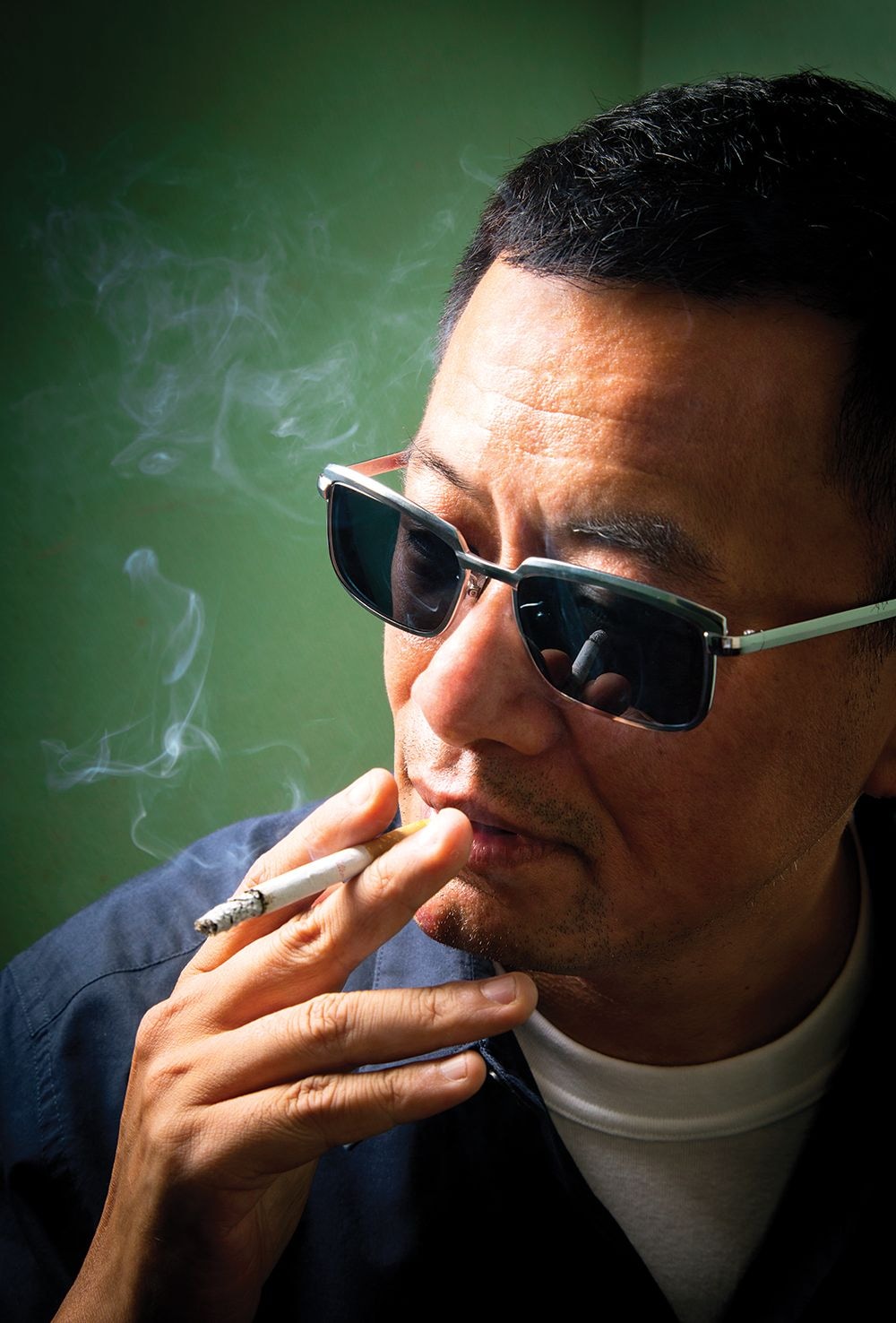
Wong Kar-wai
 China
Chinafilm director•screenwriter•film producer
Compleanno
July 17, 1958
Segno Zodiacale
Cancer
Luogo di Nascita
Shanghai, China
Età
68 anni
Altezza
5 ft 7 in (1.70 m)
Informazioni
Wong Kar-wai è un cineasta di Hong Kong i cui film lussureggianti ed emotivamente risonanti lo hanno reso uno dei registi più distintivi del cinema mondiale. Nato a Shanghai e cresciuto a Hong Kong, il suo lavoro è immediatamente riconoscibile: colori saturi, gesti al rallentatore, una colonna sonora che sembra un battito cardiaco e storie che ruotano attorno alla memoria e alle connessioni mancate. È il tipo di regista il cui nome da solo segnala un certo umore, romantico, malinconico, visivamente inebriante.
Oggi, Wong rimane una forza attiva nel cinema. Il suo epico film di arti marziali del 2013 The Grandmaster ha ottenuto 12 Hong Kong Film Awards, e continua a restaurare e ripubblicare i suoi classici in 4K. Nel 2023, ha annunciato un adattamento televisivo di In the Mood for Love, espandendo il suo mondo distintivo in un nuovo formato. Fan e critici lo considerano un poeta dello schermo, un regista che tratta ogni fotogramma come un dipinto e ogni storia d'amore come una storia di fantasmi.
Primi Anni e Background
Wong Kar-wai è nato a Shanghai nel 1958, un periodo di grande fermento politico in Cina. Quando aveva cinque anni, la sua famiglia fuggì dal caos e si stabilì a Hong Kong, una mossa che avrebbe plasmato la sua intera visione del mondo. Cresciuto nelle strade affollate e illuminate al neon di Hong Kong, Wong era un bambino tranquillo e osservatore che trascorreva ore al cinema, assorbendo tutto, dai musical di Hollywood ai film della Nouvelle Vague francese.
Ha studiato graphic design all'Hong Kong Technical College, dove ha sviluppato un occhio acuto per la composizione e il colore. Dopo la laurea, ha trovato lavoro come sceneggiatore per TVB, l'emittente televisiva dominante di Hong Kong. Per diversi anni, ha sfornato episodi di popolari soap opera, imparando la meccanica della narrazione sotto scadenze strette. Era un lavoro duro, ma gli insegnò a scrivere dialoghi brillanti e personaggi che sembravano reali. Nel 1982, scrisse la sceneggiatura del suo primo lungometraggio, Once Upon a Rainbow, e nel 1987 ne aveva scritte altre dodici. La svolta arrivò quando il produttore Alan Tang gli offrì la possibilità di dirigere la sua sceneggiatura. Il risultato fu As Tears Go By (1988), un dramma criminale crudo che divenne un successo al botteghino e lanciò la sua carriera.
Crescita Professionale
La svolta di Wong arrivò con Days of Being Wild (1990), un ritratto malinconico e non lineare della gioventù inquieta che vinse il premio Miglior Film e Miglior Regista agli Hong Kong Film Awards. Fu il primo film a mostrare il suo stile distintivo: narrazioni fluttuanti, sguardi languidi e una colonna sonora che sembrava un personaggio. Ma fu Chungking Express (1994) a renderlo un nome internazionale. Girato in soli due mesi durante una pausa dalla faticosa produzione di Ashes of Time, il film fu una meditazione libera e giocosa sull'amore e sulla solitudine a Hong Kong. Gli valse un secondo premio come Miglior Regista agli Hong Kong Film Awards e un seguito devoto all'estero.
Seguì Fallen Angels (1995), una storia criminale cinetica e immersa nel neon che divenne un cult. Poi venne Happy Together (1997), un film crudo e bellissimo su una coppia gay a Buenos Aires che gli valse il premio Miglior Regista a Cannes. Ma il suo capolavoro arrivò nel 2000: In the Mood for Love, una storia devastantemente romantica di un amore inespresso tra due vicini. Vinse il premio Miglior Film Straniero ai BAFTA e ai César Awards, ed è regolarmente votato come uno dei più grandi film di tutti i tempi. Wong continuò a spingere i confini con 2046 (2004), un sequel con tinte sci-fi, e The Grandmaster (2013), un biopic visivamente sbalorditivo di Ip Man che spazzò gli Hong Kong Film Awards con 12 vittorie.
Cronologia Carriera
Immagine Pubblica e Stile
Wong Kar-wai è l'archetipo dell'autore, un regista il cui nome è sinonimo di un'estetica specifica e immediatamente riconoscibile. Nell'immaginario collettivo, è un romantico, un artista che realizza film sul dolore dell'amore e sulla bellezza della perdita. I critici descrivono spesso il suo stile come "pittorico" e "sensuale", e la sua influenza si può vedere in tutto, da Lost in Translation di Sofia Coppola ai video musicali di Lana Del Rey e The Weeknd. I suoi fan, una comunità globale di cinefili, esaminano i suoi film fotogramma per fotogramma, dibattendo sul significato di ogni immagine ricorrente. La presenza di Wong sui social media è minima ma attentamente curata, il suo feed Instagram, @wongkarwai, presenta foto dal backstage, vecchie locandine di film e occasionali didascalie criptiche. È noto per indossare occhiali da sole al chiuso e parlare con voce morbida e misurata, aggiungendo alla sua aura di mistero. Non esiste un nome ufficiale per il fandom, ma i suoi ammiratori sono spesso chiamati "fan di Wong Kar-wai" o semplicemente "cinefili".
Fama e fandom
A single frame of Maggie Cheung walking down a stairway in slow motion still defines how the world sees Wong Kar-wai. That specific visual rhythm, paired with his saturated colors and melancholic scores, anchors a global reputation that transcends language barriers. His influence ripples through modern culture, visible in the work of Sofia Coppola and the aesthetic choices of artists like Lana Del Rey. This enduring resonance places him firmly within the pantheon of cinematic giants. According to the iFANN Global Fame Rankings, he is the 92nd most famous person in China, holding steady from the previous cycle. Furthermore, he ranks as the 7th most famous person from China, a position that reflects his status as an international ambassador for Hong Kong cinema. These metrics track global attention across media coverage, search trends, and cultural consumption signals worldwide. While pop stars often command armies of followers with organized campaigns, Wong's audience operates differently. There is no formal moniker for his fanbase; instead, his supporters identify primarily as cinephiles, film students, and critics who revere his auteur status rather than a unified organization. Unlike idol groups where fans drive chart numbers or organize birthday billboards, engagement here centers on professional circles and educational masterclasses. Recent events reinforce this dynamic: a major retrospective titled "Love Power" at BAMPFA in January 2026 drew industry heavyweights, while outdoor screenings of In the Mood for Love in August 2026 attracted enthusiasts rather than frenzied mobs. His first TV series, Blossoms Shanghai, set for release by MUBI in early 2026, continues to draw viewership based on artistic merit. The legendary bond between Wong and actor Tony Leung remains a topic of deep professional admiration, with Leung noting in May 2026 how their collaboration transformed his existential state. No viral legends of crowds shutting down streets exist for him; his mythology is built entirely on the screen, sustained by a quiet but devoted community of those who understand the weight of every step.
Curiosità e leggende
Wong is notorious for shooting without a finished script, often rewriting scenes on the spot and letting actors improvise. This approach drove some collaborators crazy but also produced some of cinema's most spontaneous, alive moments. He is a collector of vintage cameras and has a particular fondness for the Canon 5D Mark II, which he used for certain sequences in The Grandmaster. His films are filled with recurring motifs: clocks, trains, hotel corridors, and characters who eat alone. The famous slow-motion shot of Maggie Cheung walking down a stairway in In the Mood for Love was actually filmed at 48 frames per second, then slowed further in post-production. Wong once said he wanted the audience to feel the weight of every step. He also has a cameo in his own films, look closely for a brief appearance in Chungking Express as a man eating at the Midnight Express food stall. A persistent story among crew members details how he would shoot dozens of takes just to capture a fleeting expression, leaving actors exhausted but the final result uncanny. Another tale involves his team waiting hours for the perfect rainstorm to fall on a specific street corner in Bangkok, refusing to move the camera even when the weather turned. These anecdotes highlight his obsession with atmospheric precision over efficiency.
Citazioni Notevoli
“I don't want people to see my films and feel they have to think too hard. I want them to feel it.”
“If you can't get rid of the past, then you should try to make the best of it.”
“There are no choices that have no regrets.”
“I think if you are a filmmaker, you have to be a dreamer. You have to be able to create a different world.”
Famiglia e Vita Privata
Wong è notoriamente riservato riguardo alla sua vita personale, ma è noto che ha sposato Chan Ye-ching, una produttrice cinematografica che ha lavorato a diversi suoi film, tra cui In the Mood for Love e 2046. La coppia ha due figli e la famiglia vive a Hong Kong da decenni. Wong parla raramente dei suoi genitori, anche se ha menzionato che sua madre era una fan dell'opera di Shanghai e suo padre lavorava in banca. L'esperienza di lasciare Shanghai da bambino e crescere in una nuova città ha profondamente influenzato i temi di sradicamento e nostalgia dei suoi film. Non ha animali domestici, per quanto risulti dai registri pubblici, e la sua casa è un ambiente tranquillo e pieno di libri dove scrive e monta fino a tarda notte.
Collegamenti Notevoli
Wong Kar-wai ha costruito una compagnia di repertorio di attori e tecnici che appaiono nella sua filmografia. Tony Leung Chiu-wai è il suo collaboratore più frequente, protagonista in Days of Being Wild, Chungking Express, In the Mood for Love, 2046 e The Grandmaster. Maggie Cheung è la sua altra grande musa, apparsa in As Tears Go By, Days of Being Wild e In the Mood for Love. Il direttore della fotografia Christopher Doyle ha girato molti dei film visivamente più sorprendenti di Wong, tra cui Chungking Express, Fallen Angels e Happy Together. Altri collaboratori frequenti includono gli attori Faye Wong, Zhang Ziyi e Gong Li, nonché il compositore Shigeru Umebayashi, che ha creato la suggestiva colonna sonora per In the Mood for Love.
Relazioni e Storia Dating
Wong Kar-wai è sposato con Chan Ye-ching da decenni, sebbene l'anno esatto del loro matrimonio non sia pubblicamente noto. Chan Ye-ching è una produttrice cinematografica che ha lavorato a diversi film di Wong, tra cui In the Mood for Love e 2046. La coppia ha due figli insieme. Non ci sono resoconti di altre relazioni pubbliche o voci romantiche che coinvolgano Wong. La sua natura riservata fa sì che si sappia poco di come lui e Chan si siano conosciuti, ma sono rimasti una presenza costante nelle vite e nelle carriere reciproche. Al 2026, Wong è ancora sposato con Chan Ye-ching.
- Sposato/aChan Ye-chingCorrenteProduttrice cinematografica che ha lavorato ai film di Wong; hanno due figli.
Stipendio, patrimonio nel 2026
$5 Million
Stima del team editoriale di iFANN
iFANN currently estimates Wong Kar-wai's net worth in 2026 at $5 Million. This figure reflects his earnings from directing, writing, and producing a relatively small but highly influential filmography. Unlike many blockbuster directors, Wong's films are art-house productions with modest budgets, though they often perform well on the festival circuit and in home video sales. His income streams include director fees, producer credits, and royalties from streaming and physical media sales of his restored classics. The 4K restoration of In the Mood for Love and other titles has generated renewed revenue. Wong also earns from occasional commercial work, he directed a short film for luxury brand Saint Laurent in 2021, and from speaking engagements and masterclasses at film festivals. He does not own a production company or have major endorsement deals, keeping his financial profile relatively low compared to mainstream Hollywood directors.
Premi vinti (49)
Wong Kar-wai ha vinto oltre 30 premi per i suoi film. Ha vinto il premio Miglior Regista al Festival di Cannes per Happy Together e ha portato a casa 10 Hong Kong Film Awards, tra cui Miglior Film e Miglior Regista per Days of Being Wild, Chungking Express, In the Mood for Love, 2046 e The Grandmaster. I suoi riconoscimenti internazionali includono il BAFTA per il Miglior Film Straniero e il César Award per il Miglior Film Straniero, entrambi per In the Mood for Love. Ha anche ricevuto il Golden Horse Award per il Miglior Regista tre volte.
2002 · Miglior Film non in Lingua Inglese
In the Mood for Love
1997 · Miglior regista
Happy Together
Noto Per
In the Mood for Love
2000 · Director, Screenwriter, Producer
Chungking Express
1994 · Director, Screenwriter, Producer
Happy Together
1997 · Director, Screenwriter, Producer
2046
2004 · Director, Screenwriter, Producer
The Grandmaster
2013 · Director, Screenwriter, Producer
Parole chiave
Fatti Rapidi
- Professione
- film director, screenwriter, film producer
- Nato/a
- July 17, 1958
- Luogo di Nascita
- Shanghai, China
- Genere
- Maschio
- Segno Zodiacale
- Cancer
- Altezza
- 5 ft 7 in (1.70 m)
- Coniuge
- Chan Ye-ching
- Children
- 2 sons
Dettagli Personali
- Altezza
- 5 ft 7 in (1.70 m)
- Coniuge
- Chan Ye-ching
- Figli
- 2 sons
- Istruzione
- Hong Kong Technical College (graphic design, film)
Filmografia
12
Totale
11
Film
1
TV
Domande Frequenti
Qual è lo stile registico distintivo di Wong Kar-wai?
Quali sono i film più famosi di Wong Kar-wai?
Dove è nato Wong Kar-wai?
Chi sono i collaboratori frequenti di Wong Kar-wai?
Quali premi ha vinto Wong Kar-wai?
Social Media
Persone Simili
Unisciti alla community
fan che discutono