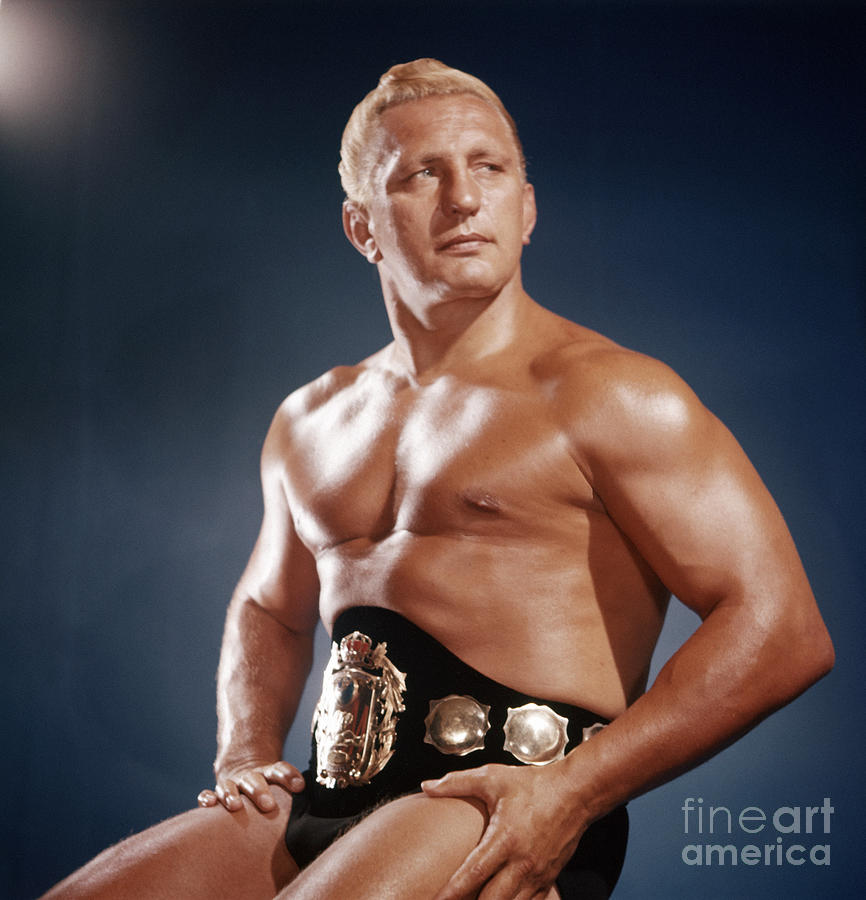
Buddy Rogers
 United States
Also known as: Nature Boy, Herman Rohde
Compleanno
February 20, 1921
Segno Zodiacale
Pisces
Luogo di Nascita
Camden, New Jersey, USA
Età
Died at 71
Altezza
5 ft 11 in (180 cm)
Informazioni
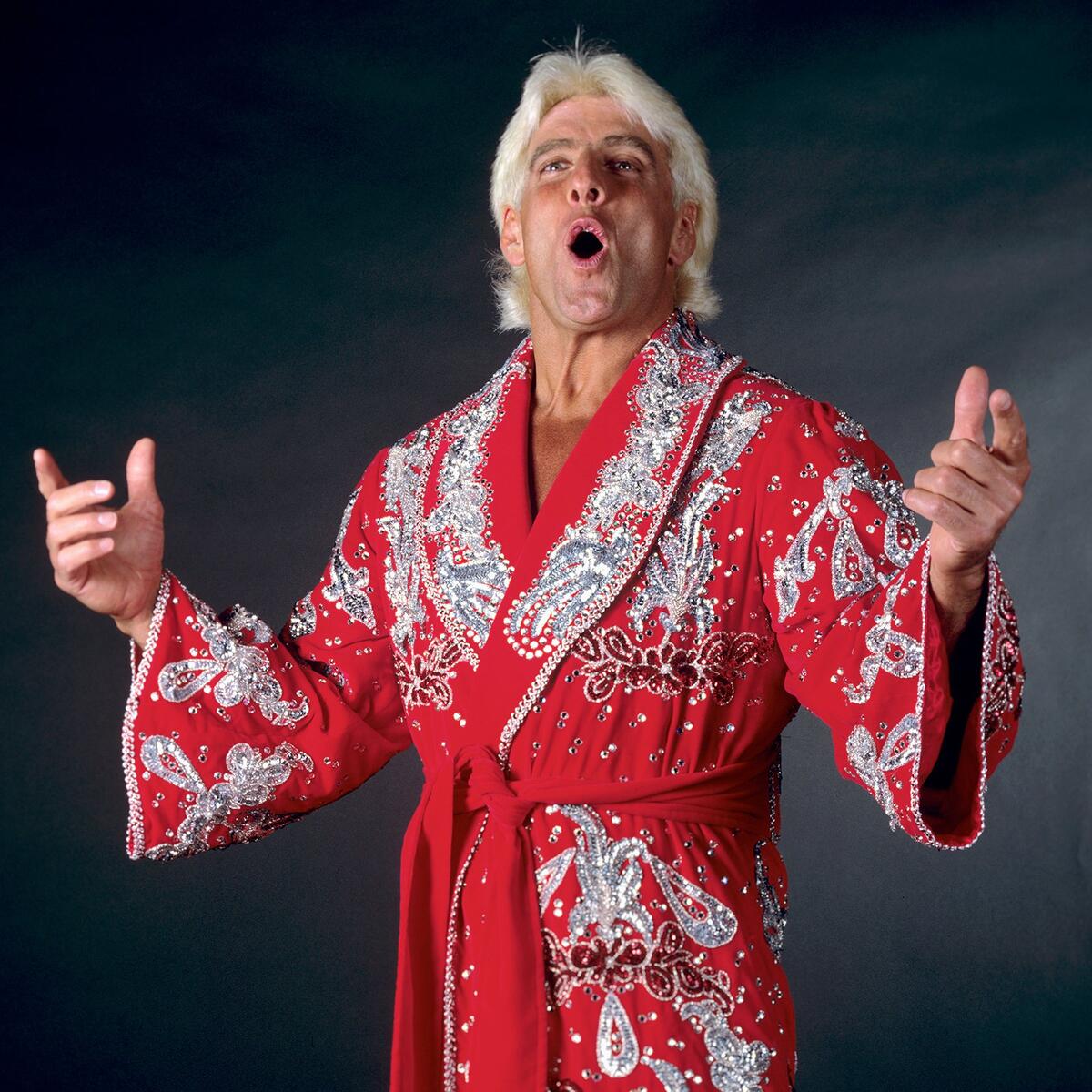
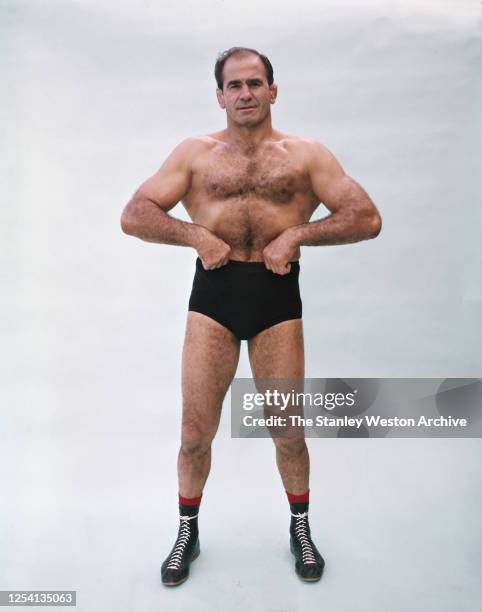
Buddy Rogers è stato un wrestler professionista americano che ha dominato la prima era televisiva e ha plasmato il futuro dello sport. Nato Herman Rohde, creò l'originale personaggio del Nature Boy, un personaggio appariscente e arrogante con capelli biondo platino sbiancati, vesti costose e un bastone con punta d'argento. Questo gimmick era rivoluzionario negli anni '40 e '50, allontanando il wrestling dagli eroi puliti verso antagonisti carismatici. Il suo potere d'attrazione riempiva le arene in tutto il Nord America. Ma la sua più grande eredità è l'influenza che ebbe su Ric Flair, che adottò il soprannome, il look e la figura a quattro zampe di Rogers, diventando una delle più grandi star della storia. Attraverso Flair, il modello di Rogers per l'antagonista sbruffone e spavaldo è perdurato per decenni. Gli storici del wrestling lo classificano costantemente tra le figure più fondamentali del business. I match di Rogers attiravano grandi folle e il suo personaggio stabilì lo standard per le generazioni future. È ricordato come un pioniere che trasformò il wrestling professionistico in uno spettacolo di personalità e showmanship.
Primi Anni e Background
Rogers crebbe a Camden, New Jersey, figlio di un barbiere nato in Germania, Herman Gustav Rohde Sr., e di sua moglie americana. Alla Woodrow Wilson High School eccelse nel football, nel baseball e nel nuoto. Si dedicò anche al sollevamento pesi e al bodybuilding, costruendo il fisico muscoloso che sarebbe diventato il suo marchio di fabbrica. Dopo il diploma, prestò servizio nella Marina degli Stati Uniti durante la Seconda Guerra Mondiale, continuando a lottare e ad allenarsi con i pesi. Dopo il congedo, si allenò sotto la guida di wrestler veterani nel Midwest. I suoi primi match alla fine degli anni '30 usarono il suo vero nome, Herman Rohde, ma presto adottò il nome d'arte Buddy Rogers. La svolta arrivò quando creò il gimmick del Nature Boy, un personaggio che si distinse immediatamente per il suo stile appariscente e la sua arroganza. La sua carriera iniziale incluse incontri in vari territori della NWA, dove affinò le sue abilità e sviluppò il suo stile appariscente.
Crescita Professionale
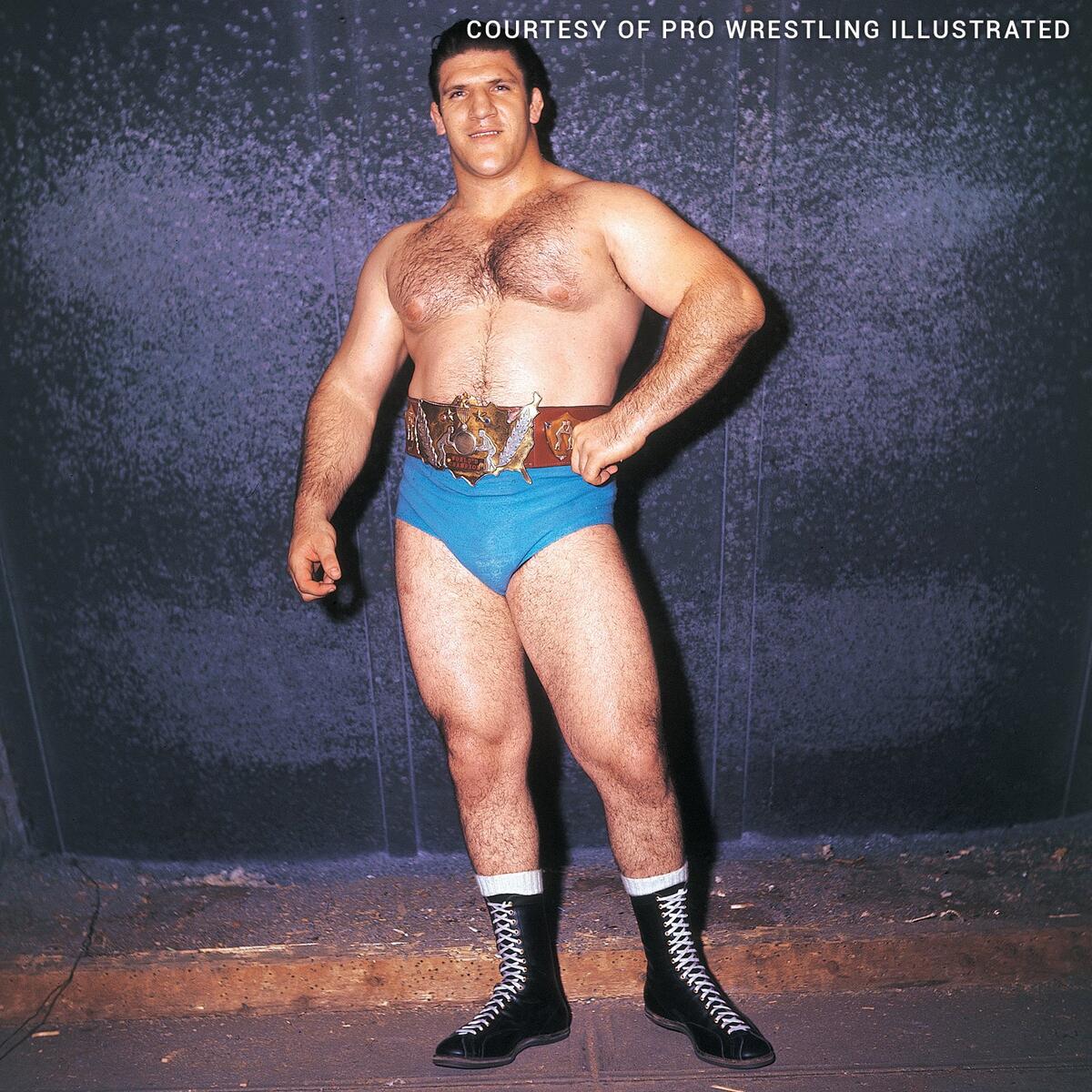
Rogers vinse il suo primo titolo importante, il NWA Texas Heavyweight Championship, nel 1950. Il 30 giugno 1961, sconfisse Pat O'Connor a Chicago per il NWA World Heavyweight Championship, vincendo in soli 23 secondi dopo che O'Connor sembrò subire un infortunio al ginocchio. L'incontro rimane uno dei match per il titolo mondiale più brevi della storia. Dopo una disputa con la NWA, a Rogers fu assegnato il primo WWWF World Heavyweight Championship il 25 aprile 1963, a seguito di un torneo fittizio a Rio de Janeiro. Detenne quel titolo per soli 21 giorni prima di perderlo contro Bruno Sammartino al Madison Square Garden il 17 maggio 1963. Continuò a lottare nella AWA e nella NWA Mid-Atlantic per tutti gli anni '60 e '70, facendo da mentore ai talenti più giovani. Si ritirò parzialmente all'inizio degli anni '70 ma fece apparizioni occasionali. La sua eredità include l'invenzione della figura a quattro zampe e la creazione della personalità del Nature Boy che Ric Flair avrebbe poi reso leggendaria. Rogers vinse anche diversi campionati regionali, tra cui il NWA Southern Heavyweight Championship (versione Florida), il NWA Southern Heavyweight Championship (versione Georgia) e il NWA Mid-Atlantic Heavyweight Championship. Fu introdotto nella WWE Hall of Fame nel 1994, nella Professional Wrestling Hall of Fame nel 2004, nella Wrestling Observer Newsletter Hall of Fame nel 1996 e nella NWA Hall of Fame nel 2011. È classificato al #34 posto nella Top 500 Wrestlers of the PWI Years di Pro Wrestling Illustrated ed è apparso su diverse copertine di Wrestling Revue e Ring Magazine.
Cronologia Carriera
Immagine Pubblica e Stile
Rogers coltivò una personalità di ricchezza e arroganza. Indossava vesti costose, spesso bordate di pelliccia, e si tingeva i capelli di biondo platino. Portava un bastone con punta d'argento e indossava grandi anelli di diamanti. Il suo personaggio era quello di un fanfarone donnaiolo che si vantava del suo stile di vita. Gli storici del wrestling gli attribuiscono la creazione del modello per l'antagonista moderno. La sua influenza è più visibile in Ric Flair, che ne copiò il gimmick e lo portò a traguardi maggiori. I match originali di Rogers sono rari, ma la sua eredità è preservata attraverso documentari della WWE e libri di storia del wrestling. Gli account dei fan sui social media mantengono un tono rispettoso e storico. Era noto per il suo stile di vita stravagante, che includeva auto costose, abiti su misura e un attico. Citazioni notevoli includono: "Sono il Nature Boy, e sono il più grande wrestler del mondo," e "Quando entravo in un'arena, la gente mi amava o mi odiava. Ma guardava sempre.".
Fama e fandom
Buddy Rogers's fandom is a historical phenomenon, rooted in the early days of television wrestling. His fans were devoted to his flamboyant "Nature Boy" persona, filling arenas to see his arrogant swagger and theatrical matches. However, this fanbase never coalesced into a formal, named community. There is no documented fandom name for Rogers's followers, and his era predates the organized internet fan culture that gives rise to such identities. Today, his legacy is preserved through the WWE Hall of Fame and the reverence of wrestling historians and fans who discuss his influence on forums and social media, but there is no active, organized fan movement.
In terms of global fame, iFANN's Global Fame Engine has evaluated Buddy Rogers, but he does not currently hold a placement in the published rankings. He is not ranked among the Global Top 1,000 or any Top-100 scope list. This evaluation reflects his status as a significant but niche historical figure, whose fame is largely confined to the world of professional wrestling fandom and history.
Curiosità e leggende
Buddy Rogers was the first wrestler to use entrance music, entering the ring to "Nature Boy" by Nat King Cole. He appeared in several films, including The Big Circus (1959) and The Bounty Killer (1965). He was a close friend of boxing champion Rocky Marciano and trained with him. Rogers suffered a stroke in 1991 that left him partially paralyzed, contributing to his death the following year from heart failure. He was one of the first wrestlers to own a penthouse apartment and drive luxury cars, living an extravagant lifestyle that matched his on-screen persona. He was posthumously inducted into the WWE Hall of Fame in 1994 as a founding member. Rogers also appeared in TV shows and was featured in Sports Illustrated during the 1960s. An official legacy Facebook page exists with under 5,000 followers, and a fan-run Twitter/X account (@BuddyRogersNatureBoy) has approximately 2,000 followers.
One of the most retold stories about Rogers involves the alleged faked heart attack in 1963, just before he lost the WWWF World Heavyweight Championship to Bruno Sammartino. According to the story, Rogers claimed a heart attack prevented him from competing, but many, including Sammartino, believed it was a ploy to avoid losing. The match itself is documented: Rogers dropped the title in less than a minute at Madison Square Garden. This tale remains a staple of wrestling folklore.
Another documented moment is a 1951 photograph of Rogers performing the "head stuck in the ropes" spot, an early example of his theatrical in-ring storytelling. Rogers also holds the distinction of being the first WWWF World Heavyweight Champion, a reign that is often cited as the shortest in WWE history, though the exact length varies by source.
Citazioni Notevoli
“I'm the Nature Boy, and I'm the greatest wrestler in the world.”
“I was the first one to do it. The first one to be the Nature Boy. Ric Flair copied me, and he did it well, but I was the original.”
“I don't wrestle for the money. I wrestle for the glory, for the women, for the lifestyle.”
“When I walked into an arena, people either loved me or hated me. But they always watched.”
“Bruno Sammartino was a great champion. He beat me fair and square at Madison Square Garden, and I have nothing but respect for him.”
Famiglia e Vita Privata
Rogers si sposò due volte. La sua prima moglie, il cui nome non è ampiamente riportato, fu sposata con lui dagli anni '40 fino al loro divorzio. Poco si sa pubblicamente di questo matrimonio. La sua seconda moglie, Barbara, lo sposò negli anni '60 e rimase con lui fino alla sua morte nel 1992. Barbara aveva figli da una precedente relazione e Rogers li aiutò a crescerli come patrigno. La coppia visse a Fort Lauderdale, Florida, nei suoi ultimi anni. Rogers non ebbe figli biologici conosciuti. Il suo patrimonio è gestito dai suoi figliastri sopravvissuti.
Collegamenti Notevoli
Ric Flair adottò il personaggio e la mossa figure-four leglock di Rogers, definendolo frequentemente un'ispirazione. Bruno Sammartino sconfisse Rogers per il titolo WWWF nel 1963. Pat O'Connor perse il titolo NWA contro Rogers nel controverso match durato 23 secondi. Lou Thesz fu un rivale e sconfisse Rogers in un famoso match del 1962. Vince McMahon Sr. assegnò a Rogers il primo titolo WWWF. Rogers era anche un caro amico del campione di pugilato Rocky Marciano.
Relazioni e Storia Dating
Rogers fu sposato due volte. Il suo primo matrimonio, negli anni '40, terminò con un divorzio, e poco si sa pubblicamente della sua prima moglie. Sposò la sua seconda moglie, Barbara, negli anni '60, e rimasero insieme fino alla sua morte nel 1992. Barbara aveva figli da una precedente relazione, e Rogers li aiutò a crescere come patrigno. La coppia visse a Fort Lauderdale, Florida, durante il suo ritiro. Al momento della sua morte, Rogers era ancora sposato con Barbara. Rogers non ebbe figli biologici.
- Sposato/aFirst wife (name unknown)1940 - 1950Poco si sa pubblicamente; terminato con divorzio.
- Sposato/aBarbara Rogers1960 - 1992CorrenteRimase sposato fino alla morte di Rogers; lei aveva figli da una precedente relazione che Rogers aiutò a crescere.
Morte e conseguenze
Morto/a
June 26, 1992 (a 71 anni)
Luogo di morte
Sconosciuto
Causa della morte
Sconosciuto
Patrimonio (Valore immobiliare)
$600,000
Stima del team editoriale di iFANN
iFANN's editorial analysis currently estimates Buddy Rogers's net worth at $600,000. Rogers earned his wealth primarily from wrestling matches, appearances, and merchandise during the 1940s through 1960s. Unlike modern wrestlers, he had no pay-per-view revenue or major endorsement deals. At the time of his death in 1992, his net worth was estimated at around $500,000 to $600,000, which adjusted for inflation would be roughly $5 million in 2026 dollars. His estate has continued to earn limited income from WWE licensing for video games, documentaries, and merchandise. As of 2026, the estate is valued at approximately $200,000 to $500,000, managed by his surviving stepchildren. The estate's value primarily comes from ongoing licensing royalties from WWE for use of his name, likeness, and image in video games (WWE 2K series) and other products.
Premi vinti (6)
Buddy Rogers fu un due volte campione del mondo, detenendo il NWA World Heavyweight Championship e il primo WWWF World Heavyweight Championship. Vinse anche numerosi titoli regionali NWA, tra cui il NWA Texas Heavyweight Championship e il NWA Southern Heavyweight Championship. I suoi campionati furono la principale misura di successo durante la sua epoca, poiché le cerimonie di premiazione formali non esistevano.
1961 · Titolo mondiale
Defeated Pat O'Connor
1963 · Titolo mondiale
Awarded first champion
Noto Per
NWA World Heavyweight Championship
1961 · Champion
WWWF World Heavyweight Championship
1963 · First champion
Nature Boy persona
1940 · Creator
Figure-four leglock
1950 · Inventor
Parole chiave
Fatti Rapidi
- Professione
- professional wrestler, actor
- Nato/a
- February 20, 1921
- Luogo di Nascita
- Camden, New Jersey, USA
- Morto/a
- June 26, 1992
- Luogo di morte
- Fort Lauderdale, Florida, USA
- Genere
- Maschio
- Segno Zodiacale
- Pisces
- Altezza
- 5 ft 11 in (180 cm)
- Net Worth
- $600,000
Dettagli Personali
- Nome Completo
- Herman Gustav Rohde Jr.
- Altezza
- 5 ft 11 in (180 cm)
- Coniuge
- Barbara Rogers
- Istruzione
- Woodrow Wilson High School
Filmografia
4
Totale
2
Film
2
TV
Domande Frequenti
Quanti anni aveva Buddy Rogers quando è morto?
Buddy Rogers aveva figli?
Buddy Rogers era imparentato con Ric Flair?
Qual era il patrimonio netto di Buddy Rogers?
Chi ha battuto Buddy Rogers per il titolo mondiale?
Unisciti alla community
fan che discutono