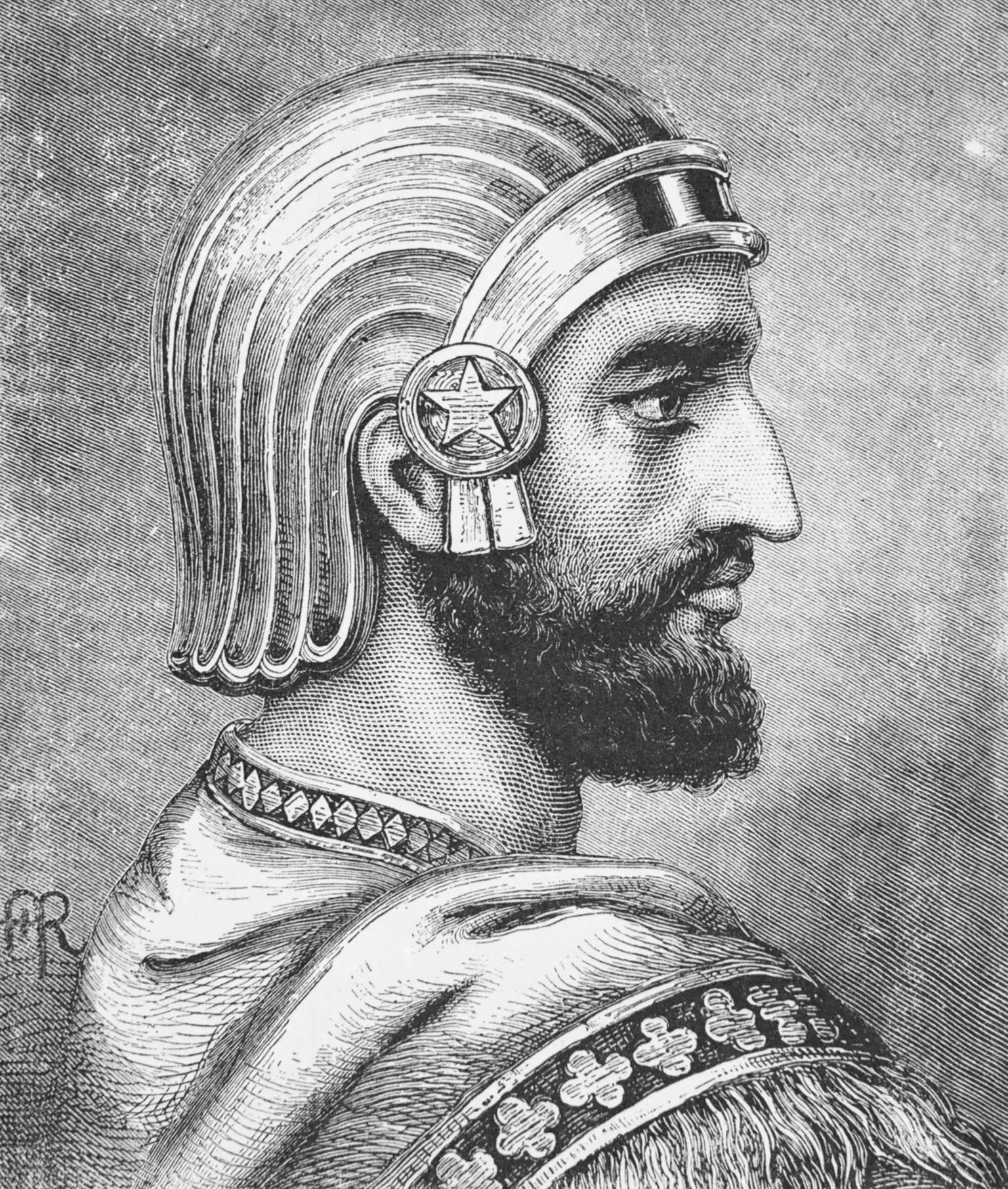
Cyrus the Great
King•military leader•founder of the Achaemenid Empire
Also known as: Cyrus II of Persia, Cyrus the Elder
Compleanno
600 BC
Segno Zodiacale
Luogo di Nascita
Anshan, Persia (modern-day Iran)
Età
Morto/a a 70 anni
Informazioni
Ciro il Grande fu il fondatore dell'Impero achemenide, il più grande impero mai visto fino ai suoi tempi. Unì i popoli dell'antico Vicino Oriente sotto il dominio persiano, estendendosi dal Mediterraneo all'Indo. Ciò che lo distingueva dagli altri antichi conquistatori era il suo approccio al governo: rispettava le usanze locali, permetteva la libertà religiosa e governava attraverso un sistema di satrapi. Oggi è ricordato come un modello di leadership illuminata, lodato nella Bibbia ebraica e ammirato dagli storici.
Primi Anni e Background
Ciro nacque intorno al 600 a.C. ad Anshan, una regione della Perside (l'odierna Fars, Iran). Suo padre era Cambise I, un re vassallo dei Medi, e sua madre era Mandane, figlia del re medo Astiage. Secondo lo storico greco Erodoto, Astiage sognò che suo nipote lo avrebbe rovesciato. Ordinò che il neonato Ciro fosse ucciso, ma un pastore di nome Mitradate lo allevò in segreto. Quando Ciro ebbe dieci anni, il suo portamento nobile lo tradì, e Astiage lo risparmiò dopo che un interprete di sogni gli assicurò che la minaccia era passata. Ciro tornò ad Anshan ed ereditò il trono intorno al 559 a.C. A quel tempo, Anshan era un piccolo regno sotto il dominio medo. Ciro iniziò a costruire una coalizione di tribù persiane, preparandosi alla rivolta che avrebbe cambiato la storia.
Crescita Professionale
Ciro lanciò la sua rivolta contro i Medi intorno al 550 a.C. Dopo tre anni di combattimenti, sconfisse Astiage e conquistò la capitale meda, Ecbatana. I Persiani assorbirono i territori medi, e Ciro si autoproclamò re sia dei Persiani che dei Medi. Nel 547 a.C., marciò contro il ricco regno di Lidia del re Creso, famoso per il suo oro. Dopo una feroce battaglia a Pteria, Ciro conquistò Sardi e fece prigioniero Creso. La Lidia cadde, e le città greche ioniche dell'Asia Minore si sottomisero. Il successivo grande obiettivo fu Babilonia. Nel 539 a.C., Ciro marciò contro l'Impero neo-babilonese. Sconfisse l'esercito babilonese a Opis ed entrò a Babilonia senza combattere, accolto da molti come un liberatore. Emise quindi l'Editto di Restaurazione, permettendo ai popoli esiliati, inclusi gli ebrei, di tornare nelle loro terre d'origine. Questo atto gli valse un posto unico nella storia biblica. Ciro trascorse i suoi ultimi anni in campagne in Asia centrale, dove morì nel 530 a.C.
Cronologia Carriera
Immagine Pubblica e Stile
Ciro è ricordato come un conquistatore saggio e benevolo, in netto contrasto con sovrani successivi come Alessandro Magno. Gli scrittori greci antichi lodarono la sua giustizia e la sua abilità di statista. In Iran, è un eroe nazionale, e la sua tomba è un simbolo del patrimonio persiano. Gli storici moderni lo considerano un pioniere dei diritti umani, citando il suo cilindro (ora al British Museum) come una prima dichiarazione di tolleranza. Non esiste un fandom nel senso moderno, ma la sua reputazione perdura negli studi accademici e nella cultura popolare.
Fama e fandom
Cyrus the Great stands as a towering figure of ancient history whose reputation has outlasted empires, though he currently holds no placement in the iFANN Global Top 1,000 or any scope list. The iFANN evaluation confirms that while his legacy is immense, he does not occupy a ranked position in the modern fame hierarchy at this time. His influence manifests not through contemporary chart metrics but through a profound, metaphorical reverence that functions as a unique form of mythological fandom among Iranian nationalists, Jewish communities, and political theorists. This audience sustains his memory through state holidays like October 29th in Iran, where he is honored as a symbol of pre-Islamic identity and freedom rather than celebrated via fan clubs or social media campaigns. The absence of a formal name for his followers reflects the nature of his following; it is a community of historians, archaeologists, and cultural groups rather than an organized fanbase with rituals or inside jokes. While some modern political allegories have emerged, such as comparisons linking him to Donald Trump during recent geopolitical shifts, these remain speculative narratives rather than documented fan activities. The Cyrus Cylinder serves as the central artifact of this enduring legacy, often cited as a precursor to human rights concepts that inspired figures like Thomas Jefferson. Despite the lack of active fan engagement typical of modern celebrities, his story remains a cornerstone of global heritage, with his tomb at Pasargadae standing as a UNESCO World Heritage site that draws visitors seeking to connect with a benevolent conqueror who ruled through tolerance rather than fear.
Curiosità e leggende
Cyrus the Great holds the unique distinction of being the only non-Jewish figure in the Hebrew Bible to be called a messiah. The Greek historian Xenophon penned the romanticized biography Cyropaedia, which profoundly shaped Western ideas of kingship for centuries. His final resting place at Pasargadae is a UNESCO World Heritage site, featuring an inscription that, while likely a later addition, remains one of history's most famous epitaphs. Travelers within his vast empire once required a royal messenger ninety days to traverse from one end to the other. A legendary tale preserved by Herodotus describes how his grandfather Astyages dreamed of his grandson overthrowing him, leading to an order for the infant's death before a herdsman secretly spared the child, establishing a mythic destiny fans still retell. Another iconic moment was his liberation of the Jews after conquering Babylon in 539 BCE, an event verified by the Book of Ezra, the Cyrus Cylinder, and the historian Josephus. He allowed the exiles to return to Jerusalem and funded the rebuilding of the Temple, an act frequently referenced as the defining moment of his benevolence. Modern legends also include the controversial equating of former U.S. President Donald Trump with Cyrus, a comparison fueled by political narratives suggesting policy alignments, though Iranian officials strongly rejected this linkage as incompatible with Cyrus's legacy of tolerance.
Citazioni Notevoli
“O man, whoever you are and wherever you come from, for I know you will come, I am Cyrus who founded the Persian empire and was king of Asia. I did not therefore allow him to be oppressed.”
“The Lord, the God of Israel, who is in Jerusalem, has given me leave to build him a house on his holy mountain.”
Famiglia e Vita Privata
Ciro sposò Cassandane, una principessa assira, dalla quale ebbe due figli: Cambise II, che gli successe, e Bardiya (chiamato Smerdi dai Greci), e diverse figlie. Dopo la morte di Cassandane, sposò Amytis, figlia del re medo Astiage, e forse Neithiyti, una principessa egiziana. La sua famiglia fu centrale per la sua dinastia, sebbene dopo la sua morte emersero storie di rivalità tra i suoi figli.
Collegamenti Notevoli
Ciro è associato a suo nonno Astiage, che rovesciò; suo padre Cambise I; sua madre Mandane; le sue mogli Cassandane, Amytis e Neithiyti; i suoi figli Cambise II e Bardiya; il re lidio Creso; il re babilonese Nabonedo; e la regina dei Massageti Tomiri, che probabilmente lo uccise in battaglia.
Relazioni e Storia Dating
Ciro sposò Cassandane, una principessa assira, probabilmente intorno al 570 a.C. Lei gli diede due figli e diverse figlie, e la sua morte lo colpì profondamente. In seguito sposò Amytis, figlia del re medo Astiage, per rafforzare i legami con i Medi. Potrebbe anche aver sposato Neithiyti, una principessa egiziana, come alleanza diplomatica. Tutte e tre le mogli furono regine dell'impero. Al momento della sua morte nel 530 a.C., Ciro era sposato con Amytis (e forse Neithiyti), sebbene Cassandane fosse morta prima di lui.
- Sposato/aCassandane-570 - -550Principessa assira, madre di Cambise II e Bardiya. Morì prima di Ciro.
- Sposato/aAmytis-550 - -530CorrenteFiglia di Astiage, sposata dopo la morte di Cassandane per rafforzare i legami medi.
- Sposato/aNeithiyti-540 - -530Principessa egiziana, forse un matrimonio diplomatico. Poco si sa.
Morte e conseguenze
Morto/a
530 BC (a 70 anni)
Luogo di morte
near the Syr Darya river, territory of the Massagetae
Causa della morte
Killed in battle against the Massagetae
Cyrus the Great spent his final years leading the Persian army on a military campaign against the Massagetae, a nomadic people located north of the Aral Sea near the Syr Darya river. Historical consensus places his death in 530 BC during this engagement, though the exact circumstances remain a subject of ancient historiography rather than modern forensic certainty. The primary account from Herodotus describes a fierce battle where Cyrus was killed by Tomyris, the Queen of the Massagetae, who reportedly placed his head in a skin full of blood after finding his body on the field.
Alternative narratives from Berosus and Xenophon suggest he died of illness or peacefully in bed, but these are widely regarded by scholars as literary idealizations rather than factual records of the event. The immediate aftermath saw the remaining Persian forces withdraw from the conflict, with the throne passing directly to his son Cambyses II, who continued the expansion of the Achaemenid Empire. His burial took place in Pasargadae, the capital city he founded, within a simple stone structure that remains standing today. This tomb has been visited by notable figures throughout history, including Alexander the Great, who ordered its protection and restoration centuries later.
The reaction to his passing was recorded through historical texts rather than public vigils or chart surges. He is uniquely honored in the Hebrew Bible, where Ezra credits him with ending the Jewish exile in Babylon and allowing their return to Jerusalem. Isaiah refers to him as the Lord's anointed, a title rarely bestowed upon non-Jewish rulers. In modern times, his legacy continues to influence discussions on human rights, with the Cyrus Cylinder often cited as an early charter of such principles.
Premi e Lodi
View 4 records, honours and achievementsNoto Per
Founding the Achaemenid Empire
c. 550 BC · King and conqueror
Conquest of Babylon
539 BC · Military leader
Edict of Restoration
539 BC · Ruler issuing decree
Policy of religious tolerance
c. 539 BC · Re
Parole chiave
Fatti Rapidi
- Professione
- King, military leader, founder
- Nato/a
- 600 BC
- Luogo di Nascita
- Anshan, Persia
- Morto/a
- 530 BC
- Luogo di morte
- Syr Darya region (Central Asia)
- Genere
- Maschio
- Coniuge
- Cassandane, Amytis, Neithiyti
- Children
- Cambyses II, Bardiya (Smerdis)
Dettagli Personali
- Nome Completo
- Cyrus II of Persia
- Coniuge
- Cassandane, Amytis, Neithiyti
- Figli
- Cambyses II, Bardiya (Smerdis)
Domande Frequenti
Chi era Ciro il Grande?
Quando visse Ciro il Grande?
Per cosa è famoso Ciro il Grande?
Dove nacque Ciro il Grande?
Come morì Ciro il Grande?
Persone Simili
Unisciti alla community
fan che discutono