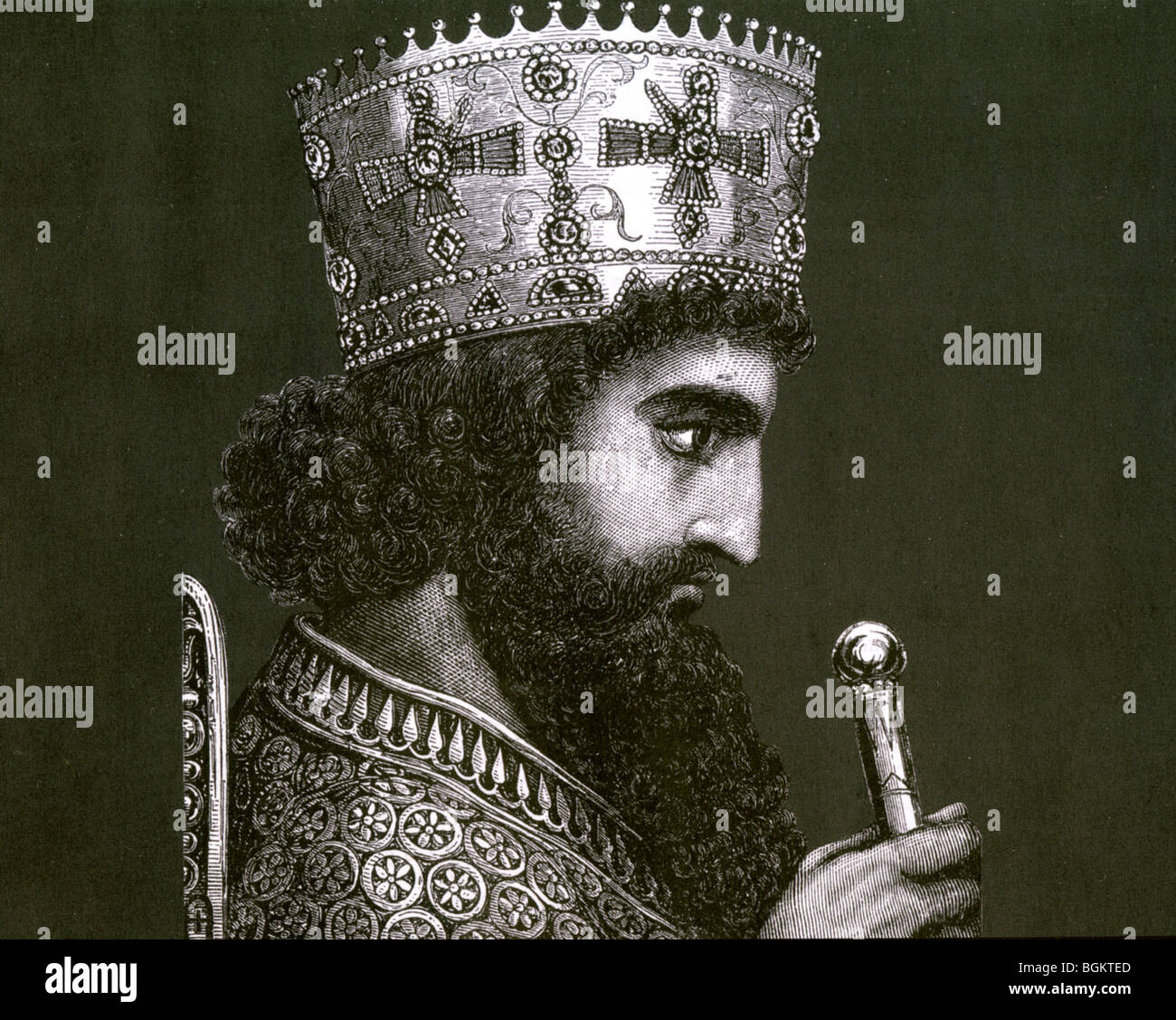
Xerxes I
King of Kings of the Achaemenid Empire
Also known as: Xerxes the Great, Khshayarsha, Ahasuerus
Compleanno
January 1, 518 BC
Segno Zodiacale
Capricorn
Luogo di Nascita
Achaemenid Empire
Età
Morto/a a 53 anni
Informazioni
Serse I, noto alla storia come Serse il Grande, fu il quarto Re dei Re dell'Impero achemenide, regnando dal 486 a.C. fino al suo assassinio nel 465 a.C. È ricordato come il monarca persiano che lanciò una massiccia invasione della Grecia nel 480 a.C., una campagna che si concluse con una sconfitta e segnò l'inizio del lento declino dell'impero. Il suo nome, derivato dall'antico iranico Khshayarsha, significa "colui che regna sugli eroi", e portava i titoli di Re dei Re e Grande Re.
Oggi Serse è una figura di immensa fascinazione storica e culturale. Appare nel Libro biblico di Ester come Assuero, nell'opera barocca di Handel Serse, e nella cultura pop moderna attraverso il film 300. La sua tomba a Naqsh-e Rostam rimane un importante sito archeologico, e recenti scoperte, come il vaso con tracce di oppio che porta il suo nome, continuano a far luce sulla sua epoca. Per gli appassionati di storia, rappresenta sia l'apice del potere persiano che la hybris che spesso precede una caduta.
Primi Anni e Background
Serse nacque intorno al 518 a.C. nel cuore della famiglia reale achemenide. Suo padre, Dario il Grande, aveva espanso l'impero fino alla sua massima estensione, mentre sua madre, Atossa, era figlia di Ciro il Grande, il fondatore dell'impero. Questa doppia discendenza reale diede a Serse una pretesa al trono insolitamente prestigiosa, che si sarebbe rivelata decisiva nella lotta per la successione.
Nonostante avesse un fratello maggiore, Artobarzane, Serse fu scelto da Dario come suo successore. La decisione fu influenzata dalla posizione di Atossa e dalle manovre politiche di corte. Crescendo nel palazzo reale, Serse fu educato alle arti della guerra, del governo e della diplomazia, preparandolo alle immense responsabilità che avrebbe ereditato.
I suoi primi anni furono segnati dalla stabilità e dalla prosperità del regno di Dario, ma anche dalle tensioni latenti con la Grecia, che erano state infiammate dalla rivolta ionica e dalla sconfitta persiana a Maratona. Quando Dario morì nel 486 a.C., Serse ereditò un impero che si estendeva dalla valle dell'Indo all'Egeo, insieme alla questione irrisolta di punire Atene.
Crescita Professionale
Il regno di Serse iniziò con sfide immediate. Represse le rivolte in Egitto e Babilonia con caratteristica spietatezza, riaffermando l'autorità persiana e insediando governatori fedeli. Ma la sua impresa più ambiziosa fu l'invasione della Grecia, lanciata nel 480 a.C. Radunò un esercito e una marina colossali e ordinò la costruzione di un ponte di barche attraverso l'Ellesponto. Quando una tempesta distrusse il primo ponte, secondo quanto riferito fece frustare e incatenare il mare, una storia che è diventata emblematica della sua hybris.
La campagna vide vittorie iniziali alle Termopili e ad Artemisio, e la cattura e l'incendio di Atene. Tuttavia, la marea cambiò nella battaglia di Salamina, dove la marina greca, guidata da Temistocle, inflisse una sconfitta schiacciante. Temendo di essere intrappolato, Serse si ritirò in Asia, lasciando il suo generale Mardonio a continuare la campagna. Mardonio fu sconfitto in modo decisivo a Platea nel 479 a.C., ponendo fine all'invasione persiana.
Dopo essere tornato in Persia, Serse si concentrò su grandiosi progetti di costruzione. Completò la Porta di tutte le Nazioni, l'Apadana e il Tachara a Persepoli, e continuò il Palazzo di Dario a Susa. Mantenne anche la Strada Reale, l'arteria di comunicazione vitale attraverso l'impero. Il suo regno, tuttavia, terminò in tragedia quando fu assassinato nel 465 a.C. da Artabano, il comandante della guardia reale, insieme al suo figlio maggiore, Dario.
Cronologia Carriera
Immagine Pubblica e Stile
L'immagine pubblica di Serse è stata plasmata da due tradizioni contrapposte. Nelle fonti greche, in particolare Erodoto, è ritratto come un tiranno arrogante e pieno di hybris, la cui tracotanza portò alla sua rovina. Questa immagine fu rafforzata dal film 300 del 2007, che lo rappresentava come una figura mostruosa e androgina. Nella memoria storica persiana, tuttavia, è ricordato più favorevolmente come un costruttore e amministratore che consolidò le conquiste di suo padre. I suoi progetti di costruzione a Persepoli e Susa sono celebrati come capolavori dell'architettura achemenide. Gli appassionati moderni di storia antica dibattono la sua strategia militare e la sua eredità su forum come r/AskHistorians di Reddit, mentre gli studiosi biblici studiano la sua potenziale identificazione come Assuero.
Fama e fandom (iFAMOUS Rankings)
Xerxes I commands a global attention profile defined by antiquity rather than modern metrics, sustaining relevance through historical documentation and cultural adaptation rather than contemporary celebrity cycles. As of August 2026, the iFANN Global Fame Engine has evaluated this figure, yet he does not currently hold a placement in the published rankings or any Top-100 scope list. This absence of a numeric rank reflects his status as an ancient monarch whose fame predates the systems measuring current public consumption. The audience engaging with his legacy consists primarily of academic historians, archaeologists, and enthusiasts of ancient history who study his campaigns and reign without forming a formal fanbase or organized fandom movement. No group identifies itself with a specific name dedicated to Xerxes I, nor do they engage in modern rituals such as birthday campaigns or streaming pushes. While recent events like the 2025 anniversary commemoration of the Canal of Xerxes demonstrate continued cultural interest, these acts represent historical reconnection rather than fandom activity. The distinction between the ancient king and modern figures sharing similar names is sharp; unlike the folk musician Jake Xerxes Fussell, who maintains a vibrant following for albums like The Old Beloved Path, Xerxes I remains a subject of study rather than a pop culture icon with a dedicated tribe.
Curiosità e leggende
Xerxes I is frequently identified with the Biblical Ahasuerus, placing the narrative of Esther in the third year of his reign. He commissioned the excavation of a canal through the Athos peninsula in Greece to bypass dangerous maritime routes, a feat that stands as the sole tangible Persian architectural remnant on European soil. His lineage was doubly royal, as his mother Atossa was the daughter of Cyrus the Great. In late 2025, a Yale-led analysis detected opium residues within an alabaster vase inscribed with his name, offering evidence of narcotic use in ancient royal courts. Historical records confirm that Xerxes and his eldest son were assassinated together in 465 BC during a palace coup led by Artabanus. Beyond these documented facts, the legend of his invasion of Greece persists as a defining moment, particularly the story of the Spartans holding the pass at Thermopylae, which has been dramatized in media such as the film 300. Another iconic narrative involves the cutting of the canal, recently reaffirmed when descendants of Persians visited the site to mark its 2,500th anniversary. While Greek sources often portray him as a hubristic tyrant, medieval Persian epics offer a more complex view of his character, reflecting the divergent traditions that have shaped his memory over two millennia.
Citazioni Notevoli
“I will bridge the Hellespont and march through Europe to Greece.”
“The sea shall be punished for its insolence.”
“My father conquered many lands; I shall conquer the rest.”
Famiglia e Vita Privata
Serse era figlio di Dario il Grande e Atossa, figlia di Ciro il Grande. Aveva un fratello maggiore, Artobarzane, che fu scavalcato per la successione. Serse sposò Amestri, figlia di Otane, uno dei sette congiurati che aiutarono Dario a impadronirsi del trono. Ebbero almeno tre figli: Dario, il maggiore ed erede designato; Istaspe; e Artaserse I, che gli successe. Amestri fu una figura potente a corte, nota per essere spietata e influente, sopravvivendo fino al regno di suo figlio Artaserse.
Collegamenti Notevoli
Serse I è associato all'Impero achemenide, a suo padre Dario il Grande, a sua madre Atossa e a suo figlio Artaserse I. È anche legato alle città-stato greche che invase, in particolare Atene e Sparta, e a figure come Temistocle e Leonida. Nella cultura moderna, è collegato al film 300 e all'opera di Handel Serse.
Relazioni e Storia Dating
La moglie principale di Serse era Amestris, figlia di Otane, uno dei sette congiurati che aiutarono Dario I a prendere il trono. Si sposarono negli anni '90 a.C. e Amestris gli diede diversi figli, tra cui il suo erede Dario e Artaserse I. Le fonti antiche, in particolare Erodoto, ritraggono Amestris come potente e talvolta spietata. Serse, come molti re persiani, aveva un harem con numerose concubine, ma nessun'altra relazione nominata è documentata in modo affidabile. Era sposato con Amestris al momento del suo assassinio nel 465 a.C.
- Sposato/aAmestris-490 - -465Moglie principale, madre dei suoi figli, figlia di Otane.
Morte e conseguenze
Morto/a
August 1, 465 BC (a 53 anni)
Luogo di morte
Sconosciuto
Causa della morte
Assassination by court officials
The reign of Xerxes I concluded with his assassination in the summer of 465 BC, an event orchestrated by Artabanus, the commander of the royal bodyguard. Historical tradition attributes the killing to a conspiracy within the palace that also claimed the life of Darius, the king's eldest son and designated heir. While modern forensic examinations are impossible for events occurring two millennia ago, ancient accounts describe the violence as a sudden coup d'état rather than a natural passing or public execution. Reaction to the monarch's demise was immediate and political, characterized by the swift consolidation of power rather than public mourning or vigils.
Artabanus initially seized control of the court, but the succession eventually passed to Artaxerxes I, who later eliminated the usurper to secure his own throne. Burial arrangements followed standard Achaemenid protocol, placing the King of Kings in a monumental rock-cut tomb at Naqsh-e Rostam. This structure remains a significant archaeological site today, serving as a silent reflection of the empire's grandeur rather than a focal point for modern religious pilgrimage or secular memorial services.
Patrimonio (Valore immobiliare)
$0
Stima del team editoriale di iFANN
Per iFANN's editorial analysis, the net worth of Xerxes I is recorded as $0. As a historical figure who died in 465 BC, he possesses no modern financial standing, posthumous earnings, royalties, or estate-managed businesses. The treasury of the Achaemenid Empire passed directly to his successors, notably Artaxerxes I, leaving no personal fortune to be managed today. The only value attributed to his legacy is cultural and archaeological, exemplified by ongoing preservation efforts such as the restoration of his tomb at Naqsh-e Rostam, which is funded by Iranian heritage authorities.
Premi e Lodi
View 4 records, honours and achievementsNoto Per
Invasion of Greece
480 BC · Leader of the Achaemenid Empire
Battle of Thermopylae
480 BC · Persian King
Battle of Salamis
480 BC · Persian King
Construction at Persepolis
c. 470s BC · Patrono
Parole chiave
Fonti
Fatti Rapidi
- Professione
- Re dei Re
- Nato/a
- c. 518 BC
- Luogo di Nascita
- Impero achemenide
- Morto/a
- 465 BC
- Luogo di morte
- Persis
- Genere
- Maschio
- Coniuge
- Amestris
Dettagli Personali
- Nome Completo
- Khshayarsha
- Coniuge
- Amestris
- Figli
- Darius, Hystaspes, Artaxerxes I
Domande Frequenti
Chi era Serse I?
Come morì Serse I?
Per cosa è meglio conosciuto Serse I?
Serse I era sposato?
Qual era il patrimonio di Serse I?
Persone Simili
Unisciti alla community
fan che discutono