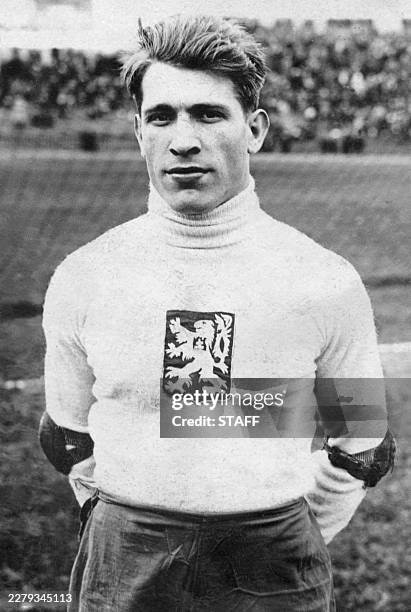
František Plánička
 Czechia
Compleanno
June 2, 1904
Segno Zodiacale
Gemini
Luogo di Nascita
Prague, Austria-Hungary (now Czech Republic)
Età
Morto/a a 92 anni
Altezza
1.72 m (5 ft 8 in)
Informazioni
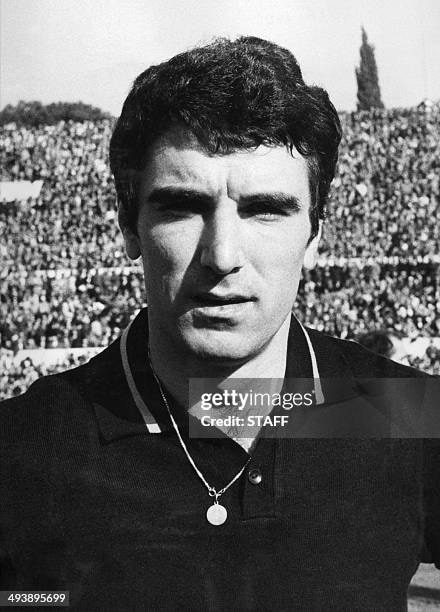
František Plánička was a Czech former football goalkeeper, widely considered one of the greatest players in Czechoslovak football history and among the finest goalkeepers of the pre-World War II era. He spent his entire 16-year senior career at Slavia Prague, where he won eight Czechoslovak First League titles and the Mitropa Cup, the most prestigious club competition in Central Europe at the time. His 73 caps for the Czechoslovakia national team included captaining the side to the 1934 World Cup final, where he famously played with a broken collarbone. Plánička never received a yellow or red card in his entire career, a testament to his extraordinary sportsmanship. His legacy endures through statues, museum exhibits, and a documentary produced by Czech Television in 2025. He is revered as a national hero and a symbol of fair play.
Primi Anni e Background
Plánička è cresciuto nel quartiere operaio di Žižkov a Praga, dove suo padre lavorava come manovale. La famiglia viveva modestamente e da bambino giocava a calcio per strada con un pallone di stracci, sviluppando i riflessi e l'agilità che avrebbero caratterizzato la sua carriera. Frequentò le scuole locali ma abbandonò presto l'istruzione formale per fare l'apprendista fabbro, il suo primo mestiere prima che il calcio diventasse la sua professione. Il suo calcio organizzato iniziò da adolescente con club locali, prima la squadra giovanile dello SK Žižkov, dove emerse il suo talento da portiere, poi lo SK Bubeneč nel 1921, dove inizialmente giocò come giocatore di movimento prima di stabilirsi in porta. La sua svolta arrivò nel 1923 quando si unì allo Slavia Praga all'età di 19 anni, debuttando in prima squadra nella stessa stagione e affermandosi rapidamente come portiere titolare del club.
Crescita Professionale
Il primo titolo della Prima Lega cecoslovacca di Plánička arrivò nel 1926, dando inizio a un periodo di dominio domestico in cui lo Slavia Praga vinse otto titoli di campionato nel decennio successivo. Debuttò in nazionale il 17 gennaio 1926 in un'amichevole contro l'Italia, persa 3-1, ma totalizzò 73 presenze, un record cecoslovacco rimasto in piedi per decenni. Ai Mondiali del 1934 in Italia, fu capitano della Cecoslovacchia fino alla finale. All'inizio della partita contro l'Italia, subì una frattura alla clavicola ma rifiutò di lasciare il campo, poiché le sostituzioni non erano consentite. Continuò a giocare e fece diverse parate prima che la Cecoslovacchia perdesse 2-1 dopo i tempi supplementari. Il suo coraggio divenne leggendario. Nel 1938, Plánička vinse la Mitropa Cup con lo Slavia Praga, sconfiggendo il Ferencváros in finale. Nello stesso anno, ai Mondiali in Francia, fu capitano della Cecoslovacchia fino ai quarti di finale. Nella partita contro il Brasile, nota come Battaglia di Bordeaux per la sua fisicità, si ruppe un braccio ma continuò a giocare. Lo scoppio della Seconda Guerra Mondiale e l'occupazione nazista della Cecoslovacchia posero fine di fatto al calcio internazionale di alto livello, e Plánička si ritirò nel 1939 all'età di 35 anni, avendo trascorso l'intera carriera senior allo Slavia Praga. Dopo il ritiro, lavorò come dirigente calcistico e poi come umile custode dello stadio dello Slavia.
Cronologia Carriera
Immagine Pubblica e Stile
L'immagine pubblica di Plánička è quella del portiere gentiluomo per eccellenza: un simbolo di sportività, coraggio e lealtà. Indossava una semplice maglia scura senza guanti, standard per l'epoca, ed era noto per le sue parate acrobatiche, i riflessi pronti e l'autorità calma. I media cechi lo definiscono costantemente portiere leggendario e sportivo onorevole. I tifosi dello Slavia Praga cantano regolarmente cori in suo onore, e la sua statua fuori dall'Eden Arena è un luogo di pellegrinaggio. Nell'anniversario della finale dei Mondiali del 1934, i tifosi depongono fiori. I profili ufficiali sui social media del club usano un tono rispettoso e storico quando pubblicano su di lui, spesso con foto in bianco e nero e l'hashtag #leggenda.
Fama e fandom
František Plánička remains a towering figure in Czechoslovak football history, revered not for modern digital engagement but as a foundational national icon whose legacy is anchored in documented professional achievements rather than active fan communities. While contemporary structures such as organized fan clubs, social media campaigns, or ritualistic gatherings do not exist for him, a consequence of his status as a historical figure who passed away in 1996 and played during the interwar period, he commands a quiet, enduring respect among those familiar with the sport's origins. His reputation rests on being elected the best Czech goalkeeper ever by the International Federation of Football History & Statistics in 1999, a distinction that cements his place in sports mythology alongside his 73 international caps and two World Cup appearances. The narrative surrounding him focuses on stoic courage and unblemished sportsmanship, with fans occasionally citing his refusal to wear gloves as a symbol of direct connection to the game, though no formal fandom name has ever been documented. There are no records of birthday billboards, streaming pushes, or charity drives specifically organized in his honor, reflecting his position as a revered elder statesman of the pitch rather than a celebrity with an active, organized following. iFANN has evaluated this profile within its Global Fame Engine, which assesses individuals based on global media coverage, search signals, and consumption patterns worldwide. František Plánička is currently the EVALUATED_UNRANKED person in the world, holding no placement in the published Global Top 1,000 or any Top-100 scope list.
Curiosità e leggende
František Plánička maintained an unblemished disciplinary record throughout his sixteen-year senior career, never receiving a yellow or red card, a feat of extraordinary sportsmanship for any goalkeeper. He demonstrated remarkable resilience by playing the 1934 World Cup final with a broken collarbone and the 1938 World Cup quarter-final with a broken arm, refusing to leave the field either time. Before and during his professional football career, he worked as a locksmith, and after retiring from the sport, he returned to manual labor as a caretaker and groundskeeper at Slavia Prague's stadium. He holds the distinction of being the first player to captain Czechoslovakia at a World Cup, leading the side to the 1934 final where his leadership was widely praised. His 73 international caps stood as a national record for decades. A persistent story among Czech football historians recounts how fans still revere his calm authority, often citing his refusal to wear gloves as a symbol of his direct connection to the game. This narrative of stoic courage is frequently retold alongside accounts of his longevity, having lived to be 92 years old and witnessing the transformation of football from its amateur roots to the modern era. In 1999, the International Federation of Football History & Statistics elected him the best Czech goalkeeper ever and ranked him sixth globally among goalkeepers, a formal accolade that solidified his legendary status decades after his retirement.
Citazioni Notevoli
“I could not leave the field. My country needed me. The pain was nothing compared to the honour of representing Czechoslovakia.”
“A goalkeeper must be brave, but he must also be fair. The goal is to stop the ball, not to hurt the opponent. I never wanted to win by cheating.”
“I was lucky to play for Slavia. It was my home. I never wanted to leave. Why would I? They gave me everything.”
“The game has changed so much. The money, the tactics, the gloves. But the heart of football is still the same, the joy of a good save, the roar of the crowd.”
Famiglia e Vita Privata
Plánička sposò Marie Pláničková alla fine degli anni '20. Lei fu la sua compagna di una vita e lo sostenne nella sua carriera calcistica. Ebbero due figli: un figlio, František Plánička Jr., e una figlia il cui nome non è ampiamente riportato. Marie morì prima di lui. Dopo la sua morte, Plánička rimase vedovo e visse tranquillamente a Praga. Era noto come un uomo di famiglia devoto che evitava i riflettori nella sua vita privata.
Collegamenti Notevoli
Plánička ha giocato al fianco di Josef Bican, il leggendario goleador, allo Slavia Praga negli anni '30. Ha condiviso il campo anche con Oldřich Nejedlý, capocannoniere ai Mondiali del 1934, e Antonín Puč, ala sia dello Slavia che della Cecoslovacchia. Altri compagni di squadra degni di nota includono Rudolf Krčil e Karel Pešek.
Relazioni e Storia Dating
Plánička sposò Marie Pláničková alla fine degli anni '20. Lei fu la sua compagna per tutta la vita e lo sostenne nella sua carriera calcistica. La coppia ebbe due figli. Marie morì prima di lui e, dopo la sua morte, Plánička rimase vedovo. Non ci sono notizie attendibili di relazioni sentimentali dopo la morte della moglie. Al momento della sua morte nel 1996, era vedovo.
- Sposato/aMarie Pláničková1928 - presenteSposato alla fine degli anni '20; ha avuto due figli; lei è morta prima di lui.
Morte e conseguenze
Morto/a
July 20, 1996 (a 92 anni)
Luogo di morte
Prague
Causa della morte
Sconosciuto
Four years after his passing, the International Federation of Football History and Statistics elected František Plánička the best Czech goalkeeper of all time in 1999, ranking him sixth globally and cementing his status as a historical benchmark for the position. This posthumous recognition arrived quietly, reflecting a career that had long been defined by its absence from the modern commercial spotlight rather than any sudden resurgence of fame. The man who once captained Czechoslovakia to the 1934 World Cup final while playing with a broken collarbone passed away on July 20, 1996, at the age of 92. He died in Prague, the city where he was born and where he spent his entire life, though the specific location of his death remains unrecorded in public archives.
Given his advanced age, the event was treated as a natural conclusion to a long life, devoid of controversy or dramatic circumstance. His widow Marie had predeceased him many years prior, leaving him widowed during his final decades. While he worked as a locksmith and stadium caretaker after retiring from football, his estate matters were not subject to public record or media scrutiny. The legacy that followed his death was one of steady reverence rather than immediate fanfare, preserved through statistical databases and historical retrospectives that continue to cite his performance in the Battle of Bordeaux and his flawless disciplinary record.
Patrimonio (Valore immobiliare)
$1 Million
Stima del team editoriale di iFANN
As a footballer in the pre-war era, Plánička earned modest wages typical of the time. His primary income came from his club salary at Slavia Prague and small national team match fees. He had no major endorsement deals, as the commercial era of football had not yet begun. After retirement, he worked as a locksmith and later as a stadium caretaker, earning a humble living. Since his death in 1996, his estate generates modest income from posthumous licensing of his image and name for Czech football memorabilia, royalties from biographical books and documentaries, and use of his name in Slavia Prague museum exhibits. Per iFANN's editorial analysis, the estimated value of his estate is approximately $1 Million as of 2026, based on historical football memorabilia valuations.
Premi vinti (11)
Plánička ha vinto otto titoli della Prima Lega cecoslovacca con lo Slavia Praga tra il 1926 e il 1935, e la Mitropa Cup nel 1938. È stato finalista alla Coppa del Mondo FIFA del 1934 con la Cecoslovacchia. La sua epoca precede i moderni premi individuali come il Pallone d'Oro, ma è stato onorato retroattivamente con l'inserimento nella Hall of Fame dello Slavia Praga e nella Hall of Fame della Federcalcio ceca.
1938 · Vincitore
Slavia Prague
1934 · Finalista
Czechoslovakia national team
Noto Per
Slavia Prague
1923 · Goalkeeper
Czechoslovakia National Team
1926 · Captain and Goalkeeper
1934 FIFA World Cup
1934 · Captain (runners-up)
1938 FIFA World Cup
1938 · Captain (quarter-finals)
Parole chiave
Fatti Rapidi
- Professione
- association football player
- Nato/a
- +1904-06-02
- Luogo di Nascita
- Prague
- Morto/a
- +1996-07-20
- Luogo di morte
- Prague
- Genere
- Maschio
- Segno Zodiacale
- Gemini
Dettagli Personali
- Nome Completo
- František Plánička
- Altezza
- 1.72 m (5 ft 8 in)
- Coniuge
- Marie Pláničková
- Figli
- František Plánička Jr. (son), one daughter (name not widely reported)
- Istruzione
- Left school early; apprentice locksmith
Domande Frequenti
Quanti anni aveva František Plánička quando è morto?
František Plánička ha mai ricevuto un cartellino rosso?
Quante presenze ha avuto František Plánička?
Per quale club giocava František Plánička?
František Plánička ha vinto la Coppa del Mondo?
Unisciti alla community
fan che discutono