
John Ford
 United States
film director•film producer•naval officer
Also known as: John Martin Feeney, Pappy, Coach, Uncle Jack, The Admiral
Compleanno
February 1, 1894
Segno Zodiacale
Aquarius
Luogo di Nascita
Cape Elizabeth, Maine, USA
Età
Morto/a a 79 anni
Altezza
6 ft 0 in (1.83 m)
Informazioni
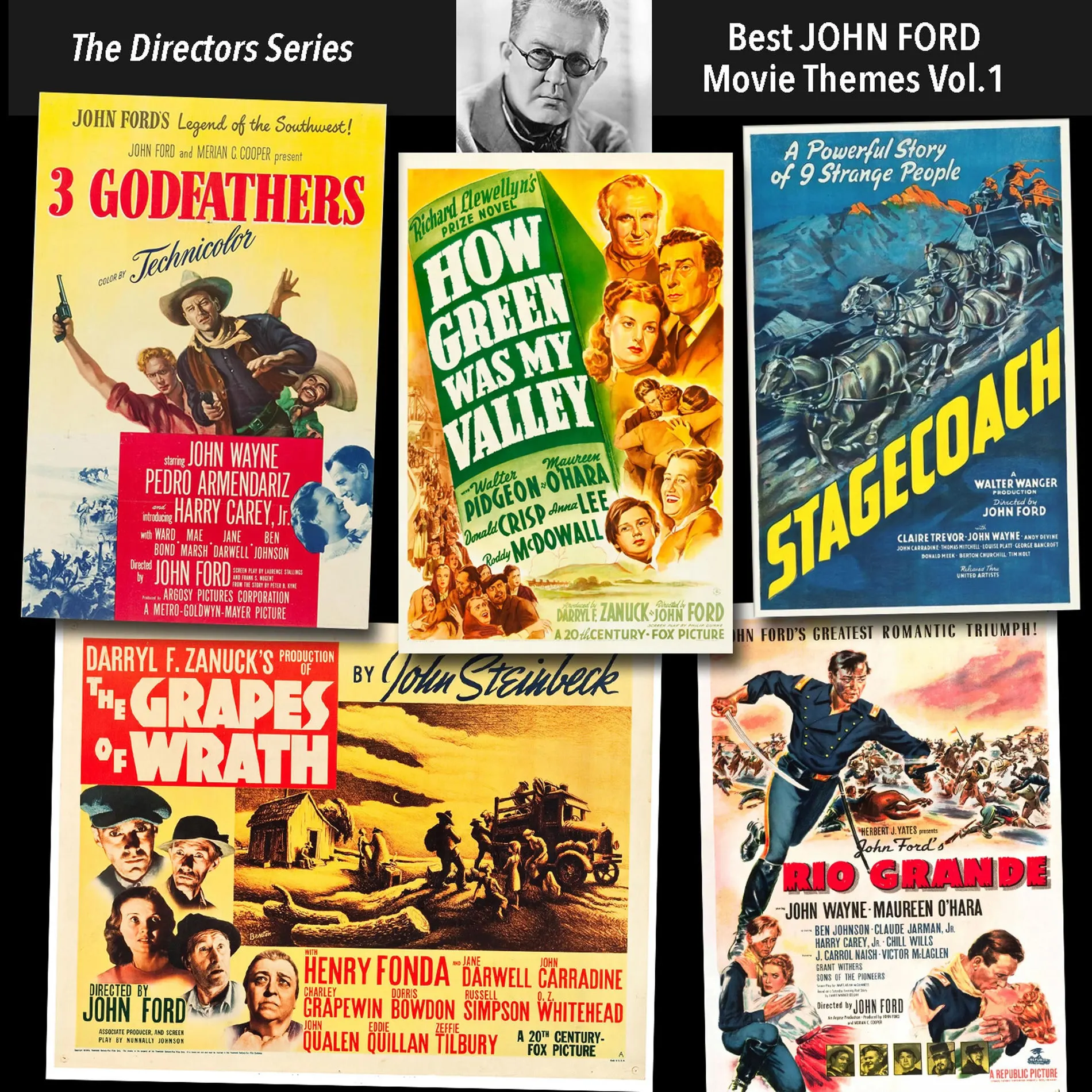
John Ford è stato un regista cinematografico statunitense, rinomato come uno dei cineasti più influenti dell'età d'oro di Hollywood. È celebrato per la sua maestria nel genere western e per il suo stile visivo distintivo, che spesso inquadrava i personaggi su paesaggi epici. Ford diresse oltre 130 film durante la sua carriera, una produzione straordinaria che includeva un record di quattro premi Oscar come miglior regista. Le sue opere iconiche, come Stagecoach, The Grapes of Wrath e The Searchers, hanno consolidato la sua eredità. La capacità di Ford di fondere immagini imponenti con narrazioni avvincenti lo rese un maestro artigiano la cui influenza è ancora riconosciuta oggi da registi e critici. I suoi film continuano a essere studiati e ammirati per la loro arte e il loro impatto duraturo sul cinema.
Primi Anni e Background
Nato John Martin Feeney il 1° febbraio 1894 a Cape Elizabeth, Maine, USA, il futuro regista era il più giovane di undici figli in una famiglia operaia di immigrati irlandesi. Suo padre, John Augustine Feeney, manteneva la numerosa famiglia come gestore di un saloon, mentre sua madre, Barbara Curran, si occupava dell'educazione dei numerosi figli. I primi anni di Feeney furono trascorsi frequentando le scuole locali a Cape Elizabeth, fornendogli un'istruzione di base prima che il suo spirito avventuroso lo portasse verso ovest.
All'età di 16 anni, Feeney lasciò la sua casa nel Maine e, nel 1914, intraprese un viaggio verso Hollywood, dove suo fratello maggiore, Francis, si era già affermato come attore. Questo trasferimento segnò l'immersione iniziale di Feeney nell'industria cinematografica nascente. Iniziò la sua carriera interpretando piccole parti in film e lavorando diligentemente come attrezzista sui set del fratello, assorbendo ogni aspetto del processo di realizzazione cinematografica dal basso. Fu durante questo periodo formativo che scelse di adottare il nome professionale John Ford, una decisione presa per evitare confusione con il fratello, già ampiamente conosciuto con il nome d'arte Francis Ford. Questo intenso apprendistato diede rapidamente i suoi frutti, poiché già nel 1917 Ford aveva diretto il suo primo lungometraggio, The Tornado, un cortometraggio western, segnando l'inizio di una carriera leggendaria.
Crescita Professionale
La prima grande svolta di Ford arrivò nel 1935 con The Informer, un dramma ambientato durante la guerra d'indipendenza irlandese che gli valse il suo primo Oscar come miglior regista. Seguì Stagecoach nel 1939, un film che rivoluzionò il western elevandolo a forma d'arte seria. Il film lanciò John Wayne verso la celebrità. Ford vinse il suo secondo Oscar per The Grapes of Wrath (1940), un'epopea sulla Grande Depressione, poi un terzo per How Green Was My Valley (1941), una saga di una famiglia di minatori gallesi che batté Citizen Kane per il premio di miglior film. Durante la seconda guerra mondiale, prestò servizio come comandante nella Marina degli Stati Uniti, realizzando documentari tra cui The Battle of Midway (1942), che vinse un Oscar come miglior documentario. Dopo la guerra, Ford continuò la sua serie di classici: My Darling Clementine (1946), Fort Apache (1948) e The Quiet Man (1952), che gli valse il suo quarto Oscar come regista. In seguito diresse The Searchers (1956), oggi spesso citato come il suo capolavoro, e The Man Who Shot Liberty Valance (1962). Il suo ultimo film fu 7 Women (1966).
Cronologia Carriera
Immagine Pubblica e Stile
Ford coltivava una personalità burbera e paternalistica sul set, indossando spesso una benda sull'occhio e masticando un fazzoletto. Era noto per il suo stile di regia diretto, a volte prepotente, ma anche per la sua feroce lealtà verso i suoi attori e la troupe. I media lo ritraevano come il quintessenziale autore americano, un uomo capace di catturare l'anima del West. Fan e critici celebrano la sua maestria visiva, il modo in cui inquadrava Monument Valley, l'uso della profondità di campo e gli eroi maschili stoici. Il suo fandom include generazioni di registi che studiano le sue composizioni di inquadrature. L'immagine pubblica di Ford rimane quella di un titano della Hollywood classica, un regista che ha definito il genere western.
Fama e fandom
John Ford remains a towering figure in the history of cinema, his influence measured by the enduring study of his work rather than contemporary viral metrics. In August 2026, the iFANN Global Fame Engine has evaluated his standing, but he does not currently hold a placement in the published rankings (Global Top 1,000 or a Top-100 scope list). His fame is not derived from modern chart movements or social media engagement but from a legacy cemented by over 130 films and four Academy Awards for Best Director, achievements that established him as one of the most significant auteurs of Hollywood's Golden Age. The audience for Ford is distinct from the organized fanbases of living performers; there is no formal name for his followers, who are instead identified as film historians, scholars, and classic movie enthusiasts preserving his visual language through academic institutions and preservation societies. Unlike pop stars whose fans might shut down streets or fund subway campaigns, Ford's admirers engage with his work through curated screenings and critical analysis, maintaining a quiet but persistent dedication to his output. While he never experienced the chaotic adoration associated with touring musicians, his collaboration with John Wayne and his definition of the Western genre created a mythos that persists in cultural discourse. The absence of a documented fandom name underscores the nature of his posthumous presence: he is an object of study rather than a participant in fan rituals, with his reputation sustained by the silent authority of his masterpieces like Stagecoach, The Grapes of Wrath, and The Searchers.
Curiosità e leggende
Known affectionately by the nicknames Pappy, Coach, Uncle Jack, and The Admiral, John Ford cultivated a gruff, paternalistic persona on set, often wearing an eye patch and chewing on a handkerchief. He once answered the question of what brought him to Hollywood with a single word: the train. His silent film output was so extensive that many of those films are now lost. He was an avid yachtsman and served as a naval officer during both World Wars. Ford never won an Oscar for a Western, despite being most famous for them, having secured his four directing awards for The Informer, The Grapes of Wrath, How Green Was My Valley, and The Quiet Man. He was a founding member of the Directors Guild of America. A legendary story among film students concerns his efficiency; he was known to shoot complex scenes in a fraction of the time allotted to others, often completing a day's work before lunch. Another enduring tale involves his relationship with John Wayne, where their professional bond was so deep that Wayne reportedly refused to work with other directors after Ford's death, a loyalty that defined the careers of both men. Ford also famously directed his own funeral procession, ensuring the final scene of his life matched the stoic tone of his films.
Citazioni Notevoli
“the train”
“When you have to shoot, shoot. Don't talk.”
“My name is John Ford. I make Westerns.”
Famiglia e Vita Privata
Ford sposò Mary McBride Smith il 3 luglio 1920. Lei era un'ex ballerina e attrice. Ebbero due figli: un maschio, Patrick, e una femmina, Barbara. Patrick Ford divenne un produttore televisivo. Il nipote di Ford, Dan Ford, scrisse una biografia intitolata Pappy: The Life of John Ford. La famiglia viveva nella zona di Pacific Palisades a Los Angeles. Il fratello di Ford, Francis, era anche lui regista e attore. Mary rimase sposata con Ford fino alla sua morte nel 1973.
Collegamenti Notevoli
Relazioni e Storia Dating
Ford sposò Mary McBride Smith il 3 luglio 1920. Lei era un'ex ballerina e attrice. La coppia ebbe due figli e rimase unita fino alla morte di Ford nel 1973. Non sono documentate altre relazioni pubbliche.
- Sposato/aMary McBride Smith1920 - 1973Sposati il 3 luglio 1920, rimasero insieme fino alla sua morte.
Morte e conseguenze
Morto/a
August 31, 1973 (a 79 anni)
Luogo di morte
Sconosciuto
Causa della morte
Sconosciuto
John Ford died on August 31, 1973, at the age of seventy-nine. While specific details regarding the precise location of his death, the official medical cause established by a coroner or autopsy, and the circumstances of his final days are not explicitly detailed in the provided search results, the available biographical data confirms he was an American film director and producer who passed away in 1973. Public reaction to his death included widespread recognition from peers and institutions, though specific tributes, fan vigils, moments of silence, or memorial murals are not enumerated in the current text.
Details concerning his funeral or memorial service, including the date, location, whether it was public or private, notable attendees, performances, or burial/cremation specifics, are absent from the provided search results. Posthumously, John Ford's estate has maintained significant cultural relevance through continued distribution and analysis of his work. His films continue to be featured in rankings and streaming platforms. He remains the subject of historical documentaries, such as The World of John Ford, and his style is studied in academic contexts like PBS programming.
Patrimonio (Valore immobiliare)
Come regista nell'era degli studi, Ford guadagnava uno stipendio per film e partecipazioni agli utili su alcuni successi. Diresse oltre 130 film, ma il suo patrimonio al momento della morte non fu reso pubblico. Le valutazioni patrimoniali non sono disponibili nelle fonti fornite. I guadagni postumi derivanti dalla vendita di DVD, dallo streaming e dalla licenza dei suoi film continuano a generare entrate, ma non è possibile indicare una cifra affidabile.
Premi vinti (10)
John Ford ha vinto quattro Academy Awards come miglior regista, un record per la categoria. Ha vinto per The Informer (1935), The Grapes of Wrath (1940), How Green Was My Valley (1941) e The Quiet Man (1952). Ha anche vinto due Oscar per documentari bellici: The Battle of Midway (1942) e December 7th (1943).
1952 · Miglior regista
The Quiet Man
1941 · Miglior regista
How Green Was My Valley
1940 · Miglior regista
The Grapes of Wrath
1935 · Miglior regista
The Informer
1943 · Miglior documentario
December 7th
1942 · Miglior documentario
The Battle of Midway
Noto Per
The Searchers
1956 · Director
Stagecoach
1939 · Director
The Grapes of Wrath
1940 · Director
The Quiet Man
1952 · Director
The Man Who Shot Liberty Valance
1962 · Director
Parole chiave
Fonti
Fatti Rapidi
- Professione
- film director, film producer, naval officer
- Nato/a
- +1894-02-01
- Luogo di Nascita
- Cape Elizabeth
- Morto/a
- +1973-08-31
- Luogo di morte
- Palm Desert
- Genere
- Maschio
- Coniuge
- Mary McBride Smith
- Segno Zodiacale
- Aquarius
- Nato/a
- February 1, 1894
- Luogo di Nascita
- Cape Elizabeth, Maine, USA
- Morto/a
- August 31, 1973
- Luogo di morte
- Palm Desert, California, USA
- Altezza
- 6 ft 0 in (1.83 m)
Dettagli Personali
- Nome Completo
- John Martin Feeney
- Altezza
- 6 ft 0 in (1.83 m)
- Coniuge
- Mary McBride Smith
- Figli
- 2
Filmografia
130
Totale
120
Film
10
TV
Domande Frequenti
Chi era John Ford?
Qual è il patrimonio di John Ford nel 2026?
Quanti Oscar ha vinto John Ford?
John Ford era sposato?
Qual è il film più famoso di John Ford?
Persone Simili
Unisciti alla community
fan che discutono