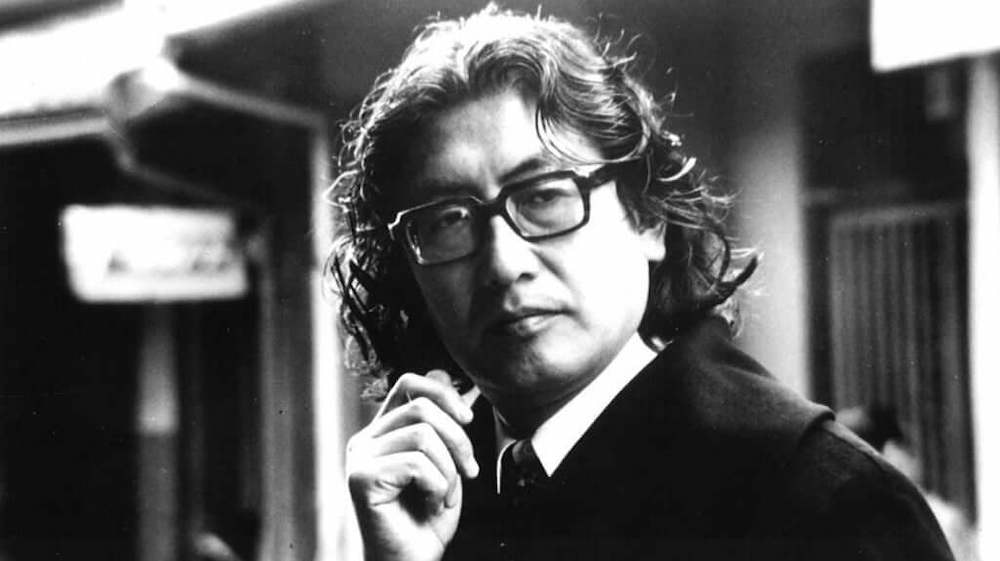
Nagisa Ōshima
 Japan
Japanfilm director•screenwriter•producer
Compleanno
March 31, 1932
Segno Zodiacale
Aries
Luogo di Nascita
Kyoto, Japan
Età
Morto/a a 80 anni
Informazioni
Nagisa Ōshima è stato un regista, sceneggiatore e produttore giapponese, autore di 23 lungometraggi tra il 1959 e il 1999. È noto soprattutto come figura centrale della Nuova Onda giapponese, un movimento che sfidò il cinema tradizionale con una narrazione audace e politicamente carica. Il suo lavoro esplorava spesso temi tabù, ribellione giovanile, sessualità, pena di morte e discriminazione sociale, con uno sguardo implacabile. I suoi film più famosi includono In the Realm of the Senses (1976), un dramma erotico esplicito basato su un fatto di cronaca nera, e Merry Christmas, Mr. Lawrence (1983), un dramma di guerra con David Bowie. Vinse il Grand Prix a Cannes per L'impero della passione (1978) e rimane un'influenza imponente sul cinema mondiale. Oggi i suoi film sono studiati per il loro rischio artistico e l'impatto culturale, e le retrospettive del suo lavoro continuano ad attrarre pubblico.
Primi Anni e Background
Nagisa Ōshima nacque a Kyoto nel 1932, figlio di un funzionario governativo. Suo padre morì quando Ōshima era giovane e fu cresciuto dalla madre in una famiglia severa. Frequentò l'élitaria Università di Tokyo, laureandosi nel 1954 in letteratura francese. La sua formazione accademica in letteratura e filosofia plasmò il suo approccio intellettuale al cinema. Dopo l'università, entrò alla Shochiku Studios nel 1954 come assistente alla regia, lavorando sotto registi come Yoshitaro Nomura. Durante questo periodo, assorbì il mestiere del sistema di studio mentre si sentiva sempre più a disagio con le sue norme conservatrici. Scrisse sceneggiature e diresse cortometraggi, ma il suo primo lungometraggio, A Town of Love and Hope (1959), fu un progetto a basso budget che segnò la sua rottura con la tradizione. L'attenzione di quel film sulle disparità di classe e la disillusione giovanile preparò il terreno per il suo esplosivo ingresso nella Nuova Onda giapponese.
Crescita Professionale
La svolta di Ōshima arrivò nel 1960 con Cruel Story of Youth, un ritratto crudo della ribellione adolescenziale e della sessualità che divenne una pietra miliare della Nuova Onda giapponese. Seguì The Sun's Burial (1960), una storia oscura ambientata nei bassifondi di Osaka. Questi film stabilirono la sua reputazione di provocatore. Nel 1968, Death By Hanging, una critica surreale della pena di morte e del razzismo anti-coreano, fu presentato a Cannes, portandogli attenzione internazionale. La sua opera più controversa, In the Realm of the Senses (1976), fu una rappresentazione esplicita dell'amore ossessivo che affrontò battaglie di censura in tutto il mondo. Divenne una causa celebre per la libertà artistica. Ōshima vinse il Grand Prix a Cannes per L'impero della passione (1978), una storia di fantasmi radicata nella colpa e nel desiderio. Nel 1983 diresse Merry Christmas, Mr. Lawrence, un film in lingua inglese con Ryuichi Sakamoto e David Bowie, che ottenne successo globale. Il suo ultimo film, Taboo (1999), fu un dramma di samurai che esplorava la tensione omoerotica. Nel corso della sua carriera, Ōshima spinse costantemente i confini, ottenendo sia plauso che notorietà.
Cronologia Carriera
Immagine Pubblica e Stile
Ōshima era ampiamente considerato l'enfant terrible del cinema giapponese. Critici e pubblico lo vedevano come un radicale che usava il cinema come arma contro l'ipocrisia sociale. La sua immagine pubblica era quella di un provocatore intellettuale, articolato, combattivo e senza paura dello scandalo. La copertura mediatica si concentrava spesso sulle battaglie di censura attorno a In the Realm of the Senses, presentandolo come un campione della libera espressione. Tra i cinefili, è ammirato per la sua audacia formale e la sua volontà di affrontare argomenti tabù con serietà e arte. Non esiste un nome ufficiale per il suo fandom, ma il suo lavoro ha un seguito devoto nei circuiti del cinema d'essai e accademici. Il suo stile, che mescola realismo documentaristico e surrealismo, e l'uso di long take e inquadrature statiche, ha influenzato registi come Quentin Tarantino e Park Chan-wook.
Fama e fandom
Nagisa Ōshima never cultivated a traditional fanbase with a formal name, organized rituals, or dedicated campaigns. His legacy rests entirely within the sphere of film scholars, critics, and cinephiles who engage with his radical work through academic discourse rather than mass-market worship. Unlike modern pop icons whose followers fund billboards or chart pushes, Ōshima's audience treated his films as provocative political statements and artistic challenges to the Japanese establishment. He famously declared a hatred for the status quo of Japanese cinema, a stance that alienated casual viewers while cementing his reputation among those seeking intellectual confrontation. The iFANN Global Fame Engine evaluated this figure in August 2026 and determined that he does not currently hold a placement in the published rankings, including the Global Top 1,000 or any scope-specific top-100 lists. This absence of a numeric rank reflects his status as a historical avant-garde filmmaker rather than a contemporary celebrity with active global consumption signals. While his films like In the Realm of the Senses generated significant media coverage and censorship battles during their release, these events did not translate into sustained fandom metrics required for current ranking inclusion. The lack of a documented fandom name further distinguishes his cultural footprint from figures who maintain active communities today. His influence persists through retrospectives and the enduring study of his filmography, but he remains outside the dynamic, ranked ecosystem of living celebrities monitored by iFANN. The evaluation confirms that while his name carries weight in film history, it does not currently generate the volume of public interest necessary to secure a position on the global fame charts.
Curiosità e leggende
Ōshima's film In the Realm of the Senses was based on the 1936 Sada Abe incident, a real murder case in Japan. The film was seized by customs in several countries and banned outright in Japan until a heavily censored version was allowed. He was a vocal critic of the Japanese emperor system and left-wing politics, which influenced many of his films. Ōshima once said he wanted to make films that were "like a bomb thrown into the audience." He directed only one English-language film, Merry Christmas, Mr. Lawrence, which featured a score by Ryuichi Sakamoto that became iconic. Despite his reputation for difficult subject matter, Ōshima was known personally as a gentle and soft-spoken man. He survived a stroke in 1995 but continued working until his final film in 1999. A central legend in film history surrounds his role in dismantling the conservative Japanese film industry, where he consistently exposed the contradictions of postwar society. His 1978 victory at the Festival de Cannes for Best Director solidified his international reputation and validated his radical approach on the world stage. Several of his films became legendary for their disruptive nature upon release, effectively acting as incidents that sparked national debate. Cruel Story of Youth is frequently cited as a defining work of the Blank Generation and a catalyst for youth rebellion. The definitive end to his life story occurred on January 15, 2013, marking him as a historical figure whose legends are now part of film history.
Citazioni Notevoli
“I am not interested in making films about the past. I am interested in making films about the present.”
“The world is a strange place, and cinema is a strange art. I try to reflect that strangeness.”
“A film should be like a bomb thrown into the audience.”
Famiglia e Vita Privata
Ōshima sposò l'attrice Akiko Koyama, che apparve in molti dei suoi film, tra cui Death By Hanging e Boy. La coppia ebbe due figli, un maschio e una femmina. Ōshima era noto per essere un uomo di famiglia riservato, tenendo separata la vita domestica dalla sua immagine pubblica. Visse a Fujisawa, nella prefettura di Kanagawa, fino alla sua morte nel 2013. Sua moglie Akiko gli sopravvisse, e i suoi figli sono rimasti in gran parte fuori dai riflettori.
Collegamenti Notevoli
Ōshima collaborò frequentemente con l'attore Tatsuya Fuji, che recitò in In the Realm of the Senses e L'impero della passione. Il compositore Ryuichi Sakamoto curò la colonna sonora di Merry Christmas, Mr. Lawrence e vi recitò anche. La moglie di Ōshima, Akiko Koyama, apparve in molti dei suoi film. Fu contemporaneo e rivale di Shōhei Imamura, un altro regista della Nuova Onda giapponese.
Relazioni e Storia Dating
Nagisa Ōshima era sposato con l'attrice Akiko Koyama. La coppia si incontrò durante la produzione dei suoi primi film e si sposò all'inizio degli anni '60. Ebbero due figli e rimasero sposati fino alla morte di Ōshima nel 2013. Non sono documentate altre relazioni pubbliche. Koyama apparve in molti dei suoi film, tra cui Death By Hanging e Boy. La loro unione era sia personale che professionale, con Koyama che sosteneva la sua carriera mantenendo il proprio lavoro di attrice.
- Sposato/aAkiko Koyama1960 - 2013Si incontrarono durante la prima carriera cinematografica di Ōshima; lei recitò in molti dei suoi film. Ebbero due figli insieme.
Morte e conseguenze
Morto/a
January 15, 2013 (a 80 anni)
Luogo di morte
Sconosciuto
Causa della morte
Sconosciuto
Nagisa Ōshima, the pioneering Japanese film director and a central figure of the Japanese New Wave, died on January 15, 2013. He was 80 years old at the time of his passing,. Consequently, there is no available information in these sources regarding a hospital statement, family announcement specifying the cause, coroner's ruling, autopsy findings, or an inquest to establish the manner of death. Furthermore, reports do not specify his last public appearance or events leading up to his death, leaving the nature of his final days unconfirmed in the provided text. In terms of public reaction, the search results indicate that Ōshima was widely recognized as one of Japan's most important filmmakers, often cited as the most significant after Akira Kurosawa.
He was celebrated for tackling taboos and politically charged subjects with stylistic flair and was a recipient of the Best Director Award at the Festival de Cannes in 1978. Tributes from institutions are implied by the continued screenings of his work, such as a series of eight films presented by Anthology Film Archives in July following his death, and retrospective programming by the Harvard Film Archive. However, the provided text does not list specific fan vigils, chart surges, moments of silence, memorial murals, or detailed statements from peers and officials immediately following his death.
Information concerning the funeral or memorial service, including its date, location, whether it was public or private, notable attendees, performances, and burial or cremation details, is absent from the provided search results. Posthumously, Ōshima's legacy continues through the preservation and re-screening of his filmography, including collections by The Criterion Collection and ongoing academic and archival interest,. The handling of his estate remains unreported in the provided text.
Patrimonio (Valore immobiliare)
$10 Million
Stima del team editoriale di iFANN
Per iFANN's editorial analysis, the estate of Nagisa Ōshima is valued at an estimated $10 Million as of 2026. His wealth accumulated primarily through his extensive film career, encompassing directing fees, screenwriting credits, and production earnings. Merry Christmas, Mr. Lawrence stood as his most commercially successful project, grossing over $10 million worldwide. Royalties derived from home video releases and streaming of his films, particularly In the Realm of the Senses, continue to generate income for his heirs. The estate is managed by his family, and occasional retrospectives and re-releases contribute to its overall value. Ōshima also earned revenue from teaching and writing, though these sources remained minor compared to his film revenues.
Premi vinti (4)
Ōshima vinse il Grand Prix al Festival di Cannes per Empire of Passion nel 1978. Ricevette anche tre premi come miglior regista da organizzazioni cinematografiche giapponesi, i Blue Ribbon Awards, i Kinema Junpo Awards e i Mainichi Film Concours, tutti per lo stesso film. Il suo lavoro fu spesso candidato a Cannes e ad altri festival, ma queste quattro vittorie rappresentano i suoi principali premi competitivi.
1978 · Miglior film
Empire of Passion
1979 · Miglior regista
Empire of Passion
Noto Per
In the Realm of the Senses
1976 · Director, Screenwriter
Merry Christmas, Mr. Lawrence
1983 · Director, Screenwriter
Cruel Story of Youth
1960 · Director, Screenwriter
Death By Hanging
1968 · Director, Screenwriter
Empire of Passion
1978 · Director, Screenwriter
Parole chiave
Fatti Rapidi
- Professione
- film director, screenwriter, producer
- Nato/a
- March 31, 1932
- Luogo di Nascita
- Kyoto, Japan
- Morto/a
- January 15, 2013
- Luogo di morte
- Fujisawa, Japan
- Genere
- Maschio
- Coniuge
- Akiko Koyama
- Segno Zodiacale
- Aries
- Education
- University of Tokyo
Dettagli Personali
- Nome Completo
- Nagisa Ōshima
- Coniuge
- Akiko Koyama
- Istruzione
- University of Tokyo (French literature)
Filmografia
23
Totale
23
Film
0
TV
Domande Frequenti
Quanti anni aveva Nagisa Ōshima quando è morto?
Qual è il film più famoso di Nagisa Ōshima?
Quali premi ha vinto Nagisa Ōshima?
Con chi era sposato Nagisa Ōshima?
Nagisa Ōshima è ancora vivo?
Unisciti alla community
fan che discutono