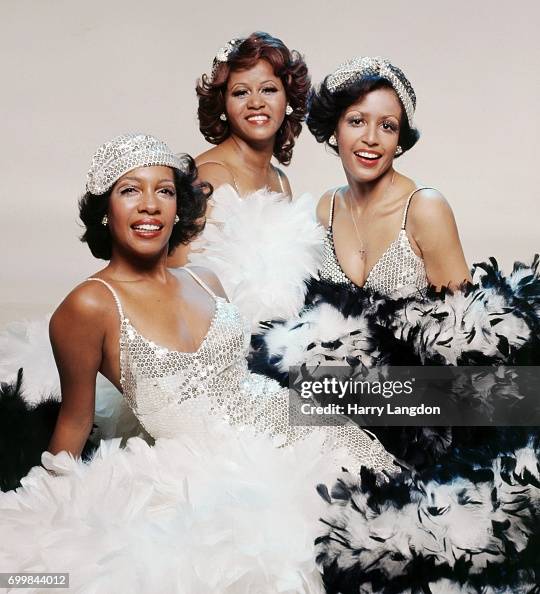
Cindy Birdsong
 United States
Member of The Supremes
Compleanno
December 15, 1939
Segno Zodiacale
Sagittarius
Luogo di Nascita
Mount Holly, New Jersey, USA
Età
86 anni
Altezza
5 ft 5 in (165 cm)
Informazioni
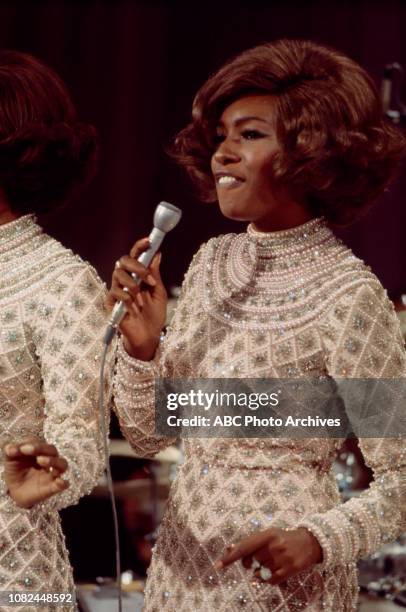
Cindy Birdsong è una cantante statunitense nota soprattutto come membro del leggendario gruppo Motown delle Supremes. Si unì nel 1967, sostituendo la co-fondatrice Florence Ballard in un momento cruciale. Birdsong portò una presenza stabile e professionale al gruppo, contribuendo a successi come Reflections, Love Child e Someday We'll Be Together durante l'era di Diana Ross, e aiutando in seguito il gruppo a reinventarsi con Jean Terrell in brani come Up the Ladder to the Roof e Stoned Love. La sua permanenza durò quasi un decennio, rendendola l'unica membro non fondatrice ad aver cantato accanto sia a Ross che a Terrell come voci soliste.
Prima delle Supremes, Birdsong affinò le sue abilità in Patti LaBelle and the Bluebelles, un potente gruppo vocale che girò il circuito chitlin'. Quell'esperienza le diede la gamma vocale e la presenza scenica per assumere uno dei ruoli più stressanti della musica pop. Dopo aver lasciato l'industria nel 1976, tornò silenziosamente all'infermieristica, una professione per cui si era formata e che apprezzava profondamente. Fan e storici ammirano la sua grazia sotto i riflettori e la sua decisione concreta di allontanarsi dalla fama. Al 2026, rimane una figura amata nella storia della Motown, riapparendo occasionalmente per tributi di reunion.
Primi Anni e Background
Cindy Birdsong è cresciuta a Camden, New Jersey, dove suo padre lavorava come operaio siderurgico e sua madre si occupava della casa. Cantò nei cori della chiesa e nei gruppi scolastici fin da piccola, sviluppando un soprano chiaro e versatile. Dopo il diploma alla Camden High School, si iscrisse all'Università della Pennsylvania con l'intenzione di diventare infermiera, ma la musica la portò in una direzione diversa.
Nel 1962, si unì a Patti LaBelle and the Bluebelles come sostituta temporanea di Sarah Dash, e l'ingaggio divenne permanente. Il gruppo registrò singoli per etichette come Newtown e Atlantic, tra cui I Sold My Heart to the Junkman e Down the Aisle (The Wedding Song). Birdsong trascorse cinque anni in tour nel circuito chitlin' insieme a LaBelle, Nona Hendryx e Dash, affinando le sue armonie e la presenza scenica. Quel tirocinio la preparò per il più grande colpo di fortuna della sua vita.
Crescita Professionale
Nel 1967, Berry Gordy scelse personalmente Birdsong per sostituire Florence Ballard nelle Supremes. Il cambio fu tenuto segreto fino al suo debutto all'Hollywood Bowl il 15 luglio 1967, dove si esibì accanto a Diana Ross e Mary Wilson. Come parte di Diana Ross and the Supremes, apparve nei successi Reflections (1967), Love Child (1968), I'm Gonna Make You Love Me (1968, con The Temptations) e Someday We'll Be Together (1969).
Quando Ross lasciò per una carriera da solista nel 1970, Birdsong rimase con Mary Wilson e la nuova voce solista Jean Terrell. Questa versione delle Supremes ottenne grandi successi R&B e pop, tra cui Up the Ladder to the Roof (1970), Stoned Love (1970), Nathan Jones (1971) e Floy Joy (1972). Prese un breve congedo nel 1972 per partorire, tornò nel 1973 e lasciò il gruppo definitivamente nel 1976. Dopo di che, si allontanò completamente dalla musica, si riqualificò come infermiera professionale e lavorò nel settore sanitario per decenni. Ha partecipato a occasionali reunion delle Supremes, tra cui l'induzione nella Rock and Roll Hall of Fame nel 1988 e un tributo ai Grammy nel 2020.
Cronologia Carriera
Immagine Pubblica e Stile
Birdsong è ricordata come una professionista tranquilla che si trovò ad affrontare una situazione estremamente difficile, sostituendo un'amata membro originale del gruppo femminile di maggior successo della storia. Le rappresentazioni mediatiche enfatizzano la sua grazia sotto pressione e la sua integrazione senza intoppi nel gruppo. Non ha mai cercato i riflettori per proprio conto, e la sua decisione di lasciare la fama per l'infermieristica ha solo accresciuto il rispetto dei fan. Non esiste un nome ufficiale per i fan di Birdsong individualmente; gli appassionati delle Supremes generalmente apprezzano i suoi contributi come parte vitale dell'eredità del gruppo. La sua presenza sui social media è inesistente, il che si adatta alla sua preferenza per la privacy.
Fama e fandom
Cindy Birdsong's fanbase is a community of Motown and Supremes devotees who have never needed a formal name to show their dedication. They gather in places like Soulful Detroit forums and Facebook groups such as Supremes Reflections, trading stories about her steadying presence during the group's most turbulent years. There's no official fandom moniker for Birdsong individually; her admirers simply identify as Supremes fans, bound by a shared respect for her professionalism and the pivotal role she played in keeping the group alive.
What makes this fandom distinctive is its deep appreciation for the behind-the-scenes narrative: the sudden 1967 debut, the seamless blend with Diana Ross, the later reinvention with Jean Terrell. Fans champion the story that Cindy saved the Supremes, a piece of folklore that persists because it rings true to anyone who followed the group's arc. They also rally around her legacy through support of the Motown Museum, which honors her as a torchbearer of the group's history.
In the broader landscape of fame, Cindy Birdsong's name resonates primarily within the world of classic soul and Motown. As of August 2026, iFANN's Global Fame Engine has evaluated her, but she does not currently hold a placement in the published rankings, whether the Global Top 1,000 or any Top-100 scope list. This absence is not a measure of her significance to the fans who cherish her work; it simply reflects the quiet, post-fame life she chose. For those who know the Supremes' story, her place in music history is secure, even if she isn't ranked among the most famous figures globally.
Curiosità e leggende
Birdsong's vocal range and stage presence were so similar to Florence Ballard's that Berry Gordy felt she could step in with minimal disruption to the group's sound. She trained as a registered nurse and worked in healthcare after leaving the music industry, a fact that surprises many fans. She is the only non-founding member of the Supremes to have performed with both Diana Ross and Jean Terrell as lead singers. Birdsong appeared on The Ed Sullivan Show multiple times with the group. Her replacement of Ballard was kept secret from the public until the night of her debut at the Hollywood Bowl.
A story fans still retell is how, in 1967, Birdsong had to learn the Supremes' entire catalog in just days before stepping on stage at the Flamingo Hotel in Las Vegas, a reflection of her professionalism and adaptability. Another cherished narrative is that her arrival saved the Supremes from collapse, a belief held by many enthusiasts who argue that her steady, team-player attitude stabilized the group during the chaotic transition after Ballard's departure. In 2023, a conservatorship battle brought renewed attention to her post-Supremes life, with her family alleging that a close friend had isolated her and mismanaged her finances, a cautionary tale that has become part of her cultural narrative.
Citazioni Notevoli
“I was very nervous. Replacing Florence Ballard was not easy. The fans were very loyal to her, and I understood that. I just tried to do my best and be myself.”
“Being a nurse was always important to me. Music was wonderful, but helping people is what I was called to do.”
Famiglia e Vita Privata
Cindy Birdsong è nata da un padre operaio siderurgico e una madre casalinga a Mount Holly, New Jersey, ed è cresciuta a Camden. Sposò l'uomo d'affari Charles Hewlett nel 1969; la coppia divorziò nel 1974. Birdsong ha un figlio, nato all'inizio degli anni '70 durante il suo periodo con le Supremes. L'identità del padre non è stata confermata pubblicamente. Dopo aver lasciato l'industria musicale, si concentrò sull'allevare suo figlio e lavorare come infermiera. Ha vissuto una vita privata lontana dai riflettori, senza animali domestici noti o dettagli pubblici sulla sua attuale famiglia.
Collegamenti Notevoli
La carriera di Birdsong è strettamente legata alle Supremes e alle loro figure chiave: Diana Ross, Mary Wilson e Jean Terrell. Ha anche lavorato con Patti LaBelle, Nona Hendryx e Sarah Dash nelle Bluebelles. Berry Gordy la scelse personalmente per le Supremes. La sua eredità è spesso discussa insieme a quella di Florence Ballard, che lei sostituì.
Relazioni e Storia Dating
Cindy Birdsong ha sposato l'uomo d'affari Charles Hewlett nel 1969. Il matrimonio è terminato con un divorzio nel 1974 dopo cinque anni. Durante il suo periodo con le Supremes, è rimasta incinta e ha dato alla luce un figlio all'inizio degli anni '70; l'identità del padre non è stata confermata pubblicamente. Non si è risposata dopo il divorzio. A partire dal 2026, Birdsong è presumibilmente single e vive una vita privata lontano dall'industria dell'intrattenimento.
- Sposato/aCharles Hewlett1969 - 1974Ha sposato l'uomo d'affari Charles Hewlett; divorziata dopo cinque anni.
Stipendio, patrimonio nel 2026
$1 Million
Stima del team editoriale di iFANN
As of 2026, iFANN's editorial analysis estimates Cindy Birdsong's net worth at approximately $1 million. Her wealth stems from several sources. During her time with the Supremes, she earned a salary and shared in touring income, though Motown's royalty structure was notoriously stingy for artists. After leaving the group in 1976, she worked as a registered nurse for decades, providing a steady middle-class income. She also receives ongoing royalties from Supremes recordings made between 1967 and 1976, though these are split among multiple parties. Birdsong has not engaged in major business ventures or endorsements. She owns modest property and likely receives Social Security and pension benefits in retirement. Her net worth has remained stable in recent years, as she has not sought new income streams.
Premi e Lodi
View 3 records, honours and achievementsParole chiave
Fatti Rapidi
- Professione
- singer, nurse
- Nato/a
- +1939-12-15
- Luogo di Nascita
- Mount Holly, New Jersey, USA
- Genere
- Femmina
- Segno Zodiacale
- Sagittarius
- Altezza
- 5 ft 5 in (165 cm)
- Net Worth
- $1 Million
Dettagli Personali
- Nome Completo
- Cynthia Ann Birdsong
- Altezza
- 5 ft 5 in (165 cm)
- Coniuge
- Charles Hewlett
- Figli
- 1 son
- Istruzione
- Attended University of Pennsylvania; nursing training
Domande Frequenti
Cosa è successo a Cindy Birdsong dopo le Supremes?
Cindy Birdsong è ancora viva?
Perché Cindy Birdsong ha lasciato le Supremes?
Quanto è alta Cindy Birdsong?
Cindy Birdsong ha avuto figli?
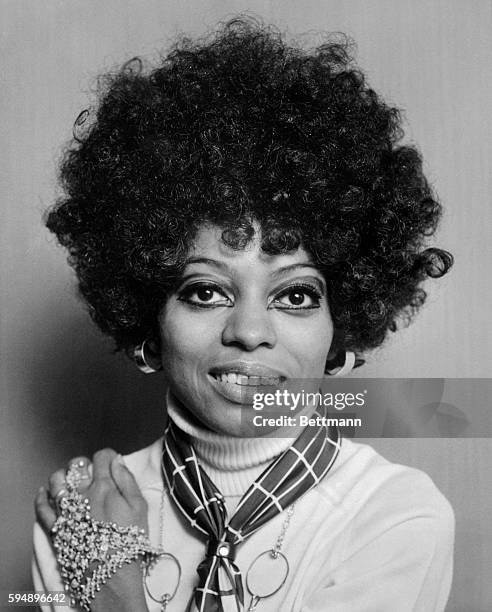
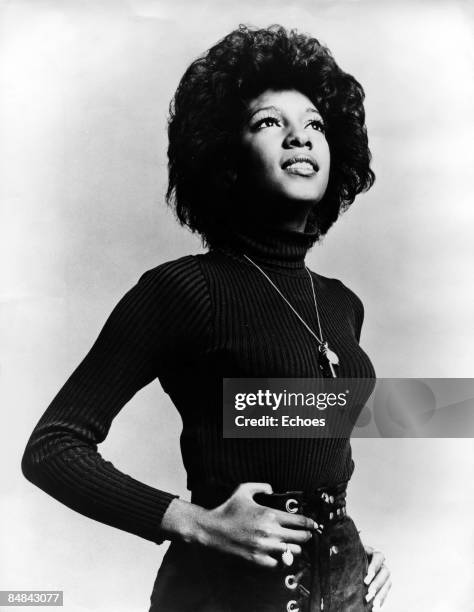

Unisciti alla community
fan che discutono