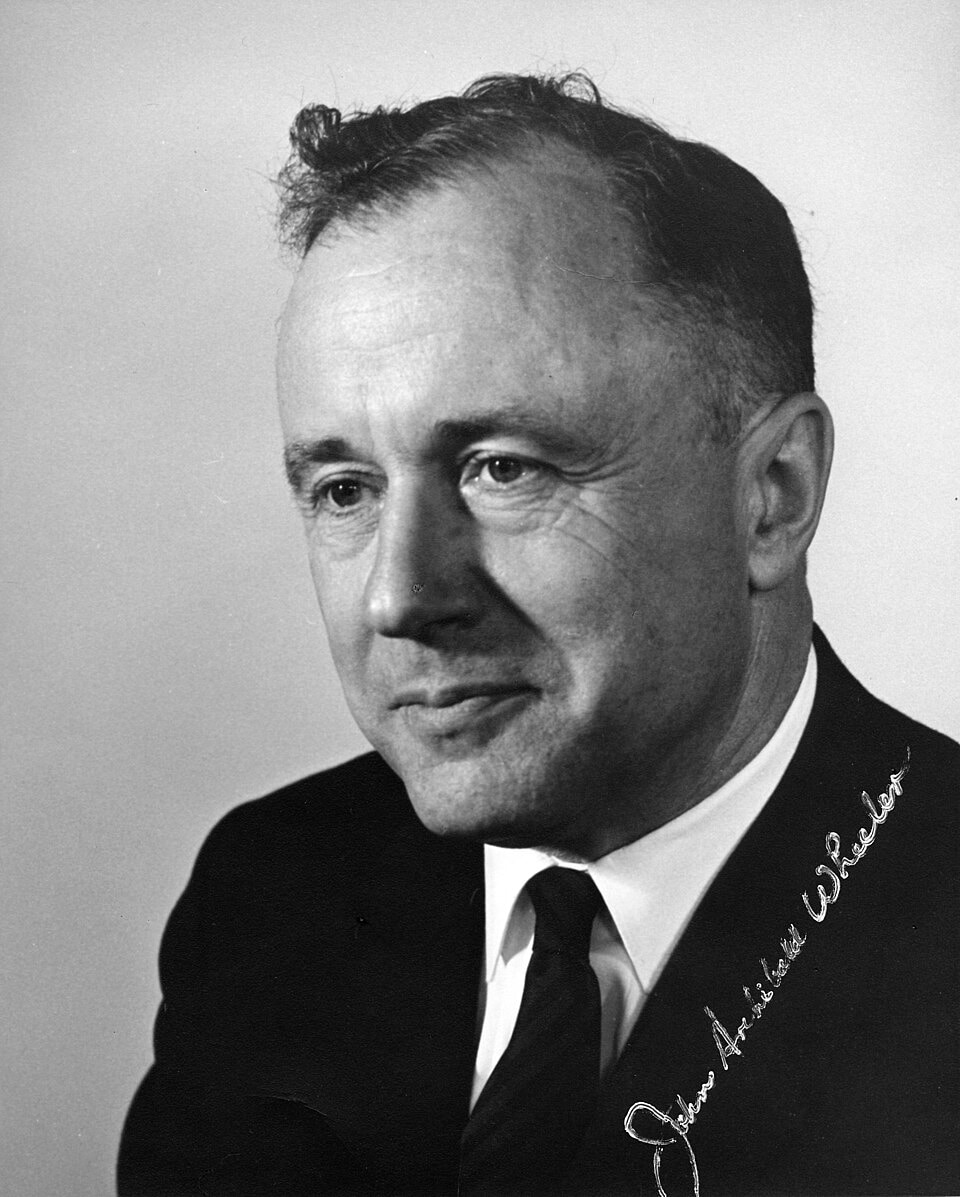
John Archibald Wheeler
physicist•nuclear physicist•theoretical physicist
Compleanno
July 9, 1911
Segno Zodiacale
Cancer
Luogo di Nascita
Jacksonville, Florida
Età
Morto/a a 96 anni
Informazioni
John Archibald Wheeler è stato un fisico teorico statunitense considerato uno degli scienziati più fantasiosi e influenti del ventesimo secolo, nonché un leggendario insegnante e un abile coniatore di frasi memorabili. Ha svolto un ruolo centrale nel rilanciare lo studio della relatività generale negli Stati Uniti dopo la seconda guerra mondiale, aiutando a trasformare la teoria di Einstein da una curiosità matematica a un vivace campo di ricerca. Il suo lavoro ha collegato l'era della prima teoria quantistica e la cosmologia moderna.
Wheeler ha dato contributi fondamentali in tutta la fisica, collaborando con Niels Bohr alla teoria della fissione nucleare, contribuendo al Progetto Manhattan ed esplorando le domande più profonde sulla gravità, l'informazione e la natura della realtà. Aveva un notevole talento per coniare concetti che catturavano l'immaginazione del pubblico, divulgando il termine buco nero e coniando frasi come wormhole, schiuma quantistica e la provocatoria it from bit, che inquadrava la sua tarda speculazione secondo cui l'informazione è alla base dell'esistenza fisica.
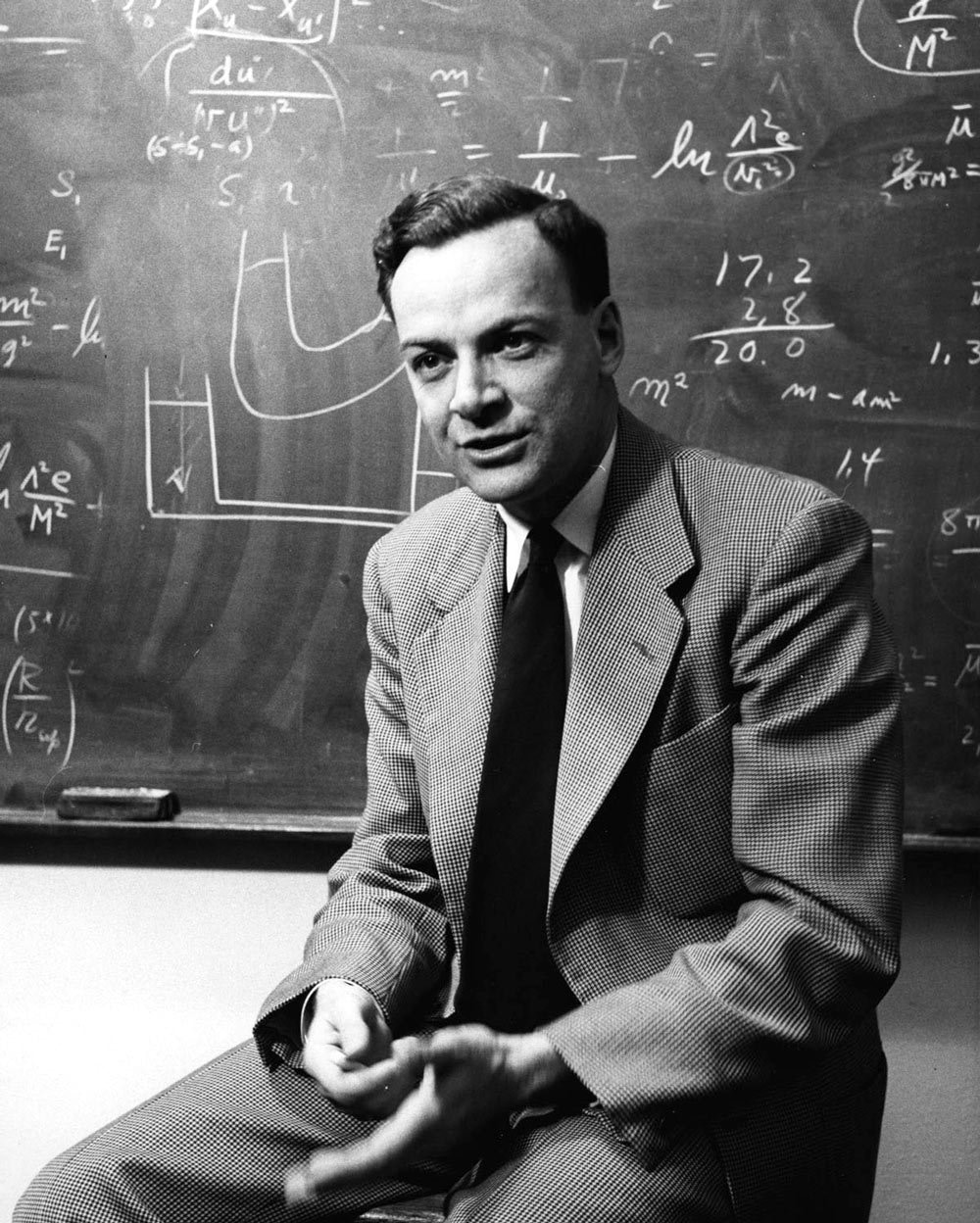
Come mentore fu altrettanto importante, supervisionando studenti che divennero giganti della fisica a loro volta, tra cui Richard Feynman. Curioso e filosofico fino alla fine, spinse i colleghi ad affrontare le implicazioni più strane delle loro teorie. John Archibald Wheeler è ricordato come un fisico visionario e una delle grandi menti scientifiche e insegnanti della sua epoca.
Primi Anni e Background
Nato a Jacksonville, Florida, da Joseph Lewis Wheeler e Mabel Archibald Wheeler, entrambi bibliotecari, John Archibald Wheeler crebbe in varie città tra cui Glendale, California; Youngstown, Ohio; Benson, Vermont; e Baltimora, Maryland. La sua famiglia aveva profonde radici americane, con molte generazioni di Archibald da parte di madre e Wheeler da parte di padre. Un insegnante in Vermont lo fece avanzare di tre classi in un anno in una scuola con un'unica aula. Frequentò il Baltimore City College per le superiori, diplomandosi nel 1926.
A 16 anni si iscrisse alla Johns Hopkins University con una borsa di studio, inizialmente come studente di ingegneria, ma passò alla fisica dopo essere stato affascinato dalle riviste di fisica nella biblioteca combinata di ingegneria e fisica. Conseguì il dottorato in fisica nel 1933 all'età di 21 anni, con una tesi sulla dispersione e l'assorbimento dell'elio sotto la supervisione di Karl Herzfeld. Il suo primo articolo scientifico fu pubblicato nel 1930. Dopo il dottorato, ottenne borse di studio che gli permisero di studiare con Niels Bohr a Copenaghen.
Crescita Professionale
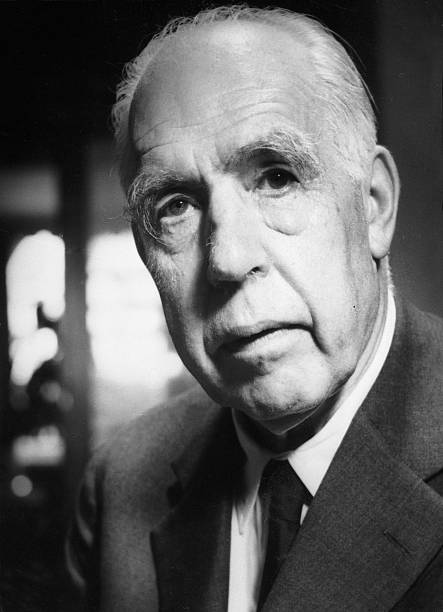
Wheeler iniziò la sua carriera accademica come professore associato all'Università della Carolina del Nord a Chapel Hill nel 1935. Nel 1938 si trasferì alla Princeton University come professore assistente, rimanendovi per quasi quattro decenni. L'anno successivo collaborò con Niels Bohr alla teoria della fissione nucleare, producendo la prima descrizione di come funziona la fissione. Era presente sul molo di New York quando Bohr arrivò da Copenaghen per annunciare che la Germania aveva diviso l'atomo.
Dal 1941 al 1945 lavorò al Progetto Manhattan, progettando e gestendo reattori per la produzione di plutonio a Hanford, Washington. Dopo la guerra tornò a Princeton e nel 1947 fondò il Cosmic Rays Laboratory dell'università, di cui fu il primo direttore. Nel 1950 contribuì alla progettazione della prima bomba all'idrogeno. Durante gli anni '50, lui e i suoi studenti pubblicarono lavori che rinnovarono l'interesse per la relatività generale. A una conferenza della NASA nel 1967 divulgò il termine buco nero. Si ritirò da Princeton nel 1976 dopo 38 anni e servì come direttore del Center for Theoretical Physics dell'Università del Texas fino al 1986. Nel 1989 pubblicò Information, Physics, Quantum: The Search for Links, articolando il concetto di it from bit.
Cronologia Carriera
Immagine Pubblica e Stile
Wheeler era noto nella comunità fisica come un mentore caloroso e incoraggiante con una curiosità quasi sconfinata. I colleghi lo descrivevano come qualcuno che poneva le domande più profonde senza pretese. La sua immagine pubblica era quella di un visionario in grado di comunicare idee complesse con frasi memorabili. Non era una celebrità mediatica come alcuni fisici successivi, ma negli ambienti scientifici era venerato come un insegnante che ispirava generazioni. La sua eredità include i molti studenti che ha supervisionato, tra cui Richard Feynman e Kip Thorne, che divennero leader a loro volta. Era noto per il suo atteggiamento ottimista e propositivo, anche quando affrontava gli aspetti più sconcertanti della gravità quantistica.
Fama e fandom
John Archibald Wheeler commanded a global sphere of influence that transcended the typical boundaries of academic renown, shaping the very language of modern cosmology while inspiring generations of scientists. His intellectual footprint remains vast, though his status in contemporary pop culture metrics reflects the specific nature of his career as a theoretical physicist rather than an entertainer. As of August 2026, iFANN's Global Fame Engine has evaluated this person, but they do not currently hold a placement in the published rankings (Global Top 1,000 or a Top-100 scope list). Consequently, there is no formal fandom name documented for his legacy; the devoted following he cultivated consists entirely of physicists, astrophysicists, and students who revere his contributions without organizing under a specific fan brand. While celebrity circles might rally around subway ads or birthday campaigns, Wheeler's admirers maintain their tribute through the enduring study of his theories and the continued citation of his work in academic literature. His influence is characterized by deep intellectual reverence rather than organized fan projects or grassroots marketing efforts. The community that cherishes his memory engages with his ideas about black holes and the participatory universe, treating his aphorisms as foundational wisdom rather than viral content. This unique form of fandom operates through the rigorous pursuit of knowledge he championed, ensuring his name remains synonymous with the deepest questions of existence.
Curiosità e leggende
Wheeler was known for his playful yet profound way of thinking. He once said, Time is what keeps everything from happening at once. He also remarked, We all know that the real reason universities have students is in order to educate the professors. He had a habit of asking his students radical questions, such as Why does the universe exist? and How come existence? He was an avid hiker and enjoyed long walks in the Vermont countryside where his family had a summer home. Late in life, he became fascinated with the idea that the universe might be a self-excited circuit, a concept he called the participatory universe. A story fans still retell involves how he coined the term "black hole" during a lecture in December 1967, transforming a technical curiosity into a household phrase that now defines one of the universe's most mysterious objects. Another legend centers on his "It from Bit" concept, which proposed that every particle and field derives its function from binary choices, suggesting the universe is fundamentally informational. These ideas became staple folklore in physics departments, passed down to new graduate students as essential wisdom from the master. His role in solving critical reactor problems at Hanford during the Manhattan Project also cemented his reputation as a visionary capable of bridging abstract theory with practical engineering.
Citazioni Notevoli
“Time is what keeps everything from happening at once.”
“We all know that the real reason universities have students is in order to educate the professors.”
“It from bit symbolizes the idea that every item of the physical world has at bottom a bit of information.”
“Behind it all is surely an idea so simple, so beautiful, that when we grasp it we will all say to each other, how could it have been otherwise?”
“We live on an island surrounded by a sea of ignorance. As our island of knowledge grows, so does the shore of our ignorance.”
Famiglia e Vita Privata
Wheeler sposò Janette Hegner, insegnante e assistente sociale, il 10 giugno 1935, cinque giorni dopo il suo ritorno dall'Europa. Si fidanzarono al terzo appuntamento ma concordarono di rimandare il matrimonio fino al suo ritorno dall'Europa. La coppia ebbe tre figli. Il loro matrimonio durò 72 anni fino alla sua morte nel 2008. Hegner lo precedette, morendo prima. La famiglia visse a Princeton, New Jersey, durante gran parte della carriera di Wheeler, e successivamente a Hightstown, New Jersey.
Collegamenti Notevoli
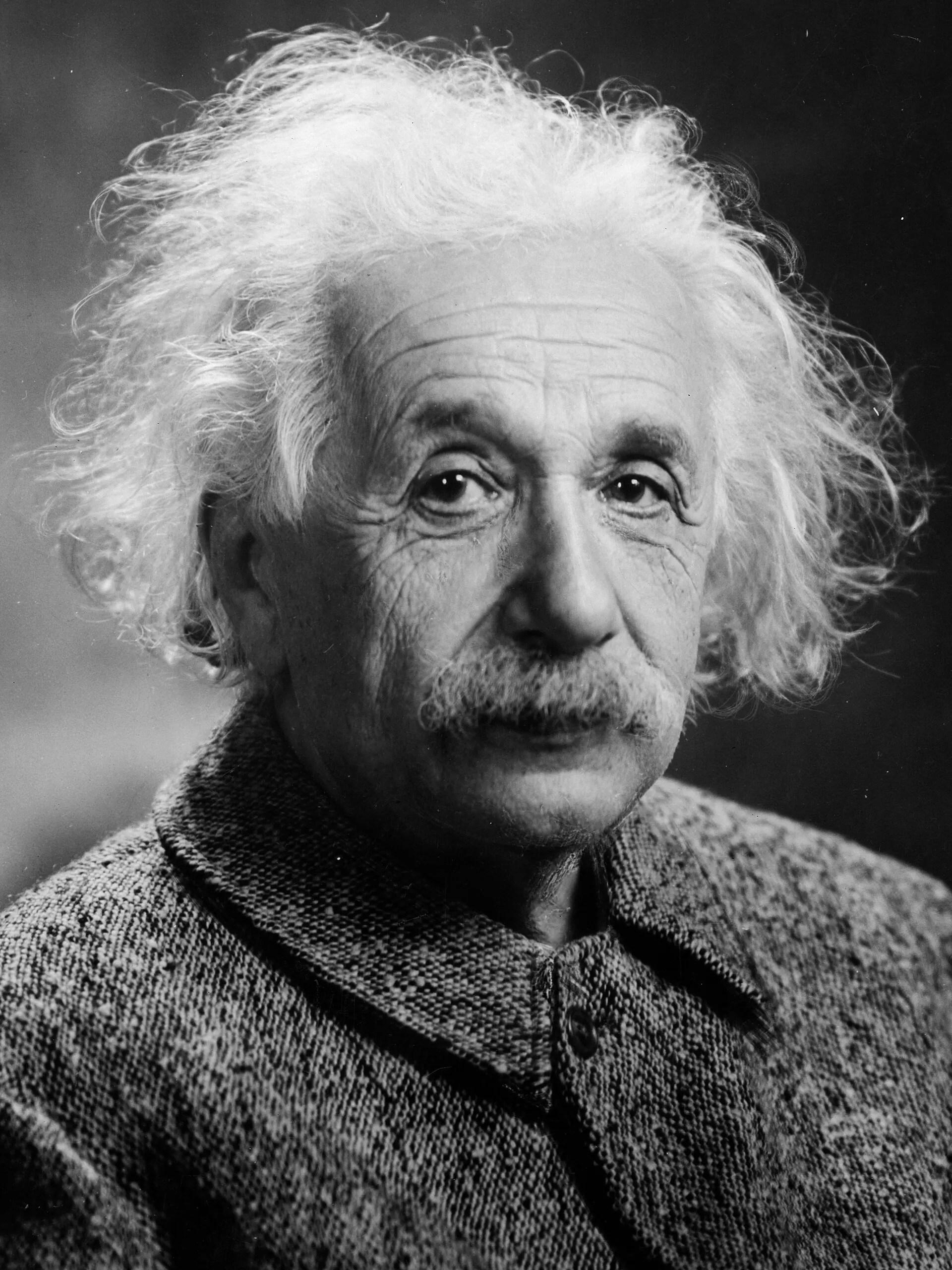
Wheeler collaborò strettamente con Niels Bohr sulla teoria della fissione nucleare e con Albert Einstein sulla teoria del campo unificato. Fu il supervisore di dottorato di Richard Feynman e in seguito fece da mentore a Kip Thorne. Il suo stesso supervisore di dottorato fu Karl Herzfeld. Lavorò con Gregory Breit al processo Breit-Wheeler e con Jayme Tiomno sulla ricerca sui muoni.
Relazioni e Storia Dating
Wheeler sposò Janette Hegner il 10 giugno 1935, cinque giorni dopo il suo ritorno dall'Europa. Si fidanzarono al terzo appuntamento ma accettarono di rimandare il matrimonio fino al suo ritorno dagli studi all'estero. Janette era un'insegnante e un'assistente sociale. La coppia ebbe tre figli. Il loro matrimonio durò 72 anni fino alla morte di Wheeler nel 2008. Janette lo precedette nella morte, essendo deceduta prima. Nessun'altra relazione sentimentale è documentata in fonti credibili.
- Sposato/aJanette Hegner1935 - 2008Sposato il 10 giugno 1935; tre figli; matrimonio durato fino alla sua morte.
Morte e conseguenze
Morto/a
April 13, 2008 (a 96 anni)
Luogo di morte
Hightstown, New Jersey
Causa della morte
Sconosciuto
John Archibald Wheeler died on April 13, 2008, in Hightstown, New Jersey, at the age of 96. The official records from Princeton University and the New York Times confirmed his passing, treating the event as a natural conclusion to a long life that remained intellectually active until the end. Tributes poured in immediately from the scientific community, with peers and institutions characterizing him as a legend, a father figure of modern general relativity, and a magician of physics who had revitalized Einstein's theory. The New York Times published a prominent obituary celebrating his contributions to coining the term black hole and his pivotal role in the Manhattan Project, while formal statements honoring his legacy were issued by Princeton University and the Institute for Advanced Study.
Details regarding the specific logistics of his funeral or memorial service remain unreported in available sources, though it is understood that memorials occurred within the academic sphere given his stature. Posthumously, his intellectual estate has been actively preserved through continued analysis of his concept It from Bit in quantum gravity and information theory, with recent articles revisiting his hypotheses decades later. The American Physical Society continues to award the John A. Wheeler Prize, and the Department of Physics at Princeton maintains a historical record of his tenure.
Patrimonio (Valore immobiliare)
$2 Million
Stima del team editoriale di iFANN
John Archibald Wheeler's net worth at the time of his death in 2008 was modest by modern standards, estimated at around $2 Million per iFANN's editorial analysis. As a theoretical physicist and professor, his income came primarily from his academic salary at Princeton University and later the University of Texas, along with royalties from his books and occasional consulting fees. He did not hold patents or commercial ventures. His estate has earned small amounts from posthumous book sales and biographical works, but no major revenue streams exist. The estate is managed by his surviving family.
Premi vinti (6)
Wheeler ricevette numerosi riconoscimenti per i suoi contributi alla fisica. Gli fu conferito l'Enrico Fermi Award nel 1968 dal Presidente Lyndon B. Johnson, l'Albert Einstein Award nel 1965, la National Medal of Science nel 1970, la Oersted Medal nel 1983, il J. Robert Oppenheimer Memorial Prize nel 1984 e il Wolf Prize in Physics nel 1997.
1997 · Fisica
General relativity and black hole physics
1984 · Fisica
Theoretical physics
Noto Per
Black hole
1967 · Popularized the term
Nuclear fission theory
1939 · Co-developer with Niels Bohr
It from bit
1989 · Coined the phrase
Wormhole
1957 · Coined the term
Quantum foam
1955 · Coined the term
Parole chiave
Fonti
Fatti Rapidi
- Professione
- physicist, nuclear physicist, theoretical physicist
- Nato/a
- July 9, 1911
- Luogo di Nascita
- Jacksonville, Florida
- Morto/a
- April 13, 2008
- Luogo di morte
- Hightstown, New Jersey
- Genere
- Maschio
- Segno Zodiacale
- Cancer
Dettagli Personali
- Nome Completo
- John Archibald Wheeler
- Coniuge
- Janette Hegner
- Figli
- Three
- Istruzione
- Johns Hopkins University (PhD, 1933)
Domande Frequenti
Per cosa è famoso John Archibald Wheeler?
John Archibald Wheeler ha lavorato alla bomba atomica?
Cosa scoprì John Archibald Wheeler?
Quanti anni aveva John Archibald Wheeler quando morì?
Chi è stato il mentore di John Archibald Wheeler?
Unisciti alla community
fan che discutono